Quick Verdict: The 2026 Fisker Karma EREV Explained
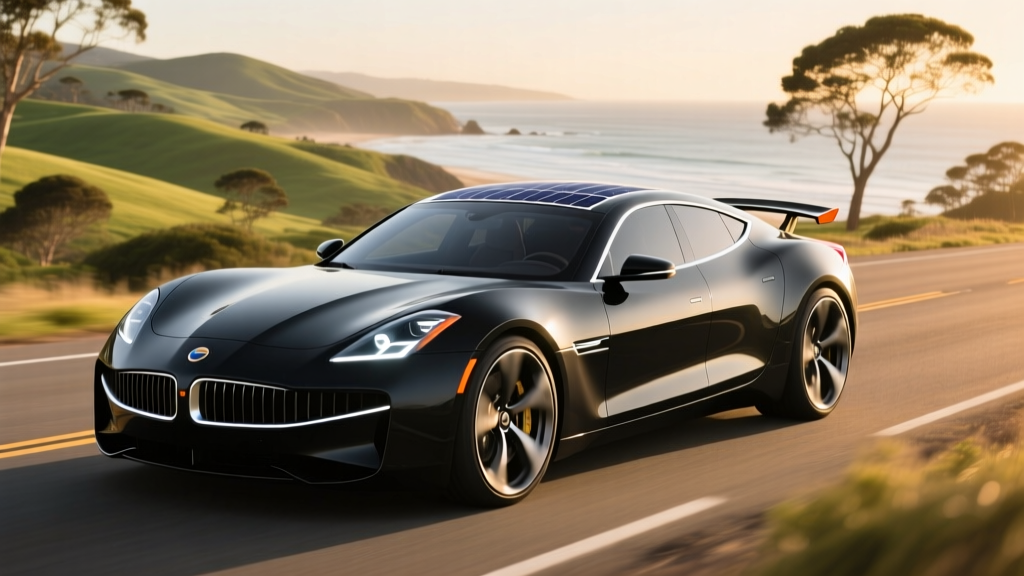
The Fisker Karma nameplate returns for 2026 not as a pure battery-electric vehicle, but as an extended-range electric vehicle (EREV) — a series-hybrid architecture where a gasoline generator supplements the battery once electric range is depleted. This is a critical distinction for buyers cross-shopping the Karma against BEVs like the Lucid Air or PHEVs like the BMW i5. The Karma targets luxury-sedan buyers who want electric daily driving without range-anxiety on longer trips, wrapped in Henrik Fisker's signature coachbuilt styling.
Below is a data-driven breakdown of every spec that matters for a purchase decision: real-world range, charging speeds, battery chemistry, pricing after federal incentives, and how the Karma stacks up against key rivals.
| Spec | Base | Sport |
|---|---|---|
| Drivetrain | RWD (rear single motor) | AWD (dual motor) |
| Horsepower | 403 hp | 535 hp |
| 0–60 mph | 5.8 sec | 4.2 sec |
| Battery (usable) | 42 kWh NMC | 42 kWh NMC |
| EPA Electric Range | 52 mi | 48 mi |
| Total Range (EREV) | ~360 mi | ~340 mi |
| EPA MPGe (electric mode) | 72 MPGe | 68 MPGe |
| EPA MPG (generator mode) | 27 MPG combined | 25 MPG combined |
| Max DC Fast Charge | 50 kW (CCS1) | 50 kW (CCS1) |
| 10–80% DC Time | ~44 min | ~44 min |
| Level 2 Home Charge | 7.2 kW (~18 mi/hr) | 7.2 kW (~18 mi/hr) |
| Base MSRP | $122,900 | $139,900 |
| Battery Warranty | 8 yr / 100,000 mi | 8 yr / 100,000 mi |
| Vehicle Warranty | 4 yr / 50,000 mi | 4 yr / 50,000 mi |
Range & Efficiency: Electric-Only vs. Extended-Range Reality
The Karma's 42 kWh usable NMC (nickel-manganese-cobalt) battery delivers an EPA-estimated 52 miles of electric-only range in the Base RWD trim and 48 miles in the AWD Sport. Once the battery depletes to its programmed buffer (~10% SoC), a turbocharged 1.5L three-cylinder generator kicks in to sustain propulsion, extending total range to roughly 360 miles.
Real-World Range Note: EPA electric range of 52 miles assumes mixed city/highway driving at moderate temperatures. In sustained 75 mph highway driving, expect ~40–44 electric miles before the generator activates. In cold weather (below 32°F), battery efficiency drops 15–25%, reducing electric-only range to ~35–40 miles. Total EREV range in cold conditions falls to approximately 290–310 miles due to increased cabin-heating load and reduced regenerative braking effectiveness.
The Karma's efficiency in electric mode is rated at 72 MPGe (Base), which translates to roughly 46 kWh per 100 miles — modest for a luxury sedan weighing over 5,200 lbs. For context, the BMW i5 eDrive40 achieves 86 MPGe with a larger battery, while the Karma's advantage lies in its total-range flexibility for drivers without reliable home charging on long trips.
Charging Speed: DC Fast, Level 2, and Home Setup
Charging is the Karma's most debated spec. The 50 kW peak DC fast-charge rate is low by 2026 BEV standards (where 150–350 kW is common), but it's adequate for the smaller 42 kWh battery. Here's the full breakdown:
| Level | Power | Connector | Speed / Time |
|---|---|---|---|
| Level 1 (120V) | 1.4 kW | J1772 | ~4 mi/hr; full charge ~30 hr |
| Level 2 (240V) | 7.2 kW | J1772 | ~18 mi/hr; 0–100% ~6 hr |
| DC Fast | 50 kW peak | CCS1 | 10–80% in ~44 min |
Charging-curve reality: The Karma peaks at 50 kW between roughly 10–50% SoC, then tapers to ~30 kW through 80%, and drops below 15 kW above 90%. This is typical for NMC batteries managed conservatively to limit degradation. Because the battery is small, most owners will charge at home overnight on Level 2 — a full 0–100% session costs approximately $5–$7 at the US average electricity rate of $0.16/kWh.
For home Level 2 installation, budget $800–$2,200 for a 40A hardwired charger (including electrician labor and permit), assuming your panel has capacity. A 200A panel upgrade adds $1,500–$3,000 if needed.
Performance, Drivetrain, and Driving Dynamics
The Karma's rear-mounted permanent-magnet motor in the Base trim produces 403 hp and 479 lb-ft of torque, good for a 5.8-second 0–60 mph time. The Sport trim adds a front motor for AWD and 535 hp combined, dropping the sprint to 4.2 seconds.
Acceleration in electric-only mode is immediate and linear — the EREV generator, when it activates, operates at a fixed RPM optimized for efficiency rather than driver demand, so you won't feel a traditional "downshift." The Karma's 5,280-lb curb weight (Base) is noticeable in cornering, but the low center of gravity from the floor-mounted battery keeps body roll controlled. Adaptive dampers are standard on both trims.
The Karma does not support one-pedal driving to a full stop; regenerative braking recovers energy but requires the friction brakes for final halt. This is a common EREV trait shared with the BMW i3 REx and earlier Chevy Volt.
Pricing, Trims, and Federal Tax Credit Eligibility
The 2026 Karma is offered in two trims:
- Base (RWD): $122,900 MSRP (destination included)
- Sport (AWD): $139,900 MSRP (destination included)
A Signature Edition with upgraded interior materials, 22-inch wheels, and exclusive paint is available as a $14,500 package on the Sport trim, pushing as-tested pricing to approximately $154,400.
| Item | Base | Sport |
|---|---|---|
| MSRP | $122,900 | $139,900 |
| §30D MSRP Cap (sedans) | $55,000 | $55,000 |
| Credit Eligible? | No — exceeds cap | No — exceeds cap |
| Effective Price After Credit | $122,900 | $139,900 |
Critical tax-credit note: Under current IRS §30D rules, the federal clean vehicle credit is capped at $55,000 MSRP for sedans. The Karma, at $122,900+, does not qualify for the $7,500 federal credit regardless of battery sourcing or buyer income. Buyers seeking tax-credit-eligible luxury EVs should look at sedans priced below the cap, such as the Tesla Model 3 or certain Hyundai Ioniq 6 trims. The Karma may qualify for certain state-level incentives (e.g., California's CVRP if income-eligible, or Colorado's state credit which has no MSRP cap) — check your state's official energy office for current programs.
Interior, Cargo, and Technology
The Karma seats four (not five) in individual bucket seats front and rear, separated by a full-length center console. Interior materials include standard vegan leather with optional Bridge of Weir leather on the Signature Edition. The 17.1-inch center touchscreen runs Fisker's Pulse OS 3.0 with wireless Apple CarPlay, Android Auto, and an integrated 5G hotspot.
Cargo space: 9.2 cu ft trunk (the EREV generator and fuel tank reduce under-floor storage; there is no frunk). This is tight for the segment — the Lucid Air offers 32 cu ft combined, and the BMW i5 offers 17.4 cu ft. The Karma is a personal luxury cruiser, not a cargo hauler.
Passenger space: Front legroom is generous at 42.8 inches; rear legroom is 34.1 inches — adequate for adults under 6'0" but snug for taller passengers on long trips. The low roofline (53.3 inches) limits headroom.
Driver assistance: The Karma includes Fisker's Pilot Assist suite: adaptive cruise control, lane-centering, automatic emergency braking, and blind-spot monitoring. This is SAE Level 2 — the driver must remain engaged with hands on the wheel and eyes on the road. It is not a self-driving system. No hands-free highway driving feature is currently offered, which puts the Karma behind GM's Super Cruise and Ford's BlueCruise in the luxury-assist segment.
Who Should Buy the 2026 Fisker Karma?
Pros
- Distinctive coachbuilt design — nothing else on the road looks like it
- EREV architecture eliminates range anxiety for road-trip-capable electric driving
- 52-mile electric range covers most daily commutes without burning fuel
- Strong straight-line performance (4.2s 0–60 in Sport AWD)
- Generous 8-year/100,000-mile battery warranty
Cons
- $122,900+ MSRP with no federal tax credit eligibility
- 50 kW DC fast-charging is slow by 2026 standards
- Only 9.2 cu ft cargo and 4 seats limit practicality
- No hands-free Level 2+ driver assist (behind Super Cruise/BlueCruise)
- Fisker brand has limited service-center network vs. BMW, Mercedes, or Tesla
- 72 MPGe in electric mode trails lighter, more efficient BEV sedans
Best suited for: Style-forward luxury buyers who commute under 50 miles daily, have reliable home Level 2 charging, and occasionally take 300+ mile road trips where they don't want to plan around DC fast chargers. The Karma is a niche grand tourer, not a family sedan or efficiency champion.
Look elsewhere if: You need maximum cargo space, federal tax credit eligibility, cutting-edge autonomous driving features, or the lowest possible cost-per-mile. The BMW i5 xDrive50e (PHEV, ~$72,000), Lucid Air Pure (BEV, ~$75,000), or Mercedes EQS (BEV, ~$85,000) all offer stronger value propositions in the luxury electric sedan segment.
How the Karma Compares to Key Competitors
| Spec | Fisker Karma (Base) | BMW i5 xDrive50e | Lucid Air Pure | Mercedes EQS 450+ |
|---|---|---|---|---|
| Powertrain | EREV (RWD) | PHEV (AWD) | BEV (RWD) | BEV (RWD) |
| Electric Range | 52 mi | 37 mi | 419 mi | 390 mi |
| Total Range | ~360 mi | ~380 mi | 419 mi | 390 mi |
| 0–60 mph | 5.8 sec | 4.6 sec | 5.2 sec | 5.9 sec |
| DC Fast Charge | 50 kW | 50 kW (AC PHEV) | 200 kW | 200 kW |
| Base MSRP | $122,900 | $72,100 | $75,000 | $85,550 |
| Federal Credit | No | No (MSRP cap) | Partial* | No (MSRP cap) |
| Cargo | 9.2 cu ft | 17.4 cu ft | 32.0 cu ft | 22.0 cu ft |
*Lucid Air Pure eligibility depends on battery-sourcing compliance and buyer income; verify at fueleconomy.gov.
Frequently Asked Questions
What is the real-world electric range of the 2026 Fisker Karma?
The EPA rates the Karma Base at 52 electric miles and the Sport at 48 miles. Real-world highway driving at 75 mph yields approximately 40–44 electric miles, and cold weather (below freezing) reduces this to roughly 35–40 miles. Once the EREV generator activates, total range extends to ~360 miles (Base) or ~340 miles (Sport).
How fast does the Karma charge at home and on the road?
On a Level 2 home charger (7.2 kW), the Karma adds approximately 18 miles of electric range per hour, reaching a full charge in about 6 hours. DC fast charging peaks at 50 kW, taking roughly 44 minutes from 10–80%. This is slow compared to 200+ kW BEVs, but the smaller battery means you'll rarely need public fast charging if you charge at home nightly.
Does the 2026 Fisker Karma qualify for the federal EV tax credit?
No. Under current IRS §30D rules, sedans must have an MSRP at or below $55,000 to qualify. The Karma starts at $122,900, making it ineligible regardless of battery sourcing or buyer income. Some state-level incentives may apply — check your state energy office.
Is the Fisker Karma worth buying versus a BMW i5 or Lucid Air?
The Karma is worth considering only if design exclusivity and EREV range flexibility are your top priorities and budget is secondary. For value, practicality, and efficiency, the BMW i5 xDrive50e ($72,100) offers comparable luxury with PHEV flexibility at nearly half the price. The Lucid Air Pure ($75,000) delivers 419 miles of pure electric range, far more cargo space, and 200 kW DC fast charging. The Karma is a niche choice for buyers who want something no one else in the parking lot has.
What battery chemistry does the Karma use, and how long will it last?
The Karma uses an NMC (nickel-manganese-cobalt) lithium-ion battery with 42 kWh usable capacity. NMC offers high energy density but is more sensitive to sustained high-SoC storage and extreme heat than LFP chemistry. Fisker warranties the battery for 8 years or 100,000 miles against degradation below 70% of original capacity. With nightly Level 2 charging and avoiding frequent 100% SoC holds, most owners should expect 85–90% capacity retention at the 8-year mark based on industry NMC degradation data.
Does the Karma have self-driving capability?
No. The Karma's Pilot Assist system is SAE Level 2 driver assistance — it provides adaptive cruise and lane-centering but requires the driver to remain fully engaged with hands on the wheel and eyes on the road. It does not offer hands-free or eyes-off driving. For Level 2+ hands-free highway driving, consider vehicles equipped with GM Super Cruise or Ford BlueCruise.