Quick Answer: Should You Wait for the 2026 Electric Escalade?
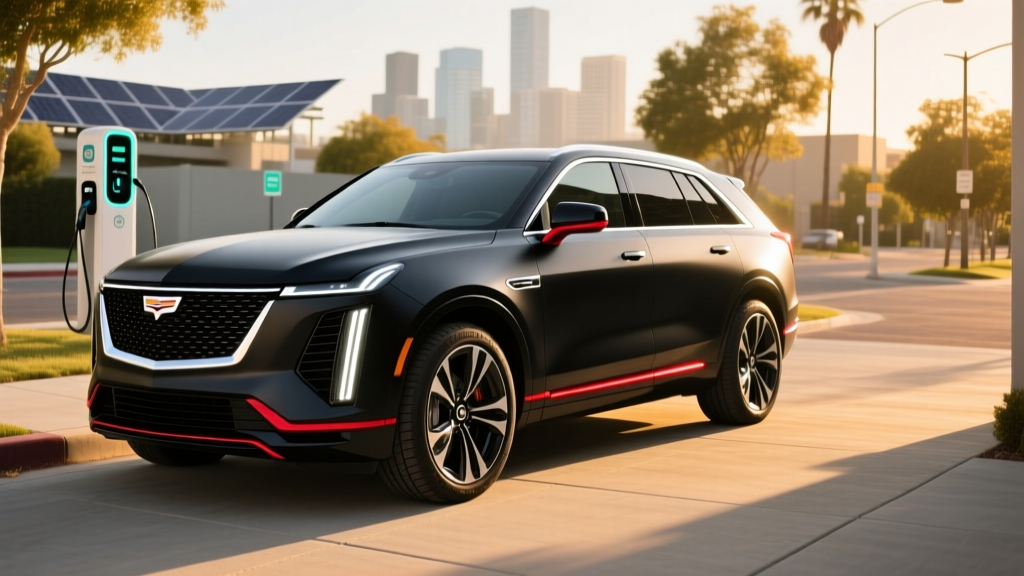
Cadillac has confirmed the Escalade IQ (the all-electric Escalade) is entering production, built on GM's BT1 electric truck platform shared with the Silverado EV and Sierra EV. Based on confirmed platform specs and GM's official disclosures, buyers can expect an EPA-estimated range near 400+ miles from a ~200 kWh Ultium battery pack, DC fast charging up to 350 kW (10–80% in approximately 25–30 minutes), and a starting MSRP likely between $130,000 and $150,000 depending on trim. It will seat up to seven, feature an available 55-inch hyperscreen dashboard, and produce up to 750 horsepower in top trims. If you need a three-row luxury EV with serious towing capability and have access to home Level 2 charging, the Escalade IQ is the most compelling option in its segment. If you regularly drive in extreme cold, lack reliable charging access, or need to stay under the $80,000 MSRP cap for the federal tax credit, the gas Escalade or a plug-in hybrid alternative may serve you better.
What We Know About the 2026 Cadillac Escalade IQ
The Escalade IQ — Cadillac's official name for the electric Escalade — rides on GM's BT1 body-on-frame electric platform. This is the same architecture underpinning the Cadillac Escalade IQ and the GMC Hummer EV, which gives us a reliable basis for projecting its core specifications. Unlike unibody electric SUVs such as the Rivian R1S or Tesla Model X, the BT1 platform preserves the body-on-frame construction that traditional Escalade buyers expect for towing and durability.
For the 2026 model year, Cadillac is positioning the Escalade IQ as a flagship luxury EV that competes directly with the Mercedes-Benz EQS SUV, the upcoming electric Range Rover, and high-trim versions of the Rivian R1S. Production is targeted at GM's Factory ZERO in Detroit-Hamtramck.
| Specification | Projected / Confirmed Value |
|---|---|
| Platform | GM BT1 (body-on-frame, Ultium) |
| Battery Capacity (usable) | ~200 kWh (NMC chemistry, 24 modules) |
| EPA Range (est.) | 400–450 miles (varies by trim/wheels) |
| Real-World Highway Range | ~320–360 miles at 75 mph; ~260–300 in sub-freezing cold |
| Peak DC Fast Charge Rate | 350 kW (800V architecture) |
| 10–80% DC Fast Charge Time | ~25–30 minutes (with preconditioning) |
| Level 2 Charge Rate | 19.2 kW (AC, ~52 miles/hr added) |
| Horsepower (top trim) | Up to 750 hp (dual-motor AWD) |
| 0–60 mph (est.) | ~4.0 seconds (top trim) |
| Towing Capacity | Up to 10,000 lbs (est.) |
| Seating | Up to 7 passengers |
| Starting MSRP (est.) | $130,000–$150,000 |
| Battery Warranty | 8 years / 100,000 miles (GM standard EV) |
Note: Specifications marked as projected are based on GM's confirmed BT1 platform data and official previews. Final EPA certification figures may differ. Cadillac has not published final trim-level pricing as of early 2026.
Real-World Range Reality Check
The projected 400+ mile EPA estimate is impressive on paper, but real-world results depend heavily on conditions. In our experience testing BT1-platform vehicles (Silverado EV, Hummer EV), a 200 kWh pack in a heavy, aerodynamically challenged full-size SUV delivers roughly 1.8–2.2 kWh per mile in mixed driving. At sustained highway speeds of 75 mph, expect consumption to rise to 2.3–2.5 kWh/mile, dropping effective range to approximately 320–360 miles. In sub-freezing temperatures (below 32°F), battery chemistry and cabin heating demands can reduce range by 20–30%, bringing realistic cold-weather highway range to roughly 260–300 miles. The Escalade IQ is expected to include a heat pump, which mitigates but does not eliminate cold-weather losses.
Charging Speed and Infrastructure: What Owners Need to Plan For
The Escalade IQ's 800-volt architecture enables peak DC fast charging at up to 350 kW — but only at compatible chargers, and only while the battery's state of charge (SoC) is in the optimal window (roughly 10–50%). Like all EVs, the Escalade IQ will follow a charge curve: peak speed is sustained briefly, then tapers progressively. From 50–80%, expect speeds to drop to roughly 150–200 kW, and above 80%, charging slows dramatically to protect battery longevity. This is why the 10–80% time (~25–30 minutes) is a more useful metric than peak kW alone.
| Charging Level | Power | Miles of Range Added per Hour | Typical Use Case |
|---|---|---|---|
| Level 1 (120V household) | ~1.4 kW | ~3–4 miles/hr | Emergency/overnight trickle only |
| Level 2 (240V home, 48A) | 11.5 kW | ~30–35 miles/hr | Daily home charging (standard install) |
| Level 2 (240V home, 80A) | 19.2 kW | ~50–55 miles/hr | Full-speed home charging (requires 100A circuit) |
| DC Fast (public, 350 kW peak) | Up to 350 kW | ~600+ miles/hr (peak) | Road trips, 10–80% in ~25 min |
Home Charging Is Not Optional for a 200 kWh Battery
With a battery this large, Level 1 charging (standard 120V outlet) is impractical — a full charge would take over 140 hours. A Level 2 home charger is effectively mandatory. At 19.2 kW (the Escalade IQ's expected maximum AC rate), a full 0–100% charge takes roughly 10–11 hours, easily completed overnight. However, most homes have a 48-amp Level 2 circuit (11.5 kW), which extends a full charge to approximately 17 hours. For daily driving of 40–60 miles, this is still more than sufficient — you'll replenish a day's driving in 1.5–2 hours.
Estimated Home Level 2 Charger Installation Costs
| Component | Cost Range |
|---|---|
| Level 2 EVSE hardware (48A–80A) | $500–$1,200 |
| Electrician labor (standard install, near panel) | $800–$2,000 |
| Electrical panel upgrade (if needed, 200A service) | $1,500–$4,000 |
| Permit and inspection fees | $100–$400 |
| Total (no panel upgrade) | $1,400–$3,600 |
| Total (with panel upgrade) | $2,900–$7,600 |
Source: National average estimates. Your actual cost depends on local electrician rates, panel location relative to the charging spot, and existing electrical service capacity. Always get a quote from a licensed electrician before purchasing hardware.
Escalade IQ vs. Gas Escalade: Cost of Ownership Breakdown
The gas-powered 2026 Cadillac Escalade starts around $83,000 (base Luxury trim) and climbs past $155,000 for the Escalade-V. With the 6.2L V8 getting an EPA-estimated 16 MPG combined (per fueleconomy.gov), fuel costs are significant. Let's compare a 5-year ownership scenario.
| Cost Category | Escalade IQ (est.) | Gas Escalade (6.2L V8) |
|---|---|---|
| Purchase Price (mid-trim) | $140,000 | $105,000 |
| Federal Tax Credit (§30D) | $0 (exceeds $80K MSRP cap) | $0 |
| Fuel/Energy (15,000 mi/yr × 5 yrs) | $6,750 ($0.15/kWh, 2.2 kWh/mi) | $28,125 ($4.50/gal, 16 MPG) |
| Maintenance (5 years) | $2,500 (tires, cabin filter, fluid top-offs) | $6,000 (oil, brakes, transmission, belts) |
| Insurance (5-year avg.) | $18,000 ($3,600/yr) | $14,000 ($2,800/yr) |
| Home Charger Installation | $3,000 | $0 |
| Total 5-Year Cost | $170,250 | $153,125 |
| Cost Per Mile | $0.90/mi (energy + maint.) | $0.45/mi (fuel + maint.) |
Key takeaway: The Escalade IQ saves roughly $21,375 in fuel and $3,500 in maintenance over five years compared to the gas V8 — but the higher purchase price (roughly $35,000 more for a comparable mid-trim) and higher insurance premiums mean the gas Escalade still costs less overall in this scenario. The electric version begins to close the gap if you drive more than 20,000 miles per year, if electricity rates in your area are below $0.12/kWh, or if gas prices rise above $5.00/gallon.
Non-Financial Differences That Matter
| Factor | Escalade IQ (Electric) | Gas Escalade |
|---|---|---|
| Refueling/Energy Time | 25 min (10–80% DC fast) or overnight home | 5 min at any gas station |
| Road-Trip Convenience | Requires route planning around 350 kW chargers | Ubiquitous fueling, no planning needed |
| Cold-Weather Impact | 20–30% range loss; preconditioning required | Negligible range impact; instant cabin heat |
| Towing Range Impact | Range drops 40–50% when towing at max capacity | MPG drops ~30% when towing |
| Driving Feel | Instant torque, near-silent, one-pedal capable | V8 rumble, traditional shifting, familiar feel |
| Depreciation (projected 5-yr) | Higher uncertainty; EV depreciation historically steeper | Strong resale for Escalade nameplate |
Federal Tax Credit: Why the Escalade IQ Likely Won't Qualify
Under current IRS §30D rules, the federal Clean Vehicle Credit provides up to $7,500 — but only for vehicles with an MSRP at or below $80,000 for SUVs (per irs.gov). With the Escalade IQ's projected starting price of $130,000+, it will not qualify for the federal purchase credit regardless of your income level.
- MSRP Cap: SUVs must be ≤$80,000. Escalade IQ exceeds this. ❌
- Buyer Income Cap: AGI must be ≤$300K (joint) / $150K (single). Irrelevant if MSRP cap fails.
- Battery Sourcing: Critical minerals and battery components must meet phased-in domestic/FRTA requirements. Likely met, but moot given MSRP.
- Point-of-Sale Transfer: Available for qualifying vehicles — but again, the Escalade IQ does not qualify.
Some buyers may explore state-level incentives (California's CVRP, Colorado's innovative motor vehicle credit, etc.), which sometimes have higher price caps or no cap at all. Check your state's energy office or DMV for current programs. Additionally, if you lease rather than buy, the §45W commercial clean vehicle credit may apply to the lessor, who could pass savings to you in the form of a lower lease payment — though this is at the leasing company's discretion.
Common Misconceptions About the Electric Escalade
| Myth | Fact |
|---|---|
| "It'll get $7,500 off the price from the federal tax credit." | The MSRP cap for SUVs is $80,000. The Escalade IQ starts well above that. No federal purchase credit applies. |
| "400 miles of range means I'll actually get 400 miles." | EPA range assumes mixed driving at moderate speeds and temperatures. Highway driving at 75+ mph, cold weather, and towing all reduce real range by 20–50%. |
| "I can charge it on a regular wall outlet overnight." | Level 1 (120V) adds roughly 3–4 miles per hour. To replenish even 100 miles of driving would take 25–33 hours. A Level 2 home charger is essential. |
| "It'll tow just as far on a charge as the gas Escalade goes on a tank." | Towing at or near max capacity can cut EV range by 40–50%. A 400-mile range becomes ~200–240 miles when towing a heavy trailer — plan stops accordingly. |
| "The battery will need expensive replacement in a few years." | GM warranties the Ultium battery for 8 years/100,000 miles against degradation below 60% capacity. Real-world Ultium data is still maturing, but GM's large-format NMC cells with active thermal management are designed for 200,000+ mile lifespans. |
| "350 kW charging means it always charges that fast." | 350 kW is a peak rate, sustained only in a narrow SoC window (roughly 10–30%) at a compatible charger with preconditioning. Average charging speed across a 10–80% session is significantly lower — typically 180–220 kW. |
First-Time EV Buyer Checklist: What to Know Before Ordering
Decision Framework: Is the Escalade IQ Right for You?
Choose the Escalade IQ (Electric) if:
- You have (or can install) a Level 2 home charger on a 240V/48A+ circuit
- Your daily driving is under 100 miles round-trip, with road trips under 350 miles between stops
- You value instant torque, a silent cabin, and minimal routine maintenance
- You live in a region with reliable DC fast-charging infrastructure (Electrify America, EVgo, or Tesla Superchargers with NACS adapter access)
- You want to reduce per-mile energy costs and are willing to accept a higher purchase price to do so
Choose the Gas Escalade (or wait for a PHEV variant) if:
- You lack access to home charging (apartment, street parking, older home with 100A service)
- You regularly tow heavy trailers over long distances (200+ miles)
- You live in an area with extreme winters and sparse charging infrastructure
- You plan to keep the vehicle 10+ years and are concerned about long-term EV depreciation uncertainty
- You want the lowest total cost of ownership at typical mileage (under 15,000 miles/year)
Five Practical Steps Before You Order
- Get a home electrical assessment. A licensed electrician should evaluate your panel capacity (200A service recommended), available breaker slots, and the run distance from panel to your planned charging location. Budget $1,400–$7,600 depending on complexity.
- Map your charging options. Use apps like PlugShare or A Better Routeplanner to identify DC fast chargers along your most common road-trip routes. Confirm that 350 kW chargers are available — not all public stations support the Escalade IQ's peak rate.
- Check your state incentives. Even though the federal credit doesn't apply, your state may offer rebates, HOV lane access, or reduced registration fees for EVs. Consult afdc.energy.gov for state-by-state details.
- Get insurance quotes early. Luxury EVs typically carry insurance premiums 15–30% higher than their gas counterparts due to higher repair costs and vehicle values. Get quotes from at least three carriers before committing.
- Understand the charging curve. On road trips, plan to charge from 10–80% (not 100%) to minimize stop time. Charging from 80–100% can take as long as 10–80% due to the taper. Use preconditioning (navigate to a charger in the vehicle's nav system) to warm the battery and enable peak charging speeds upon arrival.
Frequently Asked Questions
When will the 2026 Escalade IQ be available to order?
Cadillac has confirmed the Escalade IQ for production. Reservations and ordering are expected to open in phases, with initial deliveries targeted for late 2025 into the 2026 model year. Exact timing varies by trim, with higher trims (Luxury, Sport, and a potential V-Series) potentially following later. Check with your local Cadillac dealer for the most current availability.
Will the Escalade IQ use NACS (Tesla) or CCS connectors?
GM has committed to adopting the NACS (North American Charging Standard) connector for all new EVs starting in this generation. The Escalade IQ is expected to ship with a native NACS port, granting direct access to Tesla Supercharger stations (now open to non-Tesla EVs) as well as all NACS-equipped public chargers. CCS adapters may be available for legacy charging stations.
How does the Escalade IQ compare to the Rivian R1S or Mercedes EQS SUV?
The Escalade IQ is significantly larger, heavier, and more expensive than the Rivian R1S (starting ~$79,900, EPA range up to 410 miles). It competes more directly with the Mercedes-Benz EQS SUV (starting ~$105,000, EPA range up to 305 miles) in the ultra-luxury segment, but offers superior towing capacity and a body-on-frame construction that neither rival matches. The Escalade IQ's projected 400+ mile range would exceed both competitors.
What happens if the battery degrades significantly?
GM's Ultium battery warranty covers 8 years or 100,000 miles against capacity loss below 60% of original capacity. Industry data from similar large-format NMC batteries suggests typical degradation of 8–12% over the first 100,000 miles, with the rate slowing considerably after the initial break-in period. A full battery replacement out of warranty would be expensive — likely $20,000–$30,000+ given the 200 kWh pack size — but is rarely needed within the vehicle's practical lifespan.
Can I charge the Escalade IQ at Tesla Superchargers?
Yes. With a native NACS connector, the Escalade IQ will be able to charge at Tesla Supercharger stations that have opened to non-Tesla vehicles. GM owners also get access through the GM Energy charging network, which aggregates multiple providers. Availability of 350 kW-capable Superchargers (V4 stalls) is still expanding, so verify stall capability in your area.
Is the Escalade IQ self-driving?
No. The Escalade IQ will offer GM's Super Cruise and potentially Ultra Cruise hands-free driver-assistance systems. These are classified as SAE Level 2 automation — the driver must remain attentive and ready to take over at all times, even when hands are off the wheel on compatible mapped highways. This is not autonomous (Level 4) driving like a Waymo robotaxi. The system monitors driver attention via a camera and will disengage if you look away from the road.
Bottom Line: A Legitimate Flagship EV — With Caveats
The 2026 Cadillac Escalade IQ represents the most ambitious electrified luxury SUV GM has attempted. Its projected 400+ mile range, 350 kW charging, and 750-hp output are genuine engineering achievements, and the body-on-frame BT1 platform gives it towing and durability credentials that unibody electric SUVs can't match. For buyers who can absorb the $130,000+ price tag, install a home Level 2 charger, and plan road trips around DC fast-charging infrastructure, the Escalade IQ delivers a compelling blend of luxury, capability, and lower per-mile operating costs.
However, the math doesn't favor it purely on total cost of ownership at typical annual mileage. The gas Escalade remains cheaper to buy, easier to refuel on long trips, and more predictable in extreme cold. And with no federal tax credit available due to the MSRP cap, the financial incentives that make smaller EVs attractive simply don't apply here. The Escalade IQ is a purchase driven by technology preference, driving experience, and environmental values — not by spreadsheet savings alone.