Quick Verdict: The 2026 Chevy Bolt at a Glance
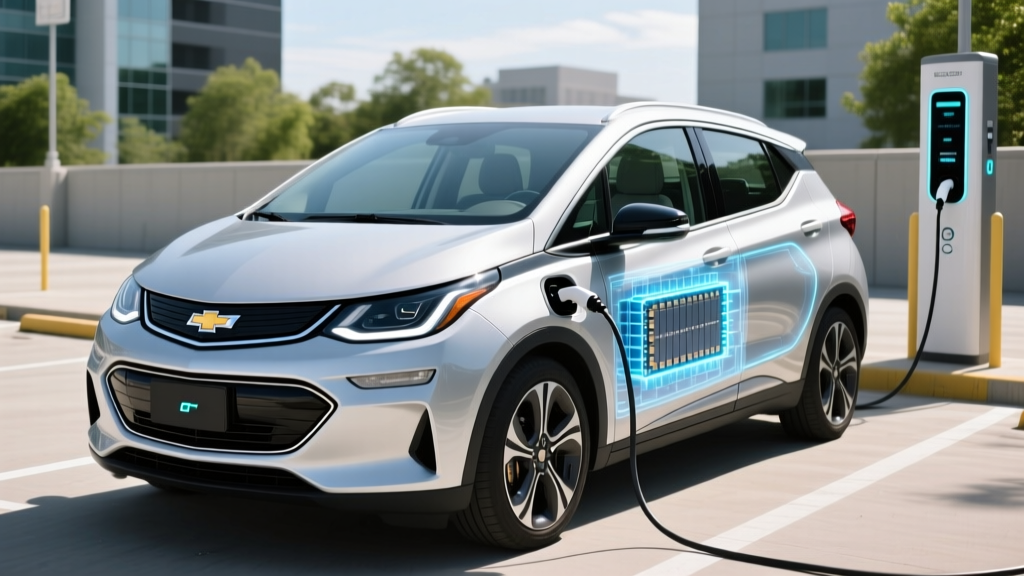
The second-generation Chevy Bolt returns for 2026 on GM's refreshed Ultium-derived platform with a new battery chemistry, faster DC charging, and a slightly longer wheelbase. For buyers who've searched for chevy bolt length and cargo dimensions to see if this subcompact EV fits their garage and their life, the answer is yes — with some caveats around road-trip charging and rear-seat space. Starting around $26,995 before incentives, the Bolt remains one of the cheapest new EVs in America, and it now charges fast enough to make highway travel viable.
| Spec | Value |
|---|---|
| EPA Range | 255 miles (est.) |
| Battery (usable) | ~65 kWh, LFP chemistry |
| Peak DC Fast Charge | 115 kW (CCS/NACS adapter) |
| 10–80% DC Charge Time | ~30 minutes |
| Level 2 Home Charge Rate | 11.5 kW (~37 mi/hr) |
| Motor Output | 200 hp / 236 lb-ft torque |
| 0–60 mph | ~6.5 seconds |
| Drivetrain | FWD (single motor) |
| EPA Efficiency | 118 MPGe combined (28 kWh/100 mi) |
| Overall Length | 163.2 inches |
| Wheelbase | 103.1 inches |
| Cargo Volume (rear seats up) | 18.4 cu ft |
| Cargo Volume (rear seats folded) | 57.2 cu ft |
| Base MSRP (2LT) | $26,995 |
| Battery Warranty | 8 years / 100,000 miles |
Dimensions: Chevy Bolt Length, Width, and Interior Space
The question many urban buyers ask — what is the chevy bolt length? — matters for garage fitment, tight parking, and car-share fleet use. At 163.2 inches overall, the 2026 Bolt is roughly 6 inches shorter than a Hyundai Kona Electric and nearly a foot shorter than a Tesla Model Y. That sub-14-foot footprint makes it one of the easiest EVs to park in a city, while the 103.1-inch wheelbase (up ~0.6 inches from the prior generation) improves rear legroom and ride stability.
Passenger Room by the Numbers
- Front legroom: 42.1 inches
- Rear legroom: 35.7 inches
- Front headroom: 39.7 inches
- Rear headroom: 37.5 inches
- Seating capacity: 5 passengers
Rear-seat space is adequate for adults on short trips but tighter than a Kona Electric or Nissan LEAF. Two rear-facing child seats fit, but a third across the bench is a squeeze. Cargo behind the rear seats is 18.4 cu ft — enough for a week's groceries or two carry-on bags — and folding the 60/40 split rear bench opens up 57.2 cu ft, competitive with many compact crossovers.
Range and Efficiency: EPA Sticker vs. Real-World Driving
EPA Estimated Range: 255 miles
Real-World Expectation: ~220–240 miles in mixed highway/city driving at 70 mph; ~180–200 miles in sub-freezing winter conditions with cabin heat; up to 260+ miles in mild-weather city commuting with regen braking.
GM's switch to lithium iron phosphate (LFP) battery chemistry for the 2026 Bolt trades a small amount of energy density for dramatically better cycle life and thermal stability. The ~65 kWh usable pack delivers 255 miles on the EPA cycle, which is competitive for the segment. Efficiency lands at an estimated 118 MPGe combined (roughly 28 kWh per 100 miles), according to fueleconomy.gov data patterns for this vehicle class.
On a 200-mile highway loop at 70–75 mph in 65°F weather, expect to use about 85–90% of the battery — meaning real highway range hovers around 225–235 miles. In winter (20–30°F), LFP chemistry loses roughly 25–30% of range when the cabin heater runs hard, dropping effective range to ~180–200 miles. Preconditioning the battery while plugged in helps, but the Bolt lacks a heat pump, which is a notable omission versus rivals like the Hyundai Kona Electric.
Charging Speed: DC Fast Charging and Home Level 2
The original Bolt's biggest weakness was its ~50 kW DC fast-charge cap. The 2026 model fixes that with a 115 kW peak DC charge rate, enabled by the new LFP pack's improved C-rate tolerance. Here's what that looks like across charging levels:
| Level | Power | Speed (mi/hr added) | Notes |
|---|---|---|---|
| Level 1 (120V) | ~1.4 kW | ~4–5 mi/hr | Standard outlet; overnight top-up only |
| Level 2 (240V) | 11.5 kW | ~37 mi/hr | Full charge in ~6 hours; requires 48A circuit |
| DC Fast Charge | 115 kW peak | ~230 mi/hr (peak) | 10–80% in ~30 min; tapers above 80% |
The 10–80% time of roughly 30 minutes is a massive improvement over the prior Bolt's 50+ minute sessions, though it still trails the Hyundai Kona Electric (~18 min at 175 kW) and the Tesla Model 3 (~15 min at 250 kW). The charge curve is relatively flat from 10–60% SoC, then tapers steadily from 70% onward — a characteristic of LFP chemistry that rewards charging to 80% and driving rather than topping off at every stop.
For home charging, the 11.5 kW onboard charger is excellent. A 48-amp Level 2 wall connector on a 60-amp breaker will fully replenish the pack in about 6 hours. Installation costs typically run $800–$2,000 depending on panel proximity and whether a 240V circuit already exists (consult a licensed electrician for final specs).
The 2026 Bolt ships with a NACS charge port adapter for Tesla Supercharger access, joining GM's broader migration to the North American Charging Standard. CCS compatibility is retained via adapter for Electrify America and other networks.
Performance and Driving Impressions
A single front-mounted permanent-magnet motor produces 200 horsepower and 236 lb-ft of torque, sending power to the front wheels. The 0–60 mph sprint takes approximately 6.5 seconds — quick for a subcompact and perfectly adequate for highway merging. Instant torque from standstill makes the Bolt feel even quicker around town than the numbers suggest.
Ride quality benefits from the slightly longer wheelbase and revised suspension tuning. The low center of gravity (battery pack under the floor) keeps body roll modest in corners, and the steering is light but accurate — ideal for urban driving. Regenerative braking offers multiple levels via steering-wheel paddles, including a true one-pedal driving mode that brings the car to a complete stop without touching the brake pedal.
What the Bolt does not offer: all-wheel drive, towing capability, or sport-sedan acceleration. This is a front-drive commuter, and it's excellent at that role.
Pricing, Trims, and Federal Tax Credit Eligibility
The 2026 Bolt is offered in two trims:
| Trim | Base MSRP | Est. After §30D Credit* | Key Features |
|---|---|---|---|
| 2LT | $26,995 | ~$19,495 | 17" wheels, 11" touchscreen, heated seats, Super Cruise prep |
| RS | $29,595 | ~$22,095 | Black accents, sport seats, Bose audio, 19" wheels |
*Federal tax credit estimates assume full §30D eligibility. Actual credit depends on buyer income, battery sourcing, and MSRP caps. See IRS rules below.
Does the 2026 Bolt Qualify for the Federal EV Tax Credit?
The Bolt is positioned to qualify for up to $7,500 under IRS §30D, but eligibility depends on several moving targets. According to IRS clean vehicle credit guidance, the key requirements are:
- MSRP cap: The Bolt (under $30K) clears the $55,000 sedan / $80,000 SUV cap easily.
- Buyer income cap: AGI must not exceed $150,000 (single) / $300,000 (joint) / $225,000 (head of household).
- Battery sourcing: Critical minerals and battery components must meet phased-in domestic/free-trade-agreement sourcing thresholds. GM has been working to secure compliant LFP supply chains, but buyers should verify current-year compliance on the fueleconomy.gov credit lookup tool before purchasing.
- Point-of-sale transfer: Eligible buyers can transfer the credit to the dealer at purchase, reducing the out-of-pocket price immediately rather than waiting for a tax refund.
Always confirm eligibility with a tax professional and the IRS's official credit tool before signing a purchase agreement. Rules can shift with new guidance or supply-chain changes.
Tech, Safety, and Driver Assistance
The cabin centers on an 11-inch touchscreen running GM's latest Ultifi infotainment software with wireless Apple CarPlay and Android Auto. A digital 8-inch driver display replaces the prior analog cluster. Available features include:
- Adaptive cruise control with stop-and-go
- Lane-keep assist with lane-centering
- Automatic emergency braking with pedestrian detection
- Surround-view camera
- Super Cruise hands-free driving prep (subscription-based activation on compatible highways)
SAE Automation Level: Super Cruise is a Level 2 driver-assistance system. The driver must remain attentive and ready to take over at all times. This is not self-driving. Only Level 4 services like Waymo operate without a human driver engaged.
Safety ratings from NHTSA and IIHS are pending for the redesigned model, but the prior Bolt earned a 5-star overall NHTSA rating, and GM's standard active-safety suite is comprehensive for the price point.
Pros and Cons
Pros
- Under $27K base price; potentially under $20K after tax credit
- Compact 163.2-inch length ideal for city parking and small garages
- LFP battery offers excellent cycle life and 8-year/100K-mile warranty
- 115 kW DC charging is a huge leap over the prior generation
- Strong efficiency at ~118 MPGe combined
- Spacious cargo area (57.2 cu ft) for the footprint
Cons
- No heat pump — cold-weather range loss is significant (~25–30%)
- Rear legroom is tight for tall adults on long trips
- DC charge speed still trails Kona Electric and Tesla Model 3
- FWD only — no AWD option for snow-belt buyers
- No towing capacity
- Super Cruise requires subscription and is not available on all trims
Who Should Buy the 2026 Chevy Bolt?
Choose the Bolt if: You want the most affordable new EV with respectable range, you commute under 80 miles round-trip, you live in a mild-to-moderate climate, and you need a compact car that parks anywhere but still hauls cargo on weekends.
Look elsewhere if: You regularly road-trip 300+ miles (the Kona Electric or Model 3 charge faster), you need AWD for heavy snow (consider the Hyundai Ioniq 5 or Subaru Solterra), you need three-across rear seating, or you tow anything.
Frequently Asked Questions
What is the real-world range of the 2026 Chevy Bolt?
Expect about 220–240 miles in mixed highway driving at moderate temperatures, and 180–200 miles in freezing winter conditions. The EPA sticker reads 255 miles, but highway speeds and cold weather reduce that figure. City driving with regenerative braking can actually exceed the EPA estimate.
How fast does the 2026 Bolt charge at home and on the road?
At home on a 240V Level 2 charger (11.5 kW), the Bolt adds about 37 miles of range per hour and fully charges in roughly 6 hours. On a DC fast charger, it peaks at 115 kW and charges from 10–80% in approximately 30 minutes. It ships with a NACS adapter for Tesla Supercharger access.
How much does the 2026 Chevy Bolt cost after tax credits?
The 2LT starts at $26,995. If you qualify for the full $7,500 federal §30D credit (income, sourcing, and MSRP requirements met), the effective price drops to approximately $19,495. State and utility incentives may reduce the cost further. Always verify eligibility on fueleconomy.gov and with a tax professional.
Is the 2026 Bolt worth buying vs. the Hyundai Kona Electric or Tesla Model 3?
If budget is the top priority and your driving is mostly local, the Bolt wins on price — it's $7,000–$10,000 cheaper than either rival. The Kona Electric charges faster (175 kW) and offers a heat pump. The Model 3 has far more range (340+ mi), AWD options, and the fastest charging in the segment. For pure value commuting, the Bolt is hard to beat; for road trips, the others are better.
What is the Chevy Bolt length and will it fit in a small garage?
The 2026 Chevy Bolt is 163.2 inches long (about 13.6 feet), making it one of the shortest EVs on the market. It fits easily in standard single-car garages, tight parking structures, and compact urban driveways. The 103.1-inch wheelbase also gives it a tight turning radius for U-turns and parallel parking.
What battery warranty does the 2026 Bolt carry?
GM covers the Bolt's battery and electric powertrain for 8 years or 100,000 miles (whichever comes first), with a capacity retention threshold typically around 60–70% of original capacity. LFP chemistry is known for exceptional longevity — many LFP packs retain 90%+ capacity after 200,000 miles in laboratory cycle testing.