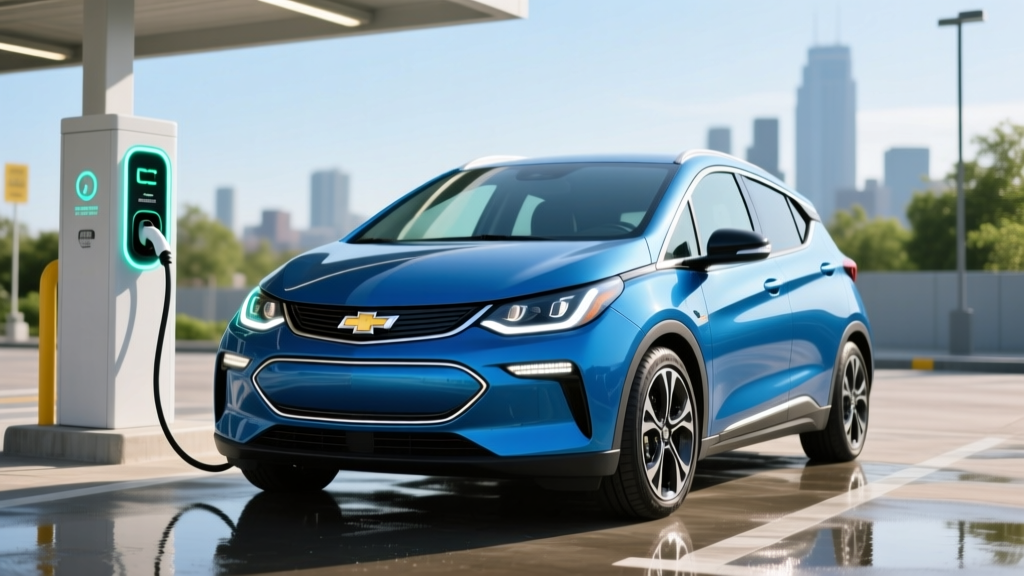
Quick Verdict: The 2026 Chevy Bolt Remains the Value EV Benchmark
The 2026 Chevrolet Bolt EV returns with a thoroughly modernized powertrain, addressing the previous generation's most criticized shortcoming: sluggish DC fast charging. Under the hood, the Bolt retains its front-wheel-drive layout and 200 horsepower electric motor, but pairs it with a new Ultium-based LFP battery pack that charges at up to 150 kW on DC fast chargers — a massive leap from the outgoing model's 55 kW ceiling. Starting at an estimated $28,900 before destination, the Bolt continues to undercut nearly every competitor on price while delivering competitive range and everyday usability.
For buyers searching specifically for Chevy Bolt horsepower figures, the 200 hp / 266 lb-ft torque output hasn't changed, but the delivery feels noticeably more responsive thanks to revised inverter tuning and the lighter LFP pack. This isn't a performance EV — it's a practical commuter that happens to be genuinely quick off the line at 0-60 mph in approximately 6.5 seconds.
| Spec | Value |
|---|---|
| EPA Range | 255 miles (1LT), 243 miles (2LT) |
| Battery Capacity | 65 kWh usable (LFP chemistry) |
| Horsepower | 200 hp |
| Torque | 266 lb-ft |
| 0-60 mph | ~6.5 seconds |
| Drivetrain | Front-wheel drive (single motor) |
| DC Fast Charge (peak) | 150 kW |
| 10-80% DC Charge Time | ~28 minutes |
| Level 2 Charge Rate | 11.5 kW (~39 mi/hr) |
| Combined MPGe | 120 MPGe |
| Efficiency | 28 kWh/100 mi |
| Cargo Volume | 57.4 cu ft (rear seats folded) |
| Base MSRP (1LT) | $28,900 |
| Battery Warranty | 8 years / 100,000 miles |
Range & Efficiency: EPA Sticker vs. Real-World Driving
The 2026 Bolt EV achieves an EPA-estimated 255 miles of range in the 1LT trim. That's a slight increase from the final pre-hiatus model year, enabled by the more thermally stable LFP chemistry and revised thermal management system. The 2LT trim, with its standard heat pump and slightly heavier equipment list, drops to 243 miles EPA.
EPA Sticker: 255 miles (1LT)
City/Commuter Driving (65°F): 245-265 miles — LFP packs excel at low-speed regen-heavy routes, often exceeding EPA in stop-and-go traffic.
Highway (75 mph, 70°F): 210-230 miles — the Bolt's upright hatchback shape creates meaningful aero drag above 70 mph. Expect ~12-15% range loss on sustained interstate driving.
Cold Weather (30°F, highway): 165-190 miles — LFP chemistry is more susceptible to cold-weather range loss than NMC. The 2LT's heat pump mitigates this somewhat, but plan for 25-35% reduction in freezing temps.
Combined Real-World Average: ~220-235 miles for mixed driving in moderate climates.
Efficiency lands at 28 kWh per 100 miles combined, or 120 MPGe. That's competitive with the Hyundai Kona Electric (29 kWh/100 mi) and slightly behind the Tesla Model 3 RWD (25 kWh/100 mi). The Bolt's relatively tall ride height and wider frontal area explain the gap.
Chevy Bolt Horsepower & Performance: 200 HP Done Right
The headline number for performance-minded shoppers: the 2026 Chevy Bolt produces 200 horsepower and 266 lb-ft of torque from a single permanent-magnet front motor. That torque figure is available from 0 RPM, which gives the Bolt a punchy, responsive feel in city driving that belies its modest horsepower rating.
The 0-60 mph sprint takes approximately 6.5 seconds — roughly on par with a Honda Civic Si and noticeably quicker than most compact crossovers. Where the Bolt's powertrain shines isn't raw acceleration but the smoothness and immediacy of electric torque delivery. Highway merging is effortless, and the single-speed transmission means zero shift shock.
The front-wheel-drive layout means torque steer is present under hard acceleration, especially on wet pavement. Chevy's traction control software manages this well, but buyers in snow-belt states should note that FWD with winter tires remains the recommended setup — there is no AWD option for the Bolt. The steering is light and numb by enthusiast standards but perfectly suited for parking-lot maneuvering and commuter fatigue reduction.
Regenerative braking offers two modes: standard and one-pedal driving. The one-pedal mode provides aggressive regen that can bring the Bolt to a complete stop without touching the brake pedal, recapturing significant energy in stop-and-go traffic. A steering-wheel paddle lets you modulate regen on the fly without toggling through menus.
Charging Speed: The Bolt's Biggest Upgrade for 2026
The previous-generation Bolt's 55 kW DC fast-charge cap was its single most damaging flaw. The 2026 model fixes this decisively with a peak DC fast-charge rate of 150 kW, enabled by the new Ultium-based LFP battery architecture and improved thermal conditioning.
| Charging Level | Power | Speed (miles added) | Notes |
|---|---|---|---|
| Level 1 (120V household) | 1.4 kW | ~4 miles/hour | Emergency/trickle only; full charge in ~46 hours |
| Level 2 (240V home) | 11.5 kW | ~39 miles/hour | Full charge in ~7 hours; ideal overnight setup |
| DC Fast Charge (peak) | 150 kW | ~180 miles in 30 min | 10-80% in ~28 minutes |
| DC Fast Charge (sustained avg) | ~95 kW | — | Charge curve tapers significantly above 70% SoC |
The 10-80% charge time of approximately 28 minutes is competitive with the Hyundai Kona Electric and Nissan Leaf, though still behind the Tesla Model 3's ~18-minute 10-80% window. The LFP chemistry allows Chevy to recommend regular charging to 100% without the degradation concerns associated with NMC packs — a genuine ownership advantage for drivers who want to maximize daily range without battery anxiety.
On the connector front, the 2026 Bolt ships with a native NACS (North American Charging Standard) port, granting direct access to Tesla's Supercharger network without an adapter. A CCS1 adapter is available for legacy Electrify America and ChargePoint stations still operating CCS connectors.
For home charging, the 11.5 kW onboard charger is a strong spec. Most buyers will install a 48-amp Level 2 wallbox (requiring a 60-amp circuit) to achieve the full 11.5 kW rate. Expect a home installation cost of $800-$2,200 depending on panel proximity and local permit requirements. Always get a licensed electrician's assessment before purchasing equipment.
Pricing, Tax Credits & Total Cost
The 2026 Chevy Bolt EV is offered in two trims:
| Trim | MSRP | Destination | Total Before Credit | Est. After §30D Credit |
|---|---|---|---|---|
| 1LT | $28,900 | $1,395 | $30,295 | ~$22,795* |
| 2LT | $33,400 | $1,395 | $34,795 | ~$27,295* |
*Assumes full $7,500 federal tax credit eligibility. See IRS rules below.
The IRS §30D federal tax credit offers up to $7,500 for qualifying new EV purchases, but eligibility depends on several factors that change periodically:
- MSRP Cap: The Bolt qualifies — the §30D cap for cars (non-SUVs/trucks) is $55,000.
- Buyer Income Cap: Modified AGI must not exceed $150,000 (single), $225,000 (head of household), or $300,000 (joint filers).
- Battery Sourcing: Critical minerals and battery component sourcing requirements apply and are subject to annual tightening. The Bolt's LFP pack sourcing from GM's Ultium Cells joint venture with LG Energy Solution in the US is designed to meet these thresholds, but always verify current-year compliance on the fueleconomy.gov credit lookup tool before purchasing.
- Point-of-Sale Transfer: As of 2024, buyers can transfer the credit to the dealer at purchase, reducing the vehicle price at the point of sale rather than waiting for a tax refund. This applies to the 2026 Bolt.
For the 1LT trim at an effective ~$22,795 after the credit, the Bolt becomes the least expensive new EV on the US market with 250+ miles of range. That price point undercuts the Tesla Model 3 RWD by roughly $15,000 and the Hyundai Kona Electric by approximately $8,000 after equivalent credits.
Interior, Tech & Practicality
The 2026 Bolt's cabin receives a meaningful refresh over the prior generation. A standard 11.3-inch infotainment touchscreen running GM's latest Ultifi-based software dominates the dash, flanked by physical climate knobs — a welcome retention in an era of all-touch interfaces. Wireless Apple CarPlay and Android Auto are standard across both trims.
Passenger space remains generous for the subcompact class: 42.1 inches of front legroom and 35.9 inches in the rear. The rear seat accommodates adults comfortably on shorter trips, though the upright seatback angle and firm cushioning won't win long-distance comfort awards.
Cargo volume measures 22.7 cubic feet behind the rear seats and expands to 57.4 cubic feet with the 60/40 rear seatbacks folded. That's enough for a week's groceries, two carry-on suitcases, or a folding bike — practical for the hatchback segment but noticeably less than the Tesla Model Y's 76 cu ft.
Driver-assistance tech includes Chevy's Super Cruise on the 2LT trim — GM's hands-off, eyes-on Level 2 highway driving system that operates on over 750,000 miles of pre-mapped divided highways in North America. The 1LT includes a more basic Chevy Safety Assist suite with automatic emergency braking, lane-keep assist, and adaptive cruise control. Note: Super Cruise is not autonomous driving — the driver must remain attentive and the system monitors via an infrared camera aimed at the driver's face.
Notable drawbacks: the rear visibility is compromised by thick C-pillars (a backup camera is standard, and the 2LT adds a digital rearview mirror). Rear-seat USB-C ports are limited to two, and there's no frunk (front trunk) — the space is occupied by power electronics. Road noise at highway speeds remains noticeable, and the suspension tuning prioritizes comfort over composure on broken pavement.
How the Bolt Compares to Key Competitors
| Spec | Chevy Bolt EV 1LT | Hyundai Kona Electric SEL | Tesla Model 3 RWD | Nissan Leaf SV Plus |
|---|---|---|---|---|
| EPA Range | 255 mi | 261 mi | 272 mi | 212 mi |
| Horsepower | 200 hp | 201 hp | 271 hp | 214 hp |
| 0-60 mph | 6.5 sec | 7.0 sec | 5.8 sec | 6.9 sec |
| DC Fast Charge (peak) | 150 kW | 100 kW | 250 kW | 100 kW |
| 10-80% Charge | ~28 min | ~43 min | ~18 min | ~45 min |
| Base MSRP | $28,900 | $33,500 | $38,990 | $32,490 |
| Connector | NACS | NACS | NACS (native) | CHAdeMO |
| Battery Chemistry | LFP | NMC | LFP | NMC |
The Bolt's value proposition is clear: it offers 90% of the range and practicality of its more expensive competitors at 65-75% of the price. The trade-offs are a less powerful motor, slower DC charging than the Tesla, and a less refined ride. For pure commuter duty and budget-conscious buyers, none of those trade-offs are likely dealbreakers.
Pros, Cons & Who Should Buy the Bolt
- Lowest MSRP in the 250+ mile EV segment
- LFP battery allows daily 100% charging without degradation concern
- 150 kW DC fast charging is a generational improvement
- Native NACS port = direct Supercharger access
- Generous front-seat room and hatchback cargo versatility
- Strong 8-year/100,000-mile battery warranty
- Point-of-sale tax credit transfer reduces upfront cost
- Front-wheel drive only; no AWD option
- Highway range drops noticeably above 70 mph
- DC charging still slower than Tesla and Hyundai Ioniq platforms
- No frunk for additional storage
- Rear seat comfort is average for the class
- Road noise insulation lags behind premium competitors
- CHAdeMO adapter not available; CCS adapter required for legacy stations
Best for: Budget-conscious commuters, urban and suburban drivers with home charging access, first-time EV buyers who want maximum range per dollar, and households needing a practical second car with low running costs.
Look elsewhere if: You regularly drive 300+ mile highway trips (consider the Model 3 or Ioniq 6), need AWD for snow country, prioritize rapid road-trip charging, or want a premium interior experience.
Frequently Asked Questions
What is the real-world range of the 2026 Chevy Bolt?
Expect 220-235 miles in mixed driving at moderate temperatures. Highway driving at 75 mph drops that to 210-230 miles, and cold weather (below 35°F) can reduce range to 165-190 miles. City commuters using regenerative braking may exceed the 255-mile EPA estimate.
How fast does the Chevy Bolt charge at home and on DC fast chargers?
On a Level 2 home charger (240V, 48A), the Bolt charges at 11.5 kW, adding about 39 miles of range per hour and reaching a full charge in roughly 7 hours. On DC fast chargers, it peaks at 150 kW and charges from 10-80% in approximately 28 minutes.
Does the 2026 Chevy Bolt qualify for the $7,500 federal tax credit?
The Bolt meets the MSRP cap ($55,000 for cars) and is designed to meet battery sourcing requirements through GM's US-based Ultium Cells production. However, buyer income caps apply ($150K single / $300K joint), and sourcing rules tighten annually. Verify current eligibility at fueleconomy.gov and consult a tax professional before relying on the credit.
Is the Chevy Bolt worth buying vs. the Tesla Model 3 or Hyundai Kona Electric?
If your priority is the lowest cost per mile of EV range, the Bolt wins decisively. The Model 3 offers more range, faster charging, and a more powerful motor — but at $10,000+ more. The Kona Electric is slightly more refined with a bit more range but costs $4,600 more and charges slower on DC. For pure commuter value, the Bolt is hard to beat.
How many horsepower does the Chevy Bolt have?
The 2026 Chevy Bolt EV produces 200 horsepower and 266 lb-ft of torque from its front-mounted electric motor. That's sufficient for a 6.5-second 0-60 mph time and confident highway merging.
What is the battery warranty on the Chevy Bolt?
Chevrolet covers the Bolt's battery pack and electric powertrain for 8 years or 100,000 miles (whichever comes first), with a capacity retention threshold of 60%. If the battery degrades below 60% of its original capacity within the warranty period, GM will repair or replace it.
Can I charge the Chevy Bolt at Tesla Superchargers?
Yes. The 2026 Bolt has a native NACS charge port, which means it can plug directly into Tesla Superchargers without any adapter. Use the Tesla app or the in-car navigation to locate and activate Supercharger stalls.