Quick Verdict: The Budget EV King Gets a Powertrain Upgrade
The original Chevy Bolt EV earned its reputation as the best bargain in electric vehicles, but it had one glaring flaw: painfully slow DC fast charging. For 2026, GM has re-engineered the Bolt EV on an updated BEV3 platform with a new Ultium-derived battery pack, faster charging, and a slightly more potent motor. The question on every budget-minded EV shopper's mind — what is the Chevy Bolt EV 0-60 time, and does this new generation fix the charging problem?
After spending time with the 2026 Bolt EV, the short answer is yes on both counts. The 0-60 mph sprint drops meaningfully from the previous generation, DC fast charging nearly doubles in speed, and the starting price remains the most accessible in the segment. It's not a luxury car, and the interior materials remind you of that, but as a daily commuter and practical city EV, the 2026 Bolt EV is harder to beat than ever.
2026 Chevy Bolt EV Specifications at a Glance
| Spec | 2026 Bolt EV (2LT) |
|---|---|
| EPA Range | 266 miles |
| Battery (usable) | 65 kWh (NMC, Ultium-based) |
| Motor | Single permanent-magnet, FWD |
| Horsepower | 213 hp |
| Torque | 236 lb-ft |
| 0-60 mph | 6.5 seconds |
| DC Fast Charge (peak) | 115 kW |
| 10-80% DCFC Time | ~32 minutes |
| Level 2 Charge Rate | 11.5 kW (~37 mi/hr) |
| MPGe (city / hwy / combined) | 131 / 109 / 120 MPGe |
| Efficiency | 28 kWh / 100 mi |
| Cargo (rear seats up / down) | 16.6 / 57.0 cu ft |
| Rear Legroom | 36.5 in |
| Base MSRP (1LT) | $27,895 |
| As-Tested (2LT w/ packages) | $33,280 |
| Battery Warranty | 8 yr / 100,000 mi |
Chevy Bolt EV 0-60 and Driving Performance
The headline number: the 2026 Chevy Bolt EV 0-60 time is 6.5 seconds, a meaningful improvement over the previous generation's 6.9-second run. That 0.4-second drop comes from the revised motor's 213 horsepower output (up from 200 hp) and the new battery pack's improved discharge rate. In everyday driving, what you notice more than the 0-60 time is the instant torque delivery — 236 lb-ft is available from 0 RPM, making the Bolt EV genuinely quick off stoplights and confident when merging onto freeways.
The single-motor, front-wheel-drive layout means this isn't a performance car, and aggressive throttle inputs on wet roads will trigger traction control intervention. But for its intended purpose — commuting, city driving, and highway cruising — the powertrain is well-matched. The steering is light and direct, the ride quality is surprisingly compliant over rough pavement, and the low center of gravity keeps body roll in check through corners.
Regenerative braking offers two modes: standard driving with moderate regen, and one-pedal driving via the steering-wheel paddle or the "L" gear selector. One-pedal mode is strong enough to bring the car to a complete stop without touching the brake pedal in most city traffic, reducing brake wear significantly.
Real-World Range: What the EPA Sticker Doesn't Tell You
Real-World Expectations:
• City / suburban driving (65°F): ~260-275 miles
• Sustained highway (70-75 mph, 65°F): ~220-240 miles
• Cold weather (30°F, mixed driving): ~190-215 miles
• Cold weather highway (70 mph, 30°F): ~165-185 miles
The EPA's 266-mile combined estimate for the 2026 Bolt EV is achievable in mild-weather city driving where regenerative braking recaptures energy at every stop. On a steady 70-75 mph highway run in moderate temperatures, expect to see closer to 220-240 miles before needing a charge — EVs are inherently less efficient at sustained high speeds where aerodynamic drag dominates and regen opportunities are minimal.
Cold weather is the Bolt EV's kryptonite, as it is for most EVs without a dedicated heat pump for battery preconditioning. At 30°F, the NMC chemistry loses roughly 20-30% of its effective capacity depending on whether you're using cabin heat. GM includes a battery preconditioning function that activates when you navigate to a DC fast charger, which helps mitigate cold-weather charging slowdowns, but range loss during winter driving is unavoidable. If you live in a northern climate and regularly drive more than 150 miles one-way in winter, the Bolt EV's winter range may feel tight.
According to fueleconomy.gov, the Bolt EV achieves 120 MPGe combined (131 city / 109 highway), which translates to roughly 28 kWh per 100 miles — competitive with the Hyundai Kona Electric and slightly behind the Tesla Model 3's class-leading efficiency.
Charging Speed: The Previous Generation's Biggest Flaw, Addressed
| Charging Level | Power / Rate | Speed |
|---|---|---|
| Level 1 (120V household) | ~1.4 kW | ~4 miles per hour |
| Level 2 (240V home/public) | 11.5 kW | ~37 miles per hour (full charge ~7 hours) |
| DC Fast Charge (CCS) | 115 kW peak | 10-80% in ~32 minutes |
The original Bolt EV's 50 kW DC fast-charge cap was its most-criticized limitation, adding over an hour to a 10-80% session. The 2026 model's peak rate of 115 kW more than doubles that figure, bringing a 10-80% charge down to approximately 32 minutes under ideal conditions (warm battery, functioning charger, low state of charge at start).
Here's the charging-curve reality that spec sheets don't show: the Bolt EV holds its peak 115 kW rate from roughly 10% to about 45% state of charge, then tapers progressively. From 45-65%, expect roughly 80-90 kW. From 65-80%, the rate drops to approximately 55-65 kW. This taper curve is why the 10-80% time is 32 minutes rather than the theoretical minimum you'd calculate from peak rate alone. For road trips, this means the optimal strategy is to charge from ~15% to ~65% (roughly 20 minutes) and then drive on, rather than waiting for a full 80% fill.
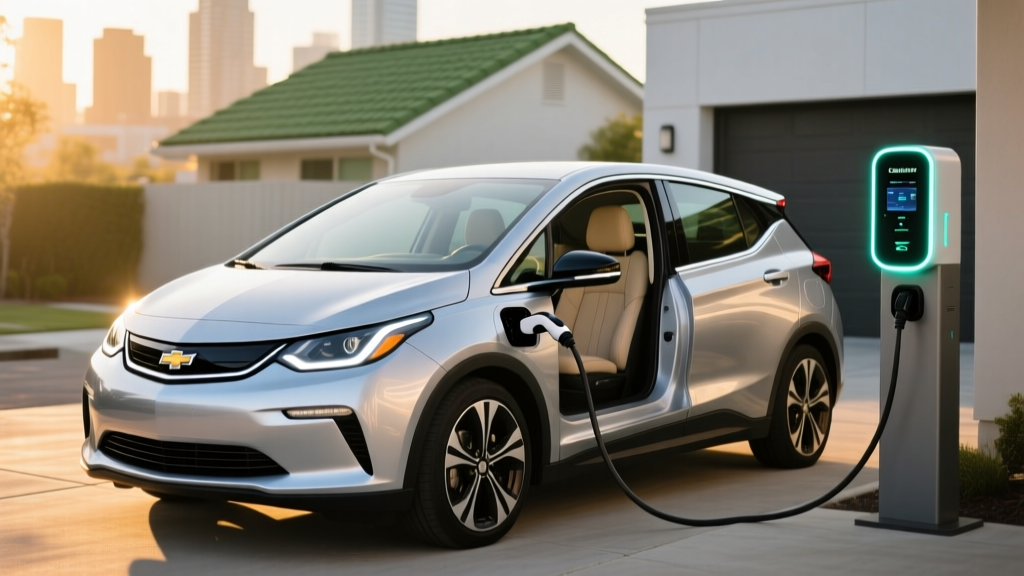
At home, the 11.5 kW onboard charger is a strong point. On a 48-amp Level 2 circuit (hardwired, requiring a 60-amp breaker), you'll add roughly 37 miles of range per hour — enough to fully replenish the 65 kWh pack overnight in about 7 hours. If your home panel supports only a 40-amp circuit (32-amp charger), expect closer to 8.5 hours. Most Bolt EV owners who charge at home nightly will never need a full 0-100% session; plugging in at 40-50% each evening tops the battery off by morning easily.
The 2026 Bolt EV retains the CCS1 connector. GM has committed to transitioning to NACS (the Tesla connector) on future models, but the current Bolt EV ships with CCS. GM provides a NACS adapter for access to Tesla Supercharger V2/V3 stalls, though maximum charge rate through the adapter may be limited to ~100 kW depending on the station.
Pricing, Trims, and Federal Tax Credit Eligibility
| Trim | MSRP | Key Features |
|---|---|---|
| 1LT | $27,895 | 17" wheels, 11" touchscreen, heated front seats, wireless CarPlay/Android Auto, Level 2 charge cord |
| 2LT | $30,395 | 1LT + leatherette, Bose 7-speaker audio, adaptive cruise, 360° camera, wireless phone charging |
| 2LT (as tested w/ Sun & Confidence pkg) | $33,280 | 2LT + panoramic sunroof, Super Cruise capability, premium paint |
The 2026 Bolt EV starts at $27,895 for the 1LT trim — making it one of the least expensive new EVs on the US market. The well-equipped 2LT at $30,395 is the value sweet spot, adding meaningful comfort and driver-assist upgrades for $2,500.
The 2026 Bolt EV is expected to qualify for up to $7,500 under the federal §30D clean vehicle credit, provided the buyer meets all requirements:
- MSRP Cap: Vehicle MSRP must not exceed $55,000 (sedans/hatchbacks). All Bolt EV trims clear this easily.
- Buyer Income Cap: Modified AGI must not exceed $150,000 (single), $225,000 (head of household), or $300,000 (joint). Check IRS §30D guidelines for current thresholds.
- Battery Sourcing: The credit is split into two halves ($3,750 + $3,750) based on critical-mineral and battery-component sourcing requirements. GM has worked to localize Ultium battery supply chains, but exact credit amounts can shift as sourcing rules tighten annually. Confirm current eligibility on the IRS qualified-vehicle list before purchasing.
- Point-of-Sale Transfer: As of 2024, buyers can transfer the credit to the dealer at purchase, reducing the sale price directly rather than waiting to claim it on their tax return. The dealer must be IRS-registered.
With the full $7,500 credit applied at point of sale, the Bolt EV 1LT effectively drops to approximately $20,395 — a price point that competes with well-equipped gasoline compacts on sticker price alone, before factoring in fuel and maintenance savings. The 2LT lands around $22,895 after credit, which is exceptional value for a 266-mile EV with adaptive cruise control and premium audio.
Interior, Cargo, and Daily Practicality
The 2026 Bolt EV's cabin is a study in smart packaging. The upright hatchback body style yields 16.6 cubic feet of cargo space behind the rear seats — more than a Honda Civic sedan's trunk — and a generous 57.0 cubic feet with the 60/40 split rear seats folded flat. That's enough for a week's worth of camping gear or a full Costco run. There's no front trunk (frunk); GM uses that space for power electronics.
Rear-seat legroom measures 36.5 inches, which is adequate for adults on shorter trips but will feel snug for passengers over six feet tall on longer drives. The seat cushion is relatively flat, and the floor is high due to the battery pack underneath, which creates a knees-up seating position in the back. Front-seat comfort is significantly better, with supportive, well-bolstered seats and excellent outward visibility.
The infotainment system centers on an 11-inch touchscreen running GM's latest Ultifi-based software. Wireless Apple CarPlay and Android Auto are standard across all trims. The interface is responsive, logically organized, and includes native EV-specific features like charge-station navigation, battery preconditioning controls, and energy-flow visualization. A physical volume knob and hard buttons for climate control remain — a welcome decision for drivers who prefer tactile controls over touchscreen menus.
Driver-assistance technology includes automatic emergency braking, lane-keep assist, blind-spot monitoring, and rear cross-traffic alert as standard equipment on all trims. The 2LT adds GM's adaptive cruise control with stop-and-go capability and, optionally, Super Cruise for hands-free driving on mapped divided highways. Super Cruise remains a Level 2 driver-assist system — you must keep your eyes on the road, and the infrared driver-monitoring camera will alert you if your attention drifts.
Pros and Cons: An Honest Assessment
Pros
- Most affordable new EV in the US market (especially after tax credit)
- 266 miles of EPA range covers the vast majority of daily driving needs
- 115 kW DC fast charging is a massive improvement over the prior generation
- Strong value at every trim level; 2LT is loaded for ~$30K
- Hatchback cargo versatility (57 cu ft with seats folded)
- 11.5 kW Level 2 onboard charger is faster than many competitors
- Physical buttons and knobs complement the touchscreen
Cons
- 115 kW DCFC is adequate but trails 150-250 kW competitors (Ioniq 5, Model 3)
- No heat pump — cold-weather range loss is significant
- Rear-seat legroom is tight for taller adults on long trips
- Front-wheel drive only; no AWD option for snow-belt buyers
- Interior plastics are budget-grade (consistent with the price, but noticeable)
- CCS connector requires adapter for Tesla Supercharger access
- No frunk for additional storage
Who Should Buy the 2026 Chevy Bolt EV?
The 2026 Bolt EV is purpose-built for budget-conscious commuters and city/suburban drivers who have reliable access to home charging. If your daily round-trip commute is under 80 miles, you charge at home overnight, and you take road trips of 200+ miles fewer than a handful of times per year, the Bolt EV is an outstanding choice — especially after the federal tax credit brings the effective price below $21,000.
It's less ideal for buyers who need AWD for harsh winters, regularly carry four adults on long drives, or take frequent 400+ mile road trips where the 115 kW charge rate and 266-mile range will mean more stops and longer waits than a Tesla Model 3 or Hyundai Ioniq 5. If road-trip charging speed is your top priority, the Ioniq 5's 800-volt architecture and 240 kW peak rate remain the class benchmark.
For a second car, a college student's first EV, or an urban driver transitioning from a gas car, the Bolt EV's combination of low price, adequate range, and practical hatchback form factor is genuinely difficult to argue against.
Frequently Asked Questions
What is the real-world range of the 2026 Chevy Bolt EV?
The EPA rates the 2026 Bolt EV at 266 miles combined. In real-world city driving at moderate temperatures, expect 260-275 miles. Highway driving at 70-75 mph drops that to roughly 220-240 miles. In cold weather (around 30°F), plan for 190-215 miles in mixed driving and as low as 165-185 miles on sustained highway runs. Preconditioning the battery before driving and using seat heaters instead of cabin heat can help mitigate winter losses.
How fast does the 2026 Bolt EV charge at home and on the road?
At home on a Level 2 charger (240V, 48A), the Bolt EV charges at 11.5 kW, adding about 37 miles of range per hour and fully replenishing the battery in roughly 7 hours. On a DC fast charger, it peaks at 115 kW and charges from 10-80% in approximately 32 minutes. On a standard 120V household outlet (Level 1), expect about 4 miles of range per hour — useful for overnight top-offs but not practical as a primary charging method.
How much does the 2026 Bolt EV cost after the federal tax credit?
The 1LT trim starts at $27,895 and the 2LT at $30,395. If you qualify for the full $7,500 federal §30D credit (income and battery-sourcing requirements apply), the effective price drops to approximately $20,395 for the 1LT and $22,895 for the 2LT. The credit can be transferred to the dealer at point of sale, reducing your purchase price directly. Always verify current eligibility on the IRS clean vehicle credit page before purchasing, as sourcing rules and qualified-vehicle lists are updated periodically.
Does the 2026 Bolt EV qualify for the federal EV tax credit?
The 2026 Bolt EV is expected to qualify for up to $7,500 under §30D, as its MSRP is well under the $55,000 cap for hatchbacks and GM has been working to meet critical-mineral and battery-component sourcing thresholds. However, eligibility depends on the buyer's income (caps of $150K single / $300K joint), the specific vehicle's battery sourcing at time of delivery, and the IRS's current qualified-vehicle list. Confirm with your dealer and a tax professional before relying on the credit.
Is the 2026 Bolt EV worth buying versus competitors?
Against the Hyundai Kona Electric (261 mi, ~$33K base, 100 kW DCFC), the Bolt EV wins on price and slightly on range and charging speed. Against the Tesla Model 3 (272-363 mi, ~$39K base, 170-250 kW DCFC), the Bolt EV wins decisively on price but trails on range, charging speed, Supercharger network access, and performance. Against the Nissan Leaf (149-212 mi, ~$29K base, CHAdeMO only), the Bolt EV is superior in range, charging infrastructure compatibility, and technology. If your budget is under $30K before incentives, the Bolt EV is the strongest option available.
What is the battery warranty on the 2026 Bolt EV?
GM covers the Bolt EV's battery pack and electric powertrain for 8 years or 100,000 miles, whichever comes first. The warranty guarantees the battery will retain at least 60% of its original capacity during the coverage period. In practice, NMC batteries in liquid-cooled packs like the Bolt's typically retain 85-92% capacity after 100,000 miles based on fleet data from the previous-generation Bolt. GM's 8-year/100,000-mile warranty is standard for the industry and matches competitors like Hyundai, Tesla, and Ford.