Quick Verdict: The Best-Value EV Under $30,000
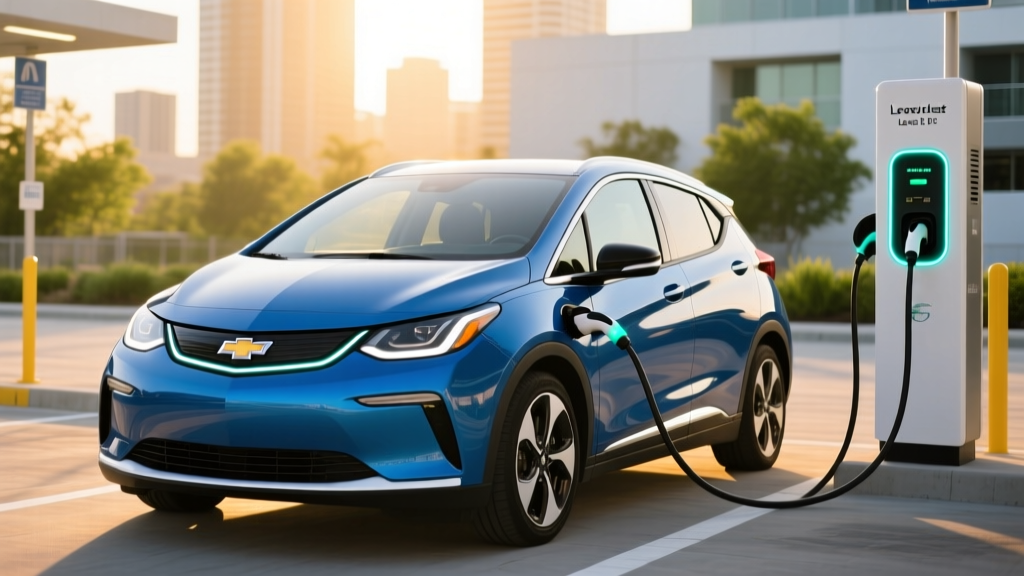
If you're hunting for chevy bolt deals in 2026, the second-generation Chevrolet Bolt EV remains the segment's value benchmark. With an EPA-estimated 259 miles of range, a durable LFP battery, and a starting MSRP near $26,500, the Bolt delivers practical electrification without the premium markup. After the federal §30D tax credit (up to $7,500 for eligible buyers), effective pricing can drop below $20,000 — undercutting every other new EV on the market.
But the Bolt isn't perfect. Its DC fast-charging speed is modest compared to rivals, and rear-seat space is tighter than crossover competitors. This review dissects the real numbers so you can decide if a Bolt deal makes sense for your driving profile.
| Spec | 2026 Chevy Bolt EV (2LT) |
|---|---|
| EPA Range | 259 miles |
| Battery (usable) | ~65 kWh, LFP chemistry |
| Efficiency | 120 MPGe combined / 28 kWh/100 mi |
| Max DC Fast Charge | 85 kW peak |
| 10–80% DC Time | ~35 minutes |
| Level 2 Home Charge | 11.5 kW (up to 39 mi/hr) |
| 0–60 mph | ~6.5 seconds |
| Horsepower / Torque | 213 hp / 236 lb-ft |
| Drivetrain | FWD (single motor) |
| Cargo Volume | 16.3 cu ft (rear seats up) / 57.0 cu ft (folded) |
| Base MSRP | $26,500 (1LT) / $29,400 (2LT) |
| Battery Warranty | 8 years / 100,000 miles |
Range & Efficiency: EPA vs. Real-World Driving
The 2026 Bolt EV carries a 259-mile EPA combined range rating, confirmed by fueleconomy.gov. That figure blends 55% city and 45% highway driving. But EPA stickers rarely match real-world outcomes perfectly, and the Bolt is no exception.
- City / mild weather (60–75°F): 260–275 miles — regenerative braking in stop-and-go traffic pushes efficiency above the EPA estimate.
- Highway (70–80 mph sustained): 215–235 miles — the Bolt's bluff front end and lack of a heat-pump-optimized aero profile cost it at speed.
- Cold weather (20–35°F): 180–210 miles — expect a 20–30% reduction due to cabin heating demand and reduced battery chemistry efficiency. LFP batteries are slightly more cold-sensitive than NMC.
At 28 kWh per 100 miles, the Bolt is efficient for its class, though the Hyundai Kona Electric (27 kWh/100 mi) and Tesla Model 3 (25 kWh/100 mi) edge it out. For daily commuting under 60 miles round-trip, the Bolt's real range is more than adequate, and most owners will charge at home only every 3–4 days.
Charging Speed: Home and DC Fast Charging
Charging remains the Bolt's most debated characteristic. The second-gen model upgraded from the first-gen's sluggish 55 kW DC ceiling to a more respectable 85 kW peak, but that still trails the 150–250 kW rates offered by Hyundai, Kia, and Tesla competitors.
| Charging Level | Power | Miles Added per Hour | Notes |
|---|---|---|---|
| Level 1 (120V outlet) | ~1.4 kW | ~4 miles/hr | Emergency/trickle only |
| Level 2 (240V, home/public) | 11.5 kW (max) | ~39 miles/hr | Full charge in ~6.5 hours |
| DC Fast Charge | 85 kW (peak) | ~240 miles/hr at peak | 10–80% in ~35 min; tapers sharply above 80% |
What this means practically: A 11.5 kW onboard charger is a genuine strength. Plug into a Level 2 home wallbox overnight, and you'll wake up with a full battery every morning — enough for 259 miles. Most Bolt owners do 90%+ of their charging at home, making the DC speed a secondary concern.
For road trips, the 85 kW DC rate means a 10–80% stop takes roughly 35 minutes. That's 10–15 minutes longer than you'd spend at a Tesla Supercharger or Hyundai E-GMP station. The charge curve is fairly flat from 10–60% SoC, then tapers progressively. If you road-trip more than four times a year, this matters. If you primarily commute, it's a minor tradeoff for the lower purchase price.
The 2026 Bolt uses the NACS (Tesla-style) connector, giving it native access to Tesla Supercharger stations — a significant network advantage over CCS-equipped rivals still relying on adapters.
Performance & Driving Impressions
The front-mounted permanent-magnet motor produces 213 horsepower and 236 lb-ft of torque, routing power to the front wheels. The 0–60 mph sprint clocks in at approximately 6.5 seconds — quick enough for confident highway merging and genuinely fun in city driving where instant torque shines.
Ride quality is compliant but not plush. The Bolt's short 102.4-inch wheelbase and 3,300-lb curb weight make it maneuverable in parking lots, though you'll feel sharper impacts over broken pavement. Noise insulation improved markedly over the first generation, with less tire drone at highway speeds.
Regen and one-pedal driving: The Bolt offers two regen levels plus a "One Pedal Driving" mode that brings the car to a full stop using regenerative braking alone. It's intuitive and reduces brake-pad wear substantially. Drivers new to EVs typically adapt within a day.
Interior, Cargo & Technology
The cabin is a study in value-driven design. Materials are hard-plastic-heavy but well-assembled, and the layout is logical. Front-seat comfort is solid for long drives; the rear seat fits adults under 6'0" comfortably but gets tight for taller passengers on extended trips (rear legroom measures 36.0 inches).
Cargo: 16.3 cubic feet behind the rear seats expands to 57.0 cu ft with the 60/40 split folded — competitive with the Kona Electric (25.8/63.7) and adequate for grocery runs, luggage for two, or a medium dog crate.
Infotainment: A standard 11-inch diagonal touchscreen runs Chevrolet's latest infotainment system with wireless Apple CarPlay and Android Auto. Response times are quick, and the native navigation includes real-time charger routing with preconditioning prompts.
Driver assistance (SAE Level 2): Chevy Safety Assist comes standard and includes automatic emergency braking, forward collision alert, lane keep assist, following distance indicator, and adaptive cruise control on 2LT trims. This is a hands-on, eyes-on driver-assist system — not autonomous driving. Super Cruise (GM's hands-free highway system) is not available on the Bolt platform.
Pricing, Trims & Federal Tax Credit Eligibility
The 2026 Bolt EV is offered in two trims:
| Trim | MSRP | Est. After §30D Credit* | Key Additions |
|---|---|---|---|
| 1LT | $26,500 | ~$19,000 | Base feature set, 11" screen, Chevy Safety Assist |
| 2LT | $29,400 | ~$21,900 | Adaptive cruise, heated seats/steering, Bose audio, 360° camera |
*Estimated effective price assumes full $7,500 federal credit eligibility. Actual savings depend on individual tax situation and point-of-sale transfer rules.
Does the Chevy Bolt Qualify for the Federal EV Tax Credit?
The 2026 Bolt EV is expected to qualify for the full $7,500 §30D federal tax credit for eligible buyers, thanks to GM's North American battery cell sourcing (Ultium Cells plants in Ohio and Tennessee) and final assembly in Orion Township, Michigan. However, eligibility is not universal. Per IRS guidelines, you must meet all of the following:
- Income caps: Modified AGI ≤ $150,000 (single), $225,000 (head of household), $300,000 (joint)
- MSRP cap: Vehicle base MSRP must not exceed $55,000 (the Bolt clears this easily)
- Battery sourcing: Required percentages of critical minerals and battery components must be sourced from the U.S. or FTA partners (GM meets current thresholds)
- Point-of-sale transfer: You may elect to transfer the credit to the dealer at purchase, reducing the purchase price directly — or claim it on your tax return
Always confirm eligibility with a tax professional and check the latest fueleconomy.gov tax credit database before purchasing, as sourcing rules tighten annually.
Warranty & Battery Longevity
Chevrolet backs the Bolt EV with a competitive warranty package:
- Battery & powertrain: 8 years / 100,000 miles (capacity retention guaranteed above 60% during the warranty period)
- Bumper-to-bumper: 3 years / 36,000 miles
- Corrosion: 6 years / 100,000 miles
The Bolt's LFP (lithium iron phosphate) battery chemistry is a major longevity advantage. LFP cells tolerate repeated full charges (100% SoC daily) without the degradation concerns associated with NMC chemistries. They also offer a longer cycle life — typically 3,000+ full cycles before reaching 80% capacity, compared to ~1,500–2,000 for NMC. For a 259-mile-range vehicle, that translates to well over 500,000 miles of theoretical cycle life before meaningful degradation.
The tradeoff: LFP has lower energy density than NMC (hence the Bolt's slightly heavier pack for its range) and is more sensitive to cold-weather range loss. But for buyers planning to keep the vehicle 8+ years, LFP's durability is a compelling offset.
Who Should Buy the 2026 Chevy Bolt?
- You primarily commute under 80 miles round-trip and charge at home
- You want the lowest-cost new EV on the market after tax credits
- You value long-term battery durability (LFP chemistry)
- You need NACS Supercharger access without an adapter
- You road-trip frequently and need 150+ kW DC fast charging
- You need AWD for snow-belt winters (consider the Equinox EV or Ioniq 5)
- You regularly carry four adults on long drives (rear space is tight)
- You need towing capability (the Bolt is not rated for towing)
Pros & Cons at a Glance
- Lowest effective price of any new EV after §30D credit
- 259-mile EPA range is ample for commuting
- LFP battery: charge to 100% daily, superior cycle life
- NACS connector — native Supercharger access
- 11.5 kW Level 2 charging is best-in-class for overnight home use
- Strong standard safety tech suite
- 85 kW DC fast charging is slow vs. rivals (Hyundai, Tesla, Kia)
- FWD only — no AWD option
- Rear-seat legroom is tight for taller passengers
- Interior materials feel budget-tier vs. $35K+ EVs
- Notable cold-weather range loss (~25%) with LFP chemistry
- No Super Cruise availability
Frequently Asked Questions
What is the real-world range of the 2026 Chevy Bolt?
Expect 260–275 miles in city driving during mild weather, 215–235 miles on the highway, and 180–210 miles in cold conditions below freezing. The 259-mile EPA rating is a blended estimate; your actual mileage depends heavily on speed, temperature, and terrain.
How fast does the Bolt charge at home and on DC fast chargers?
On a Level 2 home charger (240V), the Bolt accepts up to 11.5 kW, adding roughly 39 miles per hour — a full charge takes about 6.5 hours. On DC fast chargers, it peaks at 85 kW, reaching 10–80% in approximately 35 minutes. That's slower than the Hyundai Kona Electric (100 kW) or Tesla Model 3 (170 kW) but adequate for most commuters who charge overnight.
How much does the Chevy Bolt cost after the federal tax credit?
The 1LT starts at $26,500 MSRP and the 2LT at $29,400. Eligible buyers can apply the $7,500 §30D credit as a point-of-sale reduction, bringing effective pricing to roughly $19,000 and $21,900 respectively. Income limits and battery-sourcing rules apply — verify with your tax professional.
Is the Chevy Bolt worth buying vs. the Hyundai Kona Electric or Tesla Model 3?
If budget is the priority, yes — the Bolt undercuts both by $8,000–$12,000 after credits. The Kona Electric offers more cargo space and slightly faster DC charging (100 kW). The Model 3 delivers far superior range (341 mi), faster charging (170 kW), and a more premium interior — but starts $15,000+ higher. For pure value commuting, the Bolt wins on cost-per-mile of range.
Can I charge the Bolt at Tesla Superchargers?
Yes. The 2026 Bolt EV comes equipped with a native NACS charge port, meaning it plugs directly into Tesla Superchargers without an adapter. Use the Chevrolet or Tesla app to initiate sessions.
How long will the Bolt's LFP battery last?
LFP chemistry is rated for 3,000+ full charge cycles before reaching 80% capacity. At 259 miles per cycle, that's over 750,000 theoretical miles — far beyond the vehicle's structural lifespan. Chevrolet warranties the battery for 8 years/100,000 miles with guaranteed capacity above 60%. Real-world degradation for daily-charged LFP packs is typically 1–2% per year.