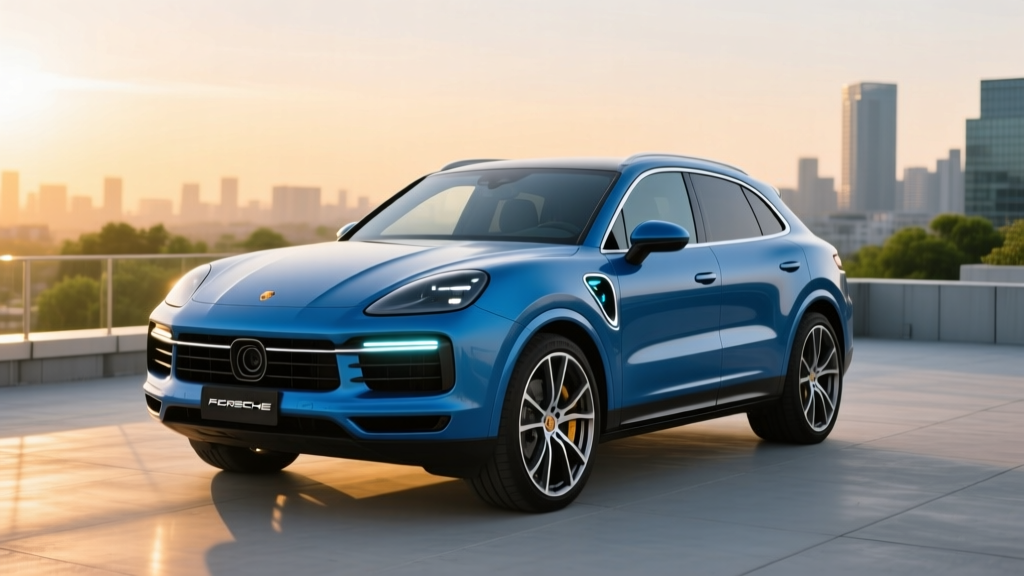
The short answer: The 2026 Porsche Cayenne Electric is an upcoming all-electric luxury SUV built on Porsche's new PPE (Premium Platform Electric) architecture shared with the Macan EV. Based on Porsche's published preliminary specifications and the platform's proven performance in the Macan Electric, expect an EPA-estimated range of roughly 280–310 miles, a usable battery around 95–100 kWh (NMC chemistry), peak DC fast charging near 270 kW (10–80% in approximately 21 minutes), and a starting MSRP in the $89,000–$95,000 range before options. It will not qualify for the federal §30D new EV tax credit due to its price exceeding the $80,000 SUV cap and likely battery-sourcing requirements. Deliveries to the U.S. are expected in late 2025 as a 2026 model year vehicle, with full availability ramping through early 2026.
What the 2026 Cayenne Electric Actually Is
The Cayenne Electric represents Porsche's full-size luxury SUV transitioning to battery power, slotting above the smaller Macan Electric in the lineup. It rides on the Volkswagen Group's PPE platform co-developed with Audi, which underpins the Audi Q6 e-tron and Porsche Macan Electric. This is not an adaptation of the existing gas Cayenne — it is a ground-up electric vehicle with an 800-volt electrical architecture, enabling the fast charging speeds Porsche has prioritized across its EV lineup.
Porsche has confirmed the Cayenne Electric will offer rear-axle steering, adaptive air suspension, and a two-speed transmission on the rear axle (a setup first used in the Taycan for improved efficiency at highway speeds and stronger launch acceleration). The design language follows the Macan Electric's silhouette but scaled to the Cayenne's larger proportions, with a more upright roofline and greater cargo volume.
| Specification | 2026 Cayenne Electric (Estimated) | 2025 Cayenne Gas (Base) |
|---|---|---|
| Powertrain | Dual-motor AWD (BEV) | 3.0L Turbo V6 |
| Horsepower | ~402–550 hp (varies by trim) | 348 hp |
| 0–60 mph | ~3.7–5.1 seconds | 5.7 seconds |
| Battery (usable) | ~95–100 kWh (NMC) | N/A |
| EPA Range (est.) | ~280–310 miles | ~430 miles (17.2 gal tank) |
| Peak DC Charge Rate | ~270 kW | N/A |
| 10–80% DC Charge | ~21 minutes | N/A |
| Level 2 Charge Rate | 11 kW (est.) | N/A |
| Starting MSRP (est.) | $89,000–$95,000 | $81,650 |
Sources: Porsche Cayenne specifications, EPA fueleconomy.gov. Electric specs are preliminary estimates based on PPE platform data and Porsche announcements.
Range Reality: EPA Sticker vs. What You'll Actually Get
Porsche's PPE platform vehicles have demonstrated strong efficiency in European WLTP testing, but U.S. EPA estimates are typically 10–15% lower than WLTP figures. The Macan Electric (which shares this platform) achieves an EPA-estimated 288–308 miles depending on trim and wheel size. The Cayenne Electric, being heavier and larger, will likely land in the 280–310 mile EPA range depending on whether you choose the base, S, or Turbo variant.
EPA Estimated: ~280–310 miles
Real-world expectations:
- Highway driving (70–80 mph): Expect 240–270 miles. Aerodynamic drag at sustained speed reduces efficiency roughly 12–15% below combined EPA.
- Cold weather (below 32°F): Plan for 200–240 miles. Battery heating demands and cabin climate use can cut range 20–30%. The Cayenne Electric is expected to include a heat pump (standard on PPE vehicles), which mitigates some of this loss.
- Mixed suburban/commute driving: 270–300 miles is realistic with moderate regen use and temperate conditions.
- Towing: If rated for towing (expected ~4,400 lbs), cut range estimates by 35–50% when pulling a loaded trailer.
The two-speed rear transmission is a meaningful differentiator. Most EVs use a single-speed reduction gear, which forces a compromise between low-end acceleration and high-speed efficiency. Porsche's two-speed unit shifts to a taller gear at highway speeds, reducing motor RPM and improving efficiency on long trips — a factor that should help the Cayenne Electric hold range better at 75+ mph than competitors without this feature.
Charging: 800-Volt Architecture Means Real Speed
The Cayenne Electric's 800-volt system is the same architecture used in the Taycan and Macan Electric, and it remains one of the fastest-charging setups available in production vehicles. Here is what to expect across charging levels:
| Charging Level | Power | Connector | Miles Added Per Hour | Notes |
|---|---|---|---|---|
| Level 1 (120V) | ~1.4 kW | J1772 (NACS adapter included) | ~4–5 mi/hr | Emergency/trickle only |
| Level 2 (240V) | 11 kW (est.) | J1772 / NACS | ~30–35 mi/hr | Full charge in ~9–10 hours |
| DC Fast (peak) | ~270 kW | CCS / NACS | ~650+ mi/hr (peak) | 10–80% in ~21 minutes |
Charging curve reality: The 270 kW peak rate applies only in optimal conditions — battery preconditioned to approximately 70–95°F and state of charge below 40%. The curve tapers significantly above 80%. Expect 10–80% in roughly 21 minutes, but 80–100% may take an additional 25–30 minutes. This is typical of NMC chemistry; if you need a full charge, plan accordingly. For daily driving, charging to 80% at home on Level 2 is ideal for battery longevity.
For 2026 model year vehicles, Porsche has been transitioning to the NACS (Tesla-style) connector as standard, following the industry-wide shift. Access to Tesla Superchargers (now open to non-Tesla EVs via adapter or native NACS port) adds roughly 17,000+ additional fast-charging stalls nationally. Porsche owners also retain access to Electrify America's network, which supports the full 800V charge rate.
Cost of Ownership: Cayenne Electric vs. Gas Cayenne
The purchase price gap between the Cayenne Electric and its gasoline counterpart is real, but operating costs shift the equation over time. Here is a five-year cost comparison assuming 12,000 miles per year, home Level 2 charging at $0.14/kWh national average, and premium gasoline at $4.20/gallon:
| Cost Category (5 Years) | Cayenne Electric (Est.) | Cayenne Gas (Base V6) |
|---|---|---|
| Purchase Price (base MSRP) | $92,000 | $81,650 |
| Federal Tax Credit (§30D) | $0 (exceeds $80K SUV cap) | $0 |
| Fuel/Energy (60,000 mi) | $3,360 (electric) | $10,800 (premium gas) |
| Maintenance | $1,800 (est.) | $4,500 (est.) |
| Insurance (avg.) | $14,400 ($240/mo est.) | $11,400 ($190/mo est.) |
| Estimated Depreciation | $41,400 (45%) | $32,660 (40%) |
| Total 5-Year Cost | $152,960 | $141,010 |
Fuel costs based on fueleconomy.gov data for the gas Cayenne. Electric costs at 3.0 mi/kWh efficiency. Depreciation estimates based on historical Porsche EV retention data. Insurance varies significantly by driver profile and state.
The takeaway: Over five years, the Cayenne Electric costs roughly $12,000 more in total ownership, driven primarily by the higher purchase price and steeper depreciation typical of luxury EVs. The $7,440 fuel savings and $2,700 maintenance savings narrow the gap but don't eliminate it. If you plan to keep the vehicle beyond seven years, the operating cost advantage grows — especially as gas prices fluctuate upward and electricity rates remain more stable.
For buyers in states with additional EV incentives (California, Colorado, Massachusetts, and others offer $1,000–$4,000 rebates), the gap narrows further. Check your state incentive database for current programs.
Home Charging: What You Need Before Delivery Day
The Cayenne Electric's 11 kW onboard charger means you can add roughly 30–35 miles of range per hour on a 240V Level 2 home circuit. An overnight charge (8–10 hours) will replenish the full battery. But installation requirements are not trivial:
| Item | Estimated Cost | Notes |
|---|---|---|
| Level 2 Charger (48A) | $400–$700 | Porsche Mobile Charger Connect or aftermarket (ChargePoint, Wallbox) |
| Electrical Panel Assessment | $100–$200 | Electrician evaluates panel capacity for a 60A circuit |
| Wiring & Conduit (50 ft run) | $600–$1,500 | Varies heavily by garage distance from panel |
| Electrician Labor | $500–$1,200 | 2–4 hours typical install |
| Permit & Inspection | $100–$300 | Required in most jurisdictions |
| Panel Upgrade (if needed) | $1,500–$3,500 | Older homes with 100A service may need 200A upgrade |
| Total Install (no panel upgrade) | $1,700–$3,900 | |
| Total Install (with panel upgrade) | $3,200–$7,400 |
Always get quotes from a licensed electrician. Costs vary significantly by region and home layout. Federal residential energy credits may cover 30% of charger hardware and installation costs up to $1,000.
If you live in a condo or apartment without dedicated garage parking, your charging equation changes entirely. Relying on public DC fast charging exclusively is feasible but adds time and cost — expect to pay $0.30–$0.50/kWh at public chargers versus $0.14/kWh at home, roughly doubling your fuel costs and adding 20–30 minutes of charging time 2–3 times per week.
Federal Tax Credit and Incentive Reality
2026 §30D Federal EV Tax Credit — Does the Cayenne Electric Qualify?
- MSRP Cap: SUVs must be under $80,000. The Cayenne Electric will start above $89,000. Does not qualify.
- Buyer Income Cap: $150K single / $300K joint modified AGI. (Moot due to price cap.)
- Battery Sourcing: Critical minerals and battery components must meet escalating domestic/free-trade-agreement percentages. Even if the price qualified, Porsche's supply chain may not meet 2026 thresholds.
- Point-of-Sale Transfer: Available for qualifying vehicles, allowing the credit to reduce the purchase price at the dealer rather than waiting for a tax refund.
Full rules at IRS.gov clean vehicle credits. Consult a tax professional for your specific situation.
The absence of the federal credit is a genuine cost disadvantage versus competitors like the BMW iX (starting ~$87,200, which also exceeds the cap) and puts the Cayenne Electric in the same position as most luxury EVs above the threshold. Some buyers may find partial relief through state-level incentives, but plan your budget assuming no federal credit.
Decision Framework: Is the Cayenne Electric Right for You?
Choose the Cayenne Electric if:
- You have reliable home Level 2 charging (garage or dedicated driveway outlet)
- Your daily driving is under 150 miles round-trip, with occasional 250–300 mile road trips
- You value instant torque, low center of gravity, and near-silent highway cruising
- You want access to both Electrify America and Tesla Supercharger networks
- You plan to own the vehicle 5+ years and want lower ongoing maintenance
- You live in a region with moderate winters or have garage parking to mitigate cold-weather range loss
Stick with the gas Cayenne (or consider a PHEV alternative) if:
- You regularly drive 350+ miles between stops and don't want to plan around charging
- You live in an apartment/condo without charging access and your area has limited public DC infrastructure
- You frequently tow heavy loads (trailers, boats) where EV range drops 35–50%
- You want to keep total 5-year costs lower and the $12K ownership premium matters
- You live in extreme cold climates (regular sub-zero temperatures) where range loss is severe
Consider the Cayenne E-Hybrid (PHEV) as a middle ground if:
- You want electric-only commuting (~25–30 miles) but gas-engine range for road trips
- You can't commit to full EV infrastructure but have access to Level 2 charging at home
- Your budget is closer to the $85K–$90K range and you want proven technology today
Common Misconceptions About the Cayenne Electric
| Myth | Fact |
|---|---|
| "It will have 400+ miles of range like the Lucid Gravity." | The Cayenne Electric prioritizes charging speed and performance over maximum range. Expect 280–310 EPA miles — strong, but not class-leading for range. The 800V architecture compensates with faster charging. |
| "It qualifies for the $7,500 tax credit." | No. The Cayenne Electric exceeds the $80,000 SUV MSRP cap under §30D. Plan your purchase without this credit. |
| "I can charge it at any public charger." | Most public chargers support CCS or NACS, and the Cayenne Electric will be compatible with both. However, older 50 kW CHAdeMO-only stations will charge very slowly or may require an adapter. Always check connector availability on PlugShare or your vehicle's nav before relying on a specific station. |
| "The battery will need replacement in 5–8 years." | Porsche's PPE platform uses NMC chemistry with active liquid thermal management. The battery warranty covers 8 years/100,000 miles with a 70% capacity retention guarantee. Real-world degradation data from the Taycan (same thermal approach) shows approximately 5–8% loss over 100K miles. Budget for eventual replacement ($15,000–$25,000) only if you plan to keep the vehicle 12+ years. |
| "It drives like a Taycan but taller." | The Cayenne Electric shares the 800V platform but is tuned for comfort and utility over sport-sedan dynamics. Rear-axle steering and adaptive air suspension give it agility unusual for its size, but it is fundamentally a luxury SUV, not a sports car. Expect a more compliant ride and quieter cabin than the Taycan. |
Frequently Asked Questions
When will the 2026 Cayenne Electric be available to buy?
Porsche has indicated U.S. deliveries will begin in late 2025 as a 2026 model year vehicle, with broader dealer availability in early-to-mid 2026. Reservations and build configurations are expected to open several months before first deliveries. Contact your local Porsche dealer for allocation timelines.
Will there be a Cayenne Electric Turbo or high-performance variant?
Yes. Porsche has confirmed multiple power outputs for the Cayenne Electric lineup. Expect a base model (~402 hp), an S variant (~500+ hp), and a Turbo or Turbo GT variant pushing 600+ hp. The Turbo variant will likely achieve 0–60 mph in the low 3-second range but will carry a significantly higher MSRP (likely $120,000+) and slightly reduced range due to larger wheels and performance tuning.
How does the Cayenne Electric compare to the Tesla Model X?
The Model X offers longer EPA range (up to 335 miles on Long Range trim) and access to the full Supercharger network natively. However, the Cayenne Electric offers superior interior materials, a more refined ride, rear-axle steering, and Porsche's build quality. The Model X starts around $81,630, undercutting the Cayenne on price. Choose the Cayenne Electric for luxury execution; choose the Model X for range, tech-forward features, and price.
Can I charge the Cayenne Electric at Tesla Superchargers?
Yes. By 2026, Porsche will equip U.S.-spec vehicles with a native NACS charge port (or include a CCS-to-NACS adapter). Tesla has opened its Supercharger network to non-Tesla EVs, and the Cayenne Electric's 800V system will charge at whatever maximum rate the Supercharger stall supports (typically 150–250 kW at V3/V4 stalls).
What is the expected battery warranty?
Porsche's standard EV battery warranty covers 8 years or 100,000 miles, whichever comes first, with a capacity retention threshold of 70%. If the battery degrades below 70% of original capacity within the warranty period, Porsche will repair or replace it. This is consistent with industry standards and identical to the Taycan and Macan Electric warranty terms.
Is the Cayenne Electric a good first EV?
It can be, but the high purchase price and lack of tax credit make it an expensive entry point. First-time EV buyers should prioritize home charging access and understand their typical driving patterns before committing. If you have a garage, a predictable commute under 100 miles, and the budget for a luxury SUV, the Cayenne Electric's fast charging and strong range make it manageable. If you're new to EVs and budget-conscious, a less expensive EV (Hyundai Ioniq 5, Tesla Model Y) is a lower-risk way to learn the ownership experience before stepping up to Porsche.