The $129/Month ID.4 Lease: What You're Actually Getting
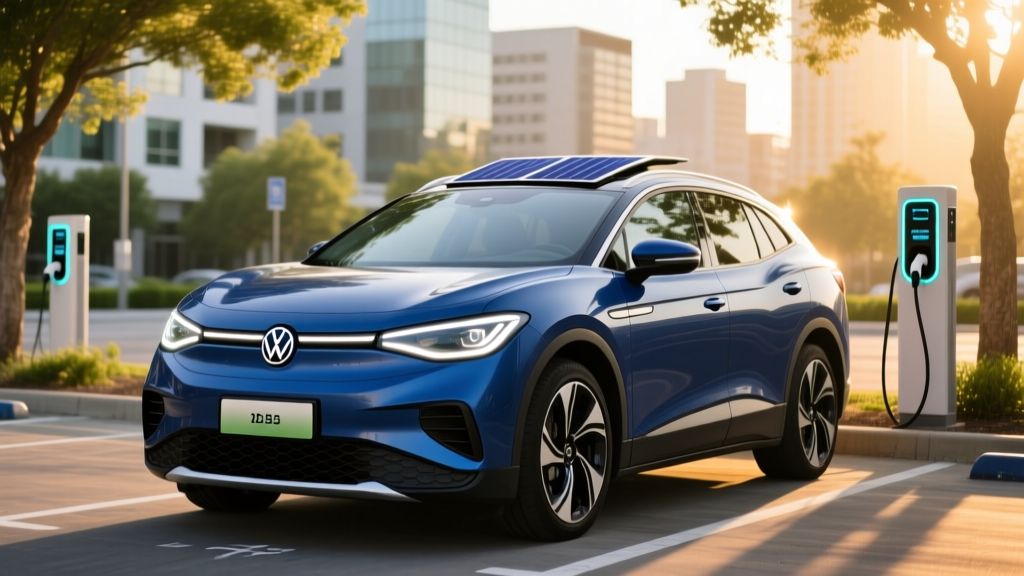
Volkswagen's aggressive leasing push for the 2025 ID.4 has put one of the most practical electric SUVs on the market within reach of budget-conscious buyers. The headline figure — leases starting at $129/month — is real, but it applies to the Standard trim with specific terms (typically 36 months, 10,000 miles/year, and a capitalized cost reduction). Before you sign, you need to understand what this EV actually delivers in daily use: its real-world range, charging behavior, cabin practicality, and how the federal tax credit factors in when you lease rather than buy.
The 2025 ID.4 is a compact electric crossover competing directly with the Hyundai Ioniq 5, Kia EV6, Ford Mustang Mach-E, and Tesla Model Y. It's not the flashiest EV in the segment, but it may be the most sensible — especially at this lease price point.
Range, Battery, and Real-World Efficiency
The 2025 ID.4 comes in two battery configurations. The Standard and S trims use a 62 kWh (usable) battery pack, while the Pro, Pro S, and AWD Pro S trims step up to an 82 kWh (usable) pack. Both use NMC (nickel-manganese-cobalt) lithium-ion chemistry — not LFP — which gives higher energy density but requires more careful state-of-charge management for long-term longevity.
- Pro / Pro S (RWD, 82 kWh): EPA 291 miles — expect ~245–265 miles highway at 70 mph, ~200–220 miles in freezing weather
- AWD Pro S (82 kWh): EPA 263 miles — expect ~220–240 miles highway, ~180–200 miles in cold conditions
- Standard (RWD, 62 kWh): EPA 206 miles — expect ~170–185 miles highway, ~140–155 miles in cold weather
Source: fueleconomy.gov
The ID.4 Pro RWD achieves an EPA-rated 104 MPGe combined, which translates to roughly 32 kWh/100 miles in mixed driving. That's slightly behind the Ioniq 5 (114 MPGe) and Model Y (122 MPGe) in efficiency, but the ID.4 compensates with a larger usable battery in the Pro trims.
Cold-weather range loss is a real factor here. The ID.4 uses a resistive heater in base trims, though the Pro S and AWD models include a heat pump that reduces winter range penalty by roughly 10–15 percentage points compared to resistive heating. If you live in a climate where temperatures regularly drop below freezing, the heat pump is worth prioritizing.
| Spec | Standard (62 kWh) | Pro RWD (82 kWh) | AWD Pro S (82 kWh) |
|---|---|---|---|
| EPA Range | 206 mi | 291 mi | 263 mi |
| Usable Battery | 62 kWh (NMC) | 82 kWh (NMC) | 82 kWh (NMC) |
| Horsepower | 201 hp | 282 hp | 335 hp |
| 0–60 mph | ~8.5 sec | ~7.2 sec | ~5.4 sec |
| Drivetrain | RWD | RWD | AWD (dual-motor) |
| DC Fast Charge (peak) | 140 kW | 175 kW | 175 kW |
| 10–80% DCFC Time | ~28 min | ~28 min | ~28 min |
| Level 2 Charge Rate | 11 kW (~37 mi/hr) | 11 kW (~37 mi/hr) | 11 kW (~37 mi/hr) |
| MPGe (combined) | 101 MPGe | 104 MPGe | 98 MPGe |
Charging Speed: DC Fast, Level 2, and the Charge Curve Reality
The ID.4 Pro and AWD models peak at 175 kW on a DC fast charger — respectable, but not class-leading. The Hyundai Ioniq 5 and Kia EV6 hit 233–240 kW on 800V architecture, and the Tesla Model Y peaks around 250 kW. The Standard trim with the smaller battery is limited to 140 kW.
| Charge Level | Power | Miles Added per Hour | Notes |
|---|---|---|---|
| Level 1 (120V) | ~1.4 kW | ~4 mi/hr | Emergency/trickle only |
| Level 2 (240V, 48A) | 11 kW | ~37 mi/hr | Full charge in ~7.5 hrs (82 kWh) |
| DC Fast (peak) | 175 kW | ~650 mi/hr (peak) | 10–80% in ~28 min; tapers above 80% |
The 10–80% DC fast-charge time of roughly 28 minutes is competitive for road trips, but the charge curve matters. The ID.4 holds close to peak rate up to about 50–55% state of charge, then begins a gradual taper. From 80–100%, charging slows dramatically — expect that last 20% to take an additional 20+ minutes. For road-trip efficiency, plan stops around the 10–80% window and move on.
At home on a Level 2 charger (240V, 48-amp circuit), the ID.4 adds approximately 37 miles of range per hour. A full overnight charge from near-empty takes about 7.5 hours for the 82 kWh battery — well within a typical overnight window. Volkswagen includes three years of complimentary 30-minute DC fast-charging sessions at Electrify America stations, which helps offset public charging costs for new owners and lessees.
Performance, Ride, and Drivetrain
The ID.4 was never designed to be a performance EV, and that's intentional. The RWD Pro with 282 hp and a 0–60 time of ~7.2 seconds is perfectly adequate for merging, passing, and daily commuting. The AWD Pro S with dual motors and 335 hp drops that to ~5.4 seconds — genuinely quick for a family crossover.
Ride quality is where the ID.4 earns points. VW tuned the suspension for comfort over sportiness, and the result is a compliant, quiet ride that absorbs highway imperfections well. The turning circle is tight (31.5 feet), making it easy to maneuver in urban environments. Regenerative braking is adjustable via a steering-wheel paddle, though the ID.4 doesn't offer true one-pedal driving to a complete stop — it creeps at low speed, which some drivers prefer and others find annoying.
Towing capacity is rated at 2,700 pounds for AWD models and 2,200 pounds for RWD — enough for a small utility trailer or a pair of dirt bikes, but not a camper. If towing is a priority, the Ford Mustang Mach-E (up to 3,500 lbs with the California Route 1 package) or the Rivian R2 (when available) offer more.
Interior, Cargo, and Daily Practicality
The ID.4's cabin is spacious and functional, if not luxurious. Passenger space is generous: 41.1 inches of front legroom and 37.6 inches in the rear — comparable to the RAV4 and slightly better than the Ioniq 5's rear seat. Headroom is excellent thanks to the flat floor and tall roofline.
Cargo capacity is a strong suit. With the rear seats up, you get 30.3 cubic feet — more than the Ioniq 5 (27.2 cu ft) and close to the Model Y (30.2 cu ft behind the second row). Fold the rear seats flat and capacity expands to 64.2 cubic feet. There's no front trunk (frunk), which is a missed opportunity that competitors like the Mach-E and Ioniq 5 capitalize on for additional storage.
The infotainment system uses a 12.9-inch touchscreen on Pro S and above (10.4-inch on Standard/Pro) running VW's latest ID. Software 4.0. The interface has improved significantly over early ID.4 model years — faster response, better menu logic, and wireless Apple CarPlay/Android Auto. However, the capacitive-touch sliders for volume and climate remain a common complaint. They're imprecise and unlit, making adjustments while driving more distracting than physical buttons or knobs.
Driver assistance comes via VW's IQ.DRIVE suite, which includes adaptive cruise control with stop-and-go, lane centering, automatic emergency braking, and blind-spot monitoring. This is an SAE Level 2 system — it assists with steering and speed but requires full driver attention at all times. It's competent for highway cruising but doesn't match the sophistication of Tesla's Autopilot, GM's Super Cruise, or Ford's BlueCruise in hands-free capability. Travel Assist works well on divided highways but will nag you to keep hands on the wheel.
Pricing, Lease Details, and Federal Tax Credit Eligibility
The $129/month lease headline applies to the 2025 ID.4 Standard trim with 36-month terms, 10,000 miles per year, and approximately $3,500–$4,000 due at signing (which typically includes the first month's payment, acquisition fee, and capitalized cost reduction). This is a manufacturer-subsidized lease through Volkswagen Credit, and availability varies by region and dealer.
| Trim | Base MSRP | Est. Lease (36 mo, 10k/yr) | Federal §30D Credit Eligible? |
|---|---|---|---|
| Standard (RWD) | ~$39,735 | From $129/mo* | Yes — up to $7,500 if purchased |
| Pro (RWD) | ~$44,235 | From $249/mo | Yes — up to $7,500 if purchased |
| Pro S (RWD) | ~$48,735 | From $329/mo | Yes — up to $7,500 if purchased |
| AWD Pro S | ~$52,635 | From $389/mo | Yes — up to $7,500 if purchased |
*Lease pricing subject to change; verify with local VW dealer. Destination charge ($1,395) not included in MSRP.
An important nuance: when you lease an EV, the federal §30D tax credit technically goes to the lessor (Volkswagen Credit), not to you. However, VW typically passes this value through as a capitalized cost reduction, which is how they achieve the $129/month figure. This is confirmed by the IRS guidance on clean vehicle credits and the "lease loophole" that allows the commercial credit (§45W) to apply to leased vehicles without the MSRP, income, or battery-sourcing restrictions that apply to purchased vehicles.
- MSRP cap: SUVs must be ≤$80,000 — all ID.4 trims qualify
- Buyer income cap: ≤$150,000 single / ≤$300,000 joint (MAGI)
- Battery sourcing: Critical minerals and battery component requirements phase in annually — verify current-year compliance on fueleconomy.gov
- Point-of-sale transfer: You can transfer the credit to the dealer for an immediate price reduction at purchase
- Leased vehicles: §30D income/MSRP/sourcing caps do NOT apply — the lessor claims the commercial credit and typically passes savings to the lessee
How It Compares: ID.4 vs. Key Competitors
At the $129/month lease point, the ID.4 Standard undercuts nearly every competitor. But if you're comparing the Pro trims at higher prices, here's how it stacks up:
- Hyundai Ioniq 5: Faster charging (240 kW peak, 10–80% in ~18 min), more stylish, similar range (303 mi EPA). But base lease pricing is typically $50–$100/month higher, and rear cargo space is smaller.
- Tesla Model Y: Superior efficiency (122 MPGe), extensive Supercharger network, more cargo space. But the starting price is higher, build quality is inconsistent, and the lease deals are rarely this aggressive.
- Ford Mustang Mach-E: More engaging to drive, available frunk, BlueCruise hands-free capability. But efficiency lags and the base battery range is only ~250 miles.
- Kia EV6: Shares the Ioniq 5's excellent 800V charging architecture, sleeker design. But it's lower to the ground (less cargo practicality) and lease pricing is less competitive.
The ID.4's advantage is clear: at $129/month, nothing else in the segment comes close on price. You're trading some charging speed and tech sophistication for a lower barrier to entry and a comfortable, practical daily driver.
Warranty and Long-Term Battery Outlook
Volkswagen covers the ID.4's battery and electric powertrain with an 8-year/100,000-mile warranty, which guarantees the battery will retain at least 70% of its original capacity during that period. The bumper-to-bumper warranty is 4 years/50,000 miles. VW also includes 2 years of scheduled maintenance at no cost.
NMC battery degradation data from real-world ID.4 fleets (including European-market vehicles with higher mileage) suggests roughly 5–8% capacity loss over the first 100,000 miles under normal use. The 70% retention threshold at 8 years is conservative — most packs should retain 85–90%+ if you avoid frequent DC fast-charging to 100% and prolonged storage at extreme states of charge.
For lessees, battery degradation is largely a non-issue. You'll return the vehicle well within the warranty period, and any capacity loss is Volkswagen's problem, not yours.
Pros, Cons, and Who Should Lease the ID.4
- Lease from $129/mo is the best value in the compact EV SUV segment
- Comfortable ride, spacious cabin, strong cargo capacity (30.3 cu ft)
- 291-mile EPA range on Pro RWD covers most commutes and errands easily
- 3 years of free Electrify America DC fast charging included
- Heat pump available (Pro S+) for cold-climate efficiency
- Federal credit value passed through on leases without income/MSRP restrictions
- 175 kW peak DC charging is slower than Ioniq 5/EV6 (240 kW) and Model Y (250 kW)
- Capacitive-touch sliders for climate/volume are frustrating while driving
- No front trunk (frunk) — wasted space under the hood
- Standard trim's 206-mile range is tight for road trips
- IQ.DRIVE is competent but behind Super Cruise/BlueCruise for hands-free driving
- Infotainment still lags competitors in responsiveness and menu design
Best for: Budget-conscious commuters, small families, and first-time EV buyers who want a practical, comfortable electric SUV without stretching their monthly budget. The $129/month lease on the Standard trim is ideal for urban and suburban drivers with home charging access and daily round-trip commutes under 80 miles. Step up to the Pro if you need 291 miles of range for occasional road trips or live in a rural area with sparse charging infrastructure.
Look elsewhere if: You prioritize the fastest possible DC charging for frequent road trips (choose Ioniq 5 or EV6), you want hands-free highway driving (choose Mach-E with BlueCruise or a GM vehicle with Super Cruise), or you need more than 206 miles of range but can't stretch to the Pro trim.
Frequently Asked Questions
What is the real-world range of the 2025 Volkswagen ID.4?
The Pro RWD is EPA-rated at 291 miles, but expect roughly 245–265 miles at sustained highway speeds (70+ mph) and 200–220 miles in freezing temperatures. The AWD Pro S drops to 263 EPA miles (~220–240 real-world highway). The Standard trim's 206 EPA miles translates to about 170–185 miles on the highway.
How fast does the ID.4 charge at home and on DC fast chargers?
On a Level 2 home charger (240V, 48A), the ID.4 charges at 11 kW, adding about 37 miles per hour — a full overnight charge takes ~7.5 hours for the 82 kWh battery. On DC fast chargers, the Pro and AWD models peak at 175 kW, reaching 10–80% in approximately 28 minutes. The Standard trim peaks at 140 kW.
Does the 2025 ID.4 qualify for the $7,500 federal EV tax credit?
If you purchase the ID.4, it qualifies for up to $7,500 under §30D, subject to buyer income limits ($150K single/$300K joint), the $80K SUV MSRP cap (all trims qualify), and current-year battery sourcing requirements. If you lease, the lessor claims the credit and typically passes it through as a cap cost reduction — with no income or sourcing restrictions on the lessee. Always verify current rules on irs.gov and consult a tax professional.
Is the ID.4 worth leasing over the Ioniq 5 or Model Y?
At $129/month, the ID.4 is the value leader. The Ioniq 5 charges faster and is more efficient, and the Model Y has a better charging network and more cargo space. But neither matches this lease price. If monthly cost is your top priority, the ID.4 wins. If charging speed and tech are more important, pay the premium for the Ioniq 5 or Model Y.
Does the ID.4 have a frunk (front trunk)?
No. The 2025 ID.4 does not have a front trunk. The space under the hood houses electrical components. This is a notable omission — the Mustang Mach-E, Ioniq 5, and Rivian R1S all offer front storage.
What happens to the battery after my 36-month lease ends?
You return the vehicle. Battery degradation over 36 months and ~30,000 miles is typically 2–4% — barely noticeable. Any battery issues during the lease are covered under VW's 8-year/100,000-mile powertrain warranty. You have no long-term battery liability as a lessee.