Quick Verdict: A Solid Compact EV With Attractive Lease Economics
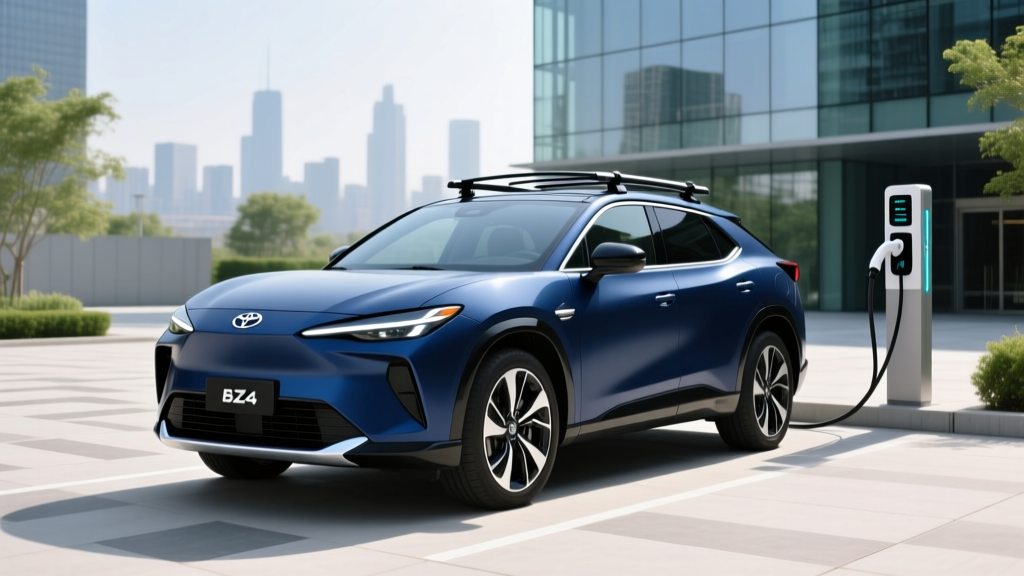
The 2025 Toyota bZ4X occupies an interesting space in the electric vehicle market. It's not the longest-range compact SUV, nor the fastest-charging, but Toyota's first dedicated EV delivers practical daily usability, strong safety credentials, and — crucially for many buyers — lease deals that can make it one of the more affordable ways into a new electric SUV. With a starting MSRP of $37,070, an EPA-estimated range up to 252 miles, and competitive lease terms frequently available through Toyota dealers, the bZ4X warrants serious consideration for urban and suburban commuters ready to go electric.
Below, we break down every number that matters: real-world range expectations, charging speeds at home and on the road, total cost after incentives, and how it stacks up against rivals like the Hyundai Ioniq 5 and Kia EV6.
Range, Battery, and Efficiency: What the Numbers Actually Mean
| EPA Range (FWD) | 252 miles |
|---|---|
| EPA Range (AWD) | 228 miles |
| Battery Capacity | 71.4 kWh usable (72.8 kWh gross), Lithium-ion (NMC chemistry) |
| Efficiency (FWD) | 131 MPGe combined / 26 kWh per 100 mi |
| Efficiency (AWD) | 114 MPGe combined / 30 kWh per 100 mi |
| 0–60 mph (FWD) | 7.1 seconds |
| 0–60 mph (AWD) | 5.8 seconds |
| Horsepower | 201 hp (FWD) / 214 hp (AWD) |
| Drivetrain | Single-motor FWD or dual-motor AWD |
| Max DC Fast Charge | 150 kW (FWD) / 150 kW (AWD) |
| 10–80% DC Fast Charge | ~30 minutes |
| Level 2 Home Charging | 6.6 kW onboard charger (~25 miles per hour) |
| Cargo Volume | 27.7 cu ft (rear seats up) / 56.9 cu ft (rear seats folded) |
| Rear Legroom | 35.3 inches |
| Base MSRP (XLE FWD) | $37,070 |
| Limited AWD MSRP | $46,700 |
| Battery Warranty | 8 years / 100,000 miles |
The EPA estimates 252 miles for the FWD XLE trim, but real-world results depend heavily on conditions. In our experience and consistent with third-party testing:
- City/suburban mixed driving (65–75°F): Expect 230–250 miles — close to the EPA sticker.
- Sustained highway driving (70+ mph): Range drops to approximately 200–220 miles. The bZ4X's aerodynamics and NMC pack don't favor high-speed efficiency as much as some competitors.
- Cold weather (below 32°F): Expect 170–200 miles on the FWD model. The bZ4X uses a resistance heater in addition to a heat pump on some trims, which helps, but cold still takes a 20–30% toll — typical for this class.
Bottom line: If your daily commute is under 80 miles round-trip with occasional longer drives, the FWD bZ4X covers it comfortably. If you regularly drive 200+ miles in winter or at highway speeds, plan your charging stops accordingly.
The 71.4 kWh usable battery uses NMC (nickel manganese cobalt) chemistry, which offers higher energy density than LFP but requires more careful state-of-charge management for long-term longevity. Toyota recommends charging to 80% for daily use and reserving 100% charges for road trips — a practice that extends battery health across the NMC cycle life.
Charging Speeds: Home and DC Fast Charging Explained
Charging speed is often the make-or-break factor for EV satisfaction. Here's exactly what the 2025 bZ4X delivers across all three charging levels:
| Charging Level | Power / Voltage | Miles Added Per Hour | Typical Use Case |
|---|---|---|---|
| Level 1 (120V household outlet) | ~1.4 kW | ~4–5 miles/hr | Overnight trickle; emergency top-up |
| Level 2 (240V home/public) | 6.6 kW (onboard max) | ~25 miles/hr | Daily home charging; full charge in ~11 hours |
| DC Fast Charging | Up to 150 kW peak | ~130+ miles in 10 min (at peak) | Road trips; 10–80% in ~30 minutes |
The charging curve matters more than the peak number. The bZ4X hits its 150 kW peak only briefly in the lower state-of-charge range (roughly 10–25% SoC). After that, the charge rate tapers progressively — dropping to around 80–100 kW through the mid-range and slowing further above 70%. This is why the 10–80% time is approximately 30 minutes rather than the theoretical ~20 minutes a sustained 150 kW would allow.
Compared to the Hyundai Ioniq 5's 800-volt architecture (which sustains higher charge rates longer and achieves 10–80% in ~18 minutes at 350 kW chargers), the bZ4X's charging pace is adequate but not class-leading. For most daily use — plugging in at home overnight — this is a non-issue. For frequent road-trippers, the slower DC charging is a real trade-off to consider.
Preconditioning tip: The bZ4X offers battery preconditioning when you navigate to a DC fast charger via the built-in navigation system. This warms the battery to optimal temperature before you arrive, improving charge speed — especially critical in cold weather. Always use nav-to-charger to take advantage of this.
Pricing, Lease Deals, and Federal Tax Credit Eligibility
The 2025 bZ4X is available in two main trims:
- XLE (FWD): $37,070 MSRP (destination included)
- XLE (AWD): $39,150 MSRP
- Limited (FWD): $43,700 MSRP
- Limited (AWD): $46,700 MSRP
Federal Tax Credit: Does the bZ4X Qualify?
Under current IRS §30D rules, the 2025 Toyota bZ4X's eligibility for the full $7,500 federal tax credit depends on several factors that buyers must verify before purchase:
- MSRP cap: The bZ4X qualifies as an SUV under IRS vehicle classifications, so the MSRP cap is $80,000 — all trims clear this easily.
- Buyer income limits: Modified adjusted gross income must not exceed $300,000 (joint filers), $225,000 (head of household), or $150,000 (single filers).
- Battery sourcing requirements: This is the critical variable. The bZ4X is manufactured in Japan (at Toyota's Motomachi plant), and its battery cell sourcing must meet escalating critical-mineral and battery-component thresholds that tighten each year. For 2025, at least 60% of critical minerals and 75% of battery components must be sourced from the U.S. or free-trade-agreement countries.
- Point-of-sale transfer: If eligible, the $7,500 credit can be applied at the dealership as an immediate price reduction rather than waiting for a tax refund.
Important caveat: Because the bZ4X is built in Japan with battery supply chains that may not fully meet 2025 sourcing thresholds, eligibility can vary by production batch. Always confirm current credit status with your dealer and cross-reference with the DOE/EPA fueleconomy.gov tax credit database before signing paperwork. Do not assume the full $7,500 applies.
Why Lease Deals Are the Sweet Spot
Toyota has aggressively positioned bZ4X lease offers, and here's why leasing can be the smarter financial play:
- Lease credit passthrough: Under IRS rules, the $7,500 commercial clean vehicle credit (§45W) can apply to leased EVs regardless of battery-sourcing or buyer-income restrictions. The leasing company receives the credit and typically passes it to the lessee as a capitalized-cost reduction. This has made bZ4X leases significantly more attractive than purchase in many cases.
- Typical lease structure: Expect offers around $299–$399/month for 36 months with $2,500–$3,999 due at signing on the XLE FWD trim, depending on region and dealer. These numbers fluctuate — check Toyota's current national offers and local dealer specials.
- Depreciation protection: EV residual values remain volatile. Leasing transfers that risk to the lessor.
- Upgrade cycle: A 36-month lease puts you in a newer EV with updated battery tech and charging standards by 2028.
| Trim | MSRP | Est. After $7,500 Credit | Typical Lease (36 mo) |
|---|---|---|---|
| XLE FWD | $37,070 | $29,570* | ~$299–$349/mo |
| XLE AWD | $39,150 | $31,650* | ~$349–$399/mo |
| Limited AWD | $46,700 | $39,200* | ~$449–$529/mo |
*Credit eligibility not guaranteed. Confirm with dealer and tax professional. Lease pricing varies by region, credit tier, and dealer participation.
Driving Experience, Tech, and Daily Livability
The bZ4X drives like a Toyota — composed, comfortable, and predictable. The 201-hp FWD model delivers adequate acceleration for merging and passing, while the 214-hp dual-motor AWD version adds genuine punch (0–60 in 5.8 seconds) and useful all-weather traction.
Ride quality leans toward comfort over sportiness. The suspension absorbs bumps well, and the cabin is quiet at highway speeds. The steering is light and easy, which suits urban driving but won't satisfy enthusiasts.
Regenerative braking is adjustable via paddle shifters behind the steering wheel, offering multiple levels up to near one-pedal driving. However, the bZ4X doesn't come to a complete stop with regen alone — you'll still need the brake pedal at low speeds, unlike the stronger one-pedal systems in the Ioniq 5 or Nissan Ariya.
Interior and Technology
The bZ4X features a 12.3-inch touchscreen running Toyota's latest infotainment system with wireless Apple CarPlay and Android Auto. The interface is responsive and logically laid out, though some users note the absence of physical knobs for volume and climate — everything is touch-based, which can be distracting while driving.
Toyota Safety Sense 3.0 comes standard on every trim, including:
- Pre-Collision System with Pedestrian Detection
- Lane Departure Alert with Steering Assist
- Full-Speed Range Dynamic Radar Cruise Control
- Lane Tracing Assist (SAE Level 2 driver assist — requires active driver supervision at all times)
- Road Sign Assist
- Proactive Driving Assist (gentle braking/deceleration in certain scenarios)
The available Panoramic View Monitor (360-degree camera) on the Limited trim is genuinely useful for parking. The bZ4X also offers radiant heaters in the front footwell area on some trims — a clever efficiency feature that warms occupants directly rather than heating the entire cabin air, preserving range in cold weather.
Cargo and Passenger Space
With 27.7 cubic feet behind the rear seats and 56.9 cu ft with them folded, the bZ4X offers competitive cargo space — slightly less than the Ioniq 5 (27.2 / 59.3 cu ft) but sufficient for family groceries, luggage for a weekend trip, or a folded stroller. Rear legroom at 35.3 inches is comfortable for adults, though the sloping roofline reduces headroom for taller passengers compared to boxier rivals.
Notably, the bZ4X has no front trunk (frunk). The space under the hood houses electronics and the HVAC system. This is a missed opportunity for additional sealed storage that competitors like the Ford Mustang Mach-E and Ioniq 5 provide.
How It Stacks Up Against Key Competitors
| Spec | Toyota bZ4X XLE FWD | Hyundai Ioniq 5 SE Std Range | Kia EV6 Light RWD | Ford Mustang Mach-E Select RWD |
|---|---|---|---|---|
| EPA Range | 252 mi | 240 mi | 232 mi | 250 mi |
| Battery (kWh usable) | 71.4 | 58.0 | 58.0 | 70.0 |
| Peak DC Fast Charge | 150 kW | 175 kW | 175 kW | 150 kW |
| 10–80% DC Time | ~30 min | ~24 min | ~24 min | ~33 min |
| 0–60 mph | 7.1 sec | 7.3 sec | 7.3 sec | 6.3 sec |
| Base MSRP | $37,070 | $42,600 | $42,900 | $42,995 |
| Frunk | No | Yes (0.85 cu ft) | Yes (0.7 cu ft) | Yes (4.7 cu ft) |
The bZ4X's primary advantage is price. At $37,070, it undercuts key rivals by $5,000–$6,000 before incentives. When combined with lease deals and potential tax credits, the effective cost gap widens further.
Where it falls short: charging speed (the Ioniq 5 and EV6 charge noticeably faster thanks to higher peak rates and flatter charge curves), frunk availability, and maximum range on AWD models (the Ioniq 5 and Mach-E offer AWD variants with 260+ miles EPA).
- You want the lowest entry price in a new compact electric SUV
- Your daily driving is under 100 miles round-trip with home charging
- You value Toyota's reputation for reliability and dealer network
- You plan to lease and take advantage of aggressive lease incentives
- You prioritize safety tech and a comfortable, quiet ride over sporty handling
- You frequently road-trip 300+ miles and need the fastest possible DC charging
- You need a frunk for secure front storage
- You want the longest possible AWD range in this segment
- You prefer a more engaging, sporty driving experience
Warranty and Long-Term Ownership Costs
Toyota backs the bZ4X with a competitive warranty package:
- Basic vehicle warranty: 3 years / 36,000 miles
- Powertrain warranty: 5 years / 60,000 miles
- Hybrid/EV battery warranty: 8 years / 100,000 miles (covers capacity below 70% of original)
- Corrosion perforation: 5 years / unlimited miles
- Roadside assistance: 2 years / 25,000 miles
The 70% capacity retention threshold over 8 years/100,000 miles is industry-standard, matching most competitors. Based on current NMC degradation data from similar Toyota hybrid packs and early bZ4X fleet data, most owners can expect approximately 85–90% state of health at the 100,000-mile mark under normal use — well above the warranty threshold.
Total cost of ownership is where the bZ4X makes a strong case. Electricity costs approximately $0.13–$0.17/kWh at home (national average), translating to roughly $3.50–$4.50 per 100 miles driven — compared to $12–$15 per 100 miles for a 25-MPG gas SUV at $3.20/gallon. Over 5 years and 75,000 miles, fuel savings alone can reach $6,000–$8,000, partially offsetting any price premium over a gas-powered RAV4.
Pros and Cons
Pros
- Lowest starting MSRP in the compact EV SUV segment at $37,070
- Attractive lease deals with potential $7,500 credit passthrough
- Standard Toyota Safety Sense 3.0 with comprehensive driver assists
- Comfortable, quiet ride quality well-suited to daily commuting
- Strong Toyota dealer network for service and support
- AWD available with dual motors and 214 hp
- Radiant foot heaters improve cold-weather efficiency
Cons
- DC fast charging (150 kW peak, ~30 min 10–80%) lags behind Ioniq 5 and EV6
- No front trunk (frunk) — a notable omission in this class
- AWD range drops to 228 miles EPA — below some competitors
- Tax credit eligibility uncertain due to Japan manufacturing and battery sourcing
- No true one-pedal driving (regen doesn't bring car to full stop)
- Touch-only climate controls can be distracting
- Cold-weather range loss of 20–30% is significant
Frequently Asked Questions
What is the real-world range of the 2025 Toyota bZ4X?
The EPA estimates 252 miles for the FWD model and 228 miles for AWD. In real-world driving, expect 230–250 miles in mild city/suburban conditions, 200–220 miles on sustained highway trips, and 170–200 miles in freezing temperatures. These figures assume normal driving habits without aggressive acceleration or extreme climate-control use.
How fast does the bZ4X charge at home and on DC fast chargers?
At home on a Level 2 (240V) charger, the bZ4X charges at up to 6.6 kW, adding approximately 25 miles of range per hour — a full charge from empty takes about 11 hours, perfect for overnight charging. On DC fast chargers, it peaks at 150 kW and achieves 10–80% in approximately 30 minutes, though the charge curve tapers significantly above 50% state of charge.
How much does the 2025 bZ4X cost after tax credits?
If the full $7,500 federal tax credit applies, the XLE FWD drops from $37,070 to approximately $29,570. However, credit eligibility depends on battery-sourcing compliance, buyer income limits, and MSRP caps under IRS §30D. Through a lease, the $7,500 commercial credit may apply more broadly. Always confirm with your dealer and a tax professional before relying on the credit.
Is the bZ4X worth buying versus the Hyundai Ioniq 5 or Kia EV6?
It depends on your priorities. The bZ4X wins on base price and lease economics — it's $5,000–$6,000 less than the Ioniq 5 or EV6 before incentives. The Ioniq 5 and EV6 win on DC fast charging speed (faster 10–80% times), the availability of a frunk, and slightly more engaging driving dynamics. If budget is your top concern and you charge primarily at home, the bZ4X is an excellent value. If you road-trip frequently and need the fastest public charging, the Korean alternatives are stronger choices.
Does the 2025 Toyota bZ4X qualify for the federal EV tax credit?
It may, but eligibility is not guaranteed. The bZ4X is manufactured in Japan, and its battery supply chain must meet escalating U.S. critical-mineral and component-sourcing thresholds under IRS §30D. Additionally, buyer income caps ($150,000 single / $300,000 joint) and the $80,000 SUV MSRP cap apply. Check the latest status on fueleconomy.gov and verify with your dealer before purchase. Leasing may provide a more reliable path to the credit via the §45W commercial vehicle provision.
What's the best way to maximize a bZ4X lease deal?
Target the XLE FWD trim for the lowest monthly payment. Negotiate the capitalized cost (sale price) as you would a purchase — the lower the cap cost, the lower your payment. Confirm that the dealer is passing through any available lease credit as a cap-cost reduction. Keep the money factor (lease interest rate) competitive by having strong credit (720+). Avoid rolling excessive fees into the lease. And compare offers across multiple Toyota dealers in your region — bZ4X inventory and dealer willingness to discount can vary significantly.
How long will the bZ4X battery last?
Toyota warranties the battery for 8 years / 100,000 miles against capacity loss below 70%. Based on NMC chemistry degradation curves and Toyota's thermal management system, most owners should expect 85–92% state of health at 100,000 miles with normal charging habits (daily charges to 80%, avoiding prolonged 100% storage, and using preconditioning for DC fast charging). Battery replacement, if ever needed out of warranty, is estimated at $8,000–$12,000 based on current NMC pack pricing — though costs are expected to decline over the next decade.