Quick Verdict: A Stylish Urban EV With a Known Limitation
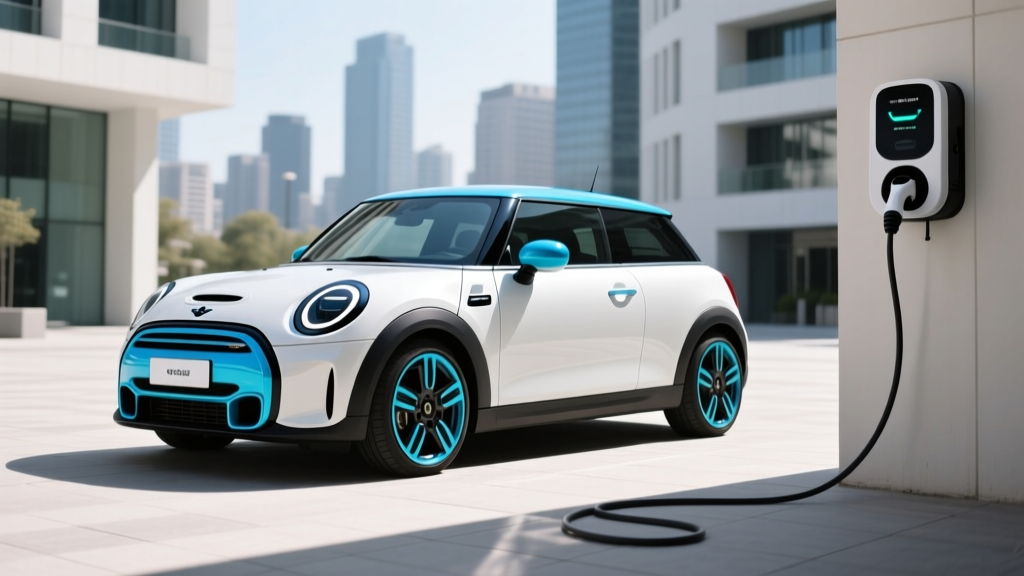
The 2025 Mini Cooper SE Hardtop 2 Door occupies a precise niche: it is the most affordable premium electric city car sold in the United States. With a starting 2025 Mini Cooper SE Hardtop 2 Door MSRP of $29,900 (before destination), an EPA-estimated 146 miles of range, and a genuinely fun chassis, it rewards urban commuters who can charge at home and don't need highway-road-trip capability. But its compact 40.7 kWh battery and modest 95 kW peak DC fast-charging rate mean this is strictly a second car or a dedicated metro runabout—not a cross-country cruiser.
For 2025, Mini carries over the J01-generation platform introduced for the 2024 model year, featuring the round OLED center display, updated driver-assistance suite, and both the Cooper SE (FWD, 215 hp) and the higher-output John Cooper Works variant. Pricing has remained remarkably stable, making the SE one of the few sub-$35,000 EVs with premium interior materials and genuine hot-hatch dynamics.
2025 Mini Cooper SE Hardtop 2 Door MSRP and Trim Pricing
The 2025 lineup is straightforward: two trims for the SE, plus the JCW performance model. Destination adds $995 across the board. The 2025 Mini Cooper SE Hardtop 2 Door MSRP structure is as follows:
| Trim | MSRP | + Destination | Drivetrain | Horsepower | 0-60 mph |
|---|---|---|---|---|---|
| Cooper SE Signature | $29,900 | $30,895 | FWD | 215 hp / 243 lb-ft | 6.7 sec |
| Cooper SE Signature Plus | $32,900 | $33,895 | FWD | 215 hp / 243 lb-ft | 6.7 sec |
| John Cooper Works (JCW) | $37,900 | $38,895 | FWD | 255 hp / 258 lb-ft | 5.9 sec |
Options that move the needle include the Premium Package (head-up display, Harman Kardon audio, panoramic glass roof) at roughly $2,500, and standalone metallic paints at $750. A fully loaded Signature Plus can approach $38,000 before incentives. The JCW trim adds sport suspension, larger brakes, JCW-specific styling, and the higher-output motor.
Range and Efficiency: EPA Numbers vs. Reality
Real-World Expectation: 115–130 miles highway at 70 mph; 140–155 miles mixed city driving; 95–115 miles in sub-30°F winter conditions with cabin heat. JCW trim rates slightly lower at ~139 miles EPA due to wider tires and sport tuning.
The 2025 Cooper SE uses a 40.7 kWh usable battery (gross capacity approximately 54 kWh) with NMC (nickel manganese cobalt) cell chemistry supplied by CATL. Mini quotes efficiency at 110 MPGe combined, which translates to roughly 30 kWh per 100 miles—about average for a 3,400-pound compact EV. The EPA's official figures are available via fueleconomy.gov.
Where the SE's range limitation becomes acute is sustained highway driving. At 75 mph on flat terrain in mild weather, expect to consume 32–35 kWh/100mi, which drops effective range to roughly 115–125 miles before you'd want to locate a charger. In winter, without preconditioning the battery, cold-soaked cells and resistive cabin heating can cut range by 25–35%. The SE does include a heat pump (standard on US models), which mitigates some of this loss compared to resistive-only HVAC systems, but the small battery simply doesn't have a large energy reserve to absorb the hit.
For a 20-mile-each-way commuter who charges at home nightly, 146 EPA miles is more than adequate. For anyone regularly driving 60+ miles one-way or taking intercity trips, the SE's range will feel constraining. Plan charging stops around the 80–100 mile mark for comfort.
Charging Speed: DC Fast Charge and Home Level 2
Charging is where the 2025 Cooper SE's small battery is both an asset (it fills quickly in absolute terms) and a limitation (peak kW is modest by 2025 standards).
| Charging Level | Connector | Max Power (kW) | Speed / Time | Notes |
|---|---|---|---|---|
| Level 1 (120V) | J1772 / NACS adapter | ~1.4 kW | ~5 mi/hr; full charge ~29 hr | Emergency/trickle only |
| Level 2 (240V) | J1772 / NACS adapter | 11 kW (onboard charger) | ~37 mi/hr; 0–100% ~4 hr | Requires 48A circuit |
| DC Fast Charge | CCS1 (NACS adapter available) | 95 kW peak | 10–80% in ~30 min | Tapers sharply above 80% |
DC fast charging in practice: The 95 kW peak rate sounds modest against the 250–350 kW peaks of larger EVs, but because the SE's battery is only 40.7 kWh usable, the C-rate (charge rate relative to battery size) is actually quite healthy at ~2.3C. You'll see 85–95 kW sustained from roughly 10% to 50% state of charge, after which the curve tapers to 50–60 kW through 70%, and drops further to ~25 kW above 85%. A 10–80% session takes approximately 28–32 minutes at a 150 kW+ station. That's slower than a Hyundai Ioniq 5 (10–80% in ~18 min) but acceptable for the battery size.
Home Level 2 charging: The 11 kW onboard AC charger is a genuine strength. On a 48-amp Level 2 home charger (hardwired, 60A breaker), the SE replenishes its entire battery in about 4 hours. Even on a 32-amp charger (common for NEMA 14-50 outlets), you're looking at roughly 5.5 hours—easily covered overnight. A nightly home charge makes the SE's 146-mile EPA range a non-issue for daily commuting.
Connector note: The 2025 US-market Cooper SE ships with a CCS1 charge port. Mini has confirmed NACS adapter compatibility for Tesla Supercharger access, and future model years are expected to adopt the native NACS port. For now, CCS1 works at Electrify America, EVgo, and most non-Tesla networks. Check the Mini USA Cooper SE page for the latest adapter availability.
Performance and Driving Dynamics
The Cooper SE's single front-mounted permanent-magnet synchronous motor produces 215 horsepower and 243 lb-ft of torque, routing power to the front wheels. The 0–60 mph sprint takes 6.7 seconds—respectably quick for a sub-$35K EV and genuinely fun in urban sprints where instant electric torque shines. The JCW variant bumps output to 255 hp and drops 0–60 to 5.9 seconds.
What sets the SE apart from competitors like the Nissan Leaf or base Chevrolet Bolt isn't straight-line speed but chassis tuning. Mini's signature go-kart feel carries over to the EV platform: sharp turn-in, minimal body roll, and a low center of gravity from the floor-mounted battery pack. The steering is heavier and more communicative than most compact EVs. At 3,439 pounds (SE Signature), it's among the lightest EVs on sale, and that lightness shows on twisty roads.
Regenerative braking is adjustable through the Mini Driving Modes (Core, Green, Go-Kart) and offers a pseudo-one-pedal mode in Green that provides strong regen but doesn't always bring the car to a complete stop—unlike Nissan's e-Pedal or Tesla's Hold mode. It's a minor frustration for drivers accustomed to full one-pedal operation.
Interior, Tech, and Cargo Space
The 2025 Cooper SE's cabin is a significant upgrade from the previous-generation F56 EV. The centerpiece is a 9.4-inch round OLED center display running Mini Operating System 9, which handles navigation, media, climate controls, and vehicle settings. The circular screen is a clever nod to Mini's heritage and works well, though the absence of physical climate knobs means you'll tap through menus to adjust temperature—a common complaint among owners.
Driver assistance includes standard Active Driving Assistant (forward collision warning, automatic emergency braking, lane departure warning, and speed limit info). The available Parking Assistant adds a 360-degree camera and automated parallel/perpendicular parking. Notably absent: adaptive cruise control with stop-and-go on the base Signature trim (available on Signature Plus and JCW), and no hands-free driving system comparable to GM's Super Cruise or Ford's BlueCruise. This is SAE Level 1 driver assistance—keep your hands on the wheel and eyes on the road.
Cargo and passenger dimensions remain the SE's practicality bottleneck:
- Cargo volume (rear seats up): 5.7 cu ft
- Cargo volume (rear seats folded): 26.8 cu ft
- Front legroom: 41.4 inches
- Rear legroom: 30.9 inches
- Front headroom: 38.8 inches
- Seating: 4 passengers (2-door hardtop)
That 5.7 cu ft trunk is tight—about two carry-on suitcases, or a week of groceries for one. Folding the rear seats opens up usable space but creates a high load floor. Rear-seat legroom is best suited for children or short trips. If you regularly carry adult rear passengers or need cargo flexibility, a 4-door EV (or even the Mini Countryman SE) will serve you better.
Federal Tax Credit Eligibility (IRS §30D)
This is where the 2025 Cooper SE's value proposition becomes significantly more compelling—or complicated, depending on your situation.
| Trim | MSRP + Dest. | Est. After §30D Credit | Effective Price |
|---|---|---|---|
| Signature | $30,895 | Up to $7,500 | ~$23,395* |
| Signature Plus | $33,895 | Up to $7,500 | ~$26,395* |
| JCW | $38,895 | Up to $7,500 | ~$31,395* |
*Assumes full $7,500 credit eligibility. Actual credit amount ($0, $3,750, or $7,500) depends on battery-sourcing compliance for the specific VIN. Verify at IRS.gov qualified vehicles list before purchase.
Key §30D eligibility requirements for the 2025 Cooper SE:
- MSRP cap: $55,000 for sedans/hatchbacks — all Cooper SE trims qualify.
- Buyer income caps (MAGI): $150,000 single / $225,000 head of household / $300,000 joint filers.
- Battery sourcing: The Cooper SE's CATL-supplied battery must meet critical-mineral and battery-component requirements. As of early 2025, Mini has confirmed partial compliance; the exact credit amount ($3,750 or $7,500) may vary by production batch. Confirm your specific VIN on the IRS qualified vehicle list before signing.
- Point-of-sale transfer: Under 2024+ rules, you can transfer the credit to the dealer at purchase, reducing your out-of-pocket cost immediately rather than waiting for tax filing. This effectively functions as a down-payment reduction.
- Assembly: The Cooper SE is assembled in Dingolfing, Germany. North American final assembly is NOT required for the §30D credit (it is required for the §45W commercial credit and for leased vehicles under the §45X lessor loophole). The Cooper SE purchased outright qualifies under standard §30D rules.
Critical caveat: Battery-sourcing rules tighten annually. A Cooper SE built in January 2025 may have different credit eligibility than one built in June 2025 depending on supply-chain shifts. Always verify the current IRS list and consult a tax professional before relying on the credit in your purchase math.
Warranty and Long-Term Ownership
Mini provides the following coverage for the 2025 Cooper SE:
- Limited vehicle warranty: 4 years / 50,000 miles
- Battery warranty: 8 years / 100,000 miles (capacity retention above 70% of original)
- Corrosion warranty: 12 years / unlimited miles
- Roadside assistance: 4 years / unlimited miles
The 70% capacity-retention threshold is standard for the industry, matching BMW, Volkswagen, and most competitors. Based on NMC chemistry degradation data from similar BMW Group EV platforms (i4, iX), owners can expect approximately 8–12% total capacity loss over 8 years / 100,000 miles under normal use—meaning a 146-mile EPA range might drop to roughly 130–135 miles by year 8. Extreme fast-charging habits (daily DCFC to 100%) and frequent deep discharges accelerate degradation; keeping the battery between 20–80% daily and using Level 2 for routine charging maximizes longevity.
Insurance costs for the Cooper SE run 15–25% higher than a comparable gas-powered Mini Hardtop, based on industry averages for small EVs. Expect annual premiums of $1,800–$2,400 depending on your profile and location.
Pros, Cons, and Who Should Buy
Pros
- Starting MSRP of $29,900 is among the lowest for a premium EV
- Genuinely engaging chassis; best-handling compact EV under $40K
- 11 kW onboard AC charger fills the battery in ~4 hours at home
- Premium interior with OLED display; feels more expensive than it is
- Heat pump standard — better cold-weather efficiency than many rivals
- Lightest EV in its class (3,439 lb) — helps efficiency and handling
Cons
- 146-mile EPA range limits highway and road-trip usability
- 95 kW DC fast-charge peak is below the 150+ kW class standard
- 5.7 cu ft trunk is impractical for anything beyond daily errands
- Rear seats are tight for adults; 2-door layout limits access
- No physical climate controls — everything goes through the touchscreen
- Regen doesn't bring the car to a full stop in most modes
- Tax credit eligibility uncertain due to battery-sourcing rules
Who the 2025 Cooper SE is for: Urban and suburban commuters with home charging access, a sub-40-mile round-trip commute, and a desire for a fun, stylish EV without spending $45K+. It's an ideal second car, a strong choice for single professionals or couples without children, and arguably the best-handling EV at its price point. If you have a garage or driveway for a Level 2 charger, the SE's small battery becomes an advantage (fast, cheap home fills) rather than a liability.
Who should look elsewhere: One-car households, families needing rear-seat space or cargo room, anyone with a commute over 50 miles one-way, and road-trip enthusiasts. If range is a priority, the Chevrolet Equinox EV (315+ mi EPA, ~$33K) or Hyundai Kona Electric (261 mi EPA, ~$33K) offer substantially more miles per charge at similar price points, though neither matches the Mini's driving engagement.
Frequently Asked Questions
What is the real-world range of the 2025 Mini Cooper SE?
The EPA rates the Cooper SE at 146 miles. In real-world mixed driving at moderate temperatures, expect 130–145 miles. Sustained highway driving at 70+ mph reduces this to 115–130 miles. In winter conditions below 30°F, plan for 95–115 miles. Preconditioning the battery while plugged in helps preserve range and improve charge speeds in cold weather.
How fast does the 2025 Cooper SE charge?
On a DC fast charger, the SE peaks at 95 kW and charges from 10–80% in approximately 30 minutes. At home on a 48-amp Level 2 charger, the 11 kW onboard charger fills the battery from empty in about 4 hours. On a standard 120V outlet (Level 1), expect roughly 29 hours for a full charge—only practical for emergency trickle topping.
Does the 2025 Mini Cooper SE qualify for the $7,500 federal EV tax credit?
It may qualify for the full $7,500, a partial $3,750, or no credit, depending on battery-sourcing compliance for your specific vehicle's VIN. All trims fall under the $55,000 MSRP cap, and buyer income caps apply ($150K single / $300K joint). The credit can be transferred to the dealer at point of sale. Verify eligibility on the IRS qualified vehicles list before purchasing.
Is the 2025 Cooper SE worth buying over competitors like the Bolt EV or Kona Electric?
If driving enjoyment, premium interior quality, and compact urban dimensions are your priorities, yes—the SE has no equal in its price range for engagement. If maximum range and cargo practicality matter more, the Hyundai Kona Electric (261 mi EPA, 25.8 cu ft cargo) or the Chevrolet Equinox EV (315+ mi EPA) are more versatile choices. The Nissan Leaf (up to 212 mi EPA) offers more range but uses the aging CHAdeMO connector and lacks DC fast-charge competitiveness.
Can I take the 2025 Cooper SE on road trips?
You can, but you'll plan carefully. With 115–130 miles of real highway range and 30-minute DC fast-charge stops every 90–100 miles, a 300-mile trip requires two charging stops and roughly 90 minutes of added travel time. It's feasible for occasional trips but tedious compared to EVs with 250+ miles of range and 200+ kW charging. The Cooper SE is best understood as a commuter-first vehicle.
What is the battery chemistry and will it last?
The 2025 Cooper SE uses an NMC (nickel manganese cobalt) lithium-ion battery with 40.7 kWh usable capacity. NMC offers high energy density but is more sensitive to heat and deep cycling than LFP chemistry. Mini warrants the battery for 8 years / 100,000 miles against degradation below 70% of original capacity. With normal charging habits (Level 2 home charging, 20–80% daily range, avoiding frequent 100% fills), expect 90%+ capacity retention at the 5-year mark.