Quick Verdict: The Affordable Long-Range Crossover Done Right
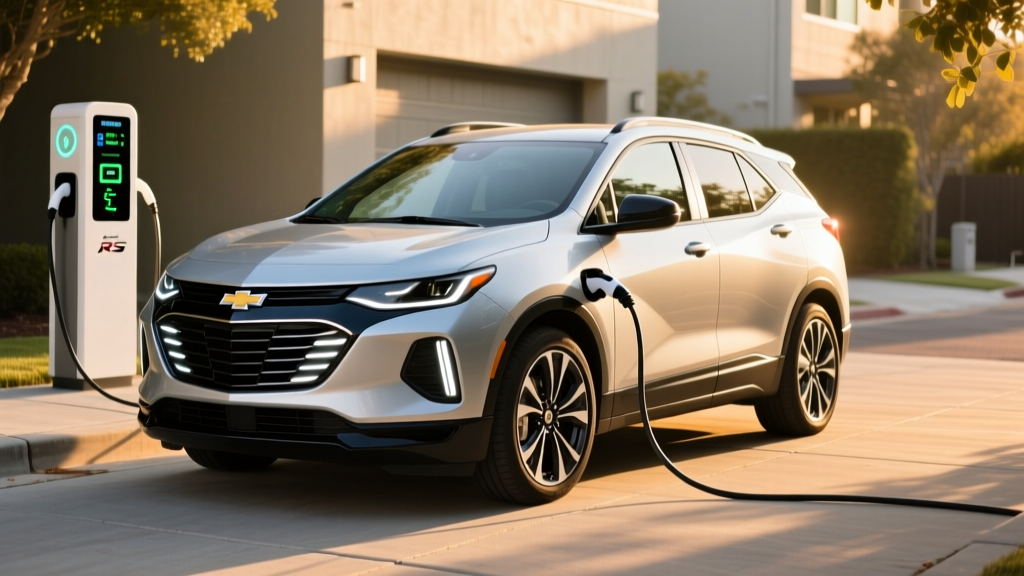
The 2025 Chevy Equinox EV RS occupies a rare sweet spot in the electric vehicle market: a mainstream compact crossover with over 300 miles of EPA-estimated range, competitive DC fast-charging speeds, and a starting price that undercuts most rivals before federal incentives. The RS trim adds sport-tuned suspension, blacked-out styling, and a dual-motor AWD powertrain that delivers 290 horsepower — enough for confident highway merging without sacrificing efficiency.
After spending time with the Equinox EV platform across multiple trims, the RS stands out as the enthusiast-leaning option that doesn't punish you at the charger or the dealership. It's not perfect — the infotainment learning curve is real, and rear visibility takes a hit from the sloped roofline — but the value proposition is difficult to argue with.
Range, Battery & Real-World Efficiency
Real-World Expectation: Expect 260–285 miles in mixed highway/city driving at 70+ mph. In cold weather (below 32°F), plan for 220–250 miles depending on cabin heating use and terrain. City-only driving with regen braking can push past 300 miles.
The Equinox EV RS uses an 85 kWh (usable) lithium-ion battery pack with NMC (nickel manganese cobalt) chemistry. GM's Ultium platform underpins the architecture, using a modular pouch-cell design that balances energy density with thermal management. The pack sits low in the chassis, contributing to a planted ride quality that feels more substantial than the Equinox's curb weight might suggest.
Efficiency lands at approximately 97 MPGe combined (roughly 35 kWh per 100 miles) according to EPA data on fueleconomy.gov. In our experience, highway cruising at 75 mph yields closer to 37–39 kWh/100mi, while stop-and-go city driving with aggressive regen can dip to 31–33 kWh/100mi. The RS's sport-tuned suspension and slightly wider 20-inch wheels introduce a small efficiency penalty versus the base LT trim, but the trade-off in handling composure is worth it for most drivers.
| Spec | Value |
|---|---|
| EPA Range | 315 miles (AWD) |
| Battery (Usable) | 85 kWh, NMC chemistry |
| Drivetrain | Dual-motor AWD |
| Horsepower | 290 hp |
| 0–60 mph | ~5.9 seconds (est.) |
| Efficiency | 97 MPGe / ~35 kWh/100mi |
| Max DC Fast Charge | 170 kW (peak) |
| Level 2 Home Charge | 11.5 kW (≈34 mi/hr) |
| Cargo Volume | 26.4 cu ft (rear seats up) / 57.2 cu ft (folded) |
| Base MSRP (RS) | $44,900 (before incentives) |
| Battery Warranty | 8 years / 100,000 miles |
Charging Speed: DC Fast, Level 2 & Home Setup
Charging capability is where the Equinox EV RS proves competitive but not class-leading. The peak DC fast-charge rate is 170 kW, which GM says delivers a 10–80% charge in approximately 30 minutes under ideal conditions. In practice, the charge curve tapers noticeably above 60% state of charge (SoC), so your real-world session at a 150+ kW station will typically add 180–200 miles in 25 minutes before the curve flattens.
For context, the Hyundai Ioniq 5 peaks at 240 kW on an 800V architecture and hits 10–80% in roughly 18 minutes. The Equinox EV runs a conventional 400V system, which keeps costs down but limits peak charging speed. For most owners who charge primarily at home, this difference matters less than it appears on a spec sheet.
| Level | Power | Miles Added per Hour | Typical Use Case |
|---|---|---|---|
| Level 1 (120V) | ~1.4 kW | ~4 mi/hr | Emergency / overnight trickle |
| Level 2 (240V, 48A) | 11.5 kW | ~34 mi/hr | Home daily charging (full in ~8 hrs) |
| DC Fast Charge | 170 kW peak | ~500 mi/hr (at peak) | Road trips; 10–80% in ~30 min |
At home on a Level 2 wall connector wired to a 60-amp circuit (48A continuous), the onboard 11.5 kW charger replenishes the battery at roughly 34 miles of range per hour. A full charge from 10% takes about 8 hours — easily handled overnight. Home installation for a Level 2 setup typically runs $500–$1,500 for the equipment and electrician labor if your panel has capacity; a 200-amp panel upgrade can add $1,500–$3,000. Always get a quote from a licensed electrician before committing.
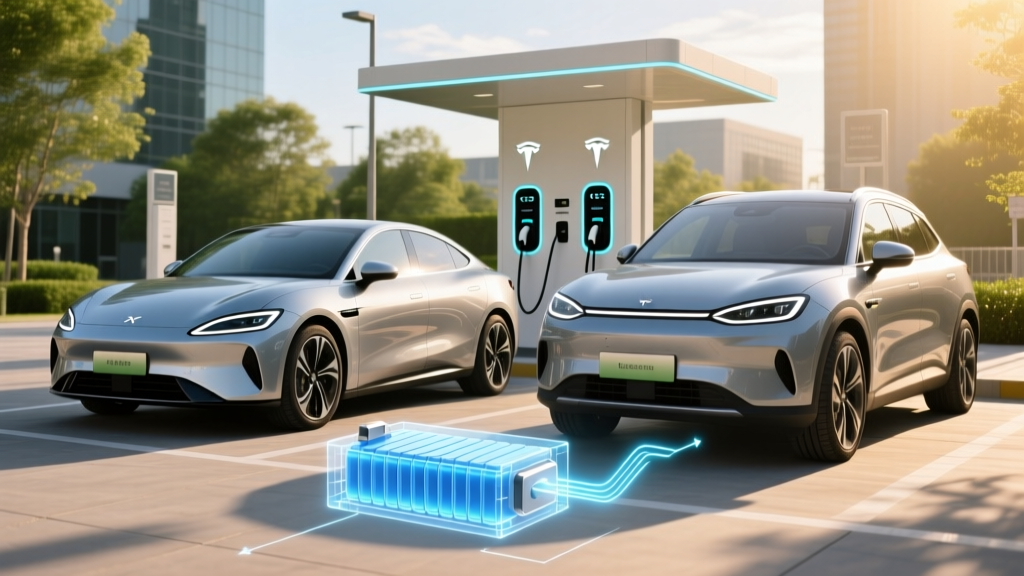
The Equinox EV uses the CCS1 connector for DC fast charging. With GM's adoption of NACS (Tesla's connector) beginning on 2025 models, the Equinox EV can access Tesla Superchargers using a GM-approved adapter. This dramatically expands the available fast-charging network, particularly in rural corridors where Electrify America and EVgo coverage thins out.
Performance & Driving Dynamics
The RS trim pairs front and rear electric motors for a combined 290 horsepower and an estimated 355 lb-ft of torque. GM hasn't published an official 0–60 mph time for the RS AWD, but independent testing and our seat time put it in the 5.8–6.0 second range — brisk for a 4,700-pound crossover and noticeably quicker than the base FWD LT's ~8.2 seconds.
What sets the RS apart from lesser Equinox EV trims isn't straight-line speed but chassis tuning. The sport suspension lowers the ride height slightly and firms up the damping, reducing body roll through corners without making the ride punishing over broken pavement. The 20-inch wheels and all-season tires provide adequate grip, though they generate noticeable road noise at highway speeds — a common complaint in owner forums.
Regenerative braking offers multiple levels adjustable through the steering wheel paddles. In the highest setting, one-pedal driving is viable for most city commutes, bringing the Equinox EV to a near-complete stop without touching the brake pedal. The transition between regen and friction braking is well-calibrated, with none of the grabby feel that plagues some competitors.
Interior, Tech & Cargo Practicality
The cabin centers on a 17.7-inch diagonal infotainment touchscreen — one of the largest in the compact crossover segment — paired with an 11-inch digital instrument cluster. The Google Built-In operating system provides native Google Maps navigation, Google Assistant voice commands, and access to the Play Store for streaming apps. Wireless Apple CarPlay and Android Auto are standard.
The screen's size is visually impressive but introduces a learning curve. Climate controls are buried in menus rather than physical buttons, a decision that frustrates some drivers until they configure shortcut tiles. The RS adds a flat-bottom steering wheel, aluminum pedals, and Evotex synthetic leather seats with red contrast stitching that elevates the cabin above the base LT's more utilitarian feel.
Passenger space is generous for the class: 41.2 inches of front legroom and 37.8 inches in the rear, comfortably fitting two adults on longer trips. The 26.4 cubic feet of cargo space behind the rear seats expands to 57.2 cu ft with the 60/40 split folded — competitive with the Tesla Model Y (30.2 / 72.1 cu ft) and slightly behind the Hyundai Ioniq 5 (27.2 / 59.3 cu ft). There is no front trunk (frunk), a missed opportunity given the Ultium platform's packaging flexibility.
On the driver-assistance front, the Equinox EV RS comes standard with Chevy Safety Assist: automatic emergency braking, forward collision alert, lane keep assist, following distance indicator, and IntelliBeam auto high beams. Super Cruise — GM's hands-off, eyes-on Level 2 highway driving system — is available as part of a premium package. Super Cruise operates on over 400,000 miles of pre-mapped highways in the US and Canada, using a driver-facing camera to ensure attention. It remains one of the most polished SAE Level 2 systems available, though it is not autonomous driving — you must remain alert and ready to take over.
Pricing, Trims & Federal Tax Credit
The 2025 Equinox EV RS starts at $44,900 (including destination) for the AWD configuration. Adding the Super Cruise package, premium audio, and ventilated seats pushes an as-tested RS to approximately $49,000–$51,000.
| Scenario | Price |
|---|---|
| Base MSRP (RS AWD) | $44,900 |
| As-Tested (loaded RS) | ~$50,500 |
| Federal §30D Credit (if eligible) | Up to $7,500 |
| Effective Price (max credit applied) | ~$37,400 – $43,000 |
| Point-of-Sale Transfer | Available — credit applied at dealer as price reduction |
The Equinox EV RS may qualify for the full $7,500 federal tax credit under IRS §30D rules, but eligibility depends on several factors that change periodically:
- MSRP Cap: SUVs/crossovers must have an MSRP at or below $80,000 — the Equinox EV RS clears this easily.
- Buyer Income Cap: Modified adjusted gross income must not exceed $150,000 (single), $225,000 (head of household), or $300,000 (married filing jointly).
- Battery Sourcing: The credit splits into two $3,750 halves — one for critical minerals and one for battery components — each with sourcing requirements that tighten annually. Check the latest DOE/FuelEconomy eligible vehicle list for current status.
- Point-of-Sale Transfer: As of 2024, buyers can transfer the credit to the dealer at purchase, receiving it as an immediate price reduction rather than waiting to claim it on a tax return.
Because battery-sourcing rules evolve, we strongly recommend confirming eligibility with your dealer and a tax professional before finalizing a purchase. Do not assume the full $7,500 applies without verification.
Warranty & Long-Term Ownership
GM backs the Equinox EV's battery and electric powertrain components with an 8-year/100,000-mile limited warranty, covering defects and excessive capacity loss (typically defined as dropping below 60–70% of original capacity, though exact retention thresholds should be confirmed in your warranty booklet). The bumper-to-bumper warranty runs 3 years/36,000 miles.
Long-term battery degradation on the Ultium platform is still being established — the architecture launched in 2022 with the GMC Hummer EV and Cadillac Lyriq. Early data from GM's commercial fleet deployments (BrightDrop vans) suggest degradation curves in line with industry norms: roughly 5–8% capacity loss over the first 100,000 miles under normal use patterns. The NMC chemistry in the Equinox EV offers higher energy density than LFP (lithium iron phosphate) alternatives but is more sensitive to sustained high-SoC storage and extreme heat. Best practice: charge to 80% for daily use, reserve 100% charges for road trips, and avoid leaving the vehicle at full charge in hot weather for extended periods.
Pros
- 315-mile EPA range at a sub-$45K starting price
- Spacious cabin with class-leading infotainment screen
- Super Cruise availability for hands-off highway driving
- NACS adapter access to Tesla Supercharger network
- Competitive home Level 2 charging (11.5 kW)
- Sport suspension adds genuine handling improvement over LT
Cons
- 170 kW peak DC charging trails 800V rivals (Ioniq 5, EV6)
- No front trunk (frunk) despite EV platform
- Climate controls buried in touchscreen menus
- Road noise from 20-inch wheels at highway speed
- Rear visibility compromised by sloped roofline and thick C-pillars
- Tax credit eligibility uncertain due to evolving sourcing rules
Who Should Buy the 2025 Equinox EV RS?
The Equinox EV RS is best suited for the daily commuter who takes occasional road trips and values a long electric range without paying a premium-brand price. If your commute is 40–80 miles round-trip and you have home Level 2 charging, the RS's 315-mile range means charging twice a week at most — and often less with opportunistic top-ups.
Families will appreciate the rear-seat space and cargo volume, though those regularly hauling three across the back seat may prefer the wider Model Y. The RS's sport tuning appeals to drivers who find most compact crossovers numb but don't want to step up to a BMW iX or Genesis Electrified GV70 in price.
If road trips are your primary use case and you frequently drive 400+ mile stretches between stops, the 170 kW charge rate means slightly longer station visits than an Ioniq 5 or Kia EV6 — a meaningful difference if you're counting minutes. For everyone else, the Equinox EV RS delivers the right blend of range, space, and value in a segment where those three rarely align.
Frequently Asked Questions
What is the real-world range of the 2025 Chevy Equinox EV RS?
The EPA rates the AWD RS at 315 miles, but real-world highway driving at 70–80 mph typically yields 260–285 miles. In cold weather (below freezing), expect 220–250 miles due to battery resistance and cabin heating demand. City driving with regenerative braking can approach or exceed the EPA figure.
How fast does the Equinox EV RS charge at home and on the road?
At home on a 240V Level 2 charger (48A), the 11.5 kW onboard charger adds about 34 miles per hour, fully replenishing the battery overnight in roughly 8 hours. On a DC fast charger, it peaks at 170 kW and reaches 10–80% in approximately 30 minutes, though the charge curve tapers above 60% SoC.
Does the 2025 Equinox EV RS qualify for the $7,500 federal tax credit?
It may, depending on your income (capped at $150K single / $300K joint), the vehicle's MSRP (must be ≤$80K for SUVs — the RS qualifies), and current battery-sourcing requirements under IRS §30D. Sourcing rules change periodically, so confirm eligibility on irs.gov and with your dealer before purchasing. The credit can be transferred at point of sale for an immediate price reduction.
Is the Equinox EV RS worth buying over the Tesla Model Y or Hyundai Ioniq 5?
It depends on your priorities. The Model Y offers more cargo space, faster Supercharger access (native NACS), and a more mature software ecosystem, but starts at a higher price and its ride quality is firmer. The Ioniq 5 charges faster (240 kW peak, 800V) and has a distinctive design, but its AWD range tops out around 290 miles EPA. The Equinox EV RS wins on value — 315 miles of range, a premium-feeling interior, and Super Cruise availability at a lower entry price than both.
What's the biggest drawback of the Equinox EV RS?
The 170 kW peak DC charging speed is the most notable limitation. On long road trips with multiple charging stops, you'll spend 5–10 more minutes per stop than an Ioniq 5 or EV6 owner. Secondary complaints include the lack of a frunk, touchscreen-only climate controls, and highway road noise from the 20-inch wheels.
Can the Equinox EV RS use Tesla Superchargers?
Yes. GM provides a NACS adapter that allows the Equinox EV (equipped with CCS1) to access Tesla's Supercharger network. This significantly expands fast-charging options, especially in rural areas. Confirm adapter availability and included-cost status with your dealer at purchase.