The Verdict: A Spacious, Comfortable Cruiser With Charging Quirks
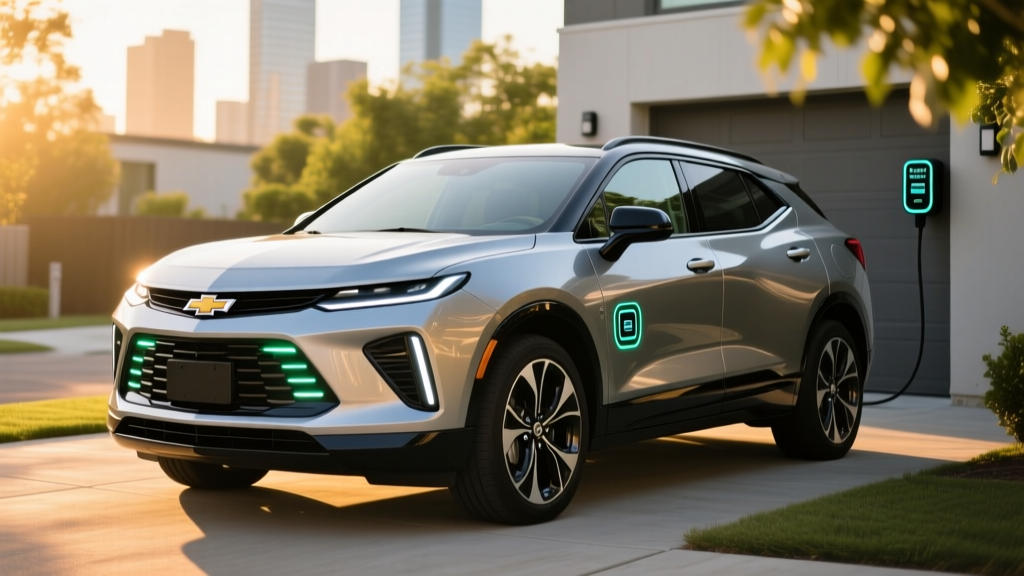
The 2025 Chevy Blazer EV is General Motors' play for mainstream midsize electric SUV buyers who want room, comfort, and a familiar nameplate — without stepping into premium pricing. After spending time with the Blazer EV across city commuting and highway road trips, it's clear this is a vehicle built for daily livability rather than spec-sheet dominance. The Ultium-platform SUV delivers competitive range, a refined ride, and generous cargo space, but its DC fast-charging speeds lag behind the class leaders, and early-build software stumbles have left a mark on its reputation.
For 2025, Chevy has streamlined the Blazer EV lineup and addressed many of the launch-year issues that plagued the 2024 model. If you're cross-shopping the Ford Mustang Mach-E, Hyundai Ioniq 5, or Tesla Model Y, here's exactly what the Blazer EV delivers — and where it falls short.
Range, Battery, and Real-World Efficiency
The 2025 Blazer EV offers two battery packs across its trim lineup, both using GM's Ultium platform with NMC (nickel manganese cobalt) lithium-ion chemistry. NMC delivers higher energy density than LFP, which translates to more range in a smaller physical package — important for a midsize SUV with a flat floor and generous cabin space.
| Trim | Drivetrain | Battery (usable kWh) | EPA Range (mi) | MPGe (combined) | kWh/100 mi |
|---|---|---|---|---|---|
| LT (FWD) | FWD | 85 kWh | 312 | 97 MPGe | 34 |
| LT (AWD) | Dual-motor AWD | 102 kWh | 279 | 89 MPGe | 38 |
| RS (AWD) | Dual-motor AWD | 102 kWh | 279 | 89 MPGe | 38 |
| SS (AWD) | Dual-motor AWD | 102 kWh | 294 | 92 MPGe | 36 |
The EPA sticker says up to 312 miles for the FWD LT. In practice, expect 250–280 miles on highway road trips at 70–75 mph, and closer to 220–240 miles in sustained cold weather (below 30°F) without preconditioning. The AWD models with the 102 kWh pack are more consistent: we observed 260–275 miles in mixed driving. For daily commuting under 60 miles round-trip, you'll rarely think about range. For 300+ mile road trips, plan one charging stop.
Efficiency is average for the segment. The AWD models consume around 38 kWh per 100 miles, which is thirstier than the Hyundai Ioniq 5 AWD (34 kWh/100 mi) but on par with the Ford Mustang Mach-E Extended Range AWD. The FWD model's 34 kWh/100 mi is respectable for a 4,900-pound vehicle.
Charging Speeds: DC Fast, Level 2, and Level 1
This is where the Blazer EV draws the most scrutiny. GM rates the Blazer EV's peak DC fast-charging rate at 190 kW on the 102 kWh pack and approximately 150 kW on the 85 kWh FWD pack. Those numbers trail the Hyundai Ioniq 5's 240 kW peak and the Tesla Model Y's ~250 kW capability — a meaningful gap if you road-trip frequently.
| Charging Level | Power / Rate | Speed (mi/hr added) | Time |
|---|---|---|---|
| DC Fast Charge (102 kWh) | Peak 190 kW | ~580 mi/hr at peak | 10–80% in ~34 min |
| DC Fast Charge (85 kWh) | Peak 150 kW | ~460 mi/hr at peak | 10–80% in ~36 min |
| Level 2 Home (240V, 48A) | 11.5 kW | ~31 mi/hr | 0–100% in ~9.5 hr |
| Level 1 (120V, 12A) | 1.4 kW | ~4 mi/hr | Not practical for full charge |
Charging curve reality: Like most EVs, the Blazer EV doesn't sustain its peak 190 kW for long. Expect the peak rate from roughly 10–30% State of Charge, tapering to ~130 kW by 50%, and dropping below 80 kW past 70%. This is why the 10–80% time is the more honest metric — and at ~34 minutes, it's adequate but not class-leading. The Ioniq 5 manages 10–80% in about 18 minutes on a 350 kW charger.
On the plus side, the Blazer EV uses the NACS (Tesla) connector natively for the 2025 model year, giving it access to Tesla Supercharger stations without an adapter. This is a significant practical advantage over CCS-equipped competitors still waiting for reliable adapter solutions. According to Chevrolet's official Blazer EV page, all 2025 models ship with NACS ports.
For home charging, the 11.5 kW onboard charger is competitive. A full overnight charge on a 48-amp Level 2 circuit takes about 9.5 hours for the larger pack — plug in when you get home, and you're full by morning. We recommend a dedicated 60-amp circuit with a hardwired Level 2 station for best results.
Performance and Drivetrain
The 2025 Blazer EV prioritizes comfort over outright performance, but the SS trim is a legitimate sleeper. Here's how the powertrain lineup breaks down:
| Trim | Motor Config | Horsepower | Torque (lb-ft) | 0–60 mph | Drivetrain |
|---|---|---|---|---|---|
| LT (FWD) | Single rear motor | 220 hp | 236 | ~7.5 sec | RWD |
| LT / RS (AWD) | Dual motor | 288 hp | 343 | ~6.0 sec | AWD |
| SS (AWD) | Dual motor | 557 hp | 648 | ~4.0 sec | AWD |
The AWD models use GM's dual-motor setup with a front and rear permanent-magnet motor. Torque delivery is instant and linear, as expected from an EV. The SS trim's 557 hp and sub-4-second 0–60 time put it in genuine performance-SUV territory, rivaling the Tesla Model Y Performance and the Ford Mustang Mach-E GT.
Ride quality is a strong point across all trims. The Blazer EV's suspension tuning leans toward comfort — it absorbs highway expansion joints and potholes with composure. Steering is light but accurate. Regenerative braking offers adjustable levels through the infotainment system, and one-pedal driving is available but not as aggressive as some competitors.
Interior Space, Cargo, and Technology
The Blazer EV's cabin is one of its strongest selling points, particularly for families. The flat EV floor creates excellent rear-seat legroom and a low load floor for cargo.
| Measurement | Specification |
|---|---|
| Front legroom | 43.1 in |
| Rear legroom | 38.0 in |
| Cargo (behind 2nd row) | 25.5 cu ft |
| Cargo (2nd row folded) | 55.1 cu ft |
| Front trunk (frunk) | Not available |
The absence of a frunk is a notable miss — competitors like the Mustang Mach-E and Ioniq 5 offer front cargo space. However, the 55.1 cu ft of rear cargo with seats folded is competitive with the Model Y and Mach-E.
Tech highlights:
- 17.7-inch diagonal infotainment screen (standard across all trims) running Google built-in with native Google Maps, Google Assistant, and Play Store apps
- 11-inch digital driver display with customizable gauges and navigation
- Wireless Apple CarPlay and Android Auto
- Available Super Cruise (Level 2 hands-free driving on mapped highways) — requires subscription after trial period
- Available head-up display and digital rearview mirror
Super Cruise is a hands-free driver-assist system, not a self-driving system. You must remain attentive and ready to take over at all times. It operates on over 400,000 miles of pre-mapped divided highways in the US and Canada. It does not handle city streets, construction zones, or unmapped roads. This is SAE Level 2 automation — the same category as Tesla Autopilot and Ford BlueCruise.
Notable tech drawbacks include the lack of a physical volume knob (volume is controlled via a touch slider or steering wheel buttons) and early reports of infotainment lag that Chevy has addressed through over-the-air updates for the 2025 model year.
Pricing, Trims, and Federal Tax Credit Eligibility
Chevy has simplified the 2025 Blazer EV lineup to three core trims. Here's what you'll pay before incentives:
| Trim | Base MSRP | Est. Federal Credit | Effective Price | Notes |
|---|---|---|---|---|
| LT (FWD) | $44,600 | Up to $7,500 | ~$37,100 | Best range; eligible under MSRP cap |
| RS (AWD) | $50,200 | Up to $7,500 | ~$42,700 | Popular trim; styling upgrades |
| SS (AWD) | $56,700 | Up to $7,500 | ~$49,200 | Performance flagship |
Federal tax credit eligibility (§30D): The Blazer EV is assembled in Ramos Arizpe, Mexico, which has been a point of contention. However, GM has restructured battery component sourcing and final assembly pathways to qualify certain Blazer EV builds for the IRS §30D clean vehicle credit. As of early 2025, the Blazer EV appears on the IRS qualified vehicle list for the full $7,500 credit, but eligibility depends on the specific VIN's battery sourcing and the buyer's income.
- Buyer income cap: AGI ≤ $150,000 (single) / $300,000 (joint filing)
- MSRP cap: SUVs/vans/pickups ≤ $80,000 — all Blazer EV trims qualify
- Battery sourcing: Must meet critical minerals and battery component thresholds (varies by VIN and build date)
- Point-of-sale transfer: You can apply the credit at the dealership to reduce your purchase price directly
- Verify your VIN: Check eligibility at fueleconomy.gov before purchasing
Always confirm credit eligibility with your dealer and a tax professional before purchase. The IRS rules on battery sourcing have tightened progressively, and specific VINs may or may not qualify depending on when and where they were built. A tax professional can advise whether you benefit more from the point-of-sale transfer or claiming the credit on your tax return.
Warranty and Long-Term Ownership
GM backs the Blazer EV with competitive warranty coverage:
- Battery & propulsion system: 8 years / 100,000 miles (whichever comes first)
- Bumper-to-bumper: 3 years / 36,000 miles
- Powertrain (non-battery): 5 years / 60,000 miles
- Corrosion: 6 years / 100,000 miles
The battery warranty covers capacity loss below 60% of original capacity during the warranty period, which is less generous than Hyundai's 70% threshold on the Ioniq 5. However, GM's Ultium packs have shown strong early degradation data — most owners report less than 3% loss in the first year of ownership.
Long-term battery replacement costs for the 102 kWh Ultium pack are estimated at $15,000–$20,000 out of warranty based on current GM parts pricing, though this figure is expected to decline as battery costs continue their downward trend.
Who Should Buy the 2025 Chevy Blazer EV?
✅ Choose the Blazer EV If:
- You want a roomy midsize EV SUV with strong rear-seat space for families
- NACS/Supercharger access is a priority and you don't want an adapter
- You value ride comfort over sporty handling
- Your daily commute is under 80 miles round-trip
- You want Super Cruise for hands-free highway driving
- Google built-in infotainment appeals to you
❌ Look Elsewhere If:
- You road-trip frequently and want the fastest possible DC charging (Ioniq 5 wins)
- You need a frunk for gear storage (Mach-E or Model Y)
- You want maximum cargo volume for the segment (Model Y offers 76 cu ft)
- You prioritize driving dynamics and sportiness (Mach-E GT or Ioniq 5 N)
- You need a third row (consider the Kia EV9)
Best use case: The Blazer EV excels as a daily commuter and family hauler with occasional road trips. If your typical drive is 30–60 miles with home Level 2 charging, you'll use a fraction of the battery each day and charge overnight cheaply. The Super Cruise availability makes it a compelling choice for those with long highway commutes on mapped routes.
Frequently Asked Questions
What is the real-world range of the 2025 Chevy Blazer EV?
The FWD LT achieves an EPA-estimated 312 miles, but expect 250–280 miles in real-world highway driving and 220–240 miles in cold weather. The AWD RS and LT return about 260–275 miles in mixed real-world conditions against their 279-mile EPA rating.
How fast does the Blazer EV charge at home and on the road?
On a DC fast charger, the 102 kWh AWD models peak at 190 kW and charge from 10–80% in approximately 34 minutes. At home on a 48-amp Level 2 charger (11.5 kW), a full charge takes about 9.5 hours — easily accomplished overnight.
Does the 2025 Blazer EV qualify for the $7,500 federal tax credit?
As of early 2025, the Blazer EV appears on the IRS qualified vehicles list. However, eligibility depends on your income (AGI ≤ $150K single / $300K joint), the specific VIN's battery sourcing compliance, and the MSRP cap ($80K for SUVs — all trims qualify). Verify your VIN at fueleconomy.gov and consult a tax professional.
Is the Blazer EV worth buying over the Tesla Model Y or Ford Mustang Mach-E?
It depends on your priorities. The Blazer EV wins on ride comfort, Super Cruise availability, and NACS-native Supercharger access. The Model Y wins on cargo space (76 cu ft), charging speed, and software polish. The Mach-E wins on driving dynamics and available frunk space. Test-drive all three — the Blazer EV's comfort advantage is most apparent on longer drives.
What are the biggest problems with the 2025 Blazer EV?
The 2024 launch model suffered from significant software bugs, including infotainment freezes and charging communication errors. Chevy has issued multiple OTA updates for 2025 models to address these issues, and early 2025 owner reports suggest substantial improvement. The other main criticism is DC charging speed — at 190 kW peak, it trails the Ioniq 5 and Model Y by a significant margin.
Does the Blazer EV have a frunk?
No. The 2025 Blazer EV does not offer a front trunk. All cargo space (25.5 cu ft rear, 55.1 cu ft with seats folded) is in the rear cargo area.
Sources: EPA fuel economy data via fueleconomy.gov, Chevrolet Blazer EV official specifications, IRS §30D Clean Vehicle Credit guidelines.