The Electric Flagship Arrives: 2025 Cadillac Escalade IQ at a Glance
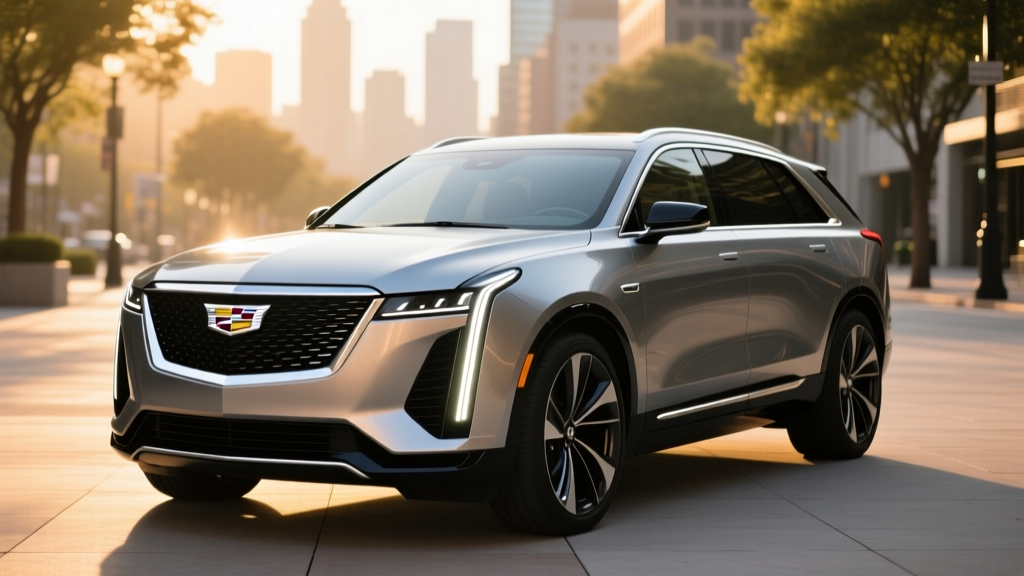
The 2025 Cadillac Escalade IQ is the brand's first all-electric full-size luxury SUV, built on GM's BT1 battery-electric truck platform shared with the Silverado EV and Sierra EV. It replaces nothing — it exists alongside the combustion Escalade — but it signals where Cadillac's ultra-luxury flagship is headed. With an EPA-estimated 460 miles of range, a massive Ultium battery pack, and a starting price of $129,990, the Escalade IQ targets buyers who want three-row luxury without visiting a gas station.
But does a 7,000-plus-pound electric SUV deliver on its promises when you leave the brochure behind? We break down the real-world range, charging realities, ownership economics, and whether the Escalade IQ justifies its six-figure price tag against rivals like the Mercedes EQS SUV and the Tesla Model X.
| Spec | Value |
|---|---|
| EPA Range (est.) | 460 miles |
| Battery Capacity | ~200+ kWh usable (NCMA Ultium) |
| Drivetrain | Dual-motor AWD (e4) |
| Horsepower | 680 hp (up to 750 hp with Velocity Max) |
| Torque | 785 lb-ft (up to 785 lb-ft) |
| 0–60 mph | Under 5.0 seconds (est. ~4.7s with Velocity Max) |
| Max DC Fast Charge | 350 kW (peak) |
| 10–80% DC Charge Time | ~20 minutes (est.) |
| Level 2 Home Charging | 19.2 kW / ~48 mi/hr |
| MPGe (est.) | ~63 MPGe combined |
| Towing Capacity | Up to 8,000 lbs (est.) |
| Seating | 7 passengers (standard) / 6 (Executive seating) |
| Base MSRP | $129,990 (Luxury 1); $149,990 (Sport 1) |
| Battery Warranty | 8 years / 100,000 miles |
Range and Efficiency: The 460-Mile Promise vs. Reality
Cadillac targets an EPA-estimated 460 miles of range for the Escalade IQ, a figure made possible by its enormous Ultium battery pack — reportedly over 200 kWh of usable capacity. This is among the largest battery packs ever fitted to a production passenger vehicle, and it's the primary reason the Escalade IQ can claim range figures that rival far smaller, lighter EVs.
EPA estimate: 460 miles. Expect approximately 370–400 miles in mixed highway driving at 70–75 mph. In cold weather (below 30°F), plan for 310–350 miles of usable range due to battery resistance and cabin heating demands. The Escalade IQ's sheer mass (estimated 7,500+ lbs curb weight) means highway efficiency drops significantly compared to city driving where regenerative braking recaptures energy. On a flat, 65-mph cruise in mild weather, 420+ miles is achievable — but load up three rows of passengers and cargo, and you'll see the lower end of real-world estimates.
The Ultium platform uses NCMA (nickel-cobalt-manganese-aluminum) chemistry, which offers high energy density at the cost of some cycle-life longevity compared to LFP (lithium iron phosphate). Given the Escalade IQ's luxury positioning and likely lower annual mileage patterns, this trade-off is reasonable — most owners will charge at home and rarely cycle the full pack.
Efficiency is rated at approximately 63 MPGe combined (roughly 52 kWh per 100 miles). That's not exceptional by compact EV standards, but for a three-row luxury SUV weighing over three and a half tons, it reflects competitive engineering. For reference, the Mercedes EQS 580 SUV achieves about 64 MPGe combined with a far smaller 108.4 kWh battery but also significantly less range.
Charging Speed: 350 kW Peak and the Curve Reality
The Escalade IQ supports DC fast charging at up to 350 kW on compatible CCS or NACS stations (Cadillac is transitioning to NACS for 2025 models, granting access to Tesla's Supercharger network via adapter or native port depending on build date). At peak rate, Cadillac estimates a 10–80% charge in approximately 20 minutes.
However, peak charge rate is not sustained charge rate. The 350 kW figure represents the top of the charging curve, typically achieved between roughly 10–30% state of charge (SoC). As the battery fills, the charge rate tapers — by 60% SoC, expect rates closer to 150–180 kW, and above 80%, the rate drops sharply to protect battery health. On a 200+ kWh pack, even a sustained 200 kW average from 10–80% would add roughly 140 kWh — enough for about 300 miles of range — in roughly 42 minutes. The "20-minute" claim assumes optimal pre-conditioning and a low starting SoC at a 350 kW-capable station.
| Charging Level | Power (kW) | Approx. Miles Added per Hour | Notes |
|---|---|---|---|
| Level 1 (120V) | 1.4 kW | ~2–3 mi/hr | Emergency/trickle only |
| Level 2 (240V, 48A) | 11.5 kW | ~22 mi/hr | Standard home charger |
| Level 2 (240V, 80A) | 19.2 kW | ~37–48 mi/hr | Requires hardwired 100A circuit |
| DC Fast (peak) | 350 kW | ~700+ mi/hr (peak) | Sustained avg. far lower; 10–80% ~20 min |
For home charging, the Escalade IQ's 19.2 kW onboard charger is one of the fastest available in any EV. With a hardwired Level 2 unit on a dedicated 100-amp circuit, you can add roughly 37–48 miles of range per hour. A full overnight charge (10–12 hours) can replenish the entire pack. However, this requires significant electrical infrastructure — most homes will need a panel upgrade to support a 100-amp dedicated circuit. Budget $2,500–$5,000+ for the electrical work alone, depending on your panel capacity and run distance. A standard 48-amp Level 2 charger (11.5 kW, requiring a 60-amp circuit) is more practical for most installations and still adds about 22 miles per hour — enough to fully charge overnight for typical daily driving.
Preconditioning the battery before arriving at a DC fast charger is essential for achieving peak charge rates. Use the navigation system to route to a charger, and the Escalade IQ will warm the battery to optimal temperature. Skipping this step — especially in cold weather — can cut peak charge rates by 40–50%.
Performance and Driving Dynamics
The Escalade IQ uses GM's e4 dual-motor all-wheel-drive system with one motor on each axle. Standard output is rated at 680 horsepower and 785 lb-ft of torque. Engaging Velocity Max mode (available on Sport trims) bumps output to an estimated 750 horsepower, dropping the 0–60 mph time to under 5.0 seconds — remarkable for a vehicle of this size and weight.
The air suspension with Magnetic Ride Control provides adjustable ride height and adaptive damping. Expect a compliant, isolated ride quality consistent with Cadillac's luxury DNA, though the sheer mass of the battery pack means you'll feel the weight during aggressive cornering. This is a straight-line luxury cruiser, not a canyon carver.
Four-wheel steering (a feature shared with the GMC Hummer EV on the BT1 platform) significantly improves the turning radius, making the Escalade IQ surprisingly manageable in parking lots and tight urban streets. Rear-axle steering can turn the rear wheels up to 10 degrees, effectively shrinking the wheelbase at low speeds and improving stability at highway speeds.
Towing capacity is estimated at up to 8,000 pounds when properly equipped, though towing at maximum capacity will cut range roughly in half — expect 200–230 miles when pulling a heavy trailer at highway speeds.
Interior, Technology, and Cargo
The Escalade IQ's interior is where Cadillac justifies its price. The dashboard is dominated by a 55-inch total diagonal pillar-to-pillar LED display, comprised of multiple screens spanning the entire width of the cabin. The driver gets a configurable instrument cluster, the center stack handles infotainment and climate, and the passenger gets a dedicated entertainment screen. Rear passengers in Executive seating configurations get individual screens and reclining captain's chairs.
The flat floor enabled by the Ultium skateboard platform creates a more spacious cabin than the combustion Escalade. Cargo volume behind the third row is estimated at approximately 23 cubic feet, expanding to roughly 70+ cubic feet with the third row folded and over 120 cubic feet with both rear rows folded. A front trunk (frunk) adds additional sealed storage, estimated at around 10–12 cubic feet — useful for charging cables or groceries.
Legroom is generous across all three rows, with the second row offering approximately 42 inches and the third row around 34 inches — meaning adults can use the third row for longer trips, not just children.
On the driver-assistance front, the Escalade IQ comes equipped with Super Cruise, GM's Level 2 hands-free driving system that operates on over 750,000 miles of mapped highways in the US and Canada. Super Cruise is not autonomous driving — it requires driver attention monitoring via a camera on the steering column, and you must remain ready to take over at any time. It excels at long highway stretches but does not handle surface streets, construction zones, or unmapped roads. Expect Ultra Cruise (GM's next-gen system with broader coverage) to potentially arrive as an over-the-air update during the vehicle's lifecycle.
Pricing, Trims, and Federal Tax Credit Eligibility
The 2025 Escalade IQ launches in two main trim families:
- Luxury 1: Starting at $129,990 (includes destination)
- Sport 1: Starting at $149,990
- Luxury 2 / Sport 2 (higher optioned): Estimated $145,000–$165,000+
Fully loaded examples with Executive rear seating, UltraView packages, and premium audio will push well past $170,000.
| Trim | Base MSRP | Federal §30D Credit | Effective Price (if eligible) |
|---|---|---|---|
| Luxury 1 | $129,990 | $0 (exceeds MSRP cap) | $129,990 |
| Sport 1 | $149,990 | $0 (exceeds MSRP cap) | $149,990 |
Critical tax credit note: Under IRS §30D rules, the federal EV tax credit has an MSRP cap of $80,000 for SUVs, vans, and pickup trucks. The Escalade IQ, starting at $129,990, far exceeds this cap and does not qualify for the $7,500 federal tax credit regardless of buyer income, battery sourcing, or any other factor. There is also a buyer income cap ($300,000 joint / $150,000 single) and critical mineral/battery component sourcing requirements — but none of that matters here because the MSRP alone disqualifies it.
Some state and local incentives may still apply (check your state's EV rebate program), and the commercial clean vehicle credit (§45W) could theoretically apply if the vehicle is purchased through a business entity — consult a tax professional for guidance on that path. As always, verify current rules at IRS.gov.
Competitive Comparison: Escalade IQ vs. the Field
The Escalade IQ occupies a narrow lane: ultra-luxury, three-row, full-size electric SUV. Its closest competitors include:
- Mercedes-Benz EQS 580 SUV: Starting ~$105,550, 305-mile EPA range, 108.4 kWh battery, 536 hp. Smaller, less range, but significantly less expensive. More refined ride, less cargo space.
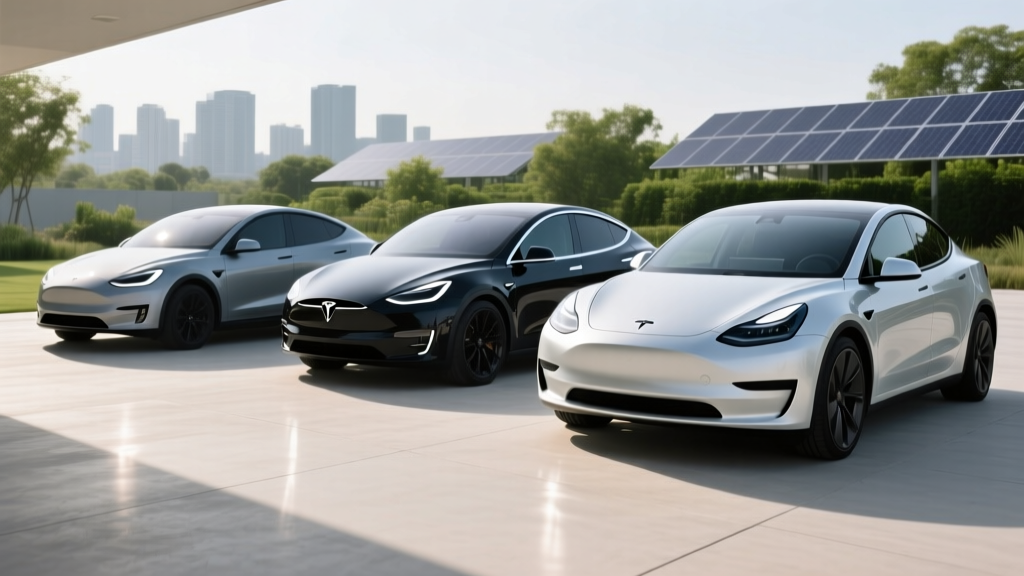
- Tesla Model X Plaid: Starting ~$94,990, 311-mile EPA range, 1,020 hp, 0–60 in 2.5s. Far faster, far cheaper, but the interior quality and ride refinement don't match Cadillac's luxury standard. Supercharger access is native.
- BMW iX xDrive50: Starting ~$87,250, 324-mile EPA range, 111.5 kWh battery. Two-row only — not a direct three-row competitor, but relevant for luxury EV SUV buyers.
- Rivian R1S (Tri-Motor): Starting ~$99,900, ~400-mile range (max pack), 850 hp. More off-road capable, slightly smaller, more adventurous positioning. Three-row seating available.
The Escalade IQ's unique selling proposition is its combination of 460-mile range, three-row luxury, and Cadillac's brand cachet. No competitor matches all three. If range is paramount, the Escalade IQ wins. If price matters, the Model X or EQS SUV wins. If you want off-road credibility, the R1S wins.
Pros, Cons, and Who Should Buy
- Class-leading 460-mile EPA range eliminates most range anxiety
- Genuine three-row seating with adult-usable third row
- 55-inch pillar-to-pillar display is a visual spectacle
- Super Cruise hands-free driving on 750k+ miles of highway
- 19.2 kW Level 2 onboard charger enables fast home charging
- Four-wheel steering improves maneuverability significantly
- Quiet, compliant air-suspension ride quality
- $129,990+ starting price with no federal tax credit eligibility
- Massive battery means long full-charge times even at Level 2
- Heavy weight (7,500+ lbs) hurts efficiency and tire wear
- Real-world highway and cold-weather range drops to 310–400 mi
- Home charging may require expensive panel upgrade (100A circuit)
- NACS transition timing may require adapter for some Superchargers
- No off-road pretensions unlike Rivian R1S
Who this EV suits best: The Escalade IQ is built for affluent families and executives who currently own (or would consider) a combustion Escalade, want three-row luxury, have reliable home charging access, and prioritize range above all else in an electric SUV. It's ideal for the 400-mile weekend trip to the lake house, the daily school run in silent electric mode, and the executive who wants to arrive without stopping at a gas station. It is not ideal for budget-conscious buyers, apartment dwellers without home charging, or anyone who needs serious off-road capability.
Warranty and Long-Term Ownership
Cadillac covers the Escalade IQ's Ultium battery pack with an 8-year / 100,000-mile warranty, guaranteeing the battery will retain at least 70% of its original capacity during that period. The limited vehicle warranty is 4 years / 50,000 miles, with powertrain coverage at 6 years / 70,000 miles.
Given the NCMA chemistry and the sheer size of the pack, long-term degradation is a watch item. Large packs tend to degrade more gracefully in percentage terms because daily driving uses a smaller fraction of total capacity. If you drive 12,000 miles per year and charge mostly at home at moderate rates, expect well over 90% capacity retention at the 8-year mark. DC fast charging exclusively will accelerate degradation — vary your charging habits for best longevity.
Insurance costs for the Escalade IQ will be substantial — expect premiums 30–50% higher than the combustion Escalade due to the high replacement cost of the battery pack and specialized repair requirements. Get quotes before purchasing.
Frequently Asked Questions
What is the real-world range of the 2025 Cadillac Escalade IQ?
The EPA estimates 460 miles. In real-world mixed highway driving at 70–75 mph, expect approximately 370–400 miles. In cold weather below 30°F, plan for 310–350 miles. City driving with regenerative braking can approach or even exceed the EPA figure.
How fast does the Escalade IQ charge at home and on the road?
At a 350 kW DC fast charger, Cadillac estimates 10–80% in approximately 20 minutes under optimal conditions (preconditioned battery, low starting SoC). At home on a 19.2 kW Level 2 charger (80A hardwired), expect a full charge in roughly 10–12 hours. On a standard 48A Level 2 (11.5 kW), a full charge takes approximately 18–20 hours.
Does the 2025 Escalade IQ qualify for the federal EV tax credit?
No. The IRS §30D credit has an MSRP cap of $80,000 for SUVs. The Escalade IQ starts at $129,990, which exceeds this cap. It does not qualify for the $7,500 federal credit regardless of buyer income or battery sourcing. State incentives may still apply — check your local program.
How much does it cost to own vs. the gas Escalade?
The gas Escalade starts around $83,000 (significantly less), but the IQ eliminates fuel costs (roughly $3,500–$4,500/year savings at 12,000 miles and $3.50/gallon for the V8). Over 5 years, fuel savings might total $17,500–$22,500 — not enough to offset the $47,000+ price premium. The IQ makes financial sense primarily for buyers who value the technology, silence, and environmental profile, not pure economics.
Is the Escalade IQ worth buying over the Mercedes EQS SUV or Tesla Model X?
If range is your top priority, the Escalade IQ's 460-mile EPA estimate crushes the EQS SUV (305 miles) and Model X (311 miles). If price matters, the Model X starts $35,000 lower. If interior luxury and ride refinement matter most, the EQS SUV and Escalade IQ are closely matched, with Cadillac winning on space and range and Mercedes winning on price. Test-drive all three before deciding.
Can I tow with the Escalade IQ?
Yes — estimated towing capacity is up to 8,000 pounds. However, towing at or near maximum capacity will reduce range by roughly 50%, bringing real-world range down to approximately 200–230 miles at highway speeds. Plan charging stops accordingly when towing.
What charging connector does the Escalade IQ use?
The 2025 Escalade IQ is part of GM's transition to the NACS (North American Charging Standard) connector, used by Tesla's Supercharger network. Depending on build date, your vehicle may ship with a native NACS port or a CCS port with a NACS adapter. Confirm with your dealer. DC fast charging on Electrify America, EVgo, and other networks will work via the appropriate connector or adapter.
Sources: Cadillac Escalade IQ official page, IRS §30D Clean Vehicle Credit rules, EPA Fuel Economy.