Quick Verdict: The Cooper SE's Final Lap
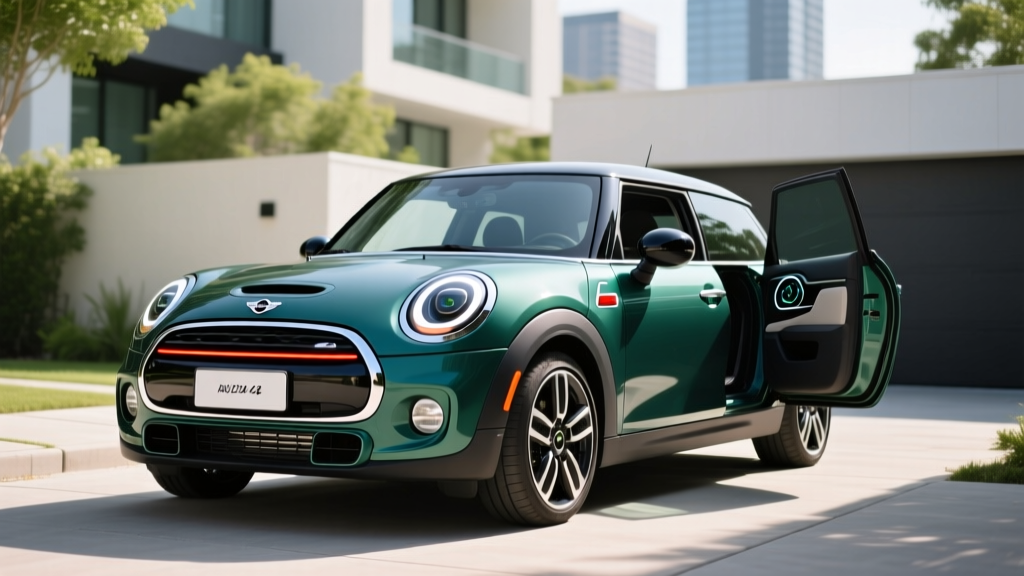
The 2024 Mini Hardtop 4 Door Cooper SE was the last model year of Mini's first-generation electric hatchback before the brand pivoted to its next-generation EV lineup. If you're researching this car on the used market or found leftover dealer inventory, understanding the exact 2024 Mini Hardtop 4 Door Cooper SE MSRP and what it delivers is essential before signing any paperwork.
Here's the bottom line: the Cooper SE offers iconic Mini handling, premium interior quality, and city-friendly dimensions — but its 32.6 kWh battery and 114-mile EPA range make it strictly an urban commuter. If your daily round trip exceeds 70 miles, or you face brutal winters, this EV demands careful planning. For a second car, a city apartment dweller with home charging access, or someone who wants a fun, compact EV runabout, it remains a charming option at the right price.
| Spec | Value |
|---|---|
| EPA Range | 114 miles |
| Battery (gross / usable) | 32.6 kWh / 28.9 kWh |
| Battery Chemistry | NMC (Nickel Manganese Cobalt) |
| Motor / Drivetrain | Single front motor / FWD |
| Horsepower / Torque | 181 hp / 199 lb-ft |
| 0–60 mph | 6.9 seconds |
| EPA Efficiency | 110 MPGe combined (31 kWh/100 mi) |
| Max DC Fast Charge | 50 kW (CCS1) |
| 10–80% DC Time | ~36 minutes |
| Level 2 AC Charge Rate | 7.4 kW (~25 mi/hr) |
| Cargo Volume (rear seats up) | 9.4 cu ft |
| Rear Legroom | 30.7 inches |
| Battery Warranty | 8 years / 100,000 miles |
| Base MSRP (Signature) | $30,900 |
| Iconic Trim MSRP | $34,900 |
Range and Efficiency: 114 Miles on Paper, Less in Practice
EPA Sticker: 114 miles
Real-World Expectation: 90–100 miles on the highway at 70 mph; 75–85 miles in sub-40°F winter conditions; up to 110 miles in city driving with regen braking.
The Cooper SE's 28.9 kWh usable battery is small by modern EV standards. That directly limits range, but it also keeps the car light — roughly 3,100 pounds — which helps efficiency. The EPA rates it at 110 MPGe combined, which translates to 31 kWh per 100 miles driven. According to fueleconomy.gov, that efficiency figure is competitive with larger EVs like the Nissan Leaf and Chevrolet Bolt EUV.
Where the math gets tighter is highway driving. At sustained 70+ mph speeds, EV efficiency drops because aerodynamic drag increases with the square of velocity. In our experience with similar small-battery EVs, expect the Cooper SE to return roughly 85–100 miles at interstate speeds before you need to find a charger. In cold weather — particularly below 30°F — lithium-ion batteries lose effective capacity due to increased internal resistance and cabin heating demands. Plan for a 20–30% range reduction in winter, which can push real range into the 75–85 mile territory.
The Cooper SE does include a heat pump on some markets, but U.S.-spec models for 2024 relied on resistive PTC heating, which is a significant energy draw. If you live in a cold climate, preconditioning the cabin while still plugged in at home is essential to preserving range.
Charging Speed: Functional but Far from Fast
| Level | Connector | Max Power | Rate |
|---|---|---|---|
| Level 1 (120V) | J1772 | 1.4 kW | ~4 mi/hr |
| Level 2 (240V) | J1772 | 7.4 kW | ~25 mi/hr (full in ~4 hrs) |
| DC Fast Charge | CCS1 | 50 kW peak | 10–80% in ~36 min |
The Cooper SE's 50 kW DC fast-charge ceiling is the most significant limitation for road-trip viability. To put that in context, modern EVs like the Hyundai Ioniq 5 or Tesla Model 3 accept 150–250 kW, completing a 10–80% charge in 18–25 minutes. The Mini takes nearly twice as long, and because the battery is small, you're adding roughly 70 usable miles in that 36-minute session.
The charge curve on the Cooper SE is relatively flat up to about 60% State of Charge (SoC), then tapers noticeably above 80%. This is typical of NMC chemistry at lower charge rates — the battery management system reduces current to protect cell longevity. If you're relying on DC fast charging for daily needs, expect most sessions to be in the 30–40 minute range for a meaningful top-up.
Home Level 2 charging at 7.4 kW is adequate. A full charge from near-empty takes about four hours, which is easily accomplished overnight on a standard 240V home charger. Level 1 charging from a standard 120V outlet adds roughly 4 miles per hour — enough for light daily use if you drive under 30 miles per day and can plug in every night.
The 2024 Cooper SE uses the CCS1 connector for DC fast charging and J1772 for Level 1/2. It does not have a NACS (Tesla) port. If you plan to use Tesla Superchargers, you'll need a CCS-to-NACS adapter once Mini officially supports third-party adapters — check with your dealer for compatibility updates.
Performance and Driving Dynamics
The single front-mounted electric motor produces 181 horsepower and 199 lb-ft of torque, sending power to the front wheels. The 0–60 mph time of 6.9 seconds is brisk for a car this size — quick enough to merge confidently and overtake on two-lane roads. The instant torque delivery makes the Cooper SE feel faster than the numbers suggest in city driving, where most acceleration happens from 0–40 mph.
This is where Mini's DNA shines. The low center of gravity from the floor-mounted battery, the short wheelbase (105.1 inches), and the go-kart steering feel carry over from the gas-powered Hardtop. The Cooper SE is genuinely engaging to drive on twisty roads — more so than a Nissan Leaf or Bolt EUV, which prioritize comfort over dynamics. The trade-off is a firmer ride; rough pavement transmits more into the cabin than you'd find in a Hyundai Kona Electric.
Regenerative braking offers adjustable levels via driving modes (Green+, Green, Mid, Sport). In Green+ mode, regen is strong enough for near one-pedal driving in city traffic, though it won't bring the car to a complete stop like some competitors. This is a missed opportunity — full one-pedal capability would improve efficiency and reduce brake wear in urban use.
Interior, Tech, and Practicality
The 2024 Cooper SE interior is a strong point. The circular OLED center display (8.8 inches) runs Mini's Operating System 7, which supports wireless Apple CarPlay and Android Auto, navigation with real-time traffic, and EV-specific features like charging station routing and energy flow monitoring.
Standard driver-assistance features include forward collision warning with automatic emergency braking, lane departure warning, and a rearview camera. Adaptive cruise control and parking assistant are available on the Iconic trim. These are Level 0–1 driver assists — the Cooper SE does not offer any Level 2 hands-free driving system like GM's Super Cruise or Ford's BlueCruise.
Practicality is where the 4-door body style helps, but only incrementally. Rear legroom at 30.7 inches is tight for adults on longer trips — fine for children or short city rides. Cargo space behind the rear seats is 9.4 cubic feet, which is less than a Honda Fit but enough for groceries, a couple of carry-on bags, or a week's worth of commuter gear. Folding the rear seats opens up roughly 30 cu ft, but the load floor is higher than the gas Hardtop due to battery packaging underneath.
There is no front trunk (frunk). The space under the hood is occupied by the motor, power electronics, and the 12V auxiliary battery. This is typical of EVs converted from ICE platforms rather than built on dedicated EV architectures.
2024 Mini Hardtop 4 Door Cooper SE MSRP and Tax Credit Breakdown
| Trim | Base MSRP | Destination | Total Before Incentives |
|---|---|---|---|
| Signature | $30,900 | $995 | $31,895 |
| Iconic | $34,900 | $995 | $35,895 |
The 2024 Mini Hardtop 4 Door Cooper SE was offered in two trims: Signature and Iconic. Both fall under the IRS §30D MSRP cap of $55,000 for sedans/hatchbacks, so price alone does not disqualify them.
However, the federal EV tax credit of up to $7,500 is not guaranteed for this model. Under current IRS §30D rules, eligibility depends on three factors:
- Battery sourcing: The Cooper SE's battery cells are sourced from supply chains that may not meet the critical minerals and battery component requirements introduced in 2023 and tightened annually through 2025. Verify current eligibility on the IRS qualified vehicles list before purchase.
- Buyer income caps: Modified adjusted gross income must not exceed $150,000 (single), $225,000 (head of household), or $300,000 (joint).
- Point-of-sale transfer: If eligible, the credit can be transferred to the dealer at purchase, reducing the upfront price rather than waiting for tax filing.
If the Cooper SE does not qualify for the full federal credit, some states offer separate incentives — California's CVRP, Colorado's innovative motor vehicle credit, and others may apply. Check your state's energy office or Alternative Fuels Data Center for local programs. Consult a tax professional for your specific situation.
Ownership Costs and Warranty
Mini provides a battery warranty of 8 years or 100,000 miles, guaranteeing the battery will retain at least 70% of its original capacity during that period. The general vehicle warranty is 4 years / 50,000 miles, with complimentary scheduled maintenance for 3 years / 36,000 miles.
For total cost of ownership, the Cooper SE's small battery is actually an advantage in one respect: home charging costs are low. At the U.S. average electricity rate of $0.17/kWh, a full charge costs roughly $4.90 (28.9 kWh usable × $0.17). Over 12,000 miles per year at 31 kWh/100 mi, annual electricity cost is approximately $632 — compared to roughly $1,500–$1,800 in gasoline for a comparable 30 MPG gas hatchback.
Insurance premiums for the Cooper SE tend to run 10–20% higher than the gas-powered Mini Hardtop due to EV repair cost structures. Get quotes before purchasing. Depreciation on the first-gen Cooper SE has been steeper than average because the 114-mile range is increasingly uncompetitive — expect 45–55% depreciation over three years, which is a risk for new buyers but an opportunity on the used market.
Who Should Buy the 2024 Cooper SE (And Who Shouldn't)
Pros
- Engaging go-kart handling that few compact EVs match
- Premium interior with distinctive Mini design
- Low running costs for city commuters
- Easy to park — 158.8 inches long
- Wireless CarPlay/Android Auto standard
Cons
- 114-mile EPA range is limiting for anything beyond commuting
- 50 kW DC fast charging is slow by 2024 standards
- Tight rear seat and cargo space
- No frunk, no one-pedal driving to a stop
- Federal tax credit eligibility uncertain due to battery sourcing
Best for: Urban commuters with home charging access, a second-car household, or someone who values driving dynamics over range. If your daily drive is under 50 miles round-trip and you can charge at home every night, the Cooper SE's range limitation becomes a non-issue.
Not for: Single-car households, frequent road-trippers, those in extreme cold climates without garage parking, or anyone who needs rear-seat space for adults regularly. The Kia Niro EV (239-mile range, ~$39,600) or used Chevrolet Bolt EV (259-mile range, lower price) offer dramatically more practicality at similar or lower cost.
Frequently Asked Questions
What is the real-world range of the 2024 Mini Cooper SE?
The EPA rates it at 114 miles. In real-world mixed driving, expect 95–110 miles in mild weather. Highway driving at 70 mph drops that to roughly 85–100 miles. In sub-freezing temperatures with cabin heating, plan for 75–85 miles of usable range.
How fast does it charge at home and on DC fast chargers?
On a Level 2 home charger (240V, 7.4 kW), a full charge takes about 4 hours, adding roughly 25 miles of range per hour. On a DC fast charger, it peaks at 50 kW and charges from 10–80% in approximately 36 minutes. That adds about 70 miles in a half-hour session.
Does the 2024 Mini Cooper SE qualify for the $7,500 federal EV tax credit?
It may, but eligibility is not guaranteed. The MSRP is under the $55,000 cap, but the battery must meet IRS critical mineral and component sourcing requirements that tighten each year. Check the IRS qualified clean vehicles list before purchasing, and confirm your income falls within §30D limits ($150K single / $300K joint).
Is the Cooper SE worth buying vs. competitors?
If driving fun and premium feel are your top priorities and you need under 100 miles of daily range, yes. If range and practicality matter more, the used Chevrolet Bolt EV (259 miles), Kia Niro EV (239 miles), or Hyundai Kona Electric (258 miles) are more versatile choices at comparable prices. The Cooper SE wins on personality, not specs.
What happens since the Cooper SE was replaced?
The 2024 model was the final year of the first-generation electric Hardtop. Mini's next-generation electric models (including the new Cooper Electric) feature larger batteries, longer range, and NACS charging compatibility. If you're buying the 2024 Cooper SE, you're getting a previous-generation EV — price accordingly on the used market, and expect steeper depreciation than newer platforms.