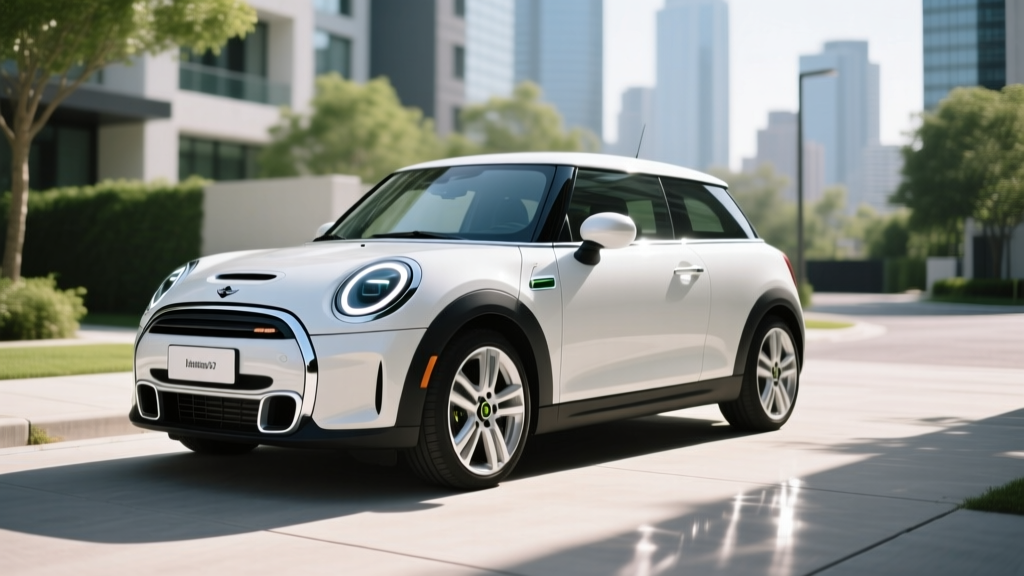
The 2024 Mini Cooper SE Hardtop 2 Door occupies a unique niche in the American EV market: it's one of the least expensive premium-brand electric cars you can buy, and it does so with a personality that no crossover or commuter pod can match. But with a compact 32.6 kWh battery and an EPA-estimated 114 miles of range, the Cooper SE demands an honest conversation about who it's actually for — and who should look elsewhere.
In this review, we break down the 2024 Mini Cooper SE Hardtop 2 Door MSRP across every trim, its real-world range and charging behavior, performance figures, interior practicality, and whether it qualifies for the federal EV tax credit under current IRS §30D rules. If you're cross-shopping this against the Chevrolet Bolt EV, Nissan Leaf, or Hyundai Kona Electric, the data below will help you decide.
2024 Mini Cooper SE Hardtop 2 Door MSRP and Trim Breakdown
Mini keeps the Cooper SE lineup relatively simple with two core trims for the 2024 model year. Here's what you'll pay before any incentives, destination charges, or dealer add-ons:
| Trim | Base MSRP | Key Additions Over Base |
|---|---|---|
| Signature | $30,900 | Heated seats, panoramic sunroof, 8.8" touchscreen, Apple CarPlay, LED headlights, DC fast charging |
| Iconic | $34,900 | Harman Kardon audio, head-up display, navigation, parking assistant, heated steering wheel, adaptive cruise |
Destination charges add approximately $995. A fully loaded Iconic with premium paint, 17-inch wheels, and the Cold Weather package can push the as-tested price to roughly $38,000–$39,500 before incentives.
| Scenario | Signature Trim | Iconic Trim |
|---|---|---|
| MSRP + Destination | $31,895 | $35,895 |
| Federal §30D Credit (if eligible) | –$7,500 | –$7,500 |
| Effective Price After Credit | ~$24,395 | ~$28,395 |
Tax credit caveat: The Cooper SE is assembled in Oxford, UK, which historically affected §30D eligibility under the battery sourcing and final assembly requirements introduced by the Inflation Reduction Act. Under current IRS §30D rules, eligibility depends on critical mineral sourcing and battery component manufacturing thresholds that shift annually. Always verify the vehicle's VIN on fueleconomy.gov and consult a tax professional before relying on the credit. The MSRP cap for passenger cars is $55,000, and buyer income caps apply ($150K single / $300K joint for modified AGI).
EPA Range, Real-World Efficiency, and the Cold-Weather Reality
EPA Estimated Range: 114 miles
Real-World Expectation: 95–110 miles in mixed driving; 80–95 miles in sustained highway or cold-weather (below 35°F) conditions.
Battery: 32.6 kWh total / ~28.9 kWh usable, NMC (nickel manganese cobalt) lithium-ion
The 114-mile EPA figure places the Cooper SE among the shortest-range EVs sold new in the US market. For context, the Chevrolet Bolt EV delivers 259 miles, and the Hyundai Kona Electric manages 261 miles from their respective batteries.
In real-world use, the Cooper SE's efficiency is respectable. The EPA rates it at 110 MPGe combined, which translates to roughly 31 kWh per 100 miles. That's competitive with larger EVs. The problem isn't efficiency — it's the small battery. With only ~28.9 kWh of usable capacity (Mini reserves a top and bottom buffer to protect long-term health), there simply isn't much energy to work with.
Cold weather hits the Cooper SE harder than EVs equipped with heat pumps. The SE uses a resistive PTC heater for cabin warmth, which can draw 3–5 kW in freezing temperatures. In our experience with similar Mini EV platforms, expect a 20–30% range reduction in sustained sub-freezing driving. If your winter commute is 40 miles round-trip, the SE handles it, but with little margin for detours or highway speeds.
Charging Speed: DC Fast Charge and Home Level 2
Charging speed is where the Cooper SE shows its age relative to competitors on newer 800V architectures. Here are the exact figures:
| Charging Level | Power / Rate | Speed | Notes |
|---|---|---|---|
| Level 1 (120V household) | ~1.4 kW | ~4–5 miles per hour | Full charge in ~24 hours; emergency use only |
| Level 2 (240V home/public) | 7.4 kW (single-phase onboard charger) | ~25 miles per hour | 0–100% in ~4.5 hours |
| DC Fast Charge (CCS) | 50 kW peak | 10–80% in ~36 minutes | Peak rate sustains only to ~50% SoC, then tapers significantly |
The 50 kW DC fast-charge ceiling is the Cooper SE's most significant functional limitation. At a modern 150–350 kW Electrify America or Tesla Supercharger station (via CCS adapter), the Mini won't pull more than its 50 kW limit. The charge curve is relatively flat from 10% to about 50%, then it tapers to roughly 25–30 kW above 70%. A 10–80% session takes approximately 36 minutes — adequate for a lunch stop, but noticeably slower than a Bolt EV (which peaks at 55 kW and hits 10–80% in about 30 minutes) or a Kona Electric (100 kW peak, ~47 minutes for 10–80% but from a much larger battery).
For home charging, the 7.4 kW onboard charger is the sweet spot. Plug in at 6 PM after a 30-mile commute, and you'll be back to 100% by 9 PM. Most owners will rarely need public charging if they have reliable Level 2 access at home or work.
Performance and Driving Dynamics
| Spec | Value |
|---|---|
| Motor | Single front-mounted electric motor (FWD) |
| Horsepower | 181 hp |
| Torque | 199 lb-ft (instant from 0 RPM) |
| 0–60 mph | 6.9 seconds |
| Top Speed | 93 mph (electronically limited) |
| Drivetrain | Front-wheel drive |
| Curb Weight | ~3,150 lbs |
The Cooper SE is genuinely fun to drive. The low center of gravity (battery mounted under the floor), quick steering, and instant torque make it one of the most engaging EVs under $40,000. The 6.9-second 0–60 time isn't quick by Tesla standards, but in a car this small and light, it feels punchy around town. FWD limits traction in snow compared to AWD competitors, but winter tires mitigate this.
Regenerative braking is adjustable via driving modes (MAX, MID, LOW), but the SE does not offer true one-pedal driving at its strongest setting — you'll still need the friction brakes for a complete stop. The steering remains go-kart direct, a Mini hallmark that carries over convincingly to the electric platform.
Interior, Cargo, and Daily Practicality
The Cooper SE uses the same F56 Hardtop 2 Door body as its gas-powered siblings, which means interior space is snug by modern standards:
- Front legroom: 41.4 inches
- Rear legroom: 30.9 inches (best for children or short trips)
- Cargo volume behind rear seats: 8.7 cubic feet
- Cargo volume with rear seats folded: 25.8 cubic feet
- No front trunk (frunk): The motor and power electronics occupy the engine bay
Build quality is a genuine strength. The 2024 model features Mini's circular OLED center display (8.8 inches), toggle-style gear selector, and available ambient lighting that makes the small cabin feel premium. Wireless Apple CarPlay is standard; Android Auto requires a wired connection. The Iconic trim adds a head-up display and Harman Kardon premium audio — both worthwhile upgrades for daily commuters.
Driver assistance is modest. The Cooper SE offers active cruise control (Iconic trim), lane departure warning, front collision warning with automatic emergency braking, and parking sensors. There is no semi-autonomous highway driving system comparable to GM's Super Cruise or Ford's BlueCruise. This is SAE Level 1 assistance, not Level 2.
Warranty Coverage and Battery Longevity
| Coverage | Term |
|---|---|
| Basic Vehicle Warranty | 4 years / 50,000 miles |
| Powertrain Warranty | 4 years / 50,000 miles |
| High-Voltage Battery Warranty | 8 years / 100,000 miles (retains ≥70% capacity) |
| Corrosion Warranty | 12 years / unlimited miles |
| Roadside Assistance | 4 years / unlimited miles |
Mini's battery warranty guarantees at least 70% capacity retention over 8 years or 100,000 miles, which is the industry-standard threshold. NMC chemistry in the Cooper SE has demonstrated moderate degradation in European fleet data — typically 8–12% loss over the first 60,000 miles. Given the small battery, even a 10% loss means dropping from 114 to roughly 103 EPA miles, which is noticeable on a car with this little range margin.
To maximize battery health, avoid routinely charging to 100% unless needed for a longer trip, and minimize consecutive DC fast-charge sessions when Level 2 is available. The Cooper SE's thermal management system is air-to-liquid, adequate for the battery size but less robust than the active liquid cooling in larger EVs.
Competitor Comparison: Where the Cooper SE Stands
| Spec | 2024 Mini Cooper SE | 2024 Chevy Bolt EV | 2024 Hyundai Kona Electric | 2024 Nissan Leaf S |
|---|---|---|---|---|
| Base MSRP | $30,900 | $26,500 | $32,675 | $28,140 |
| EPA Range | 114 mi | 259 mi | 261 mi | 149 mi (S) / 212 mi (SV+) |
| Battery (usable) | ~28.9 kWh (NMC) | ~65 kWh (NMC) | ~64 kWh (NMC) | 40 kWh (S) / 60 kWh (SV+) |
| DC Fast Charge Peak | 50 kW | 55 kW | 100 kW | 50 kW (CHAdeMO) |
| 0–60 mph | 6.9 sec | 7.0 sec | 7.4 sec | 7.4 sec (S) / 6.5 sec (SV+) |
| MPGe Combined | 110 | 120 | 120 | 111 (S) / 104 (SV+) |
| Cargo (rear seats up) | 8.7 cu ft | 16.3 cu ft | 25.8 cu ft | 23.6 cu ft |
The Cooper SE loses on range and cargo to every competitor listed. It wins on driving dynamics, build quality, brand cachet, and urban maneuverability. If your priority is maximum miles per dollar, the Bolt EV is the rational choice. If you want a practical small SUV with long range, the Kona Electric is superior. The Cooper SE is the pick if you value the driving experience and design over raw numbers.
Choose the Mini Cooper SE if: You have home Level 2 charging, your daily commute is under 60 miles round-trip, you prioritize driving engagement and premium build, and you don't regularly carry rear passengers or cargo.
Choose a competitor if: You need over 200 miles of range for road trips, you regularly use the rear seats or cargo area, you lack reliable home charging and need DC fast-charge speed, or you're maximizing value per mile of range.
Pros and Cons
Pros
- Engaging, go-kart handling with instant EV torque
- Premium interior build quality at a sub-$35K price
- Lowest MSRP among luxury-branded EVs
- Quick home Level 2 charging (7.4 kW, ~4.5 hrs to full)
- Distinctive design with strong personalization options
- Tight turning radius ideal for city driving
Cons
- 114-mile EPA range is the lowest of any current US-market EV
- 50 kW DC fast-charge peak is slow by 2024 standards
- Rear seat and cargo space are very limited
- No heat pump — cold weather hits range hard
- No frunk, no spare tire, limited storage cubbies
- Federal tax credit eligibility uncertain due to UK assembly
Frequently Asked Questions
What is the real-world range of the 2024 Mini Cooper SE?
In mild weather with mixed city/highway driving, expect 95–110 miles from a full charge. In sustained highway driving at 70+ mph, that drops to roughly 85–95 miles. In freezing temperatures with cabin heating, plan for 80–90 miles. The EPA's 114-mile figure assumes moderate conditions with some regenerative braking benefit from city driving.
How fast does the Cooper SE charge at home and on the road?
At home on a 240V Level 2 charger (32A), the Cooper SE charges at 7.4 kW, adding about 25 miles of range per hour. A full charge from empty takes approximately 4.5 hours. On DC fast chargers, it peaks at 50 kW, reaching 10–80% in about 36 minutes. It uses a CCS1 connector for DC charging.
Does the 2024 Mini Cooper SE qualify for the $7,500 federal EV tax credit?
Eligibility is complex. The Cooper SE is assembled in the UK, and its battery sourcing must meet evolving critical mineral and component requirements under IRS §30D. The MSRP ($30,900–$34,900) is well below the $55,000 passenger car cap, and most buyers fall within income limits. However, battery sourcing compliance varies — always check the VIN on fueleconomy.gov and consult a tax professional before assuming eligibility.
Is the Mini Cooper SE worth buying in 2024 versus competitors?
It depends entirely on your use case. If you want the most range per dollar, the Chevrolet Bolt EV (259 miles, ~$26,500) is objectively better. If you need cargo space and family utility, the Hyundai Kona Electric wins. The Cooper SE is worth buying if you value premium build quality, engaging handling, and urban-friendly size — and if your daily driving stays within its range envelope. It's a second car or a committed city commuter, not a primary family vehicle.
What happens if the Cooper SE battery degrades significantly?
Mini's high-voltage battery warranty covers 8 years / 100,000 miles with a 70% capacity retention guarantee. If the battery drops below that threshold within the warranty period, Mini will repair or replace it at no cost. Out-of-warranty replacement costs are estimated at $8,000–$12,000 based on current BMW/Mini EV battery pricing, though this figure may decrease as the battery supply chain matures.
Can I take the Cooper SE on road trips?
You can, but it requires planning. With 114 miles of range and 50 kW DC fast charging, expect to stop every 70–90 miles on the highway for a 30–40 minute charge session. A 300-mile trip that takes 5 hours in a gas car will take roughly 7.5–8.5 hours in the Cooper SE. It's viable for occasional road trips if you're patient, but this car is optimized for daily commuting, not cross-country travel.
The 2024 Mini Cooper SE Hardtop 2 Door remains a compelling niche EV: affordable, fun, and well-built, but constrained by a small battery and slow fast-charging. At an MSRP starting at $30,900, it works brilliantly as a premium urban commuter for drivers with home charging and short commutes. For everyone else, the range and charging limitations are deal-breakers that no amount of go-kart charm can overcome.