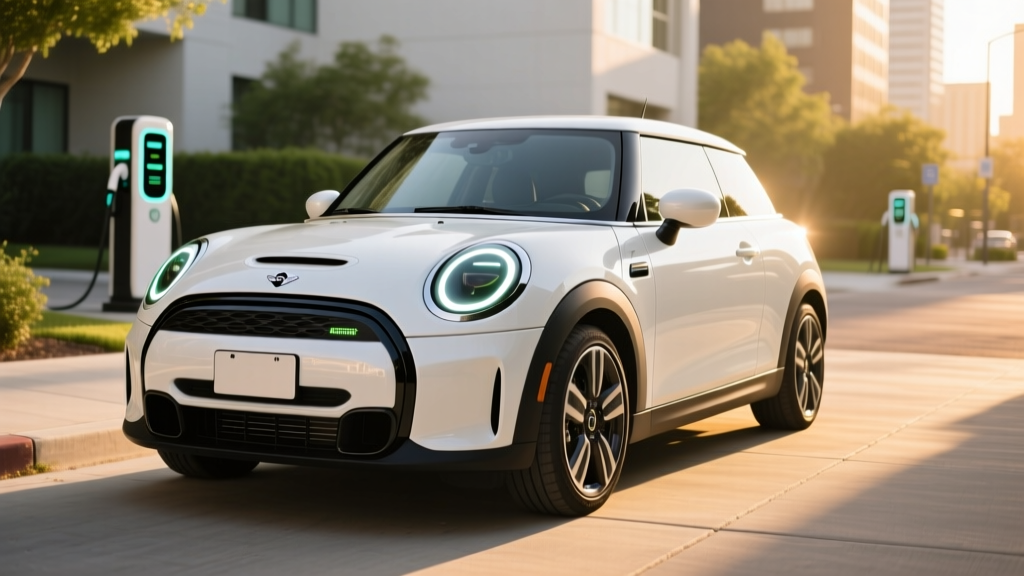
The 2024 Mini Cooper SE occupies a specific niche in the EV market: it is one of the least expensive premium-badge electric vehicles you can buy, and it delivers the go-kart handling Mini is known for — wrapped in a package with a deliberately compact battery. If you have been searching for the 2024 Mini Cooper SE Electric MSRP and wondering whether the low entry price compensates for a 114-mile EPA range, this review gives you every number you need to decide.
Before we get into the data, a critical context note: the 2024 model year is the final iteration of Mini's first-generation electric hatchback (built on the F56 platform). A redesigned 2025 Mini Cooper Electric with a larger battery and longer range has been announced for global markets, but as of early 2026, the 2024 version remains widely available through dealer inventory and certified pre-owned channels. All specs below reflect the 2024 model year as sold in the United States.
2024 Mini Cooper SE: Key Specs at a Glance
| Specification | Value |
|---|---|
| Base MSRP (Signature trim) | $30,900 |
| Iconic Trim MSRP | $34,900 |
| EPA Estimated Range | 114 miles |
| Battery Capacity (gross / usable) | 32.6 kWh / ~28.9 kWh |
| Battery Chemistry | NMC (Nickel Manganese Cobalt) |
| Motor Output | 181 hp / 199 lb-ft torque |
| Drivetrain | FWD (single front motor) |
| 0–60 mph | 6.9 seconds |
| EPA Combined MPGe | 110 MPGe |
| Efficiency | 31 kWh / 100 mi |
| Max DC Fast Charge Rate | 50 kW (CCS1) |
| 10–80% DC Fast Charge Time | ~36 minutes |
| Level 2 AC Charge Rate | 7.4 kW |
| Cargo Volume (rear seats up) | 8.7 cu ft |
| Battery Warranty | 8 years / 100,000 miles |
| Vehicle Warranty | 4 years / 50,000 miles |
Real-World Range: What 114 EPA Miles Actually Means
The Cooper SE's range figure is the single most polarizing aspect of this car. At 114 miles EPA, it trails virtually every other EV currently sold in the US. The Chevrolet Bolt EV (discontinued after 2023 but comparable) offered 259 miles; the Nissan Leaf S offers 149 miles; the Hyundai Kona Electric delivers 261 miles. Even the base Fiat 500e manages 149 miles.
However, the EPA combined cycle blends city and highway driving. Mini's urban-oriented buyers often find the real-world range acceptable because their daily commutes are short. According to fueleconomy.gov, the Cooper SE returns 119 MPGe city and 100 MPGe highway. The city-biased efficiency means a driver with a 20-mile round-trip commute can easily go three to four days between charges, even in moderate weather.
For anyone regularly driving more than 80 miles round-trip, or living in a cold climate without garage parking, the 114-mile range is a genuine limitation — not a marketing inconvenience. Plan your routes accordingly.
Charging Speed: DC Fast and Home Level 2
The 2024 Cooper SE uses a CCS1 connector for DC fast charging and a J1772 inlet for Level 1 and Level 2 AC charging. Here is what the charge times look like in practice:
| Charging Level | Power | Time (10–80% or Full) | Miles Added per Hour |
|---|---|---|---|
| Level 1 (120V household) | ~1.4 kW | ~24 hours (0–100%) | ~5 mi/hr |
| Level 2 (240V / 32A home charger) | 7.4 kW | ~4.25 hours (0–100%) | ~25 mi/hr |
| DC Fast Charge (CCS1) | 50 kW peak | ~36 min (10–80%) | N/A |
DC fast charging reality: The Cooper SE peaks at 50 kW — a figure that was acceptable in 2020 but is now well below the 150–250 kW rates common on modern EVs. On a 150 kW Electrify America or EVgo station, the Cooper SE will only pull its 50 kW maximum. The charge curve is relatively flat from 10% to about 60% SoC, then tapers significantly above 80%. A 10–80% session takes approximately 36 minutes, which translates to roughly 80 miles of range added — enough for a short highway leg but not competitive for road-trip use.
Home charging is the sweet spot. With a 7.4 kW Level 2 home charger (such as a ChargePoint Home Flex or Wallbox Pulsar Plus on a 40-amp circuit), a full 0–100% charge completes in about 4.25 hours. Most owners will plug in overnight and wake up to a full battery every morning. Given the small battery, even a standard 120V Level 1 outlet adds about 25 miles overnight (10 hours), which covers many daily commutes — though Level 1 is best reserved for occasional top-ups rather than daily use.
Performance and Driving Dynamics
The Cooper SE uses a single front-mounted electric motor producing 181 horsepower and 199 lb-ft of torque. That is the same output as the gasoline Mini Cooper S, and the instant electric torque makes the car feel quicker than the 6.9-second 0–60 time suggests. Around town, the throttle response is immediate, and the car's 3,153-pound curb weight (only about 300 pounds more than the gas Cooper S) keeps handling sharp.
The low center of gravity from the floor-mounted battery pack reduces body roll, and the go-kart steering feel that Mini enthusiasts expect is largely intact. The FWD layout means you will get torque steer under hard acceleration, but it is manageable. Regenerative braking is adjustable: the Cooper SE offers two levels of regen, with the stronger setting enabling near one-pedal driving in city traffic.
Where the Cooper SE falls short is highway cruising refinement. Wind and road noise are more pronounced than in competitors like the Hyundai Kona Electric, and the stiff sport suspension — a Mini hallmark — can feel harsh over broken pavement. This is a car optimized for urban agility, not interstate comfort.
Pricing, Trims, and Federal Tax Credit Eligibility
The 2024 Mini Cooper SE Electric MSRP starts at $30,900 for the Signature trim, including the $850 destination charge. The higher Iconic trim starts at $34,900 and adds premium features including a Harman Kardon audio system, navigation, and a panoramic moonroof.
| Trim | MSRP (incl. destination) | Est. Federal Credit (§30D) | Effective Price |
|---|---|---|---|
| Signature | $30,900 | Up to $7,500* | ~$23,400 |
| Iconic | $34,900 | Up to $7,500* | ~$27,400 |
Federal tax credit eligibility (§30D): The 2024 Mini Cooper SE is assembled in Oxford, UK, which means it does not qualify for the full $7,500 federal tax credit under current IRS §30D rules. The Inflation Reduction Act requires final assembly in North America for the new-vehicle credit. However, the Cooper SE may qualify for the used EV tax credit (up to $4,000 or 30% of the sale price, whichever is less) when purchased from a dealer as a pre-owned vehicle, subject to the $25,000 maximum sale price cap and buyer income limits ($75,000 single / $150,000 joint). Always verify current eligibility with a tax professional and the IRS.
Some state and local incentives may apply regardless of assembly location. California's CVRP rebate, for example, has historically included the Cooper SE — check the California Energy Commission for current availability.
Interior Space, Technology, and Daily Practicality
The 2024 Cooper SE is a two-door, four-seat hatchback. Interior space is tight by any objective measure:
- Front legroom: 41.4 inches
- Rear legroom: 30.9 inches (best suited for children or short trips)
- Cargo volume behind rear seats: 8.7 cubic feet
- Cargo volume with rear seats folded: 34.0 cubic feet
- No front trunk (frunk): the motor occupies the space where a gas engine would sit
The infotainment system uses an 8.8-inch circular display mounted centrally — a Mini signature. It supports Apple CarPlay (wireless) and Android Auto (wired). The Iconic trim adds built-in navigation with real-time traffic and an EV-specific route planner that factors in charge stops. A 5.0-inch digital instrument cluster behind the steering wheel displays range, speed, and power consumption.
Driver-assistance features include forward collision warning with automatic emergency braking, lane departure warning, and a rearview camera. Adaptive cruise control and parking assistant are available on the Iconic trim. These are SAE Level 0–1 features — the Cooper SE does not offer any Level 2 hands-on highway assist system like GM's Super Cruise or Ford's BlueCruise. The driver must remain fully in control at all times.
Pros and Cons: The Honest Assessment
Pros
- Low entry MSRP for a premium-badge EV (~$23,400 effective with used credit)
- Engaging, go-kart handling with instant electric torque
- Compact dimensions ideal for tight urban parking
- Distinctive Mini styling and interior design
- Quick 0–60 in 6.9 seconds for a city car
- Standard Apple CarPlay (wireless)
Cons
- 114-mile EPA range — lowest among current US-market EVs
- 50 kW DC fast charging is slow for road trips
- No heat pump — significant cold-weather range loss
- Tight rear seats and limited cargo (8.7 cu ft)
- Does NOT qualify for new-vehicle §30D federal tax credit (UK assembly)
- FWD only; no AWD option
Who Should Buy the 2024 Mini Cooper SE?
Buy the Cooper SE if: You live in a city or close-in suburb, have home Level 2 charging, drive fewer than 60 miles per day, want an engaging small car with premium styling, and can accept the range limitation as a trade-off for a lower purchase price.
Look elsewhere if: You regularly drive more than 80 miles round-trip, live in a cold climate without a garage, need rear-seat space for adults, plan frequent road trips, or require eligibility for the full $7,500 new-vehicle federal tax credit.
Best competitors to cross-shop:
- Hyundai Kona Electric — 261-mile range, similar price point, more cargo space
- Nissan Leaf — 149/212-mile range options, larger interior, CHAdeMO connector (a drawback for some)
- Chevrolet Bolt EV/EUV (2023 CPO) — 247–259-mile range, excellent value on the used market
- Fiat 500e — 149-mile range, similarly stylish and urban-focused, slightly more range
Frequently Asked Questions
What is the real-world range of the 2024 Mini Cooper SE?
The EPA rates the Cooper SE at 114 miles combined. Real-world testing shows approximately 95–105 highway miles, 115–120 city miles, and as low as 75–85 miles in freezing weather. The small 28.9 kWh usable battery and lack of a heat pump make cold-weather range loss more pronounced than in larger-battery EVs.
How fast does the 2024 Mini Cooper SE charge?
On a DC fast charger, it peaks at 50 kW and charges from 10–80% in approximately 36 minutes. At home on a 7.4 kW Level 2 charger, a full charge takes about 4.25 hours. On a standard 120V outlet (Level 1), expect roughly 24 hours for a full charge — adding about 5 miles of range per hour.
Does the 2024 Mini Cooper SE qualify for the $7,500 federal tax credit?
No. The Cooper SE is assembled in Oxford, United Kingdom, which disqualifies it from the new-vehicle §30D federal tax credit that requires North American final assembly. However, when purchased as a used vehicle (at or below $25,000), it may qualify for the up-to-$4,000 used EV credit, subject to buyer income limits. Consult a tax professional and review current rules at IRS.gov.
Is the 2024 Mini Cooper SE worth buying in 2026?
It depends entirely on your use case. As a stylish, affordable urban commuter with home charging and a sub-60-mile daily drive, it delivers genuine driving enjoyment at a low price. As a primary vehicle for a household with longer commutes, road-trip ambitions, or cold-weather demands, its 114-mile range and 50 kW charging are significant compromises. Cross-shop the Hyundai Kona Electric and certified pre-owned Chevrolet Bolt EV before committing.
What is the battery warranty on the 2024 Mini Cooper SE?
Mini covers the high-voltage battery for 8 years or 100,000 miles, whichever comes first. The warranty guarantees the battery will retain at least 70% of its original capacity during that period. The rest of the vehicle carries Mini's standard 4-year/50,000-mile limited warranty and 4-year/unlimited-mileage corrosion warranty.
Can the Mini Cooper SE use Tesla Superchargers?
Not natively. The 2024 Cooper SE uses a CCS1 connector, while Tesla Superchargers use the NACS (North American Charging Standard) connector. A CCS-to-NACS adapter may become available through third-party suppliers, but Mini has not officially certified the Cooper SE for Supercharger access. For now, rely on Electrify America, EVgo, ChargePoint, and other CCS-compatible networks.