The Short Answer
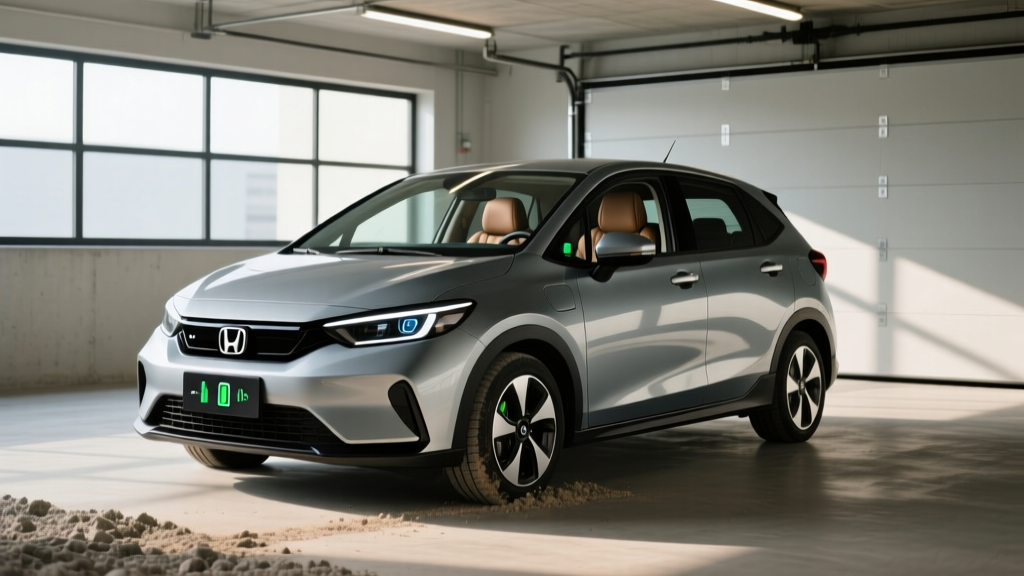
There is no 2024 Honda Fit EV sold in the United States. Honda discontinued the Fit (gasoline) after the 2020 model year and never released a battery-electric successor for the North American market. The Fit EV was a limited lease-only program (2013–2015, ~82 miles EPA range, 20 kWh battery) that ended over a decade ago. If you want a Honda with electrification today, the closest options are the Honda CR-V Hybrid (HEV) or the Honda Prologue (BEV, 283–308 mi EPA range, starting ~$47,400). For a true Fit-sized EV, look at the Nissan LEAF, Hyundai Kona Electric, or the used Honda Fit EV market.
Why Honda Killed the Fit — and Never Replaced It With an EV
The Honda Fit was a beloved subcompact hatchback known for its Magic Seat cargo versatility, peppy 130-hp 1.5L engine, and 33–36 MPG combined. But Honda exited the US subcompact segment entirely after 2020, citing shifting consumer demand toward crossovers and SUVs. The HR-V (subcompact crossover) effectively replaced the Fit in Honda's lineup, starting at a higher price point but offering the ride height and AWD availability that buyers increasingly wanted.
The original Honda Fit EV (2013–2015) was a compliance car — built in small numbers to meet California's ZEV mandate. It was lease-only at $259/month, featured a 20 kWh lithium-ion battery, an 82-mile EPA range, and a 100 kW (123 hp) electric motor. It was actually well-regarded for its driving dynamics, but Honda never pursued a second generation.
As of 2026, Honda's EV strategy in the US centers on larger vehicles built on the GM Ultium platform (the Prologue SUV) and the forthcoming Honda 0 Series, which is expected to bring dedicated EVs starting in 2026–2027. A subcompact Fit EV simply isn't in the product plan.
What to Buy Instead: EV and Hybrid Alternatives to the Fit
If you loved the Fit for its affordability, hatchback practicality, and low running costs, here are the closest electrified alternatives available in 2026, with hard numbers:
| Vehicle | Powertrain | EPA Range / MPG | Battery (kWh) | 0–60 mph | Starting MSRP | Federal Credit Eligibility |
|---|---|---|---|---|---|---|
| Honda Prologue (2026) | BEV | 283–308 mi | 85 kWh (NMC) | ~7.0 sec | ~$47,400 | Up to $7,500 (§30D, subject to sourcing rules) |
| Hyundai Kona Electric (2025) | BEV | 261 mi | 64.8 kWh (NMC) | 7.2 sec | ~$32,975 | Not eligible (Korea assembly) |
| Nissan LEAF (2025) | BEV | 149–212 mi | 40 / 60 kWh (NMC) | 7.4 sec (60 kWh) | ~$28,140 | Up to $7,500 (§30D) |
| Honda Civic Hybrid (2026) | HEV | 49 MPG combined | ~1 kWh (small buffer) | ~7.5 sec | ~$28,950 | None (not a plug-in) |
| Toyota Prius (2026) | HEV | 57 MPG combined | ~1 kWh | 7.0 sec | ~$28,350 | None |
| Used Honda Fit EV (2013–2015) | BEV | 82 mi (original EPA) | 20 kWh (NMC) | ~9.0 sec | ~$8,000–$14,000 (used) | Up to $4,000 (used EV credit, §25E) |
Sources: fueleconomy.gov, manufacturer spec sheets. Tax credit eligibility per IRS §30D — subject to income, MSRP caps, and battery-sourcing requirements. Verify before purchase.
Real Costs: EV vs Hybrid vs Gas for a Fit-Sized Car
The Fit buyer's core question has always been economics. Let's compare a 5-year ownership scenario for the alternatives above, assuming 15,000 miles/year, national average electricity at $0.16/kWh, and regular unleaded at $3.40/gallon:
| Cost Factor | Hyundai Kona Electric | Honda Civic Hybrid | Honda Fit (2020 gas, used ~$18k) |
|---|---|---|---|
| Purchase Price (MSRP / avg used) | $32,975 | $28,950 | $18,000 |
| Federal Tax Credit | $0 | $0 | $0 |
| Net Purchase After Credit | $32,975 | $28,950 | $18,000 |
| Annual Fuel / Energy Cost | ~$600 (3.5 kWh/mi × 15k mi) | ~$1,040 (49 MPG) | ~$1,395 (36 MPG) |
| 5-Year Fuel / Energy Total | $3,000 | $5,200 | $6,975 |
| 5-Year Maintenance Estimate | ~$1,500 (no oil, fewer fluids) | ~$2,800 | ~$3,200 |
| 5-Year Insurance Estimate | ~$7,500 | ~$6,800 | ~$6,200 |
| 5-Year Total Cost of Ownership | ~$44,975 | ~$43,750 | ~$34,375 |
Insurance estimates via average premiums; actual rates vary by driver, ZIP code, and carrier. EV insurance tends to run 15–25% higher than comparable gas vehicles due to battery replacement costs and specialized repair networks. Maintenance figures from AAA and RepairPal averages.
The Kona Electric saves roughly $4,000 in fuel and maintenance over five years versus the gas Fit, but the higher purchase price and insurance eat most of that back. The Civic Hybrid occupies a practical middle ground — no plug needed, strong MPG, lower insurance, and Honda reliability.
What First-Time EV Buyers Must Know Before Switching From a Fit
If you're coming from a Fit and considering your first EV, these realities matter more than any spec sheet:
Home Charging Is Non-Negotiable for Most Owners
Public charging works for road trips, but daily EV ownership depends on Level 2 home charging. A 240V Level 2 charger (typically 7.2–11.5 kW) adds 25–40 miles of range per hour of charging — meaning a full overnight recharge for any of the vehicles above. Installation costs range from $500 (simple outlet near the panel) to $2,500+ if you need a panel upgrade from 100A to 200A service. If you rent or live in an apartment without charging access, a hybrid (Civic Hybrid, Prius) is a far more practical choice.
Real-World Range Is Less Than the EPA Sticker
The EPA test cycle is conservative compared to many automakers' claims, but real-world driving still introduces variables:
- Highway driving at 75+ mph: Expect 10–15% less than EPA range (aerodynamic drag is the enemy of EV efficiency).
- Cold weather (below 32°F): Expect 20–30% range loss. Battery chemistry slows, and cabin heating draws significant energy. A Kona Electric rated at 261 mi EPA might deliver 180–200 mi on a 20°F winter day.
- Preconditioning helps: Warming the battery while plugged in (via the car's app) before driving or fast-charging preserves range and enables faster DC charging speeds.
DC Fast Charging: Peak kW ≠ Sustained kW
The Kona Electric peaks at ~100 kW on a DC fast charger, achieving a 10–80% charge in roughly 43 minutes. But that peak rate only holds between about 20–55% state of charge (SoC). Above 80%, charging slows dramatically — sometimes to under 20 kW — to protect battery health. This "charge curve taper" means the last 20% can take as long as the first 60%. Plan road-trip stops accordingly: charge to 80% and go, rather than waiting for a full battery.
Understanding kW vs kWh
This is the single most common confusion for new EV buyers:
- kW (kilowatts) = power, or the rate of energy flow. Think of it like water pressure from a hose. A 100 kW charger delivers energy faster than a 50 kW charger.
- kWh (kilowatt-hours) = energy, or the total amount stored. Think of it like the size of the water tank. A 64.8 kWh battery holds more energy than a 40 kWh battery, giving more range.
Common Misconceptions About Small EVs — Fact-Checked
| Myth | Fact |
|---|---|
| "EV batteries need replacing every 5 years" | Modern NMC and LFP batteries are designed for 150,000–200,000+ miles with 70–80% capacity retention. Federal law requires EV battery warranties of at least 8 years / 100,000 miles. Hyundai, Nissan, and Honda all meet or exceed this. Average annual degradation is 1–2.5% based on fleet data from Recurrent Auto. |
| "A used Honda Fit EV is a great bargain EV" | It can be, but the 20 kWh battery has degraded over 10+ years. Expect 55–70 miles of real-world range. CHAdeMO fast-charging infrastructure is shrinking as the industry standardizes on NACS. Only consider one as a second car for short commutes with reliable home charging. |
| "Hybrids don't save enough to be worth it" | The Civic Hybrid at 49 MPG combined saves ~$355/year in fuel versus the 36 MPG gas Fit. Over 10 years, that's $3,550 — and hybrids have no range anxiety, no charging dependency, and lower insurance than BEVs. For drivers without home charging, a hybrid is often the smarter financial move. |
| "EVs are worse in winter" | Range drops are real (20–30%), but EVs start instantly in cold weather (no cold-crank issues), and preconditioning while plugged in means a warm cabin without range loss. Seat heaters and heat pumps (standard on many 2025+ EVs) are far more efficient than resistive cabin heaters. |
| "I need a 300+ mile EV to replace my Fit" | The average American drives 37 miles per day (FHWA data). Even the LEAF's 149-mile range covers a week of commuting. Match the EV to your actual driving pattern, not your once-a-year road trip. Rent a car for long trips if needed. |
Decision Framework: Which Electrified Car Should a Fit Owner Choose?
If / Then Guide
- If you have home charging (garage or driveway with 240V access) AND your daily driving is under 60 miles: The Hyundai Kona Electric or Nissan LEAF (60 kWh) offers the lowest running costs and a similar hatchback footprint to the Fit. Budget ~$30,000–$33,000.
- If you want a Honda specifically and can spend more: The Honda Prologue (BEV, 283+ mi) is the brand's current EV offering, but it's a midsize SUV starting near $47,400 — a significant step up from Fit pricing.
- If you rent, live in an apartment, or lack charging access: Choose the Honda Civic Hybrid or Toyota Prius. No plug needed, 49–57 MPG, and the lowest total cost of ownership in this comparison.
- If you want the cheapest possible electrified Honda on a tight budget: A used 2013–2015 Honda Fit EV can be found for $8,000–$14,000 and may qualify for the §25E used clean vehicle credit (up to $4,000, income caps apply). Accept the limited range and shrinking CHAdeMO network as trade-offs.
- If you regularly take road trips over 200 miles: A PHEV (like the Toyota Prius Prime, 44 mi electric-only + 52 MPG hybrid) or a longer-range BEV (Hyundai Ioniq 5, 303 mi) will serve you better than any subcompact EV. Plan to stop every 180–220 miles for a 20–30 minute DC fast charge.
Federal Tax Credit Reality Check for 2026
The IRS §30D clean vehicle credit offers up to $7,500 for qualifying new EVs, but eligibility is far from automatic. Key rules for 2026:
- MSRP caps: Vans, SUVs, and trucks: $80,000. Sedans and other vehicles: $55,000.
- Buyer income caps: $150,000 single / $225,000 head of household / $300,000 joint (modified AGI).
- Battery sourcing: Increasing percentages of battery components must be manufactured or assembled in North America, and critical minerals must be sourced from the US or free-trade-agreement partners. These thresholds tighten annually.
- Point-of-sale transfer: As of 2024, you can transfer the credit to the dealer at purchase, reducing the sale price directly rather than waiting for a tax refund.
- FEOC exclusion: Vehicles with battery components from a "foreign entity of concern" (primarily Chinese manufacturers) are disqualified.
Always verify eligibility on the IRS website and with your tax professional before relying on the credit in your purchase math. Rules have changed multiple times since the Inflation Reduction Act passed in 2022.
Frequently Asked Questions
Will Honda ever make a new Fit EV?
Honda has not announced a Fit EV successor. The company's "Honda 0 Series" EV lineup is expected to debut globally starting in 2026, initially focusing on sedans and SUVs. A subcompact electric hatchback is possible eventually, but nothing is confirmed for the US market as of early 2026.
Is the used Honda Fit EV worth buying in 2026?
Only for a very specific use case: a second car for short commutes (under 40 miles round-trip) with reliable Level 2 home charging. Expect 55–70 miles of real-world range from the aged 20 kWh battery. The CHAdeMO fast-charging connector is increasingly unsupported by new public charging stations (most now use NACS or CCS1). Budget $8,000–$14,000 and factor in potential battery degradation.
What's the most affordable EV that's actually similar to the Honda Fit?
The Nissan LEAF (starting ~$28,140) is the closest in spirit — a practical hatchback with reasonable cargo space and low running costs. The 60 kWh version offers 212 miles EPA range, which is viable for most daily driving and occasional road trips. The Hyundai Kona Electric ($32,975) is slightly larger but offers 261 miles and a more modern interior.
How much does home Level 2 charging installation cost?
A basic Level 2 installation (240V, 40-amp circuit, charger within 10 feet of the electrical panel) typically costs $500–$1,200 including equipment and electrician labor. If your home has a 100-amp panel that needs upgrading to 200 amps, add $1,500–$3,000. Always get a quote from a licensed electrician — don't DIY high-voltage work.
Should I just buy a gas Honda Fit used instead?
If your budget is under $20,000 and you want the real Fit experience, a clean 2018–2020 gas Fit (36 MPG combined, ~$16,000–$20,000 used) remains an excellent car. The EV alternatives above cost more upfront but offer lower running costs. The right choice depends on your budget, charging access, and how long you plan to keep the vehicle.