Quick Verdict: The 2023 Toyota bZ4X Limited in a 2026 Market
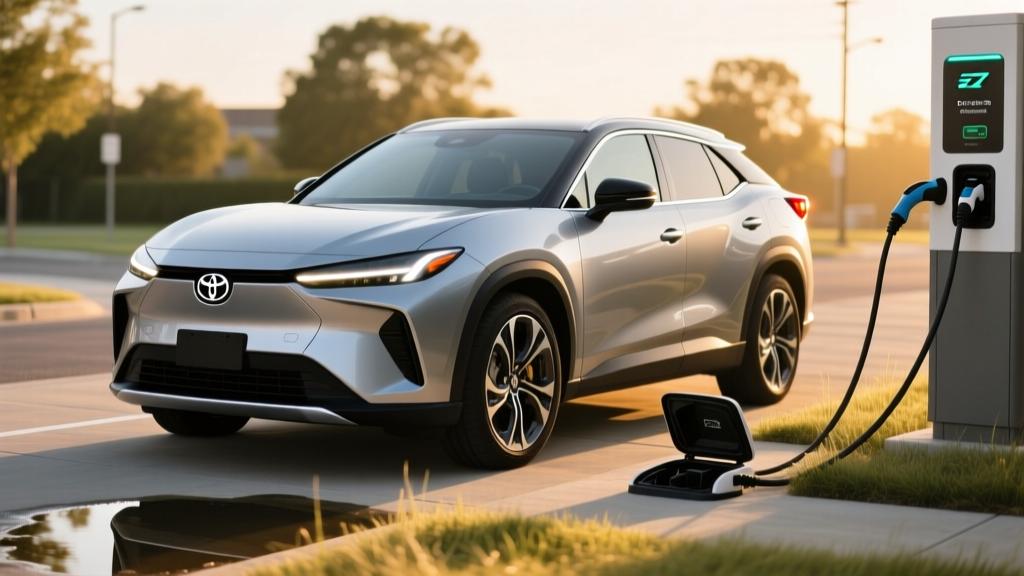
The 2023 Toyota bZ4X Limited was Toyota's first mass-market battery electric vehicle, and reviewing it from a 2026 vantage point reveals a mixed but honest picture. With an EPA-estimated 228 miles of range (FWD) or 222 miles (AWD), a 71.4 kWh lithium-ion battery, and DC fast charging that peaks at 150 kW, the bZ4X Limited delivers adequate daily-driving capability but falls short of segment leaders like the Hyundai Ioniq 5 and Tesla Model Y on range, charging speed, and interior space. Where it wins: Toyota's reputation for reliability, a generous 8-year/100,000-mile battery warranty, and strong standard safety tech via Toyota Safety Sense 3.0.
If you're shopping the used EV market in 2026 or evaluating a remaining new-old-stock unit, the bZ4X Limited is a pragmatic commuter SUV — not a road-trip champion. Here's every number that matters.
2023 Toyota bZ4X Limited: Key Specifications at a Glance
| Specification | FWD | AWD (X-Mode) |
|---|---|---|
| EPA Range | 252 miles (20" wheels) / 228 miles (Limited 20") | 228 miles (Limited) |
| Battery Capacity (Usable) | 71.4 kWh (NMC lithium-ion) | |
| Horsepower | 201 hp | 214 hp |
| 0–60 mph | 7.1 sec (est.) | 6.5 sec (est.) |
| DC Fast Charge Peak | 150 kW (CCS1) | |
| 10–80% DC Charge Time | ~30 minutes (Toyota est.) | |
| Level 2 AC Charge Rate | 6.6 kW (onboard charger) | |
| MPGe (Combined) | 131 MPGe | 114 MPGe |
| Efficiency | 26 kWh/100 mi | 29 kWh/100 mi |
| Drivetrain | Single front motor | Dual motor AWD |
| Base MSRP (2023 Limited) | $46,700 | $48,780 |
| Battery Warranty | 8 years / 100,000 miles | |
Sources: fueleconomy.gov, Toyota Motor Corporation spec sheets.
Range and Efficiency: EPA Sticker vs. Real-World Driving
EPA Estimated: 228 miles
Real-World Highway (70 mph, mild weather): ~195–210 miles
Real-World City / Mixed Commute: ~215–230 miles
Cold Weather (below 30°F, mixed driving): ~165–185 miles
The bZ4X's efficiency drops noticeably at sustained highway speeds and in freezing temperatures. Plan for ~85% of EPA range on road trips and ~70–75% in deep cold.
The 2023 bZ4X Limited's EPA range of 228 miles (AWD) or 252 miles (FWD base trim with smaller wheels) is the single biggest limitation of this vehicle when compared to rivals. The Hyundai Ioniq 5 SEL AWD achieves 266 miles EPA, and the Tesla Model Y Long Range AWD delivers 303 miles. For daily commuting under 60 miles round-trip, the bZ4X's range is more than sufficient. But if you regularly drive 150+ miles without a mid-route charging stop, you'll feel the constraint.
The 71.4 kWh battery pack uses NMC (nickel manganese cobalt) chemistry — the standard for energy density in 2023-era EVs. NMC offers more range per kilogram than LFP (lithium iron phosphate), but Toyota recommends charging to 80% for daily use and 100% only when needed for longer trips, which effectively reduces your everyday usable capacity to roughly 57 kWh. That's a meaningful trade-off versus LFP-equipped competitors like the Tesla Model 3 Standard Range, which can be charged to 100% daily without degradation concerns.
Efficiency in mixed driving averages around 29 kWh per 100 miles for the AWD Limited, translating to 114 MPGe combined per fueleconomy.gov. That's competitive but not class-leading — the Ioniq 5 AWD achieves 116 MPGe combined with more range thanks to a larger battery.
Charging Speed: DC Fast Charging and Home Level 2
| Charging Level | Power | Connector | Miles Added per Hour | Notes |
|---|---|---|---|---|
| Level 1 (120V household) | ~1.4 kW | J1772 / CCS1 | ~3–4 miles/hr | Emergency/trickle only |
| Level 2 (240V home) | 6.6 kW (onboard max) | J1772 / CCS1 | ~20–22 miles/hr | Full charge in ~9.5 hours |
| DC Fast Charge | Peak 150 kW | CCS1 | ~140 mi in 30 min (10–80%) | Tapers significantly above 80% |
The bZ4X Limited's DC fast-charging capability peaks at 150 kW via the CCS1 connector. In our experience and per Toyota's estimates, a 10–80% session takes approximately 30 minutes at a properly rated station (150 kW or higher). However, the charge curve tells the real story: the bZ4X sustains peak rates only briefly before tapering. Expect sustained rates closer to 80–100 kW through the bulk of the session, with a steep taper above 80% State of Charge.
Compared to the Hyundai Ioniq 5's 800-volt architecture (which sustains 235 kW and hits 10–80% in ~18 minutes), the bZ4X's 400-volt system and 150 kW peak are a generation behind. On a road trip, this means 30-minute stops every ~180 miles in practice — workable, but noticeably slower than the competition.
For home charging, the 6.6 kW onboard charger is the limiting factor. Even on a 48-amp Level 2 home station (which can deliver up to 11.5 kW), the bZ4X will only accept 6.6 kW. A full 0–100% charge at home takes roughly 9.5 hours — fine for overnight charging, but slower than the Ioniq 5's 10.9 kW onboard charger or the Tesla Model Y's 11.5 kW acceptance rate.
Home charging setup cost: Expect $800–$2,000 for a quality Level 2 home charger installation (240V, 50-amp circuit), depending on your electrical panel's proximity to the garage. The bZ4X's 6.6 kW limit means a 32-amp circuit ($600–$1,200 installed) is sufficient — no need to overspend on a 48-amp unit.
Performance and Driving Dynamics
The AWD bZ4X Limited pairs dual electric motors for a combined 214 horsepower and an estimated 0–60 mph time of 6.5 seconds. The FWD variant produces 201 hp with a 7.1-second 0–60 time. Neither figure will excite performance enthusiasts — the Tesla Model Y Long Range hits 60 mph in 4.8 seconds with 384 hp — but the bZ4X's electric torque delivery makes it feel responsive in city traffic and merging situations.
Ride quality is a strength. The bZ4X rides on Toyota's e-TNGA platform, and the suspension tuning prioritizes comfort over sportiness. Road noise is well-suppressed, and the low center of gravity (battery pack under the floor) keeps body roll reasonable through corners. The AWD model includes Toyota's X-Mode, which provides enhanced traction management for light snow and gravel — useful for Pacific Northwest or Mountain West drivers, though this is not an off-road vehicle.
Regenerative braking is adjustable via paddle shifters behind the steering wheel, offering four levels of regen intensity. However, the bZ4X does not offer true one-pedal driving to a full stop — you'll still need the friction brake pedal at low speeds, which disappoints EV veterans accustomed to the one-pedal experience in a Tesla or Nissan Leaf.
Interior, Cargo Space, and Technology
The bZ4X Limited seats five passengers with the following dimensions:
- Front legroom: 42.1 inches
- Rear legroom: 35.3 inches
- Cargo volume (rear seats up): 27.7 cu ft
- Cargo volume (rear seats folded): 56.9 cu ft
- Frunk: None — the bZ4X has no front trunk
Cargo capacity is a weak point. The Model Y offers 30.2 cu ft behind the rear seats and 76.2 cu ft folded — significantly more for families who need stroller, grocery, or luggage space. The absence of a frunk also means you lose the sealed, drainable storage that competitors like the Ford Mustang Mach-E and Ioniq 5 provide for charging cables or wet gear.
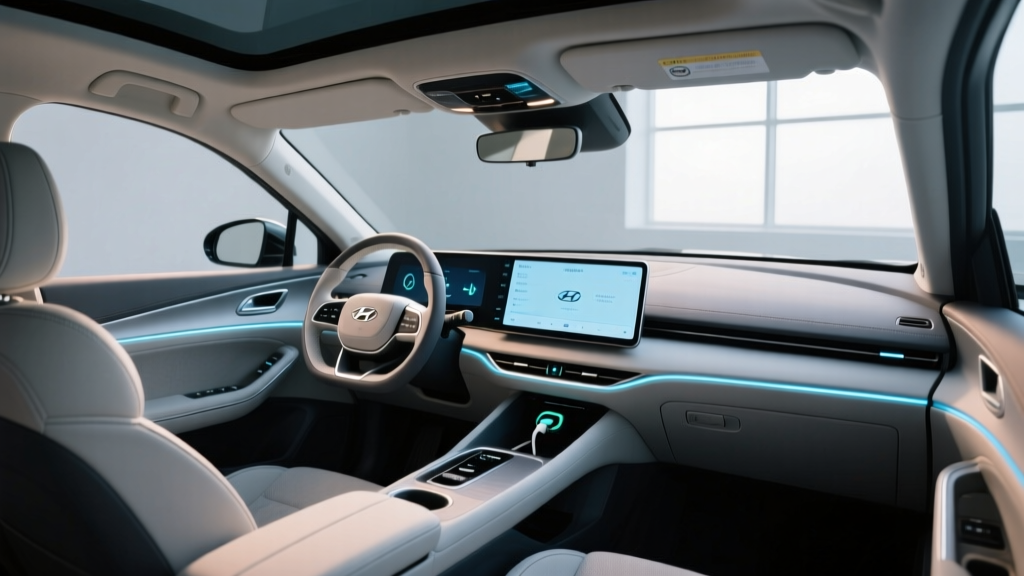
The Limited trim includes Toyota's 12.3-inch infotainment touchscreen with wireless Apple CarPlay and Android Auto, a 7-inch digital instrument cluster, a panoramic fixed-glass roof, heated and ventilated front seats, a heated steering wheel, and a JBL premium audio system with 9 speakers. The infotainment system is functional but not class-leading — response times lag behind Tesla's interface, and the lack of physical volume and tuning knobs frustrates some drivers.
Driver assistance: Toyota Safety Sense 3.0 comes standard and includes adaptive cruise control, lane-keeping assist, automatic emergency braking with pedestrian detection, and blind-spot monitoring. This is a Level 2 driver-assist system per SAE classification — meaning the driver must remain fully engaged with hands on the wheel and eyes on the road at all times. It is not autonomous driving.
Pricing, Tax Credits, and Ownership Cost
| Item | FWD Limited | AWD Limited |
|---|---|---|
| Base MSRP (2023) | $46,700 | $48,780 |
| Destination fee | $1,350 | $1,350 |
| As-tested (with options) | ~$48,500 | ~$51,000 |
| Federal §30D Tax Credit (max) | Up to $7,500 (if eligible) | |
| Effective price after max credit | ~$41,000 | ~$43,500 |
The 2023 bZ4X Limited originally qualified for the full $7,500 federal EV tax credit under IRS §30D for buyers meeting all eligibility criteria. However, tax credit rules have evolved significantly since 2023. If you're purchasing a remaining new unit or a used bZ4X in 2026, here's what applies:
- New vehicle purchase: The §30D credit requires the vehicle to meet critical mineral and battery component sourcing thresholds (which tighten annually), the buyer must fall under income caps ($150,000 single / $300,000 joint), and the vehicle MSRP must not exceed $80,000 for SUVs. The bZ4X passes the MSRP cap. Battery sourcing compliance must be verified at point of sale — consult IRS.gov or a tax professional for current-year specifics.
- Used vehicle purchase (2026 market): The used EV credit (§25E) offers up to $4,000 or 30% of the sale price (whichever is less) for qualified used EVs sold for $25,000 or less through a licensed dealer. A 2023 bZ4X Limited on the used market in 2026 may fall within this price range, making it eligible for up to $4,000 off.
5-year ownership cost estimate (AWD Limited, 15,000 miles/year):
- Electricity (home charging at $0.16/kWh national avg): ~$3,480 over 5 years
- Maintenance (no oil changes, minimal brake wear): ~$1,500 over 5 years
- Insurance (varies by region and driver): ~$9,000–$12,000 over 5 years
- Estimated depreciation: 45–55% over 5 years (EV depreciation has been steep in the 2024–2026 market)
Pros and Cons: The Honest Assessment
Pros
- Toyota reliability reputation and strong dealer network
- Generous 8-year/100,000-mile battery warranty
- Standard Toyota Safety Sense 3.0 (comprehensive ADAS)
- Comfortable ride quality and low cabin noise
- Limited trim is well-equipped (heated/ventilated seats, JBL audio, panoramic roof)
- X-Mode AWD useful for light snow and unpaved roads
Cons
- 228-mile EPA range (AWD) trails rivals by 30–75 miles
- 150 kW peak DC charging — slower than 800V competitors
- 6.6 kW onboard Level 2 charger limits home charging speed
- No frunk (front trunk) for cable storage
- Cargo volume (27.7 cu ft) is below segment average
- No true one-pedal driving to a complete stop
- Infotainment response times lag behind Tesla and Hyundai
Who Should Buy the 2023 Toyota bZ4X Limited?
Look elsewhere if: You regularly drive 150+ miles between charging stops, need maximum cargo capacity for a growing family, want the fastest DC charging for road trips, or prefer one-pedal driving. Consider the Hyundai Ioniq 5, Tesla Model Y, or Ford Mustang Mach-E instead.
Frequently Asked Questions
What is the real-world range of the 2023 Toyota bZ4X Limited AWD?
The EPA rates the bZ4X Limited AWD at 228 miles. In real-world mixed driving at moderate temperatures, expect 200–220 miles. Highway driving at 70+ mph reduces that to roughly 195–210 miles, and cold weather (below 30°F) can drop range to 165–185 miles. The FWD variant achieves slightly more (252 miles EPA on base trims with smaller wheels).
How fast does the bZ4X Limited charge at home and on DC fast chargers?
On a DC fast charger, the bZ4X peaks at 150 kW and reaches 10–80% in approximately 30 minutes, though the charge curve tapers significantly above 80%. At home on a 240V Level 2 charger, the onboard charger is limited to 6.6 kW, adding roughly 20–22 miles of range per hour. A full charge from empty takes about 9.5 hours.
Does the 2023 Toyota bZ4X qualify for the federal EV tax credit?
The 2023 bZ4X originally qualified for up to $7,500 under IRS §30D. Current eligibility depends on battery sourcing requirements, buyer income caps ($150K single / $300K joint), and the $80,000 SUV MSRP cap — all of which the bZ4X meets on paper. However, critical-mineral and battery-component sourcing rules tighten annually. Always verify current eligibility at fueleconomy.gov or with a tax professional before purchase. For used purchases in 2026, the §25E credit of up to $4,000 may apply if the sale price is $25,000 or less.
Is the 2023 bZ4X Limited worth buying versus competitors in 2026?
It depends on your priorities. If Toyota reliability, strong safety tech, and a proven warranty matter most, the bZ4X Limited is a solid commuter SUV — especially at used-market prices. If range, charging speed, or cargo space are your top criteria, the Hyundai Ioniq 5 (266 mi EPA, 18-min DC charging), Tesla Model Y (303 mi EPA, Supercharger network), or Ford Mustang Mach-E (230–312 mi depending on trim) are stronger choices. The bZ4X trades performance leadership for Toyota's ownership experience.
What is the battery warranty on the 2023 bZ4X?
Toyota covers the bZ4X's high-voltage battery for 8 years or 100,000 miles (whichever comes first), with a capacity retention threshold of 70% — meaning Toyota warrants that the battery will retain at least 70% of its original capacity during the warranty period. The basic vehicle warranty is 3 years/36,000 miles, and the powertrain warranty is 5 years/60,000 miles.