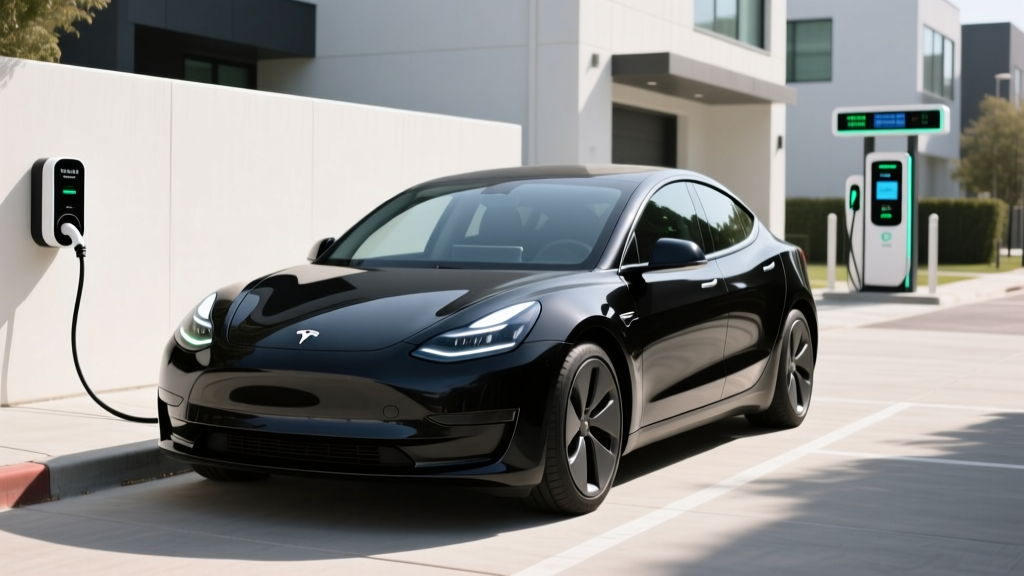
The 2023 Tesla Model 3 remains one of the most data-dense sedans in the EV market — not because of marketing hype, but because millions of miles of real-world telemetry back up its spec sheet. For buyers evaluating a used or remaining-new 2023 Model 3 in 2026, the pre-refresh ("Legacy") version represents a known quantity: proven battery chemistries, established Supercharger compatibility, and a mature software stack. This review breaks down the exact numbers that matter for ownership decisions, from sustained DC charge curves to IRS §30D credit eligibility.
Quick Verdict: Who the 2023 Model 3 Is For
The 2023 Model 3 is best suited for tech-forward commuters and small families who prioritize charging infrastructure access, over-the-air updates, and efficiency over traditional luxury materials. The RWD trim targets budget-conscious daily drivers; the Long Range AWD serves road-trippers needing 300+ mile range; the Performance variant caters to enthusiasts who want sports-car acceleration in a four-door sedan. It is less ideal for buyers who want physical controls, a traditional instrument cluster, or maximum rear-seat headroom for tall passengers.
2023 Tesla Model 3 Spec Table
| Specification | RWD (Base) | Long Range AWD | Performance |
|---|---|---|---|
| EPA Range | 272 miles | 358 miles | 315 miles |
| Battery (usable) | ~57.5 kWh (LFP) | ~75 kWh (NMC) | ~75 kWh (NMC) |
| Drivetrain | Rear-Wheel Drive | Dual-Motor AWD | Dual-Motor AWD |
| Horsepower | 283 hp | 346 hp | 450 hp |
| 0-60 mph | 5.8 sec | 4.2 sec | 3.1 sec |
| Top Speed | 140 mph | 145 mph | 162 mph |
| MPGe (combined) | 132 MPGe | 134 MPGe | 125 MPGe |
| kWh/100 mi | 25 kWh | 25 kWh | 27 kWh |
| Max DC Fast Charge | 170 kW | 250 kW | 250 kW |
| 10-80% DCFC Time | ~32 min | ~27 min | ~27 min |
| Level 2 Home Charge | 7.6 kW (~30 mi/hr) | 11.5 kW (~44 mi/hr) | 11.5 kW (~44 mi/hr) |
| Cargo Volume | 23 cu ft (trunk + frunk combined) | ||
| Rear Legroom | 35.2 inches | ||
| Battery Warranty | 8 yr / 100,000 mi | 8 yr / 120,000 mi | |
| Base MSRP (2023) | $40,240 | $47,740 | $53,240 |
Sources: EPA fueleconomy.gov, Tesla 2023 specifications.
Real-World Range: What the EPA Sticker Doesn't Tell You
EPA Range vs. Reality
- RWD (272 mi EPA): Expect ~220-240 mi on sustained highway driving at 70+ mph; ~190-210 mi in freezing temperatures with cabin heat.
- Long Range AWD (358 mi EPA): Expect ~290-320 mi highway; ~250-280 mi in sub-30°F weather.
- Performance (315 mi EPA): Expect ~255-280 mi highway; ~220-245 mi in cold conditions.
The 2023 Model 3's efficiency is among the best in its class, averaging 25 kWh per 100 miles on the RWD and Long Range trims. However, the LFP battery in the RWD trim is more sensitive to cold-weather range loss than the NMC packs in the AWD trims. Tesla's heat pump (standard on all 2023 trims) mitigates some of this loss, but owners in northern climates should budget 20-30% range reduction in winter. On city routes with frequent regenerative braking, real-world range can actually exceed the EPA estimate by 5-10%.
Charging Speed: DC Fast, Level 2, and the Charge Curve
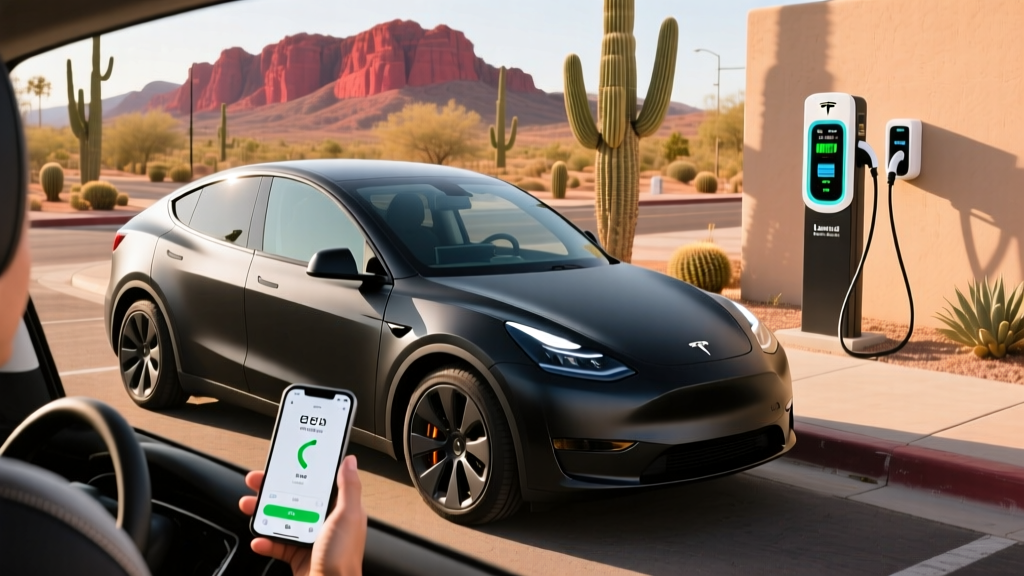
The 2023 Model 3 uses the Tesla proprietary connector (now designated NACS), granting native access to the Supercharger network — widely regarded as the most reliable public DC fast-charging infrastructure in North America. With an adapter, it can also use CCS1 stations.
| Charging Level | RWD | Long Range / Performance | Miles Added per Hour |
|---|---|---|---|
| Level 1 (120V / 12A) | 1.4 kW | 1.4 kW | ~4-5 mi/hr |
| Level 2 (240V / 32A Mobile) | 7.6 kW | 7.6 kW | ~30 mi/hr |
| Level 2 (240V / 48A Wall Connector) | 7.6 kW (onboard limit) | 11.5 kW | ~44 mi/hr (LR/P) |
| DC Fast Charge (peak) | 170 kW | 250 kW | ~1,000+ mi/hr at peak |
Charge curve reality: The Long Range and Performance trims peak at 250 kW but only sustain that rate between roughly 10-30% State of Charge. From 30-60%, the rate tapers to ~150 kW; from 60-80%, it drops to ~80-100 kW. The 10-80% time of ~27 minutes assumes you arrive at a V3 Supercharger with a preconditioned battery at low SoC. If you plug in at 40% SoC, expect 40-80% to take roughly 20 minutes. The RWD's LFP battery has a flatter charge curve, peaking lower but sustaining more consistently — though the 170 kW peak still means longer stops on road trips.
Pricing, Trims, and Federal Tax Credit Eligibility
| Trim | 2023 Base MSRP | Typical As-Tested (w/ options) | §30D Credit Potential | Effective Price |
|---|---|---|---|---|
| RWD | $40,240 | $41,740 (w/ paint + wheels) | Up to $7,500* | ~$32,740 - $34,240 |
| Long Range AWD | $47,740 | $49,740 | Up to $7,500* | ~$40,240 - $42,240 |
| Performance | $53,240 | $55,240 | Up to $7,500* | ~$45,740 - $47,740 |
*Federal tax credit eligibility under IRS §30D is subject to multiple requirements. Consult a tax professional.
§30D Federal EV Tax Credit Requirements (verify current-year rules at irs.gov):
- MSRP cap: Sedans must be ≤ $55,000 (all 2023 Model 3 trims qualify at base MSRP).
- Buyer income cap: Modified AGI ≤ $150,000 (single) / $300,000 (joint).
- Battery sourcing: Critical minerals and battery component requirements phase in by year — 2023 vehicles had less stringent thresholds than 2024+.
- Point-of-sale transfer: Beginning in 2024, credits can be transferred to the dealer at purchase; 2023 purchases were claimed on tax returns.
For buyers purchasing a used 2023 Model 3 in 2026, the §25E Used Clean Vehicle Credit may apply: up to $4,000 or 30% of the sale price (whichever is less), with lower income caps ($75,000 single / $150,000 joint) and a vehicle price cap of $25,000.
Interior, Tech, and Driver Assistance
The 2023 Model 3's cabin is minimalist by design: a single 15-inch center touchscreen handles all controls, infotainment, and vehicle settings. There is no instrument cluster — speed and navigation appear on the left side of the main display. The 15-speaker audio system, heated front and rear seats, and glass roof are standard across all trims.
Standout tech features:
- Autopilot (standard): SAE Level 2 driver assistance including Traffic-Aware Cruise Control and Autosteer. Requires continuous driver supervision — this is not self-driving.
- Full Self-Driving (Supervised): Optional $15,000 upgrade (or $199/month) adding Navigate on Autopilot, Auto Lane Change, Autopark, and traffic light recognition. Still SAE Level 2; driver must remain engaged.
- Over-the-air updates: Continuous software improvements, new features, and UI refinements delivered wirelessly.
- Sentry Mode: 360-degree camera-based security recording when parked.
- Tesla app integration: Remote preconditioning, charge monitoring, location tracking, and phone-as-key.
ADAS Limitations: Autopilot and FSD (Supervised) are SAE Level 2 systems. The driver must keep hands on the wheel and eyes on the road at all times. These systems do not make the vehicle autonomous. Performance in construction zones, heavy rain, and unmapped areas is degraded.
Notable drawbacks:
- No physical buttons for climate, volume, or mirrors — all touchscreen-dependent.
- Rear visibility is limited by the sloping roofline and small rear window.
- Rear seat headroom (37.8 inches) is tight for passengers over 6 feet tall.
- No Apple CarPlay or Android Auto — Tesla's proprietary infotainment only.
- Road noise on coarse pavement is more noticeable than in competing luxury sedans.
Warranty and Long-Term Battery Outlook
Tesla's warranty structure for the 2023 Model 3:
- Basic vehicle: 4 years / 50,000 miles
- Battery & drive unit (RWD): 8 years / 100,000 miles, minimum 70% capacity retention
- Battery & drive unit (Long Range / Performance): 8 years / 120,000 miles, minimum 70% capacity retention
The LFP battery in the RWD trim offers a distinct longevity advantage: LFP cells tolerate regular 100% charging without accelerated degradation, making them ideal for daily commuting. Tesla recommends charging the RWD to 100% at least weekly for battery calibration. The NMC packs in the AWD trims perform best when daily-charged to 80-90%, reserving 100% for road trips. Real-world fleet data suggests NMC Model 3 batteries retain approximately 90-93% capacity at 100,000 miles under normal use. Full battery replacement costs range from $12,000 to $16,000 out of warranty, though replacements are rare within the warranty period.
2023 Tesla Model 3 vs. Key Competitors
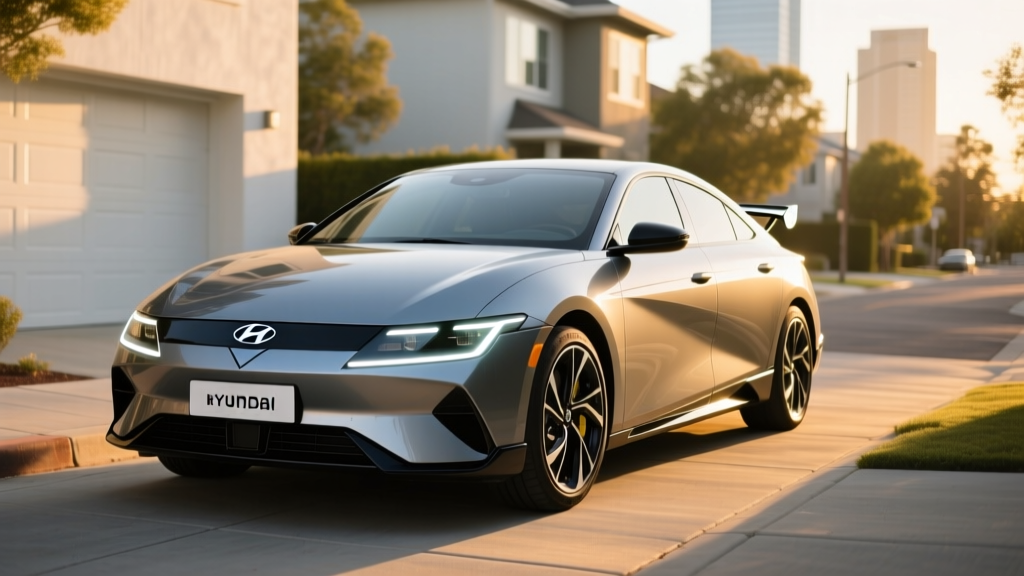
Against the Hyundai Ioniq 6 (EPA 361 mi, ~$42,000), the Model 3 Long Range offers comparable range with a superior charging network advantage but less rear-seat space. The BMW i4 eDrive40 (EPA 301 mi, ~$55,000) delivers a more traditional luxury interior at a premium price. The Polestar 2 (EPA 276 mi single motor, ~$49,000) appeals to buyers wanting Scandinavian design and Google-based infotainment but trails on efficiency and DC charging speed.
Choose the 2023 Tesla Model 3 if:
- You want access to the Supercharger network without adapters
- Efficiency (25 kWh/100 mi) and low operating cost are top priorities
- You value OTA software updates and app-based vehicle control
- You're comfortable with a touchscreen-only interface
Consider a competitor if:
- You need Apple CarPlay / Android Auto (Ioniq 6, i4, Polestar 2)
- You want physical buttons and a traditional gauge cluster
- Maximum rear-seat headroom is essential (Ioniq 6, i4)
- You prefer a dealership service experience over Tesla's mobile-ranger model
Pros and Cons at a Glance
Pros
- Class-leading efficiency (132-134 MPGe)
- Native Supercharger access — best public charging reliability
- Strong acceleration across all trims (3.1-5.8 sec 0-60)
- LFP battery option allows daily 100% charging without degradation worry
- Continuous OTA updates add features post-purchase
- Spacious 23 cu ft total cargo (trunk + frunk)
- Excellent safety ratings (5-star NHTSA, IIHS Top Safety Pick+)
Cons
- No physical controls — everything via touchscreen
- Rear headroom tight for tall passengers
- No Apple CarPlay / Android Auto
- Road noise on rough surfaces
- FSD option expensive ($15,000) and still Level 2 only
- Service center wait times can be lengthy in some markets
- RWD DC fast-charge peak limited to 170 kW
Frequently Asked Questions
What is the real-world range of the 2023 Tesla Model 3?
The EPA rates the RWD at 272 miles, Long Range at 358 miles, and Performance at 315 miles. In real-world highway driving at 70+ mph, expect approximately 80-88% of those figures. In freezing temperatures, budget a 20-30% reduction. City driving with regenerative braking can match or slightly exceed EPA estimates.
How fast does the 2023 Model 3 charge at home and on the road?
At home on a Level 2 Tesla Wall Connector (48A), the Long Range and Performance add ~44 miles of range per hour at 11.5 kW; the RWD is onboard-limited to 7.6 kW (~30 mi/hr). On a V3 Supercharger, the Long Range and Performance peak at 250 kW, reaching 10-80% in approximately 27 minutes with a preconditioned battery. The RWD peaks at 170 kW, taking about 32 minutes for 10-80%.
Does the 2023 Tesla Model 3 qualify for the federal EV tax credit?
When new, all 2023 Model 3 trims fell under the $55,000 sedan MSRP cap for §30D eligibility. Buyer income caps ($150K single / $300K joint) and battery sourcing rules apply. For used 2023 Model 3 purchases in 2026, the §25E credit of up to $4,000 may apply if the sale price is ≤ $25,000 and buyer income is within limits. Always verify current rules at irs.gov and consult a tax professional.
Is the 2023 Model 3 still worth buying in 2026 vs. the refreshed Highland version?
The 2024+ "Highland" refresh added a rear touchscreen, ventilated seats, ambient lighting, and improved NVH. However, the 2023 model's proven hardware, available LFP battery, and typically lower used-market pricing make it a strong value. If you prioritize interior refinement and quieter highway cruising, seek a Highland. If you want maximum range per dollar and don't mind the older interior, the 2023 is compelling — especially the Long Range at its 358-mile EPA rating.
What battery chemistry does the 2023 Model 3 use?
The RWD trim uses a lithium iron phosphate (LFP) battery (~57.5 kWh usable), which offers longer cycle life, safer thermal characteristics, and the ability to charge to 100% daily without accelerated degradation. The Long Range and Performance trims use nickel-manganese-cobalt (NMC) chemistry (~75 kWh usable), which provides higher energy density and better cold-weather performance but benefits from daily charge limits of 80-90%.
How much cargo and passenger space does the 2023 Model 3 offer?
Total cargo volume is 23 cubic feet (15.6 cu ft trunk + 3.1 cu ft frunk + under-trunk storage). Rear legroom is 35.2 inches and rear headroom is 37.8 inches. Front legroom is a generous 42.7 inches. The trunk opening is relatively narrow due to the sedan body style — hatchback competitors like the Model Y or Ioniq 5 offer easier loading for bulky items.