Quick Verdict: The Benchmark Sports Sedan That Still Delivers
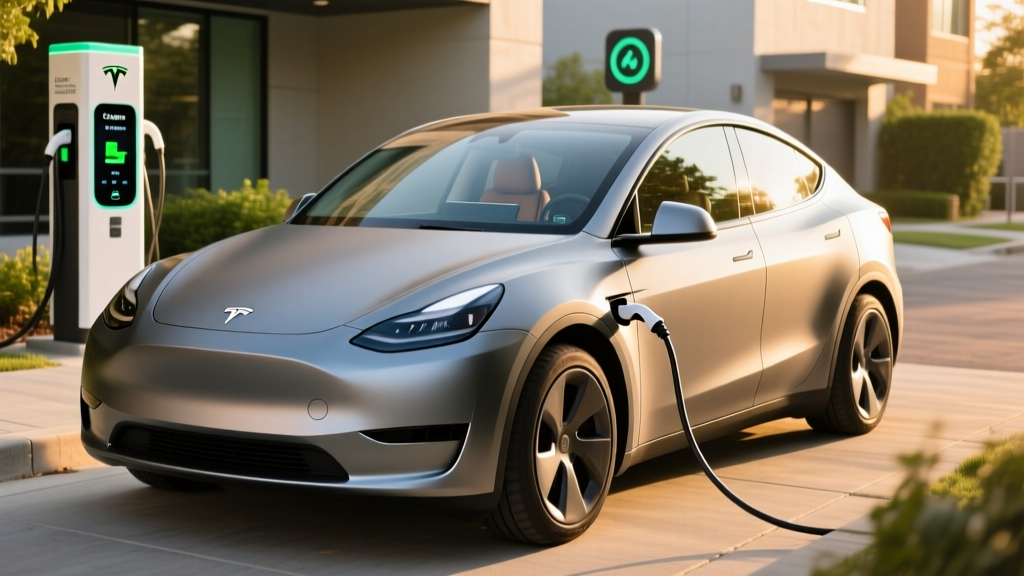
The 2023 Tesla Model 3 Performance remains one of the quickest production sedans under $60,000, posting a 3.1-second 0-60 mph time that embarrasses cars costing twice as much. But beyond the launch numbers, it's the combination of 315 miles of EPA-rated range, access to the Supercharger network, and a sub-$53,000 starting price (before incentives) that makes this car a serious daily driver — not just a stoplight hero.
As of 2026, the 2023 Model 3 Performance is available on the used market and represents a compelling value proposition, especially since the refreshed "Highland" Model 3 (2024+) dropped the Performance badge initially before reintroducing it with slightly different tuning. If you're shopping for a 2023 model today, here's exactly what you need to know about its real-world capabilities.
Performance: The 0-60 Time That Defines This Car
Tesla rates the 2023 Model 3 Performance at 3.1 seconds 0-60 mph (with rollout subtracted, as Tesla typically measures). In independent testing by outlets like Car and Driver and Motor Trend, the car has consistently hit 3.1–3.3 seconds depending on surface conditions, tire temperature, and battery state of charge.
| Spec | Value |
|---|---|
| 0-60 mph | 3.1 seconds (manufacturer) |
| Top Speed | 162 mph |
| Horsepower | ~450 hp (combined dual-motor) |
| Torque | ~471 lb-ft (combined) |
| Drivetrain | Dual-motor AWD |
| Battery (usable) | ~75 kWh (NMC chemistry) |
| EPA Range | 315 miles |
| EPA Efficiency | 113 MPGe combined / 30 kWh/100 mi |
| Max DC Fast Charge | 250 kW peak (V3 Supercharger) |
| 10-80% DC Charge Time | ~27 minutes |
| Level 2 Home Charge Rate | 11.5 kW (~44 mi/hr) |
| Cargo Volume | 23 cu ft (trunk + frunk) |
| Base MSRP (2023 new) | $52,990 (+$1,095 destination) |
| Battery Warranty | 8 years / 120,000 miles (70% capacity retention) |
The dual-motor setup pairs a permanent-magnet synchronous motor on the rear axle with an induction motor up front. The front motor can freewheel when not needed, reducing drag during cruising. This contributes to the Model 3 Performance's surprisingly strong efficiency despite its power output.
Track Mode, exclusive to the Performance trim, allows adjustable torque distribution between the front and rear axles, increased regenerative braking, and active battery and motor cooling — useful for track days, though sustained lap sessions will reveal the car's weight (~4,065 lbs) and thermal limits.
Range and Efficiency: EPA vs. the Real World
The 2023 Model 3 Performance carries an EPA-estimated 315 miles of range on its ~75 kWh usable NMC (nickel-manganese-cobalt) battery pack. That's the official number from fueleconomy.gov, and it's measured under a specific mix of city and highway driving at moderate temperatures.
Real-World Range Expectations
EPA Sticker: 315 miles
Highway driving (70-80 mph, 75°F): Expect ~250–275 miles. Aerodynamic drag dominates at speed, and the Model 3's efficiency drops notably above 70 mph.
City / stop-and-go (moderate temps): 290–315 miles. Regenerative braking recovers energy effectively in urban driving.
Cold weather (32°F or below, highway): 190–240 miles. Battery chemistry slows, cabin heating draws power, and range can drop 25–40% depending on severity. A heat pump (standard on the 2023 model) mitigates this somewhat compared to older resistive heaters.
Practical takeaway: Plan road trips around ~240 miles between charges for a comfortable buffer, or ~200 miles in winter highway conditions.
The NMC chemistry in the Performance trim offers higher energy density than the LFP (lithium iron phosphate) batteries found in the base RWD Model 3, which is why the Performance achieves 315 miles despite its more powerful motors. However, NMC batteries are more sensitive to prolonged 100% states of charge — Tesla recommends daily charging to 80% and only charging to 100% when you need the full range for a trip.
Efficiency of 113 MPGe combined (30 kWh per 100 miles) is strong for a 450-hp AWD sedan. For context, the BMW i4 M50 — a key competitor — rates at 270 miles of range with a much larger 81.5 kWh usable battery, partly due to its heavier weight and less efficient powertrain.
Charging Speed: Supercharger Access Is the Killer Feature
The 2023 Model 3 Performance charges at up to 250 kW peak on a V3 Tesla Supercharger. Here's what that looks like in practice:
| Charging Level | Power | Speed | Notes |
|---|---|---|---|
| Level 1 (120V outlet) | ~1.4 kW | ~3–5 mi/hr | Emergency/trickle only |
| Level 2 (240V, 48A) | 11.5 kW | ~44 mi/hr | Full overnight charge in ~8 hrs |
| DC Fast (V3 Supercharger) | 250 kW peak | ~170 mi in 15 min | 10-80% in ~27 min |
| DC Fast (CCS adapter, 150 kW station) | ~150 kW peak | ~100 mi in 15 min | Requires Tesla CCS adapter ($175) |
The charging curve matters. The 250 kW peak only holds between roughly 10–30% state of charge. From 30–50%, power tapers to ~150 kW. From 50–80%, it drops further to ~70–90 kW. Above 80%, charging slows dramatically to protect battery health — a 10–80% session takes about 27 minutes, but 10–100% can take 45+ minutes. This is normal for NMC packs and why Tesla recommends charging to 80% on road trips unless you need the extra range to reach your next stop.
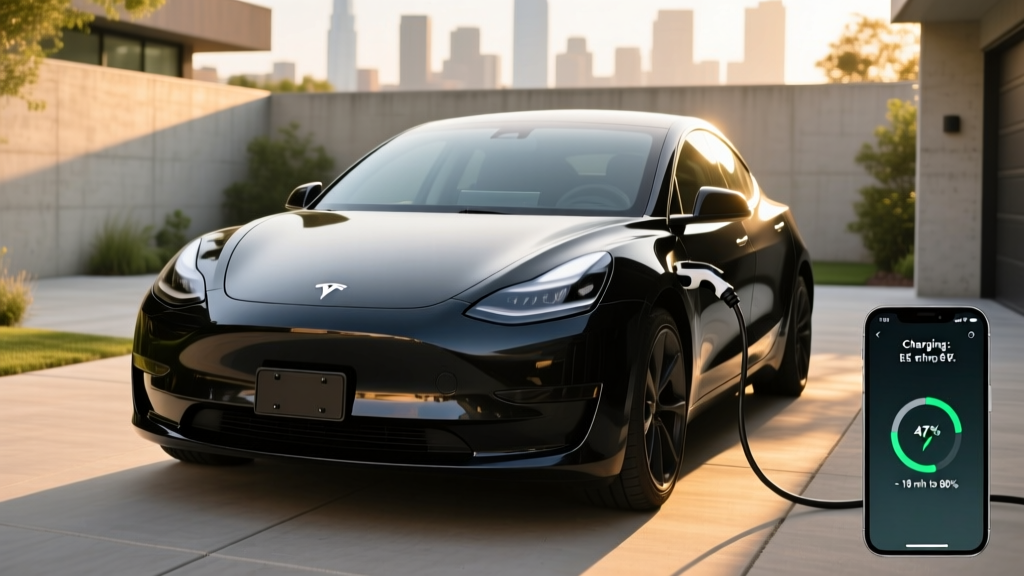
For home charging, a Tesla Wall Connector on a 60-amp circuit delivers the full 11.5 kW (48 amps), adding roughly 44 miles of range per hour. An overnight charge from 20% to 80% takes about 5–6 hours. Installation costs for a 240V/60A circuit typically run $500–$2,000 depending on panel proximity and local permitting. If your electrical panel is older or at capacity, a panel upgrade can add $1,500–$3,000 — consult a licensed electrician for your specific situation.
One major advantage the 2023 Model 3 retains: native access to the Tesla Supercharger network, which as of 2026 includes over 25,000 V3/V4 stalls in North America. While non-Tesla EVs now have limited Supercharger access via adapters and select stations, Tesla owners still enjoy the most reliable, integrated, and widely distributed DC fast-charging experience available.
Pricing, Tax Credits, and Used Market Value
When new, the 2023 Model 3 Performance started at $52,990 plus a $1,095 destination fee, totaling $54,085 before options. A fully loaded example with red paint, 19-inch Sport wheels, and FSD (Full Self-Driving) capability could push past $62,000.
| Item | Amount |
|---|---|
| Base MSRP (2023 new) | $52,990 |
| Destination fee | $1,095 |
| Federal §30D Tax Credit (new, 2023 rules) | Up to $7,500 (see eligibility below) |
| Estimated used price (2026, ~30k mi) | $32,000–$38,000 |
| Used EV Tax Credit (§25E) | Up to $4,000 (30% of sale price, income caps apply) |
Federal tax credit eligibility (new purchase in 2023): The 2023 Model 3 Performance qualified for up to $7,500 under IRS §30D rules in effect at the time, provided the buyer met income caps ($150,000 single / $300,000 joint MAGI) and the vehicle met battery-sourcing and critical-mineral requirements. The MSRP cap for sedans is $55,000, and the base Performance at $52,990 fell under it — but adding options could push the vehicle above the cap and eliminate eligibility. Always verify current rules at irs.gov or consult a tax professional.
Buying used in 2026: The Used Clean Vehicle Credit (§25E) offers up to $4,000 (30% of the sale price, capped at $4,000) for qualifying pre-owned EVs sold for $25,000 or more through a licensed dealer. Income caps are lower: $75,000 single / $150,000 joint. The vehicle must be at least two model years old, and the buyer cannot have claimed a used-EV credit in the prior three years. A 2023 Model 3 Performance selling for $35,000 at a dealer could net a $4,000 credit, bringing effective cost to ~$31,000 — extraordinary value for a 3.1-second AWD sedan.
Interior, Tech, and Daily Livability
The 2023 Model 3 interior follows Tesla's minimalist philosophy: a single 15-inch center touchscreen controls virtually everything, including climate (no physical vents you can adjust by hand — you swipe on the screen to direct airflow), mirrors, and glovebox release. Some buyers love the clean aesthetic; others find it frustrating, especially adjusting side mirrors or windshield wiper speed through a touchscreen while driving.
Passenger space is adequate for four adults, though the rear middle seat is tight. Front legroom measures 42.7 inches; rear legroom is 35.2 inches — competitive with a BMW 3 Series but tighter than a Hyundai Ioniq 6. The glass roof creates an airy cabin but can radiate heat in summer; Tesla sells a removable sunshade, and aftermarket options are widely available.
Cargo capacity totals approximately 23 cubic feet (19.8 cu ft trunk + 3.1 cu ft frunk). The trunk opening is a traditional sedan notchback, not a hatchback, which limits practicality for bulky items compared to the Model Y or a liftback competitor like the Polestar 2.
Tech highlights:
- 15-inch touchscreen with responsive UI, navigation, streaming (Netflix/YouTube while parked), and over-the-air updates
- Tesla Autopilot (standard): adaptive cruise control, lane centering, automatic emergency braking — this is SAE Level 2 driver assistance, requiring active driver supervision at all times
- Full Self-Driving (FSD) Capability: optional $15,000 package (2023 pricing) or $199/month subscription adding auto lane change, navigate-on-autopilot, traffic light/stop sign recognition, and FSD (Supervised) city streets — still Level 2, not autonomous
- Sentry Mode: 360-degree camera recording when parked, with motion-triggered alerts
- Dog Mode / Camp Mode: climate control presets for leaving pets or maintaining cabin temperature
- Phone-as-key via Bluetooth, with card-key backup
Notable drawbacks:
- No Apple CarPlay or Android Auto — Tesla's native system is the only option
- Rear visibility is compromised by the sloping roofline and small rear window; the backup camera is essential
- Build quality on 2023 Fremont-built Model 3s is improved over earlier years but can still show panel-gap inconsistency and interior trim rattle compared to German competitors
- Turn signal stalks were present on the 2023 model (removed on the 2024 Highland refresh, which uses steering-wheel buttons — a controversial change)
- No heads-up display, no traditional instrument cluster
Warranty and Long-Term Ownership
Tesla provides the following warranty coverage for the 2023 Model 3 Performance:
- Basic vehicle: 4 years / 50,000 miles
- Battery and drive unit: 8 years / 120,000 miles, with a guaranteed minimum 70% capacity retention during the coverage period
The 8-year/120,000-mile battery warranty on the Performance trim is more generous than the Long Range/RWD Model 3 (8 years/100,000 miles). If battery capacity drops below 70% within that window, Tesla will repair or replace the pack. In practice, NMC batteries in Tesla vehicles have shown degradation of roughly 10–12% over the first 100,000 miles based on fleet data, meaning most owners will retain ~88–90% capacity well within the warranty period.
Insurance costs are a real ownership factor. The Model 3 Performance typically costs $2,200–$3,200 per year to insure (varies heavily by driver profile, location, and coverage). Tesla Insurance is available in many states and can be competitive, though claims-processing experiences vary widely based on owner reports.
Maintenance is minimal compared to ICE vehicles: no oil changes, no spark plugs, no transmission fluid. Expect to replace cabin air filters ($50–$100 every 2 years), brake fluid (every 2–4 years), wiper blades, and tires. The Performance's sticky Michelin Pilot Sport 4S tires wear faster than all-season rubber — budget $1,200–$1,600 for a set of four, with replacement every 20,000–30,000 miles under spirited driving.
How It Stacks Up Against Key Competitors
The 2023 Model 3 Performance doesn't exist in a vacuum. Here's how it compares to the electrified sport sedans it competes with:
| Spec | Tesla Model 3 Perf. | BMW i4 M50 | Polestar 2 LRDM | Hyundai Ioniq 6 Limited AWD |
|---|---|---|---|---|
| 0-60 mph | 3.1 sec | 3.7 sec | 4.1 sec | 5.1 sec |
| EPA Range | 315 mi | 270 mi | 276 mi | 316 mi |
| Battery (usable) | ~75 kWh NMC | 81.5 kWh NMC | 75 kWh NMC | 77.4 kWh NMC |
| Max DC Charge | 250 kW | 200 kW | 205 kW | 240 kW |
| 10-80% Time | ~27 min | ~31 min | ~30 min | ~18 min |
| Base MSRP | $52,990 | $67,795 | $53,300 | $52,600 |
| Federal Credit Eligible | Yes (up to $7,500) | No (MSRP/income) | Yes (partial) | Yes (up to $7,500) |
The Model 3 Performance wins on raw acceleration and price-to-performance ratio. The BMW i4 M50 offers a more premium interior and traditional driving dynamics but costs $15,000 more for less range and slower acceleration. The Ioniq 6 charges faster and matches range but can't touch the Tesla's performance. The Polestar 2 is the weakest performer here but offers a distinctive Scandinavian design and Google-based infotainment.
Who Should Buy the 2023 Model 3 Performance?
Pros
- 3.1-second 0-60 at a sub-$40k used price is unmatched
- 315 miles EPA range covers most commutes and road trips
- Supercharger network access = best road-trip charging experience
- OTA updates continue adding features years after purchase
- Low maintenance costs vs. ICE sport sedans
- Strong safety ratings (NHTSA 5-star, IIHS Top Safety Pick+)
Cons
- Minimalist interior isn't for everyone — no physical buttons or CarPlay
- Sedan trunk limits cargo versatility vs. hatchback competitors
- Insurance premiums above average for the segment
- Ride quality is firm, especially with 20-inch Überturbine wheels
- FSD is expensive and still requires full driver attention
- Fremont build quality can be inconsistent
This EV is ideal for: Driving enthusiasts who want sports-car acceleration in a practical daily driver, tech-forward buyers who prefer a screen-centric interface, commuters with home charging access, and road-trippers who value Supercharger reliability. It's less ideal for families needing hatchback cargo space, buyers who want Apple CarPlay, or those in regions with limited Supercharger coverage.
Frequently Asked Questions
What is the real-world range of the 2023 Model 3 Performance?
The EPA rates it at 315 miles. In real-world highway driving at 70–80 mph in moderate temperatures, expect 250–275 miles. In cold weather (below freezing), highway range can drop to 190–240 miles. City driving with regenerative braking gets closest to the EPA number.
How fast does the 2023 Model 3 Performance charge?
On a V3 Tesla Supercharger, it peaks at 250 kW and charges from 10–80% in approximately 27 minutes. At home on a Level 2 (240V/48A) Wall Connector, it charges at 11.5 kW, adding about 44 miles of range per hour. A full overnight charge from near-empty takes roughly 8 hours.
Does the 2023 Model 3 Performance qualify for the federal EV tax credit?
When purchased new in 2023, it was eligible for up to $7,500 under §30D, subject to buyer income caps ($150k single/$300k joint), the $55,000 sedan MSRP cap, and battery-sourcing requirements. Buying used in 2026, it may qualify for up to $4,000 under the §25E used-EV credit if purchased from a dealer for $25,000+ and the buyer meets lower income caps ($75k single/$150k joint). Check IRS guidelines and consult a tax professional.
Is the 2023 Model 3 Performance worth buying vs. the 2024+ Highland refresh?
The 2024+ Model 3 (Highland) offers a quieter cabin, ventilated seats, rear touchscreen, ambient lighting, and improved ride quality. However, the 2024+ initially dropped the Performance variant (reintroduced later as the Model 3 Performance with slightly different specs). If outright acceleration and value are your priorities, the 2023 Performance at used-market prices is hard to beat. If comfort and refinement matter more, consider the refreshed model.
Is Tesla Autopilot self-driving?
No. Tesla Autopilot and even FSD (Supervised) are SAE Level 2 driver-assistance systems. You must keep your hands on the wheel (or apply periodic torque), monitor the road, and be ready to take over at any time. No Tesla vehicle is autonomous. Only Level 4 services like Waymo operate without a driver, and those are limited to specific geofenced areas.
What does it cost to maintain a Model 3 Performance?
Annual maintenance is minimal: cabin air filters ($50–$100), tire rotation, wiper blades, and occasional brake fluid service. The biggest recurring cost is tires — the OEM Michelin Pilot Sport 4S runs $300–$400 per corner and may last 20,000–30,000 miles. Total annual maintenance typically runs $400–$800, far less than a comparable BMW M3 or Mercedes-AMG.