2023 Rivian EDV 700: The Electric Delivery Van Built for Amazon
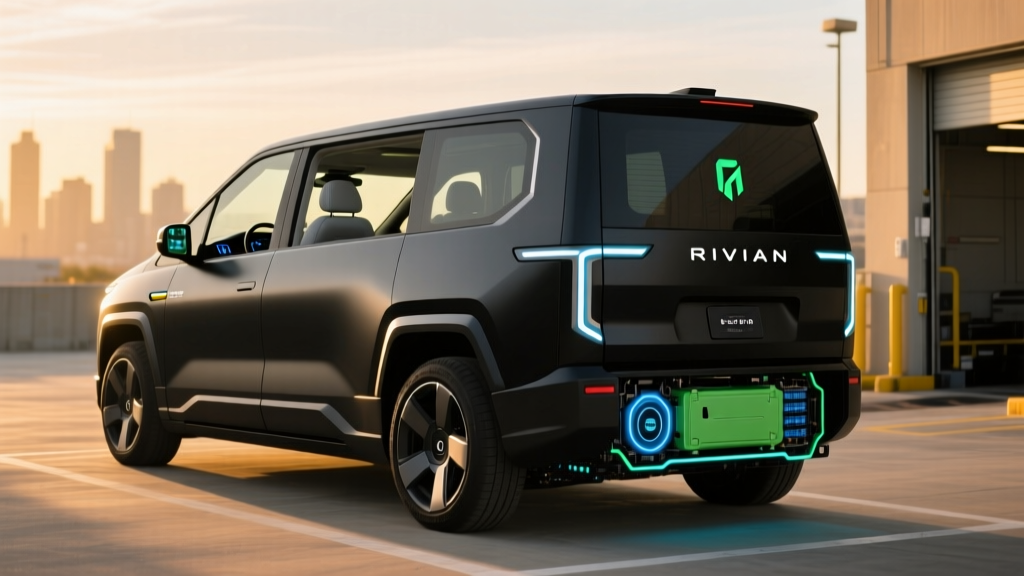
The 2023 Rivian EDV 700 represents a unique chapter in electric vehicle development — a commercial electric van designed from the ground up for Amazon's delivery network. Unlike consumer EVs, the EDV 700 (Electric Delivery Van, 700 cubic feet of cargo capacity) was engineered for specific last-mile delivery routes, prioritizing cargo efficiency, driver ergonomics, and fleet charging optimization over the features that matter to individual buyers.
This profile examines the EDV 700's specifications, real-world performance data, and what its existence means for the broader commercial EV landscape. While you can't buy one as a consumer, understanding this platform illuminates Rivian's manufacturing capabilities and the economics of electric fleet operations.
| Specification | Value |
|---|---|
| EPA Estimated Range | ~150 miles (estimated, commercial variant) |
| Battery Capacity | ~135 kWh usable (NMC chemistry) |
| Max DC Fast Charge Rate | 150 kW peak |
| 10-80% DC Charge Time | ~45 minutes |
| Level 2 Charging | ~11.5 kW (fleet depot charging) |
| Cargo Volume | 700 cubic feet |
| Drivetrain | Dual-motor AWD |
| Horsepower | ~400 hp (estimated) |
| 0-60 mph | N/A (commercial fleet vehicle) |
| Efficiency | ~2.0-2.5 kWh/mile (loaded) |
| Base MSRP | Not available (Amazon exclusive) |
| Battery Warranty | 8 years/100,000 miles (fleet terms) |
Range and Real-World Efficiency
The EDV 700's range is optimized for Amazon's typical delivery routes, which average 80-120 miles per day with frequent stops. While Rivian hasn't published official EPA range figures for this commercial variant (the EPA doesn't test fleet-exclusive vehicles in the same manner as consumer models), industry estimates based on battery capacity and vehicle weight suggest approximately 150 miles of range under typical delivery conditions.
The van's efficiency is heavily dependent on payload. Fully loaded with packages, the EDV 700 consumes roughly 2.0-2.5 kWh per mile — significantly higher than consumer EVs due to its 8,000+ pound gross vehicle weight rating. However, this efficiency is competitive with diesel delivery vans when accounting for the lower cost per kWh versus diesel fuel per gallon.
Charging Infrastructure and Fleet Operations
The EDV 700 uses a CCS1 connector for DC fast charging and supports J1772 for Level 2 charging, though Amazon's fleet operations primarily rely on depot-based Level 2 charging overnight. This approach aligns with the van's operational pattern: vehicles return to fulfillment centers each evening, charge during off-peak hours, and deploy the next morning with a full battery.
| Charging Method | Power | Time (10-80%) | Use Case |
|---|---|---|---|
| DC Fast Charging | 150 kW peak | ~45 minutes | Mid-day top-up (rare in fleet ops) |
| Level 2 (Depot) | 11.5 kW | ~9 hours (full charge) | Overnight charging at fulfillment centers |
| Level 1 | Not supported | N/A | Commercial vehicles don't use standard outlets |
The 150 kW DC fast-charge capability exists primarily for flexibility — if a van needs to be redeployed mid-day for an unexpected route or if depot charging infrastructure fails, the vehicle can recover meaningful range quickly. However, Amazon's fleet strategy emphasizes predictable overnight charging, which reduces electricity costs through off-peak rates and eliminates the need for expensive public charging infrastructure.
At a 150 kW DC fast charger, the EDV 700 will peak briefly before tapering as the battery reaches higher states of charge. Expect the 10-80% charge to take approximately 45 minutes, with the final 20% taking significantly longer due to charge-curve tapering that protects battery longevity.
Performance and Drivetrain
The EDV 700 uses a dual-motor all-wheel-drive configuration similar to Rivian's consumer vehicles (R1T and R1S), though tuned for commercial duty cycles rather than performance. Estimated output is around 400 horsepower — more than sufficient for a delivery van that rarely exceeds 65 mph and prioritizes low-end torque for frequent acceleration from stops.
The AWD system provides traction in adverse weather conditions, which is critical for delivery reliability in northern climates. Unlike consumer EVs where 0-60 times are marketing points, the EDV 700's acceleration is calibrated for smooth, predictable power delivery that won't shift cargo or compromise driver control during the hundreds of stops per day.
The van's regenerative braking system is aggressive by design, enabling near one-pedal driving in urban environments. This reduces brake wear (a significant fleet maintenance cost) and recovers energy during the stop-and-go patterns that characterize last-mile delivery routes.
Cargo Capacity and Interior Design
The EDV 700's namesake 700 cubic feet of cargo space is accessed through a unique curbside sliding door and rear roll-up door, designed to minimize the time drivers spend entering and exiting the vehicle. The interior layout prioritizes package organization with adjustable shelving and a pass-through to the driver's compartment that allows drivers to grab packages without fully exiting the cab.
The driver's compartment is spartan compared to consumer vehicles but includes features specific to delivery work: a dedicated tablet mount for Amazon's delivery app, heated seats for cold-weather comfort (critical given the hundreds of door openings per day), and a low step-in height that reduces driver fatigue over a full shift.
Visibility is exceptional, with a large windshield and strategically placed cameras providing a 360-degree view on the central display. This camera system serves double duty as both a safety feature and a package-scanning aid, helping drivers locate specific parcels in the cargo area.
Tax Credits and Fleet Economics
The EDV 700 is not available for consumer purchase — it's built exclusively for Amazon under a contract for 100,000 vehicles by 2030. However, understanding the tax credit implications illuminates why Amazon invested in this platform.
Under the IRS §30D Clean Vehicle Credit, commercial fleet vehicles may qualify for up to $7,500 per vehicle if they meet battery sourcing and critical mineral requirements. However, Amazon's purchase structure (direct from manufacturer, fleet registration) and the EDV 700's commercial classification create different incentive pathways, including Commercial Clean Vehicle Credits under §45W that can provide up to $40,000 per vehicle for qualified commercial electric vehicles.
For Amazon, the economics work because:
- Electricity cost per mile is roughly 50-70% lower than diesel on a per-mile basis
- Maintenance costs are significantly reduced (no oil changes, fewer brake replacements, simpler drivetrain)
- Depot charging eliminates fuel card management and driver fuel-purchase time
- Federal and state incentives offset the higher upfront vehicle cost
Technology and Driver Assistance
The EDV 700 includes Rivian's driver-assistance suite, though calibrated for commercial use rather than highway cruising. Features include automatic emergency braking, lane-keeping assistance, and blind-spot monitoring — all critical for a vehicle that spends its life in dense urban environments with pedestrians, cyclists, and parked cars creating constant hazards.
Unlike Tesla's Autopilot or GM's Super Cruise, the EDV 700's system is strictly SAE Level 2, meaning the driver must remain fully engaged at all times. There is no "hands-off" mode, which aligns with both current regulations and Amazon's liability considerations for fleet operations.
The van's infotainment system is minimal by design — a central touchscreen handles navigation, climate controls, and vehicle settings, but there's no music streaming or consumer-facing entertainment features. This reduces distraction and aligns with the vehicle's purpose as a tool rather than a personal vehicle.
Pros and Cons
- Purpose-built for delivery efficiency with optimized cargo access
- Significantly lower operating costs vs diesel vans
- Zero tailpipe emissions in dense urban areas
- Regenerative braking reduces maintenance costs
- Quiet operation improves neighborhood acceptance
- Not available for consumer purchase
- Limited range compared to consumer EVs (150 miles vs 300+ miles)
- Requires depot charging infrastructure investment
- Cold-weather range loss impacts winter route planning
- Higher upfront cost than diesel equivalents (offset by incentives)
Frequently Asked Questions
Can I buy a 2023 Rivian EDV 700 as a consumer?
No. The EDV 700 is built exclusively for Amazon under a fleet contract. Rivian does not sell this vehicle to individual buyers or other commercial fleets. If you're interested in a Rivian for personal use, the R1T pickup and R1S SUV are the consumer options.
What is the real-world range of the EDV 700?
The estimated range is approximately 150 miles under typical delivery conditions (moderate temperatures, partial load, urban stop-and-go). In cold weather or with full cargo loads, expect 20-30% range reduction. This is sufficient for Amazon's average 80-120 mile daily routes but would be inadequate for longer regional delivery routes.
How fast does the EDV 700 charge?
At a 150 kW DC fast charger, the EDV 700 can charge from 10-80% in approximately 45 minutes. However, Amazon primarily uses overnight Level 2 charging at 11.5 kW, which takes about 9 hours for a full charge. This aligns with the van's operational pattern of returning to depots each evening.
Does the EDV 700 qualify for federal tax credits?
The EDV 700 may qualify for Commercial Clean Vehicle Credits under IRS §45W (up to $40,000 for qualified commercial electric vehicles) rather than the consumer §30D credit. Eligibility depends on battery sourcing requirements, vehicle weight classification, and Amazon's specific tax situation. Consult a tax professional for current rules.
How does the EDV 700 compare to diesel delivery vans?
The EDV 700 has higher upfront costs but significantly lower operating costs. Electricity costs roughly 50-70% less per mile than diesel, maintenance is reduced (no oil changes, less brake wear), and federal incentives offset purchase costs. Over a 10-year fleet lifecycle, the EDV 700 is projected to be more economical despite the higher initial investment.
What happens if the EDV 700 runs out of charge mid-route?
Amazon's route optimization software ensures vehicles have sufficient range for their assigned routes plus a safety buffer. If a vehicle does need mid-day charging, the 150 kW DC fast-charge capability allows it to recover meaningful range in 45 minutes. However, this is rare in normal operations.
Who This EV Suits
The EDV 700 is purpose-built for a single customer: Amazon's last-mile delivery network. It's not suitable for consumer purchase, and its specifications reflect that singular focus. The 150-mile range, depot-charging model, and cargo-optimized design would be impractical for personal use or even most commercial fleet applications outside of high-frequency, short-route delivery operations.
For consumers interested in Rivian's technology, the R1T and R1S offer similar electric drivetrain capabilities in consumer-friendly packages with 300+ mile ranges, consumer charging networks, and personal-use features. The EDV 700's existence demonstrates Rivian's manufacturing scale and engineering capabilities, but it's a specialized tool for a specific commercial application, not a vehicle you can add to your garage.
If you're evaluating electric options for a commercial fleet, the EDV 700's success with Amazon validates the electric delivery van concept, but you'll need to explore other manufacturers like Ford (E-Transit), BrightDrop, or Mercedes-Benz (eSprinter) that sell to the broader commercial market.