Quick Verdict: A Charming City EV With a Hard Range Ceiling
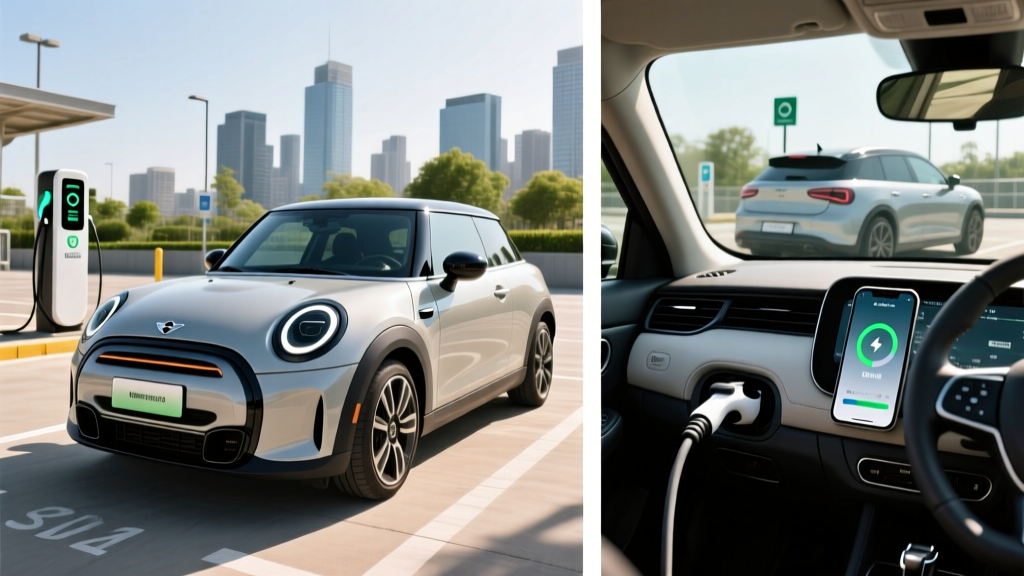
The 2023 Mini Cooper SE occupies a specific niche in the EV market: it's an affordable, fun-to-drive electric hatchback built for urban commuters who can charge at home and rarely need more than 100 miles in a day. With an EPA-estimated 114 miles of range from a modest 32.6 kWh battery pack, it trades long-distance capability for a lower price point, nimble handling, and classic Mini styling. In 2026, it remains one of the cheapest new EVs available — but buyers must understand its range limitations before signing on the dotted line.
Mini discontinued the Cooper SE (Hardtop 2 Door EV) after the 2023 model year in the U.S. market, replacing it with the next-generation electric Mini lineup. That means the 2023 model is now primarily available on the used-EV market, where it can represent exceptional value — especially with the up-to-$4,000 used-EV tax credit (IRS §25E). Below, we break down every spec that matters.
Range, Battery, and Real-World Efficiency
| Spec | Value |
|---|---|
| EPA Range | 114 miles |
| Battery Capacity (gross / usable) | 32.6 kWh / 28.9 kWh |
| Battery Chemistry | NMC (Nickel Manganese Cobalt) |
| Efficiency | 110 MPGe combined (31 kWh/100 mi) |
| Motor Output | 181 hp / 199 lb-ft torque |
| Drivetrain | Front-wheel drive (FWD) |
| 0–60 mph | 6.9 seconds |
| Top Speed | 93 mph (electronically limited) |
| Curb Weight | ~3,250 lbs |
Real-World Range Expectations
EPA sticker: 114 miles
City / moderate driving: 105–120 miles (regen braking helps in stop-and-go)
Highway (70+ mph): 85–100 miles (small battery amplifies aero losses)
Cold weather (below 32°F): 70–90 miles (NMC chemistry + no heat pump = significant cabin-heating draw)
The Cooper SE lacks a heat pump, relying on resistive heating for cabin warmth. In freezing temperatures, expect 25–35% range reduction. Preconditioning the battery while plugged in mitigates some loss, but this car's range ceiling is fundamentally low compared to 250+ mile competitors.
The 32.6 kWh gross battery (with approximately 28.9 kWh usable due to top/bottom buffer) uses NMC lithium-ion cells supplied in a T-shaped configuration that sits under the rear seats and center tunnel. This packaging keeps the center of gravity low but limits total energy storage. For context, a Chevrolet Bolt EV carries 65 kWh usable — roughly double.
Efficiency is a relative bright spot. At 110 MPGe combined (31 kWh per 100 miles per the EPA), the Cooper SE sips electrons frugally in city driving. But that efficiency can't overcome the small tank.
Charging Speed: DC Fast, Level 2, and Level 1
| Charging Level | Connector | Max Rate | Speed | Notes |
|---|---|---|---|---|
| Level 1 (120V) | J1772 | ~1.4 kW | ~4 mi/hr | Emergency/top-up only; full charge in ~22 hr |
| Level 2 (240V) | J1772 | 7.4 kW | ~25 mi/hr | 0–100% in ~4.5 hours; ideal for overnight home charging |
| DC Fast Charge | CCS1 | 50 kW | 10–80% in ~36 min | Peak rate sustained only to ~50% SoC; tapers significantly above |
The Cooper SE's 50 kW DC fast-charging cap is its most notable limitation for road-trip use. While 50 kW was acceptable when the car launched, it falls well behind the 150–250 kW rates common on modern EVs. On a Electrify America or EVgo station capable of 150+ kW, the Mini can only pull a fraction of that capacity.
The charge curve matters here: you'll see close to 50 kW from roughly 10% to 50% state of charge, but the rate tapers to the mid-30s kW range by 60% and drops further past 80%. Plan for 36–40 minutes for a 10–80% session — and since you're adding back only about 80 miles of range, each stop takes proportionally longer than in a long-range EV.
At home on a Level 2 (240V, 32-amp) charger, the Cooper SE is perfectly practical. The onboard charger accepts up to 7.4 kW, meaning a full 0–100% charge takes about 4.5 hours. Most owners will plug in overnight and wake up to a full battery every morning — which is the intended use case.
Performance and Driving Dynamics
The single front-mounted electric motor produces 181 horsepower and 199 lb-ft of torque, good for a 6.9-second 0–60 mph time. That's genuinely quick for a subcompact hatchback, and the instant torque delivery makes the Cooper SE feel punchier than the numbers suggest in city driving.
Where this car shines is handling. The battery placement gives it a lower center of gravity than the gas-powered Mini Hardtop, and the chassis tuning retains the go-kart feel Mini is known for. Steering is direct, body roll is minimal, and the 3,250-pound curb weight keeps it nimble. It's one of the most engaging small EVs to drive on a twisty urban route.
Drawbacks: the top speed is electronically limited to 93 mph (irrelevant for most but notable), and the FWD layout means torque steer can surface under hard acceleration from a stop. There's no all-wheel-drive option.
Pricing, Tax Credits, and Ownership Economics
| Item | Amount |
|---|---|
| Signature Trim (base MSRP) | $30,900 |
| Signature Plus Trim | $34,100 |
| Iconic Trim | $37,300 |
| Destination Charge | $850 |
| New-Vehicle Federal Credit (§30D) — when available | Up to $7,500 (subject to sourcing, MSRP cap, income cap) |
| Used-EV Federal Credit (§25E) — 2026 buyers | Up to $4,000 (30% of sale price, max $4,000) |
New-vehicle §30D credit note: When sold new, the 2023 Cooper SE's credit eligibility depended on evolving battery-sourcing and critical-mineral requirements under the Inflation Reduction Act. The MSRP cap for cars ($55,000) was not a barrier, and buyer income caps ($150K single / $300K joint) applied. Always verify current eligibility via the IRS clean vehicle credit page.
Used-EV credit (§25E) in 2026: Since the Cooper SE is now available primarily as a used vehicle, the used clean vehicle credit becomes the relevant incentive. This credit provides 30% of the sale price up to $4,000, applicable to EVs with an MSRP (when new) under $25,000 — wait, actually the used-EV credit applies to vehicles sold for $25,000 or less at the time of used sale. The Cooper SE's original MSRP was above $25,000, so buyers should confirm the used sale price and eligibility with a tax professional. Income caps apply: $75K single / $150K joint for used credits.
On the ownership-cost side, the Cooper SE benefits from low fueling costs. At a national average of ~$0.16/kWh for home electricity, a full charge costs roughly $4.62 — compared to $45–55 for a full tank in a gas Mini Cooper at 2026 fuel prices. Over 15,000 miles annually, expect roughly $465 in electricity versus $1,800+ in gasoline.
Interior, Cargo, and Technology
The cabin is unmistakably Mini: circular central display, toggle-switch gear selector, and premium materials that punch above the car's price class. The 2023 model features an 8.8-inch touchscreen with Apple CarPlay and Android Auto (wireless), navigation, and a digital instrument cluster.
Passenger space is the tradeoff for the compact footprint:
- Front headroom: 38.8 inches
- Front legroom: 41.4 inches
- Rear headroom: 37.0 inches
- Rear legroom: 28.8 inches (tight for adults on longer trips)
- Seating: 4 passengers (strictly a 2-door)
Cargo volume is modest: 8.7 cubic feet behind the rear seats (the battery packaging slightly reduces space versus the gas Hardtop). Fold the rear seats and you get approximately 25.8 cubic feet — enough for a week of groceries or two carry-on bags, but not a Costco run.
Driver-assistance features include forward collision warning, automatic emergency braking, lane departure warning, and parking sensors. Adaptive cruise control is available on higher trims. These are SAE Level 1–2 assists — the driver must remain fully engaged at all times. There is no hands-free or autonomous driving capability.
Battery Warranty and Longevity
Mini provides an 8-year/100,000-mile battery and electric drivetrain warranty, which covers the high-voltage battery against defects and excessive capacity loss (typically defined as dropping below 70% state of health within the warranty period). The basic vehicle warranty is 4 years/50,000 miles.
NMC batteries in the Cooper SE have shown moderate degradation in owner reports — typically 5–10% capacity loss over the first 3–4 years / 40,000–60,000 miles. Because the battery is already small, even a 10% loss drops real-world range below 100 miles. Best practices: avoid routinely charging to 100% or depleting to 0%, and use DC fast charging sparingly to reduce thermal stress on the cells.
Out-of-warranty battery replacement cost is estimated at $8,000–$12,000 depending on labor and parts sourcing — a significant expense relative to the car's value. Factor this into long-term ownership projections if you plan to keep the vehicle past 100,000 miles.
Pros, Cons, and Who Should Buy
Pros
- Low starting price (especially on the used market)
- Engaging, go-kart handling with instant electric torque
- Premium interior with solid infotainment
- Quick 7.4 kW Level 2 home charging
- Excellent city efficiency (110+ MPGe)
- Potential used-EV tax credit savings
Cons
- 114-mile EPA range — lowest among current mainstream EVs
- 50 kW DC fast-charging cap makes road trips impractical
- No heat pump — severe cold-weather range loss
- Tiny rear seat and limited cargo space
- FWD only; no AWD option
- Top speed limited to 93 mph
Who the Cooper SE Is For
Buy it if: You're a single person or couple with reliable home Level 2 charging, a daily commute under 50 miles round-trip, and a second vehicle (or ride-share fallback) for longer trips. It's an ideal urban runabout and second car.
Skip it if: You need a primary vehicle for road trips, have a long highway commute, live in a cold climate without a garage, need rear-seat space for children or adults, or can't charge at home.
Frequently Asked Questions
What is the real-world range of the 2023 Mini Cooper SE?
The EPA rates it at 114 miles. In real-world city driving at moderate temperatures, expect 105–120 miles. On the highway at 70+ mph, expect 85–100 miles. In freezing weather, range can drop to 70–90 miles due to resistive cabin heating and battery chemistry limitations.
How fast does the 2023 Mini Cooper SE charge?
On DC fast charging (CCS1), it peaks at 50 kW, taking about 36 minutes from 10–80%. At home on a Level 2 (240V, 7.4 kW) charger, a full 0–100% charge takes approximately 4.5 hours. Level 1 (120V) trickle charging adds about 4 miles per hour.
Does the 2023 Mini Cooper SE qualify for the federal EV tax credit?
As a new vehicle, eligibility for the §30D credit (up to $7,500) depended on battery-sourcing requirements that shifted throughout 2023. Now available as a used vehicle, it may qualify for the §25E used-EV credit (up to $4,000) if the used sale price is $25,000 or less and buyer income falls within caps ($75K single / $150K joint). Consult a tax professional and the IRS to confirm your eligibility.
Is the Mini Cooper SE worth buying versus competitors?
Against the Chevrolet Bolt EV (259 miles EPA, ~$26,500 new), the Cooper SE is range-challenged and pricier per mile of range. However, it offers superior build quality, more engaging handling, and a premium cabin. If range is your top priority, the Bolt or Nissan Leaf (149–212 mi) serve better. If driving fun and city style matter most, the Cooper SE has no direct rival.
How long will the battery last?
The NMC battery is warrantied for 8 years/100,000 miles against defects and excessive degradation (below 70% capacity). Owner data suggests 5–10% loss over 3–4 years. With proper care (avoiding extreme SoC states and frequent DC fast charging), the battery should provide usable range for 10+ years, though reduced from the original 114 miles.
Can the Cooper SE be my only car?
For a solo urban dweller with home charging and a sub-50-mile daily commute, yes — with the understanding that longer trips require planning around 50 kW DC charging stops every 80–90 miles. For most households, it works best as a second vehicle paired with a longer-range car or hybrid for road trips.