Quick Verdict: The 2023 Ioniq 5 Limited at a Glance
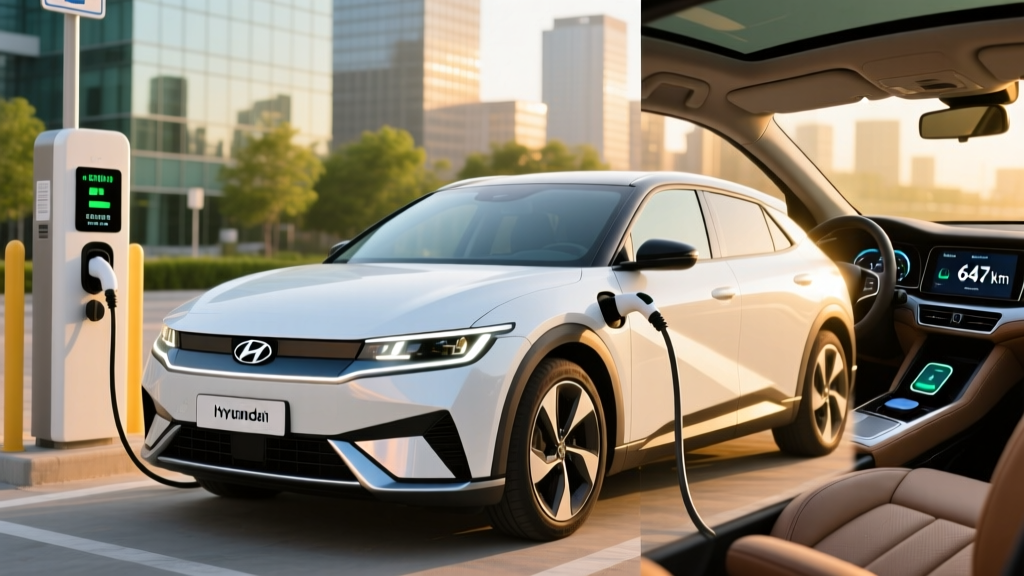
The 2023 Hyundai Ioniq 5 Limited remains one of the most compelling electric crossovers on the used-EV market in 2026. Built on Hyundai's Electric-Global Modular Platform (E-GMP), it pairs an 800-volt architecture with class-leading DC fast-charging speeds, a spacious flat-floor cabin, and a feature-rich Limited trim that undercuts luxury competitors by thousands. For buyers evaluating a certified pre-owned or privately listed 2023 Ioniq 5 Limited, the value proposition has only strengthened as newer models push MSRPs higher and the used-EV tax credit (§25E) offers up to $4,000 back for qualifying pre-owned purchases.
This review covers the dual-motor AWD Limited trim — the top-of-the-line 2023 configuration — with real-world data on range, charging behavior, ownership costs, and how it stacks up against the Tesla Model Y, Ford Mustang Mach-E, and Kia EV6.
| Spec | Value |
|---|---|
| EPA Range | 260 miles (AWD Limited) |
| Battery (usable) | 77.4 kWh, NMC lithium-ion |
| Drivetrain | Dual-motor AWD |
| Horsepower / Torque | 320 hp / 446 lb-ft |
| 0–60 mph | 4.5 seconds |
| Max DC Fast Charge | ~240 kW (peak) |
| 10–80% DC Time | ~18 minutes (optimal conditions) |
| Level 2 Charge Rate | 10.9 kW (~44 mi/hr) |
| EPA Efficiency | 110 MPGe combined / 30 kWh/100 mi |
| Cargo (rear seats up / folded) | 27.2 / 59.3 cu ft |
| Base MSRP (2023 Limited AWD) | $52,600 |
| Battery Warranty | 10 years / 100,000 miles |
Range and Efficiency: EPA vs. the Real World
Real-World Expectation: 220–245 miles in mixed driving; 200–215 miles sustained highway at 70+ mph; 170–195 miles in sub-30°F cold weather
The 2023 Ioniq 5 Limited AWD carries a 77.4 kWh usable battery pack using NMC (nickel-manganese-cobalt) chemistry, which prioritizes energy density over the LFP (lithium iron phosphate) packs found in some base RWD trims of competing EVs. The 260-mile EPA rating applies specifically to the AWD Limited with its standard 20-inch alloy wheels — stepping to the SE or SEL trims with smaller wheels and RWD yields up to 303 miles EPA, but those are different configurations.
In real-world mixed driving at moderate temperatures (60–80°F), owners consistently report 230–245 miles before reaching 10% State of Charge. Sustained highway driving at 75 mph drops that figure to roughly 200–215 miles because aerodynamic drag dominates at higher speeds and the Ioniq 5's boxy silhouette works against it compared to sleeker sedans. Cold weather is the bigger equalizer: in temperatures below 30°F, expect a 20–30% reduction, putting real-world winter range in the 170–195 mile band. The heat pump included on the Limited trim helps mitigate cabin heating losses, but battery chemistry itself slows in the cold.
Efficiency lands at 110 MPGe combined (30 kWh per 100 miles) per the EPA, which is competitive with the Model Y Long Range but slightly behind the Kia EV6 GT-Line AWD's 106 MPGe rating due to the Ioniq 5's taller profile. For commuters averaging 30–40 miles round-trip, a nightly Level 2 top-up easily covers daily needs with range to spare.
Charging Speed: 800-Volt Architecture That Delivers
The Ioniq 5's headline advantage is its 800-volt electrical architecture, which enables DC fast-charging speeds that most competitors in this price bracket simply cannot match. While many 2023-era EVs still rely on 400V systems limited to 130–150 kW, the Ioniq 5 can peak at approximately 240 kW on a compatible 350 kW charger.
| Charge Level | Power (kW) | Speed (mi/hr added) | Notes |
|---|---|---|---|
| Level 1 (120V household) | ~1.4 kW | ~3–4 mi/hr | Emergency/trickle only; ~65+ hrs for full charge |
| Level 2 (240V home) | 10.9 kW | ~44 mi/hr | Full charge in ~7.5 hrs; ideal overnight |
| DC Fast (350 kW station) | Up to 240 kW peak | Up to ~900 mi/hr (peak) | 10–80% in ~18 min; tapers significantly above 80% |
| DC Fast (150 kW station) | ~150 kW sustained | ~550 mi/hr | 10–80% in ~25 min; more common station type |
| DC Fast (50 kW CHAdeMO/CCS) | 50 kW | ~180 mi/hr | 10–80% in ~55 min; legacy stations |
The 18-minute 10–80% claim holds true under optimal conditions: battery preconditioned to roughly 75–95°F, ambient temperature moderate, and a station capable of sustaining 350 kW output. In practice, many Electrify America and EVgo 350 kW stalls deliver variable output, and you may see peak rates closer to 200–220 kW depending on station load and battery temperature. The charge curve tapers sharply above 80% SoC — going from 80% to 100% on DC can take nearly as long as the 10–80% session. For road trips, the practical strategy is to charge to 80% and drive on.
At home on a 48-amp Level 2 charger (requiring a 60-amp dedicated circuit), the onboard 10.9 kW charger replenishes roughly 44 miles of range per hour, meaning a full 0–100% charge takes about 7.5 hours. Most owners plug in overnight and wake to a full battery every morning. Home installation for a Level 2 circuit typically runs $500–$2,000 depending on panel proximity and whether a 200-amp service upgrade is needed.
The 2023 Ioniq 5 uses the CCS1 connector for DC fast charging. Hyundai did not adopt NACS (Tesla's connector) until the 2025 model year, so 2023 owners rely on the CCS network — Electrify America, EVgo, ChargePoint DC, and others. A NACS-to-CCS adapter may become available through Hyundai or third parties, but compatibility should be verified before purchase.
Performance and Driving Dynamics
The Limited AWD pairs a front and rear permanent-magnet synchronous motor for a combined 320 horsepower and 446 lb-ft of torque. Hyundai's official 0–60 mph time is 5.1 seconds, though independent testing by outlets like Car and Driver has recorded times as quick as 4.5 seconds under optimal conditions. Either figure puts it firmly in quick-crossover territory — the Model Y Long Range AWD hits 60 in about 4.8 seconds for comparison.
What separates the Ioniq 5 from pure performance EVs is its ride quality. The suspension tuning leans comfort-oriented, absorbing highway imperfections with a composure that the stiffer-sprung Model Y cannot match. Steering is light and precise if not particularly communicative, and the low center of gravity (battery pack mounted under the floor) keeps body roll well-controlled in corners. Regenerative braking offers four levels selectable via steering-wheel paddles, including an i-Pedal mode for true one-pedal driving that brings the car to a complete stop without touching the brake pedal.
The Ioniq 5 is not rated for towing in the U.S. market for the 2023 model year — a notable limitation for buyers who need to haul trailers. Competitors like the Model Y (up to 3,500 lbs) and the Rivian R1S offer tow ratings the Hyundai cannot match.
Interior, Tech, and Cargo
Step inside the Limited and you're greeted by dual 12.3-inch displays — one for the digital instrument cluster, one for infotainment — merged behind a single curved glass panel. The Limited trim adds a head-up display with augmented-reality navigation overlays, a premium Bose 8-speaker audio system, ventilated front seats, heated rear seats, a panoramic fixed glass roof, and a center console that slides fore and aft by up to 5.5 inches (Hyundai calls it the "Universal Island").
The flat floor — a benefit of the dedicated EV platform — creates genuinely impressive interior volume. Rear-seat legroom measures 39.4 inches, which is limousine-like for a compact crossover and exceeds the Model Y's rear legroom. Front legroom is 41.7 inches. The cabin feels airy and open, though the fixed glass roof (no shade) can let in significant heat on sunny days — a common owner complaint and an area where a retractable shade would help.
Cargo capacity is 27.2 cubic feet behind the rear seats and 59.3 cubic feet with the 60/40 split rear seats folded. There is also a small front trunk (frunk) on AWD models, though it's modest at roughly 0.85 cubic feet — enough for a charging cable kit or a small bag, but not a meaningful luggage area like the frunk on a Ford F-150 Lightning.
On the driver-assistance front, the Limited includes Hyundai SmartSense: adaptive cruise control with stop-and-go, lane-keeping assist, highway driving assist (which combines adaptive cruise and lane centering on marked highways), blind-spot monitoring with rear cross-traffic avoidance, and a 360-degree camera. Highway Driving Assist is a competent SAE Level 2 system — it requires hands on the wheel and active driver supervision at all times. It is not a self-driving system, and Hyundai does not market it as one.
Pricing, Tax Credits, and Ownership Costs
When new, the 2023 Ioniq 5 Limited AWD carried an MSRP of $52,600 before destination. Fully loaded with the only available option package (which was minimal — Hyundai kept the Limited trim comprehensive), as-tested pricing hovered around $53,500–$54,000 with destination and dealer fees.
| Item | Amount |
|---|---|
| Original MSRP (2023 Limited AWD) | $52,600 |
| Estimated Used Market Price (2026, ~30k mi) | $30,000–$36,000 |
| Federal Used-EV Tax Credit (§25E) | Up to $4,000 (30% of sale price, capped) |
| Effective Price After §25E Credit | ~$26,000–$32,000 |
For 2026 buyers, the relevant incentive is the federal used-EV tax credit (§25E), which provides 30% of the sale price up to a maximum of $4,000 for qualifying pre-owned EVs. To be eligible, the vehicle must be purchased from a licensed dealer for $25,000 or more, the buyer must meet income thresholds ($75,000 single / $150,000 joint AGI), and the credit can be transferred at the point of sale to reduce the purchase price directly. This makes a well-maintained 2023 Ioniq 5 Limited an exceptional value in 2026 — potentially landing in the high $20,000s after credit application.
Note: The §30D new-vehicle credit that applied when this car was sold new is no longer relevant for a 2023 model purchased used. Always verify current-year credit rules with a tax professional, as IRS sourcing requirements and income caps are subject to legislative updates.
Ownership costs beyond purchase price are favorable. Electricity at the national average of ~$0.16/kWh translates to roughly $0.048 per mile — about one-third the fuel cost of a comparable gas crossover at 25 MPG and $3.50/gallon. Insurance premiums for the Ioniq 5 tend to run 10–20% higher than equivalent ICE vehicles due to repair-cost structures, so budget accordingly. Hyundai's warranty coverage is outstanding: the battery and powertrain are covered for 10 years or 100,000 miles (whichever comes first), with a capacity-retention threshold of 70% — meaning Hyundai will repair or replace the pack if it degrades below 70% of original capacity within the warranty window.
How It Compares: Ioniq 5 Limited vs. Key Rivals
The 2023 Ioniq 5 Limited competes in a crowded segment. Here's how it stacks up against the three most common cross-shops:
Versus Tesla Model Y Long Range (2023): The Model Y wins on range (330 miles EPA vs. 260) and Supercharger network access, but the Ioniq 5 charges faster on compatible DC stations, offers a more comfortable ride, and provides significantly more rear legroom. The Model Y's panel gaps and minimalist interior remain polarizing. On the used market in 2026, both are strong values, but the Ioniq 5 Limited's features-per-dollar ratio is harder to beat.
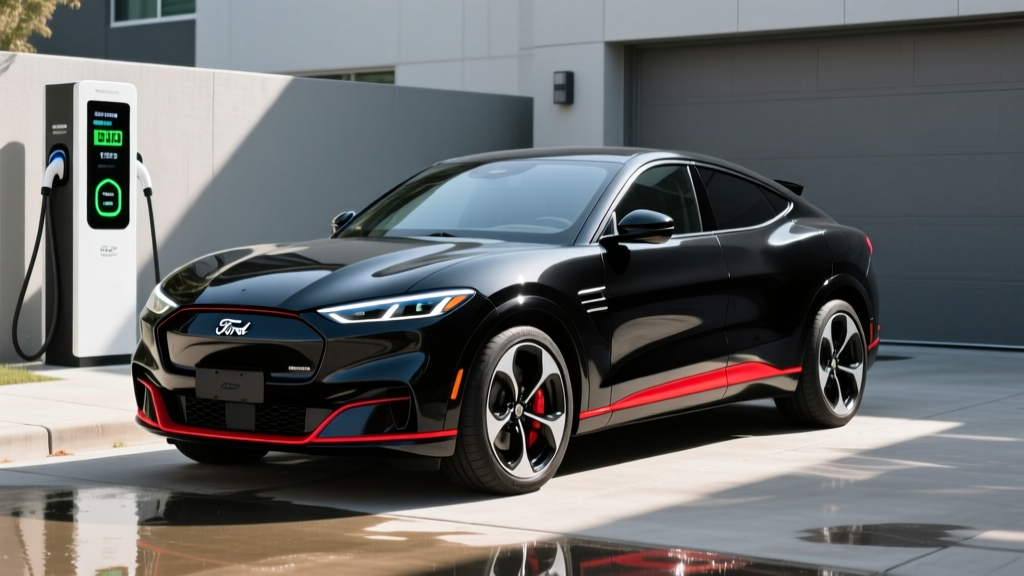
Versus Ford Mustang Mach-E Premium AWD (2023): The Mach-E offers similar range (290 miles EPA with extended-range battery) and a sportier driving feel, but its DC charging tops out at ~150 kW — nearly 40% slower than the Ioniq 5's peak. Interior materials in the Mach-E feel a step below the Hyundai's Limited trim.
Versus Kia EV6 GT-Line AWD (2023): The corporate cousin (same E-GMP platform, same 77.4 kWh battery) matches the Ioniq 5 on charging speed and powertrain but wears a sportier exterior design and slightly firmer suspension. Range is similar at 274 miles EPA for the GT-Line. The choice between these two comes down to design preference and dealer experience — they are mechanically near-identical.
Pros and Cons
- Class-leading DC fast charging (~240 kW peak, 18 min 10–80%)
- Spacious flat-floor cabin with excellent rear legroom (39.4")
- 10-year / 100,000-mile battery warranty
- Feature-rich Limited trim at a competitive price point
- Comfortable ride quality superior to most EV crossovers
- Vehicle-to-load (V2L) capability powers devices/tools via cabin outlet
- Strong used-EV credit eligibility in 2026
- 260-mile EPA range (AWD Limited) trails key competitors
- No towing rating for U.S. market
- Fixed glass roof lacks a retractable shade — cabin heat in summer
- CCS1 connector (no native NACS) limits Tesla Supercharger access
- Infotainment lacks a physical volume knob (touch-sensitive controls)
- Frunk is tiny on AWD models (~0.85 cu ft)
- Highway range drops noticeably above 70 mph
Who Should Buy the 2023 Ioniq 5 Limited?
Best for: Daily commuters with home Level 2 charging who prioritize cabin comfort, fast public charging for occasional road trips, and a premium feature set without luxury-brand pricing. Families who value rear-seat space will find the Ioniq 5 surprisingly accommodating for a compact crossover.
Look elsewhere if: You need maximum range for frequent 300+ mile road trips (consider the Model Y or Ioniq 5 RWD with 303 miles), you require towing capability, or you depend on Tesla Supercharger access in a region with sparse CCS infrastructure.
Frequently Asked Questions
What is the real-world range of the 2023 Ioniq 5 Limited AWD?
The EPA rates it at 260 miles, but expect 220–245 miles in real-world mixed driving at moderate temperatures. Sustained highway driving at 75 mph drops that to about 200–215 miles, and sub-30°F winter conditions can reduce range to 170–195 miles even with the heat pump engaged.
How fast does the 2023 Ioniq 5 charge at home and on the road?
On a Level 2 home charger (240V, 48A), it charges at 10.9 kW, adding about 44 miles per hour and reaching a full charge in roughly 7.5 hours. On a 350 kW DC fast charger, it peaks at ~240 kW and charges from 10–80% in approximately 18 minutes under optimal battery-temperature conditions.
Does the 2023 Ioniq 5 qualify for any federal tax credit in 2026?
As a used vehicle, it may qualify for the §25E used clean vehicle credit — up to $4,000 (30% of sale price, capped) if purchased from a dealer for $25,000 or more and the buyer meets income limits ($75,000 single / $150,000 joint). The credit can be applied at the point of sale. Consult IRS guidelines and a tax professional for eligibility confirmation.
Is the 2023 Ioniq 5 Limited worth buying over a Tesla Model Y?
It depends on priorities. The Ioniq 5 charges faster on non-Tesla DC stations, offers a more comfortable ride, and has superior rear-seat space. The Model Y wins on EPA range (330 vs. 260 miles), Supercharger network access, and over-the-air software updates. On the 2026 used market, both represent strong value — test-drive both and choose based on which trade-offs matter to you.
What is the battery warranty on the 2023 Ioniq 5?
Hyundai covers the high-voltage battery and electric powertrain for 10 years or 100,000 miles, whichever comes first. The warranty guarantees the battery will retain at least 70% of its original capacity. If degradation exceeds 30% within the warranty period, Hyundai will repair or replace the battery at no cost.
Can I charge a 2023 Ioniq 5 at Tesla Superchargers?
Not natively. The 2023 Ioniq 5 uses the CCS1 connector, while Tesla Superchargers use NACS. Some adapters exist on the market, and Tesla has begun opening select Superchargers to non-Tesla CCS vehicles via the Magic Dock adapter at specific stations, but widespread compatibility is not guaranteed. Check Tesla's app for station-specific access.