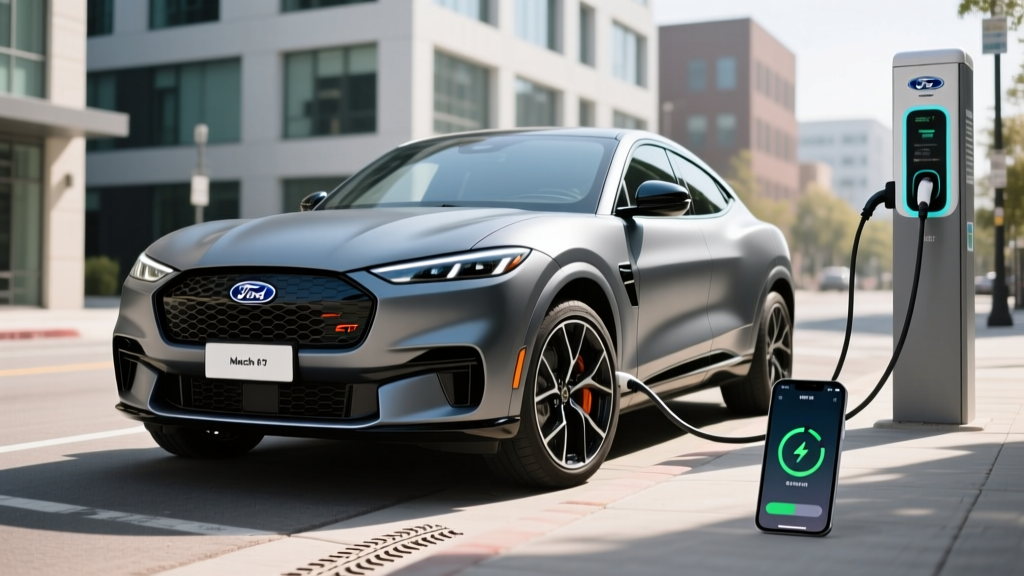
The 2023 Ford Mustang Mach-E GT occupies a specific niche in the electric crossover segment: a dual-motor performance SUV that prioritizes acceleration and driving dynamics without abandoning daily practicality. With 480 horsepower (up to 634 lb-ft of torque on the Performance Edition), a sub-4-second 0-60 mph time, and an EPA-estimated 270 miles of range, it competes directly with the Tesla Model Y Performance, Hyundai Ioniq 5 AWD, and Kia EV6 GT-Line. But specs alone don't tell the ownership story. This review covers what the numbers mean on actual roads, at real chargers, and in your wallet — including the nuances of federal tax credit eligibility under current IRS §30D rules.
Specs at a Glance: 2023 Mustang Mach-E GT
| Specification | GT | GT Performance Edition |
|---|---|---|
| EPA Range | 270 miles | 260 miles |
| Battery (usable) | 91 kWh (NMC chemistry) | |
| Horsepower | 480 hp | 480 hp |
| Torque | 600 lb-ft | 634 lb-ft |
| 0-60 mph | ~3.8 sec | ~3.5 sec |
| Drivetrain | AWD (dual-motor, eAWD) | |
| Max DC Fast Charge | 150 kW (peak) | |
| 10-80% DC Charge Time | ~45 minutes | |
| Level 2 Home Charging | 10.5 kW (~30 mi/hr) | |
| MPGe (combined) | 84 MPGe | 82 MPGe |
| kWh/100 mi | 40 kWh | 41 kWh |
| Cargo (behind rear seats) | 29.7 cu ft | |
| Cargo (seats folded) | 59.7 cu ft | |
| Front Trunk (frunk) | 4.7 cu ft | |
| Base MSRP (2023 launch) | ~$65,995 | ~$69,895 |
| Battery/Powertrain Warranty | 8 years / 100,000 miles | |
Range Reality: EPA Sticker vs. What You'll Actually Get
The 91 kWh usable battery pack uses NMC (nickel-manganese-cobalt) chemistry, which offers higher energy density than LFP but is more sensitive to sustained high states of charge. Ford recommends daily charging to 90% for battery longevity, reserving 100% for road trips. At 90% state of charge, your working range drops to roughly 243 miles (GT) or 234 miles (Performance Edition) — a practical figure for most commutes but one that requires planning on longer routes.
Efficiency is rated at 84 MPGe combined for the GT, translating to 40 kWh per 100 miles. That's less efficient than the single-motor Mach-E California Route 1 (101 MPGe / 33 kWh/100mi) but competitive with the Model Y Performance (28 MPGe combined equivalent to roughly 36 kWh/100mi at similar power outputs). The efficiency penalty comes from the dual-motor AWD system, wider 245-section tires, and the weight of a ~4,900-lb vehicle.
Charging Speed: DC Fast Charging and Home Setup
The Mach-E GT's charging profile is its most debated specification. Ford equipped the 2023 model with a 150 kW peak DC fast-charging capability — adequate but not class-leading. Competitors like the Hyundai Ioniq 5 and Kia EV6 (both on the E-GMP 800V architecture) accept up to 235-240 kW and complete a 10-80% charge in roughly 18 minutes. The Mach-E GT takes approximately 45 minutes for that same 10-80% window.
| Charging Level | Power / Rate | Time or Miles Added |
|---|---|---|
| Level 1 (120V household) | ~1.4 kW | ~3-4 miles per hour |
| Level 2 (240V home, 48A) | 10.5 kW | ~30 miles per hour; 0-100% in ~10 hours |
| DC Fast Charge (peak) | 150 kW | 10-80% in ~45 minutes |
| DC Fast Charge (sustained avg.) | ~90-110 kW | Actual average over full session |
The 150 kW figure is a peak, not a sustained rate. In real-world DC fast-charging sessions, the Mach-E GT typically sustains 90-110 kW through the bulk of the charge, tapering significantly above 80% state of charge to protect the NMC cells. This means a 20-80% session at an Electrify America or EVgo 150+ kW station will add roughly 150-160 miles in about 35 minutes. On road trips, that's manageable with planned meal or rest stops — but noticeably slower than the sub-20-minute sessions possible in 800V competitors.
For home charging, the onboard 10.5 kW charger is strong. A Level 2 wall connector on a 60-amp circuit (48A continuous) replenishes roughly 30 miles of range per hour, meaning an overnight charge from 20% to 90% takes approximately 7-8 hours. Ford includes the Mobile Power Cord with the vehicle, which delivers up to 30 amps (7.2 kW) on a 240V NEMA 14-50 outlet — sufficient for most overnight needs but slower than a hardwired wall unit. Budget $500-$1,500 for a professional Level 2 installation depending on your electrical panel's proximity to the garage.
Performance and Drivetrain: What 480 HP Feels Like
The dual-motor eAWD system in the Mach-E GT produces 480 horsepower in both trims, but the Performance Edition bumps torque from 600 to 634 lb-ft and adds a torque-bias calibration that shifts more power rearward under hard acceleration. The result: 0-60 mph in approximately 3.5 seconds for the Performance Edition, compared to roughly 3.8 seconds for the standard GT. Both figures place the Mach-E GT firmly in sports-car territory, though the Tesla Model Y Performance (3.5 sec) and the considerably lighter Porsche Taycan cross-shop (if budget allows) offer similar or quicker times.
Where the Mach-E GT distinguishes itself is chassis tuning. Ford's MagneRide adaptive dampers (standard on the Performance Edition, optional on GT) provide genuine body control without the crashiness that plagues some performance EVs. The steering is heavier and more communicative than the standard Mach-E, and the unbuttoned driving mode delivers throttle response that makes highway merging effortless. The tradeoff: ride comfort is firmer than the Mach-E Premium or Select trims, and the 245/45R20 summer tires (Performance Edition) sacrifice some cold-weather and wet-weather grip compared to all-season compounds.
Pricing, Trims, and Federal Tax Credit Eligibility
The 2023 Mustang Mach-E GT launched with an MSRP of approximately $65,995 (before destination), while the GT Performance Edition started at roughly $69,895. By late 2023 and into 2024, Ford adjusted pricing downward amid competitive pressure — but for 2023 model-year vehicles purchased new, those were the sticker prices. As of 2026, new Mach-E GT pricing has shifted; if you're shopping used 2023 models, expect market prices between $38,000 and $52,000 depending on mileage and condition.
| Item | GT | GT Performance Edition |
|---|---|---|
| Original MSRP | ~$65,995 | ~$69,895 |
| Destination Charge | $1,800 | |
| Federal Tax Credit (§30D) | Up to $7,500 (if eligible — see rules below) | |
| Used EV Credit (§25E, post-2024) | Up to $4,000 on qualifying used purchases | |
Federal tax credit eligibility is not automatic. Under IRS §30D rules, the 2023 Mach-E GT qualified for up to $7,500 at the time of new purchase, provided:
- MSRP cap: The vehicle's MSRP was under the $80,000 SUV/truck cap (both trims qualified).
- Buyer income cap: Adjusted gross income did not exceed $150,000 (single), $225,000 (head of household), or $300,000 (joint filing).
- Battery sourcing: The required percentages of critical minerals and battery components sourced from the US or FTA-partner nations were met. Ford's North American battery assembly for the Mach-E generally satisfied 2023 thresholds, but final eligibility depended on the specific vehicle's VIN and manufacture date.
- Point-of-sale transfer: Beginning January 1, 2024, buyers could transfer the credit to the dealer for an immediate price reduction. For 2023 purchases, the credit was claimed on the buyer's tax return.
If you're purchasing a used 2023 Mach-E GT in 2026, the §25E Used Clean Vehicle Credit offers up to $4,000 (or 30% of the sale price, whichever is less) for vehicles priced at $25,000 or below, sold through a licensed dealer, to buyers with income under $75,000 (single) or $150,000 (joint). Most used 2023 GT models currently trade above the $25,000 cap, limiting availability of this credit.
Interior, Cargo, and Daily Livability
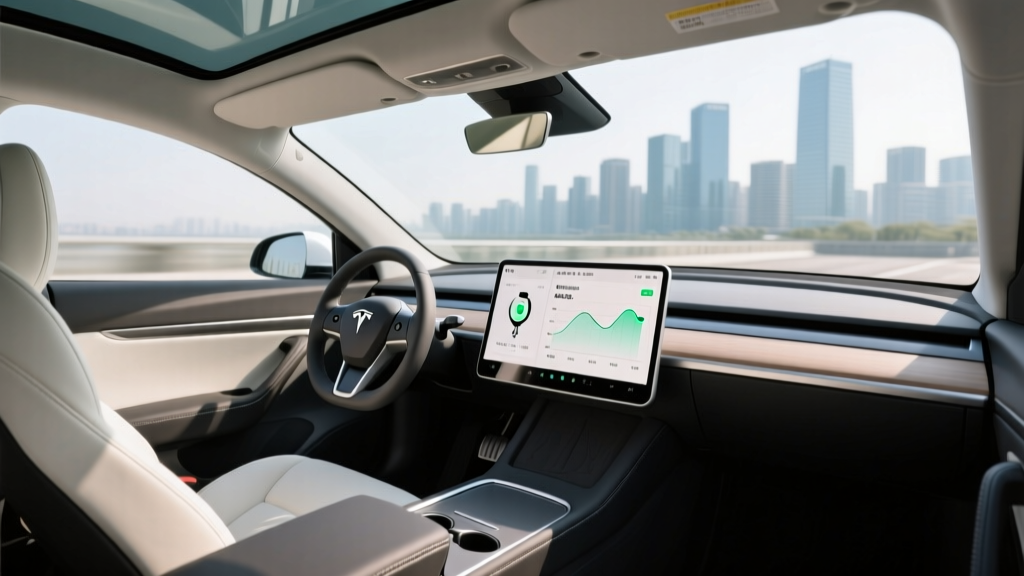
The Mach-E GT interior carries the same cabin as the broader Mach-E lineup, distinguished by Performance Edition-specific sport seats with ActiveX (synthetic leather) upholstery, aluminum pedal covers, and a unique instrument cluster theme. The 15.5-inch vertical touchscreen running SYNC 4A dominates the dashboard and handles navigation, media, climate controls, and vehicle settings. Wireless Apple CarPlay and Android Auto are standard, along with a 10.2-inch digital instrument cluster.
Cargo capacity is a practical strength. Behind the rear seats, the Mach-E offers 29.7 cubic feet — more than the Tesla Model Y's rear cargo area (though the Model Y compensates with an available third row and larger total volume with seats folded). With the 60/40 rear seats folded, cargo expands to 59.7 cubic feet. The front trunk (frunk) adds 4.7 cubic feet with a drainable compartment useful for storing charging cables or wet items.
Rear-seat legroom measures 38.9 inches, adequate for adults on longer trips, and the flat floor (no transmission tunnel) makes the middle seat usable for a fifth passenger on shorter drives. Headroom is generous at 40.4 inches front and 39.3 inches rear, though the panoramic glass roof (standard on GT) slightly reduces front headroom compared to non-glass-roof trims.
Tech, Driver Assistance, and Notable Drawbacks
Ford's Co-Pilot360 Active 2.0 comes standard on the GT, bundling adaptive cruise control with stop-and-go, lane centering, evasive steer assist, and blind-spot monitoring. The system is an SAE Level 2 driver-assist — it can manage speed and steering on well-marked highways, but the driver must keep hands on the wheel and eyes on the road at all times. This is not autonomous driving. Ford's BlueCruise hands-free system (available on select highway segments) was offered as an upgrade or subscription on the 2023 Mach-E, allowing hands-off operation on pre-mapped divided highways while still requiring driver attention via an infrared camera monitoring eye gaze.
The infotainment system is responsive, with physical volume and climate knobs retained alongside the touchscreen — a practical choice. However, some owners report that the SYNC 4A interface can be slow to boot on cold mornings, and the navigation system's EV routing (which factors in charging stops) is less sophisticated than Tesla's integrated trip planner. Over-the-air (OTA) updates continue to refine the system, but Ford's update cadence is slower than Tesla's.
Notable drawbacks: The 150 kW DC charging cap is the GT's most significant competitive weakness for road-trip-heavy buyers. The absence of a heat pump in the 2023 model year (Ford added one for 2024+) means cabin heating in cold weather draws directly from the traction battery, contributing to the winter range loss described earlier. The GT's firm ride may not suit buyers prioritizing comfort over cornering. And while build quality improved over the 2021-2022 launch years, some owners report panel gap inconsistencies and occasional rattles from the glass roof surround.
Pros, Cons, and Who Should Buy the Mach-E GT
Pros
- Sub-4-second 0-60 with composed, adaptive-damped ride
- Strong 10.5 kW Level 2 home charging (~30 mi/hr)
- Generous 29.7 cu ft cargo + usable frunk
- Physical climate knobs alongside modern touchscreen
- 8-year/100,000-mile battery warranty
- Competitive used-market pricing in 2026
Cons
- 150 kW DC fast-charge cap — slower than Ioniq 5/EV6
- No heat pump in 2023 model year (winter range suffers)
- Firm ride may not suit comfort-priority buyers
- BlueCruise requires subscription after trial period
- Real-world highway range ~230-245 mi, not 270 mi
- Used models often exceed $25K cap for §25E credit
Who the 2023 Mach-E GT Suits Best
Ideal buyer: A performance-oriented driver who wants EV acceleration and handling, commutes 30-60 miles daily, has access to home Level 2 charging, and takes occasional road trips where a 45-minute charge stop is acceptable. The GT is less suited for buyers in extreme cold climates (no heat pump), those who frequently drive 400+ mile routes (slower DC charging adds time), or families prioritizing maximum cargo space (the Model Y offers more with seats folded and an optional third row).
Warranty Coverage and Long-Term Ownership
Ford covers the Mach-E GT's high-voltage battery and electric powertrain components for 8 years or 100,000 miles (whichever comes first), with a capacity retention threshold of 70% — meaning Ford will repair or replace the battery if it degrades below 70% of original capacity within that period. The basic vehicle warranty is 3 years / 36,000 miles, and corrosion perforation coverage extends to 5 years with unlimited miles.
NMC battery chemistry in the Mach-E's extended-range pack has shown moderate degradation in real-world fleet data. Based on owner-reported data and third-party analyses, expect approximately 8-12% capacity loss over the first 100,000 miles under normal usage patterns. This is within industry norms for NMC packs but slightly higher than the degradation rates seen in LFP-equipped vehicles (which tolerate 100% daily charging better). To maximize longevity, avoid frequent DC fast-charging sessions, limit time spent at 100% state of charge, and use the FordPass app's scheduled charging feature to time charges for departure rather than sitting at full charge overnight.
Frequently Asked Questions
What is the real-world range of the 2023 Mustang Mach-E GT?
The EPA rates it at 270 miles (GT) or 260 miles (Performance Edition). Real-world highway driving at 70-75 mph yields approximately 230-245 miles. In freezing temperatures, expect 190-215 miles. City driving with regenerative braking can match or slightly exceed the EPA estimate.
How fast does the Mach-E GT charge at home and on the road?
At home on a Level 2 (240V, 48A) charger, it adds roughly 30 miles of range per hour, with a full 0-100% charge taking about 10 hours. On DC fast chargers, it peaks at 150 kW and completes a 10-80% charge in approximately 45 minutes. Sustained average during a typical session is 90-110 kW.
Does the 2023 Mach-E GT qualify for the federal EV tax credit?
When purchased new in 2023, it was eligible for up to $7,500 under §30D, subject to buyer income caps ($150K single / $300K joint), the $80K MSRP cap (both trims qualified), and battery-sourcing requirements. For used purchases in 2026, the §25E credit of up to $4,000 applies only if the sale price is $25,000 or less — which most used GT models exceed. Consult a tax professional and check your VIN on the fueleconomy.gov tax credit page for vehicle-specific eligibility.
Is the 2023 Mach-E GT worth buying vs. the Tesla Model Y Performance or Ioniq 5?
It depends on priorities. The Model Y Performance offers a more extensive Supercharger network, faster DC charging, and better software integration but at higher used-market prices and with a starker interior. The Ioniq 5 charges significantly faster (10-80% in ~18 min) thanks to its 800V architecture but has less cargo space. The Mach-E GT wins on driving dynamics, adaptive suspension quality, and physical-button ergonomics. If road-trip charging speed is paramount, the Ioniq 5 or EV6 is the stronger pick. If daily driving feel and comfort matter most, the Mach-E GT holds its own.
Does the 2023 Mach-E GT have a heat pump?
No. The 2023 model year does not include a heat pump for cabin heating. Ford introduced a heat pump for the 2024 model year. This means the 2023 GT draws heating energy directly from the traction battery, contributing to greater winter range loss compared to heat-pump-equipped competitors like the Model Y and Ioniq 5.
What is the battery warranty on the Mach-E GT?
Ford provides an 8-year / 100,000-mile warranty on the high-voltage battery and electric drive components, guaranteeing at least 70% capacity retention over that period. The standard bumper-to-bumper warranty is 3 years / 36,000 miles.