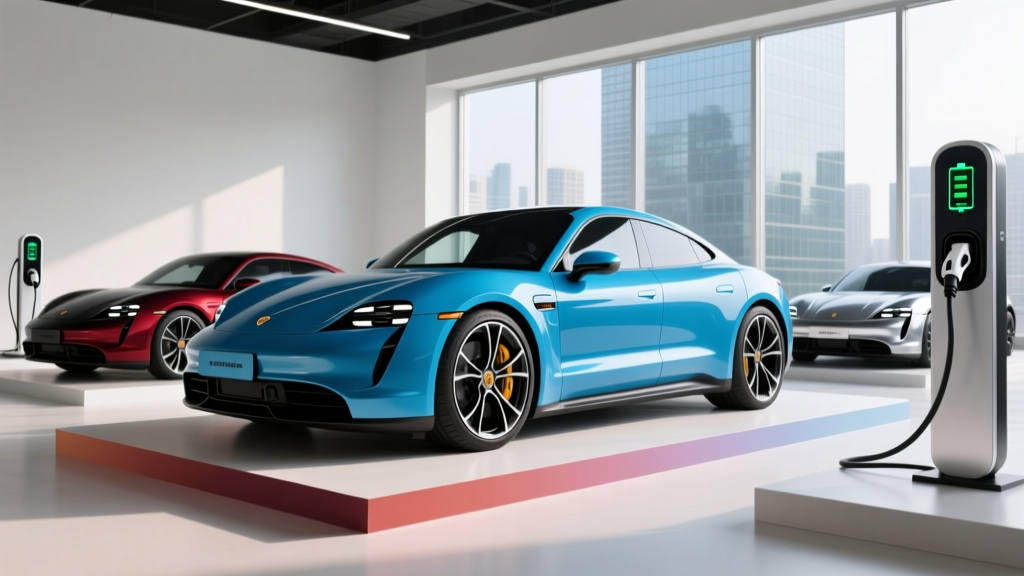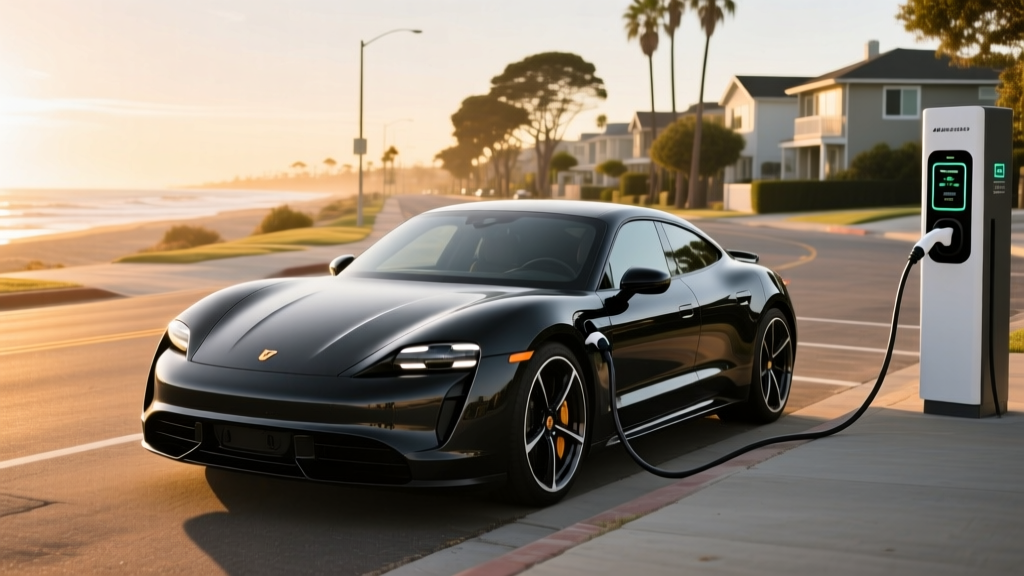
The Audi RS e-tron GT landed for the 2022 model year as the automaker's flagship electric performance sedan — a low-slung, all-wheel-drive grand tourer sharing its J1 platform with the Porsche Taycan. Now that this model has been on the road for several years and Audi has moved to updated model years, the 2022 RS e-tron GT represents an interesting proposition on both the new-remainder and pre-owned market. But how does its 83.7 kWh battery, 270 kW peak charging, and 590-horsepower dual-motor setup hold up against real-world ownership demands? This review breaks down every number that matters.
2022 Audi RS e-tron GT at a Glance
| Specification | 2022 RS e-tron GT |
|---|---|
| EPA Range | 232 miles |
| Battery (Usable / Gross) | 83.7 kWh usable / 93.4 kWh gross |
| Battery Chemistry | NMC (Nickel Manganese Cobalt) |
| Drivetrain | Dual-motor AWD (permanent magnet sync) |
| Horsepower (Boost Mode) | 637 hp (590 hp standard) |
| Torque | 612 lb-ft |
| 0–60 mph | 3.1 seconds |
| Top Speed | 155 mph |
| Max DC Fast Charge | 270 kW (800V architecture) |
| 10–80% DC Charge Time | ~22 minutes |
| Level 2 Home Charge Rate | 9.6 kW (onboard charger) |
| EPA Efficiency | 79 MPGe combined (43 kWh/100 mi) |
| Cargo Volume | 9.2 cu ft (rear trunk) + 3.2 cu ft (frunk) |
| Base MSRP (2022) | $139,900 (before destination) |
| Battery Warranty | 8 years / 100,000 miles |
| Powertrain Warranty | 4 years / 50,000 miles |
Range and Efficiency: Sticker vs. Reality
The EPA rates the 2022 RS e-tron GT at 232 miles of combined range. For a vehicle with a 93.4 kWh gross battery pack (83.7 kWh usable, with top and bottom buffers to protect the NMC cells), that figure reflects the car's emphasis on performance over efficiency. At 43 kWh per 100 miles combined, the RS e-tron GT is thirstier than efficiency-focused sedans like the Tesla Model S Long Range or Lucid Air, but competitive with its platform-mate, the Porsche Taycan Turbo.
EPA Sticker: 232 miles combined
Highway driving (70–80 mph): Expect 190–210 miles. The RS e-tron GT's aerodynamic drag and performance-tuned motors hit efficiency hard at sustained highway speeds.
City / mixed driving: 220–235 miles is achievable with moderate regen use and temperate weather.
Cold weather (below 32°F): Plan for 155–185 miles. The NMC pack loses usable capacity in freezing temps, and cabin heating draws significant energy. The car's heat pump (standard on this model) helps, but not enough to eliminate winter range loss.
For context, on a 250-mile road trip at 75 mph in 45°F weather, you will almost certainly need a mid-trip DC fast-charge stop. That's not a dealbreaker given the car's charging speed, but it's essential to plan around. According to fueleconomy.gov, the RS e-tron GT's combined MPGe of 79 places it mid-pack among luxury performance EVs.
Charging Speed: The 800-Volt Advantage
The RS e-tron GT uses an 800-volt electrical architecture — the same J1 platform engineering that gives the Taycan its charging edge. This allows peak DC fast-charging rates of 270 kW, among the fastest of any production EV from the 2022 model year.
| Charging Level | Power / Voltage | Speed | Typical Use Case |
|---|---|---|---|
| Level 1 (120V) | ~1.4 kW | ~3–4 miles per hour | Emergency / trickle top-up |
| Level 2 (240V) | 9.6 kW (onboard charger) | ~25–28 miles per hour | Home overnight charging |
| DC Fast Charge | Up to 270 kW (800V) | 10–80% in ~22 min | Road trips, highway corridors |
Charging curve reality: The 270 kW peak is not sustained across the full session. In practice, the RS e-tron GT holds above 200 kW from roughly 10% to 40% State of Charge, then tapers progressively. Expect the 10–80% session to average around 170–190 kW at a properly rated 350 kW charger (such as Electrify America's latest stations). Above 80% SoC, charging slows dramatically to protect the battery — a final 80–100% top-off can add 25+ minutes.
Preconditioning matters. The RS e-tron GT will precondition its battery when a DC fast charger is set as your navigation destination. Skipping this step in cold weather can reduce your peak charge rate by 40–60%. Always navigate to your charger — don't just pull in cold.
For home Level 2 charging, the 9.6 kW onboard charger adds roughly 25–28 miles of range per hour. An overnight session (10 hours) from a home wall box easily replenishes 250+ miles — more than the car's full EPA range. A full home charge from near-empty takes about 9–10 hours.
Performance and Driving Dynamics
The dual-motor AWD setup delivers 590 horsepower in normal driving, rising to 637 hp and 612 lb-ft of torque in Launch Control (boost mode, available for 2.5-second bursts). Audi quotes a 3.1-second 0–60 mph time, and independent testing has confirmed figures in the 3.0–3.3 second range depending on surface and temperature.
The RS e-tron GT's J1 platform provides a low center of gravity (battery pack mounted under the floor), rear-axle steering (standard), and a two-speed transmission on the rear motor for optimized launch and highway efficiency. Adaptive air suspension is standard with RS-tuned damping. The result is a car that corners flatter and rides more compliantly than its weight (5,139 lbs curb) would suggest.
Regen braking note: The RS e-tron GT offers adjustable regen via steering-wheel paddles, but it does not offer true one-pedal driving to a full stop like some competitors. You will still use the friction brakes at very low speeds. This is a deliberate engineering choice — Audi prioritized brake feel blending over aggressive regen.
Interior, Tech, and Practicality
The cabin reflects Audi's flagship positioning: standard Valcona leather, a 12.3-inch Virtual Cockit Plus digital instrument cluster, and a 10.1-inch MMI touchscreen with haptic feedback. Wireless Apple CarPlay and Android Auto are standard, along with a 16-speaker Bang & Olufsen sound system.
Driver assistance: The RS e-tron GT comes equipped with Audi's Adaptive Cruise Assist with lane guidance — a SAE Level 2 system. This means the car can manage speed, following distance, and lane centering, but the driver must remain fully engaged with hands on the wheel and eyes on the road. This is not autonomous driving; it is a driver-assist system.
Cargo and passenger space are where the grand-tourer body style extracts its toll:
- Rear trunk: 9.2 cu ft — enough for two carry-on bags or a weekend trip for two
- Front trunk (frunk): 3.2 cu ft — fits a charging cable bag or small backpack
- Rear legroom: 32.1 inches — tight for adults over 6 feet on longer trips
- Front headroom: 37.8 inches — adequate, but the low roofline limits entry/exit ease
If you regularly carry rear-seat passengers or need cargo versatility, the RS e-tron GT falls short of SUV-shaped EVs and even the Porsche Taycan's slightly more practical Sport Turismo variant.
Pricing, Trims, and Federal Tax Credit
The 2022 RS e-tron GT launched with a base MSRP of $139,900 (plus $1,095 destination), with minimal trim variation — Audi offered the RS e-tron GT as a single, well-equipped variant with option packages rather than traditional trim tiers. Key packages included the RS Design Package (interior styling), Carbon Fiber Package (exterior trim), and the Audi e-tron GT Sport Plus package (21-inch wheels, sport rear differential).
As-tested prices for a well-optioned 2022 model typically ranged from $145,000 to $158,000.
| Cost Factor | Amount |
|---|---|
| Base MSRP | $139,900 |
| Typical As-Tested | $145,000–$158,000 |
| Federal §30D Tax Credit (new, if eligible) | Up to $7,500 (see eligibility below) |
| Used EV Credit (§25E, if buying pre-owned) | Up to $4,000 (30% of sale price, capped) |
The 2022 RS e-tron GT faces several hurdles for the full $7,500 new-vehicle federal tax credit under current IRS rules:
- MSRP cap: Sedans must be under $55,000 MSRP to qualify. At $139,900, the RS e-tron GT does not meet this cap and is ineligible for the new-vehicle §30D credit.
- Buyer income cap: Even if it qualified, AGI limits apply ($150K single / $300K joint).
- Battery sourcing requirements: Critical minerals and battery component sourcing rules phase in annually.
Used EV credit (§25E): If purchasing a pre-owned 2022 RS e-tron GT from a dealer for $25,000 or more below the original MSRP (effectively under $25,000 — unlikely for this model), the used credit could apply. In practice, used RS e-tron GT prices remain well above this threshold, making federal credit eligibility unlikely for most buyers. Consult a tax professional and review current rules at IRS.gov.
Pros and Cons
- 270 kW peak DC charging — among the fastest in its class
- Sub-3.2-second 0–60 with composed, planted handling
- 800V architecture future-proofs for high-speed charging networks
- Premium interior with excellent build quality and sound isolation
- Standard rear-axle steering improves low-speed maneuverability
- 8-year/100,000-mile battery warranty
- 232-mile EPA range is modest for the price point
- Cargo space (9.2 + 3.2 cu ft) is severely limited
- Rear seat is tight for adult passengers
- No federal tax credit eligibility at MSRP
- No true one-pedal driving mode
- Highway range drops significantly (190–210 mi real-world)
- Infotainment touch-screen interface can be distracting while driving
How It Compares: RS e-tron GT vs. Key Rivals
The 2022 RS e-tron GT competes in a narrow band of luxury electric performance sedans. Here's how the numbers stack up against its closest rivals from the same model year:
| Spec | 2022 Audi RS e-tron GT | 2022 Porsche Taycan Turbo | 2022 Tesla Model S Plaid |
|---|---|---|---|
| EPA Range | 232 mi | 212 mi | 396 mi |
| Battery (usable) | 83.7 kWh | 83.7 kWh | ~95 kWh |
| Peak DC Charge | 270 kW | 270 kW | 250 kW |
| 0–60 mph | 3.1 sec | 3.0 sec | 1.99 sec |
| HP (peak) | 637 | 670 | 1,020 |
| Base MSRP | $139,900 | $152,250 | $129,990 |
| Cargo (total) | 12.4 cu ft | 14.3 cu ft | 28.0 cu ft |
The Model S Plaid wins on range, performance, and cargo by wide margins, but the RS e-tron GT and Taycan share the 800V charging architecture that still outpaces Tesla's 250 kW Supercharger peak. Build quality, interior materials, and ride refinement favor the Audi and Porsche over the Tesla. If you prioritize charging speed and grand-touring composure over maximum range and acceleration, the RS e-tron GT makes a compelling case — especially at pre-owned pricing.
Who Should Buy the 2022 RS e-tron GT?
This EV is best suited for:
- Performance-oriented commuters with home Level 2 charging who want daily-drivable supercar acceleration and premium build quality
- Two-person households who rarely need rear-seat or cargo space
- Buyers who value charging speed — the 800V / 270 kW capability makes road-trip stops shorter than most competitors
- Pre-owned shoppers who can acquire one at significant depreciation from the $140K+ MSRP and bypass the tax-credit issue entirely
It is not ideal for families needing cargo versatility, drivers in areas with sparse DC fast-charging infrastructure, or buyers who prioritize maximum range above all else.
Frequently Asked Questions
What is the real-world range of the 2022 RS e-tron GT?
The EPA rates it at 232 miles combined. In real-world driving, expect 190–210 miles on the highway at 70–80 mph, 220–235 miles in mixed city driving, and as low as 155–185 miles in freezing temperatures. Your results will vary based on driving style, terrain, and climate control use.
How fast does the RS e-tron GT charge?
On a 350 kW DC fast charger, it peaks at 270 kW and charges from 10–80% in approximately 22 minutes. At home on a Level 2 (240V, 9.6 kW) charger, expect about 25–28 miles of range per hour, or a full overnight charge in 9–10 hours.
Does the 2022 RS e-tron GT qualify for the federal EV tax credit?
No — not as a new vehicle. The IRS §30D credit caps sedan MSRP at $55,000, and the RS e-tron GT's $139,900 starting price disqualifies it. The used EV credit (§25E) is also unlikely to apply because used prices remain well above the credit's sale-price requirements. Always verify current rules at IRS.gov and consult a tax professional.
Is the RS e-tron GT worth buying over the Tesla Model S or Porsche Taycan?
If you value build quality, interior refinement, and class-leading DC charging speed, the RS e-tron GT holds its own — especially on the pre-owned market where depreciation has softened its premium. The Model S wins on range (396 mi EPA) and cargo space; the Taycan Turbo is its closest twin with a slightly higher MSRP and marginally more power. Choose the Audi if its design language and cabin quality resonate with you and the 232-mile range fits your daily needs.
What is the battery warranty?
Audi provides an 8-year / 100,000-mile warranty on the high-voltage battery pack, covering defects and capacity degradation below a specified threshold (typically 70% State of Health). The general powertrain warranty covers 4 years / 50,000 miles. Battery replacement out of warranty on J1-platform vehicles has been reported in the $20,000–$30,000 range, though this varies by failure type and labor costs.
Does it have one-pedal driving?
Not in the traditional sense. The RS e-tron GT offers adjustable regenerative braking via steering-wheel paddles (three levels), and it will decelerate significantly, but the car does not come to a complete stop using regen alone. You will need to use the brake pedal at very low speeds and stops.
Sources: EPA fueleconomy.gov, IRS Clean Vehicle Credits, Audi USA official specifications.