Quick Verdict: The 2022 Mercedes EQS at a Glance
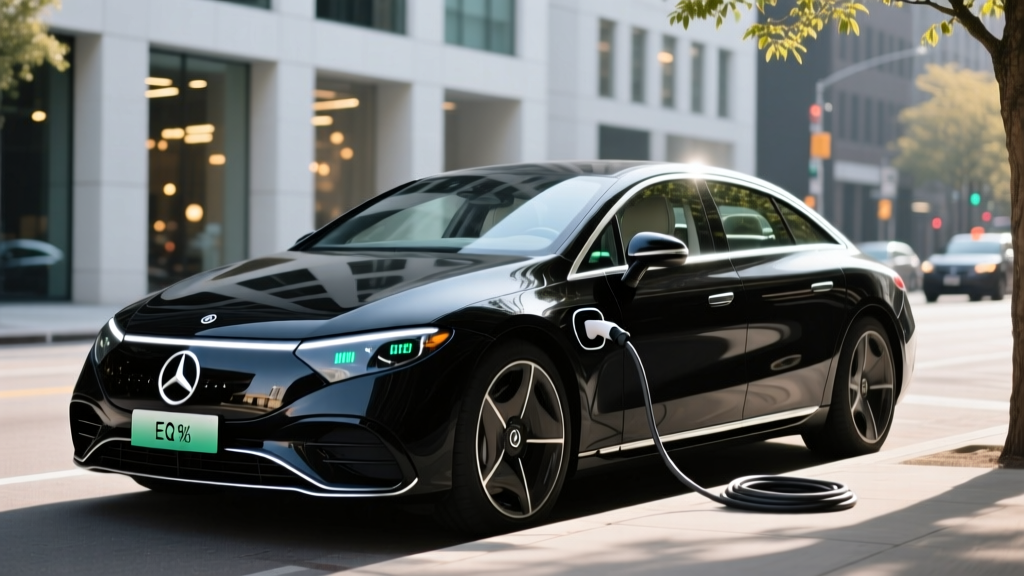
The 2022 Mercedes EQS arrived as the brand's flagship electric sedan, built on a dedicated EVA platform with a slippery 0.20 drag coefficient and a cabin dominated by the 56-inch Hyperscreen. With EPA-estimated range reaching 350 miles on the EQS 450+, it set a benchmark for luxury EV efficiency. But real-world ownership reveals nuances — from charging-curve taper above 80% to cold-weather range loss — that every prospective buyer or current owner needs to understand before committing to six-figure electrified luxury.
This review covers every spec that matters: battery chemistry, DC fast-charge behavior, Level 2 home charging economics, IRS §30D tax credit eligibility under current rules, and how the EQS stacks up against the Tesla Model S, BMW i7, and Lucid Air in 2026's luxury EV landscape.
| Spec | EQS 450+ Sedan | EQS 580 4MATIC |
|---|---|---|
| EPA Range | 350 mi | 340 mi |
| Battery (usable) | 107.8 kWh, NMC | 107.8 kWh, NMC |
| Drivetrain | RWD, single motor | AWD, dual motor |
| Horsepower | 329 hp / 406 lb-ft | 516 hp / 631 lb-ft |
| 0–60 mph | 5.5 sec | 4.1 sec |
| Max DC Fast Charge | 200 kW | 200 kW |
| 10–80% DC Time | ~31 min | ~31 min |
| Level 2 Charge Rate | 9.6 kW (~27 mi/hr) | 9.6 kW (~27 mi/hr) |
| MPGe (combined) | 97 MPGe | 92 MPGe |
| Efficiency | 35 kWh/100 mi | 37 kWh/100 mi |
| Base MSRP (2022) | $102,310 | $119,110 |
| Battery Warranty | 10 yr / 155,000 mi | 10 yr / 155,000 mi |
Range and Efficiency: EPA Sticker vs. Real-World Driving
The EQS 450+ carries an EPA-estimated 350 miles of range, while the dual-motor 580 4MATIC drops to 340 miles. These figures come from a 107.8 kWh usable NMC (nickel-manganese-cobalt) lithium-ion battery pack — one of the largest in any production sedan. Mercedes opted for NMC chemistry over LFP (lithium iron phosphate) to maximize energy density, giving the EQS its impressive range without a prohibitively heavy pack.
EPA Range: 350 mi (450+) / 340 mi (580)
Real-World Expectation: In mixed driving at moderate temperatures (60–75°F), expect 310–330 miles from the 450+. Sustained highway driving at 75+ mph reduces this to roughly 270–290 miles due to the efficiency penalty of higher speeds. In freezing conditions (below 32°F), range can drop 20–30%, putting realistic winter range at 240–280 miles even with the EQS's heat pump and battery preconditioning.
The EQS's 97 MPGe combined rating (450+) translates to 35 kWh per 100 miles, according to fueleconomy.gov. That efficiency is remarkable for a 5,600-pound sedan and a direct result of the 0.20 Cd aerodynamic profile. For context, the Tesla Model S Long Range achieves 120 MPGe combined, while the BMW i7 xDrive60 sits at 82 MPGe.
One factor buyers often overlook: the EQS uses a generous top and bottom battery buffer (roughly 10 kWh combined) to protect long-term cell health. This means the 107.8 kWh "usable" figure is already net of buffer — you'll never see 118 kWh on a charger display, and that's by design.
Charging Performance: DC Fast, Level 2, and the Curve Reality
The 2022 EQS supports up to 200 kW DC fast charging via CCS1 connector (NACS adapter availability varies by model year and retrofit). At peak rate, Mercedes claims a 10–80% charge in approximately 31 minutes. But as with all large-battery EVs, the charge curve tells the real story.
| Charging Level | Power | Miles Added per Hour | Full Charge Time (10–100%) |
|---|---|---|---|
| Level 1 (120V outlet) | 1.4 kW | ~4 mi/hr | ~72 hours |
| Level 2 (240V, 40A) | 9.6 kW | ~27 mi/hr | ~11.5 hours |
| DC Fast (peak) | 200 kW | ~180 mi/hr (peak) | 10–80% in ~31 min |
| DC Fast (average 10–80%) | ~135 kW avg | ~120 mi/hr avg | ~31 min (sustained avg) |
The 200 kW peak is achievable only between roughly 10–40% state of charge (SoC) under optimal battery temperatures. Above 60% SoC, the rate tapers significantly — expect 80–100 kW in the 60–80% window, and below 30 kW once you push past 90%. This taper is normal NMC behavior managed by the battery management system (BMS) to limit lithium plating and heat stress.
For road trips, the practical takeaway: plan 25–30 minute stops at 150+ kW chargers (Electrify America, EVgo, or Tesla Supercharger with CCS adapter) and charge to 80%. Charging beyond 80% at a DC fast charger yields diminishing returns — that last 20% can take as long as the first 70%.
Home Level 2 charging at 9.6 kW adds roughly 27 miles of range per hour. A full overnight charge (10 hours on a 40A/240V circuit) replenishes approximately 270 miles — enough for most daily driving. Installation of a hardwired Level 2 station like the ChargePoint Home Flex or Emporia VUE typically runs $800–$2,500 including electrician labor, assuming your panel has capacity. A 200A panel upgrade, if needed, adds $1,500–$3,500.
Performance and Driving Dynamics
The EQS 450+ delivers 329 horsepower and 406 lb-ft of torque through a rear-mounted permanent-magnet synchronous motor. The 0–60 mph sprint takes 5.5 seconds — brisk for a luxury cruiser but not in sports-sedan territory. The 580 4MATIC's dual-motor AWD setup bumps output to 516 hp and 631 lb-ft, dropping the 0–60 time to 4.1 seconds.
Neither variant feels slow. The RWD 450+ offers confident highway passing and smooth torque delivery, while the 580 4MATIC adds all-weather traction and more assertive acceleration. The standard AIRMATIC air suspension with adaptive damping absorbs road imperfections exceptionally well, and the optional rear-axle steering (up to 10°) shrinks the turning circle to a remarkable 35.8 feet — comparable to a compact hatchback despite the EQS's 207-inch length.
Regenerative braking offers three levels selectable via steering-wheel paddles (D+, D, D−) plus an intelligent D-Auto mode that uses radar and navigation data to adjust regen dynamically. The EQS does not offer true one-pedal driving to a full stop in all modes, which disappoints some EV veterans accustomed to Tesla or Chevrolet Bolt behavior.
Interior, Tech, and Cargo: The Hyperscreen Experience
The cabin is where the EQS justifies its price. The optional MBUX Hyperscreen spans 56 inches across the dashboard, merging a 12.3-inch instrument cluster, 17.7-inch central OLED touchscreen, and 12.3-inch passenger display behind a single glass panel. The OLED screens deliver vivid color and deep blacks, though the sheer surface area attracts fingerprints and can produce glare in direct sunlight.
The MBUX infotainment system supports wireless Apple CarPlay and Android Auto, over-the-air updates, and a "Hey Mercedes" voice assistant that handles climate, navigation, and ambient lighting commands with above-average accuracy. Navigation includes EV-aware route planning with charging-stop integration and battery preconditioning for DC fast chargers — a feature that warms the battery en route to optimize charge speed.
Cargo and passenger space:
- Trunk: 22.0 cu ft (sedan liftback design provides wide opening)
- Rear legroom: 42.0 inches — limousine-class space
- Front headroom: 40.4 inches (adequate despite the low roofline)
- No front trunk (frunk) — the EVA platform's under-hood space is occupied by HVAC and electronics
The lack of a frunk is a missed opportunity in a vehicle this large. Competitors like the Lucid Air and Tesla Model S offer front cargo space. The EQS compensates with a generous rear trunk and 60/40 split-folding rear seats, though the trunk pass-through is narrower than expected.
Pricing, Trims, and Federal Tax Credit Eligibility
The 2022 Mercedes EQS launched with two primary trims, and pricing has shifted on the used and certified pre-owned (CPO) market as of 2026:
| Trim | Original MSRP (2022) | Typical CPO/Used Price (2026) | Federal Credit Eligibility |
|---|---|---|---|
| EQS 450+ Sedan | $102,310 | $55,000–$68,000 | See §30D rules below |
| EQS 580 4MATIC | $119,110 | $62,000–$78,000 | |
| EQS 450+ SUV | $104,400 | $60,000–$72,000 |
Federal EV tax credit (IRS §30D) — key caveats:
As a new vehicle in 2022, the EQS did not qualify for the full $7,500 federal tax credit due to the MSRP cap on sedans ($55,000 under the Inflation Reduction Act, which took effect January 2023 but reshaped the market retroactively). The EQS's base price of $102,310 far exceeds this threshold. This remains true for any remaining new old-stock inventory.
For used EQS purchases in 2026, the §25E used-EV credit offers up to $4,000 (30% of sale price, capped at $4,000) if the sale price is $25,000 or less from a licensed dealer. Given current CPO pricing ($55K–$78K), most used EQS units do not meet the $25,000 price cap. As always, consult a tax professional and reference the IRS clean vehicle credit page for current eligibility rules, income caps, and battery-sourcing requirements.
Warranty and Long-Term Battery Health
Mercedes provides a battery warranty of 10 years or 155,000 miles (whichever comes first), guaranteeing the pack will retain at least 70% of its original capacity. This is competitive with the industry standard of 8 years/100,000 miles and exceeds many rivals. The basic vehicle warranty covers 4 years/50,000 miles, and roadside assistance runs 4 years/50,000 miles.
NMC batteries in the EQS are expected to degrade roughly 10–15% over the first 100,000 miles under normal use patterns. Owners who frequently DC fast-charge to 100% or regularly let the battery sit at extreme SoC levels (below 10% or above 95%) for extended periods may see accelerated degradation. Mercedes recommends setting a daily charge limit of 80% and charging to 100% only before long trips — sound advice for maximizing NMC cell longevity.
Should the battery require out-of-warranty replacement, current estimates for a 107.8 kWh NMC pack range from $20,000 to $35,000 including labor, though prices are expected to decline as battery manufacturing scales and recycling infrastructure matures.
Driver Assistance and Safety Technology
The EQS comes equipped with Mercedes' latest Driver Assistance Package, including:
- Active Distance Assist DISTRONIC (adaptive cruise with stop-and-go)
- Active Steering Assist (lane centering)
- Active Lane Change Assist
- Active Emergency Stop Assist
- 360° surround-view camera with augmented-reality navigation overlay
SAE Automation Level: The EQS's driver-assistance suite is Level 2 — the driver must remain engaged, keep hands on the wheel (or demonstrate attentiveness via the capacitive steering wheel), and monitor the road at all times. In Germany, Mercedes has received approval for Level 3 "DRIVE PILOT" under specific conditions (congested highways, below 40 mph, clear weather), but this feature is not available in the United States as of 2026.
The IIHS awarded the 2022 EQS a Top Safety Pick+ rating with Good scores across all crashworthiness categories. NHTSA awarded the EQS a 5-star overall safety rating.
EQS vs. the Competition: Is It Worth Buying?
Pros
- Class-leading 350-mi EPA range (450+)
- Exceptionally quiet, refined ride quality
- Generous 10-yr/155,000-mi battery warranty
- Outstanding 97 MPGe efficiency for a full-size luxury sedan
- Rear-axle steering makes it surprisingly maneuverable
- MBUX Hyperscreen is visually stunning when it works
Cons
- No frunk — lost cargo utility
- 200 kW peak DC charging trails Lucid Air (300+ kW) and Porsche Taycan (270 kW)
- Hyperscreen can be distracting and glitch-prone
- Rear visibility is compromised by the sloping roofline
- Heavy depreciation — 40–50% value loss in first 3 years
- No federal tax credit eligibility at new or typical used prices
Choose the EQS if: You prioritize ride comfort, cabin silence, and real-world range over sporty handling. The 450+ is ideal for executives and commuters who cover 200+ miles daily and want a sedan that feels like an S-Class without tailpipe emissions.
Consider alternatives if: You want the fastest-charging luxury EV (Lucid Air Grand Touring peaks at 300+ kW), sportier dynamics (Porsche Taycan, Tesla Model S Plaid), or need a frunk and more practical cargo layout.
Who the 2022 Mercedes EQS Suits Best
The EQS is built for a specific buyer: someone who values serenity over sportiness, has reliable home Level 2 charging access, and drives a mix of highway commuting and occasional road trips. It excels as a daily driver in temperate climates where its 350-mile range provides genuine multi-day usability between charges.
It's less suited to buyers in extreme cold-weather regions (where 20–30% range loss compounds the already-high price), those who frequently tow (the EQS is not rated for towing), or anyone seeking one-pedal driving as a primary mode. For families needing three rows or SUV cargo flexibility, the EQS SUV variant or a Rivian R1S would be more practical.
On the used market in 2026, the EQS represents a compelling value proposition — you're getting a $100K+ flagship sedan for $55K–$70K with most of its battery warranty still intact. Just verify the vehicle's battery state of health (SoH) via the MBUX system before purchasing, and budget for premium insurance rates typical of six-figure luxury EVs.
Frequently Asked Questions
What is the real-world range of the 2022 Mercedes EQS?
In mixed driving at moderate temperatures, expect 310–330 miles from the 450+ and 300–320 miles from the 580 4MATIC. Sustained highway speeds above 75 mph reduce range to 270–290 miles. In freezing weather, plan for 240–280 miles depending on cabin heating use and whether you precondition the battery.
How fast does the EQS charge at home and on DC fast chargers?
On a Level 2 home charger at 9.6 kW, the EQS adds about 27 miles of range per hour, fully recharging overnight in roughly 11.5 hours. On a DC fast charger, it peaks at 200 kW and charges from 10–80% in approximately 31 minutes, though the average rate across that session is closer to 135 kW due to tapering above 60% SoC.
Does the 2022 EQS qualify for any federal EV tax credit?
As a new vehicle, the EQS does not qualify for the §30D new-vehicle credit due to the $55,000 MSRP cap on sedans. On the used market, the §25E credit requires a sale price of $25,000 or less from a dealer — most used EQS units exceed this. Always consult the IRS and a tax professional for your specific situation.
Is the EQS worth buying over a Tesla Model S or Lucid Air?
The EQS wins on ride comfort, cabin quietness, and battery warranty length. The Model S wins on charging infrastructure (Supercharger network), performance (Plaid variant), and software maturity. The Lucid Air Grand Touring offers more range (516 mi EPA) and faster DC charging (300+ kW) but at a higher price point and with a smaller service network.
What battery chemistry does the EQS use, and how long will it last?
The EQS uses NMC (nickel-manganese-cobalt) chemistry optimized for energy density. Expect 10–15% degradation over 100,000 miles with normal use. The battery is warranted for 10 years/155,000 miles at 70% capacity retention. Out-of-warranty replacement is estimated at $20,000–$35,000.
Does the EQS have a frunk (front trunk)?
No. The EQS does not have a front trunk. The under-hood space is occupied by HVAC components and power electronics. All cargo must go in the 22.0 cu ft rear trunk.