Quick Verdict: The 2022 Hummer EV Pickup in Today's Market
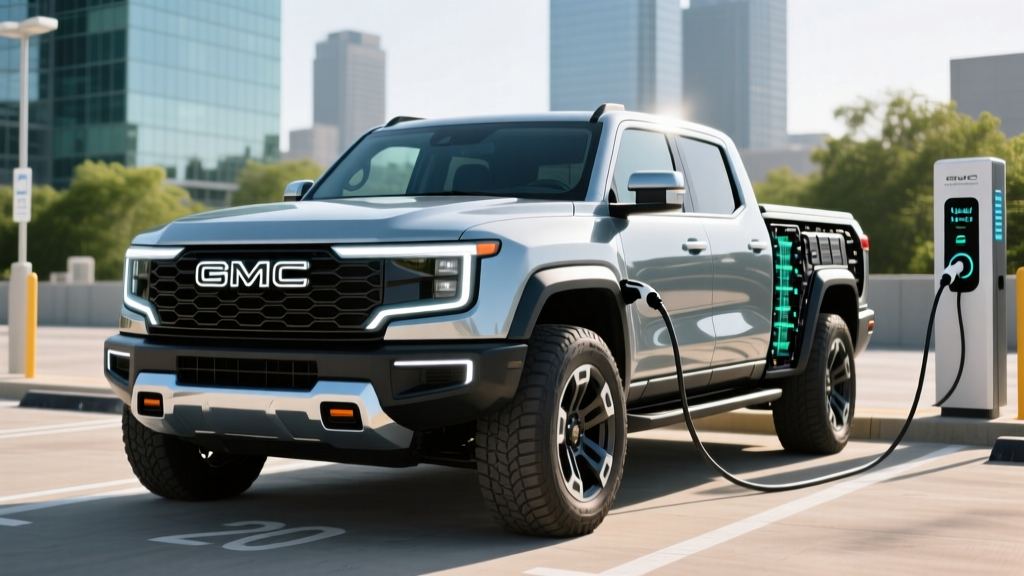
The 2022 GMC Hummer EV Pickup launched as a halo product for GM's Ultium platform — a 9,000-pound electric supertruck with 1,000 horsepower (in Edition 1 trim), available four-wheel steering, and a removable Infinity Roof. For 2022, only the Edition 1 and early 2X trims were delivered, with base MSRPs starting at $110,295. By 2026, these trucks have depreciated into the $65,000–$85,000 used market, raising a practical question: does the 2022 GMC Hummer EV pickup offer genuine value for buyers willing to live with its massive footprint and efficiency trade-offs?
The short answer: it depends on your use case. If you need a capable electric tow rig with head-turning presence and don't mind 47 MPGe combined, the 2022 Hummer EV is a compelling used buy. If you're optimizing for cost-per-mile or garage-ability, lighter trucks like the Ford F-150 Lightning or Rivian R1T deliver better daily efficiency.
Range, Efficiency, and the Real-World Reality
Real-World Expectation: ~260–290 miles highway at 70 mph; ~220–250 miles in freezing temperatures with cabin heat; ~300+ miles in mild city/suburban driving with regen.
The 2022 Hummer EV Pickup carries a massive 212.7 kWh gross battery pack (approximately 205 kWh usable) using GM's Ultium NMC (nickel manganese cobalt) pouch cells. This is one of the largest battery packs ever fitted to a production passenger vehicle. The EPA rates the Edition 1 at 329 miles, but that figure comes with significant caveats.
At highway speeds, the Hummer EV's brick-like aerodynamics (a frontal area exceeding 40 square feet) and 9,000-pound curb weight punish efficiency. Expect 2.0–2.3 kWh per mile on the interstate, translating to roughly 260–290 real-world highway miles before you need a charger. In cold weather (below 32°F), battery preconditioning helps, but the sheer thermal mass of a 212 kWh pack means more energy goes toward self-heating — plan for 220–250 miles in winter conditions.
The EPA efficiency rating sits at 47 MPGe combined, or approximately 72 kWh per 100 miles. For context, the Ford F-150 Lightning Extended Range achieves 70 MPGe combined on a 131 kWh pack, and the Rivian R1T Dual-Motor Large achieves 73 MPGe on 128.9 kWh. The Hummer EV's energy consumption per mile is roughly 50% higher than its closest competitors — a direct consequence of its weight and aerodynamics.
| Specification | Edition 1 / 2X (24-module) |
|---|---|
| EPA Range | 329 miles |
| Battery (gross / usable) | 212.7 kWh / ~205 kWh |
| Chemistry | NMC (Ultium pouch cells) |
| Drivetrain | AWD (dual-motor front + single rear) |
| Horsepower | 830 hp (Edition 1 w/ Watts to Freedom); 625 hp (2X standard) |
| Torque | 1,200 lb-ft (Edition 1); 7,400 lb-ft wheel torque (WTF mode) |
| 0-60 mph | ~3.0 sec (Edition 1 WTF mode); ~3.5 sec (2X) |
| Max DC Fast Charge | 350 kW (peak) |
| 10-80% DC Charge Time | ~35 minutes (with preconditioning) |
| Level 2 Home Charge Rate | 11.5 kW (~16 miles/hr) |
| MPGe (combined) | 47 MPGe |
| Towing Capacity | 7,500 lbs (standard); up to 10,000 lbs (max tow pkg on later trims) |
| Bed Length | 5 ft (with MultiPro tailgate) |
| Curb Weight | ~9,046 lbs |
Charging Speed: 350 kW Peak, But Mind the Curve
The Hummer EV's 800-volt-capable Ultium architecture supports up to 350 kW peak DC fast charging on compatible stations (such as Electrify America's 350 kW dispensers or Tesla Supercharger V4 stalls with a CCS adapter). However, peak rate and sustained rate are very different things.
| Charge Level | Power (kW) | Speed (mi/hr added) | Notes |
|---|---|---|---|
| Level 1 (120V household) | ~1.4 kW | ~2 mi/hr | Emergency trickle only; ~100+ hours for full charge |
| Level 2 (240V, 48A) | 11.5 kW | ~16 mi/hr | ~13 hours for 10-100%; overnight charge |
| Level 2 (240V, 80A) | 19.2 kW | ~27 mi/hr | Requires optional 80A charger + 100A circuit |
| DC Fast (350 kW peak) | Up to 350 kW | ~200+ mi/hr (peak) | 10-80% in ~35 min; tapers significantly above 80% |
Here's the charging-curve reality: the Hummer EV's enormous 205 kWh usable pack means that even at 350 kW peak, you're only charging at roughly 1.7C. The pack can accept high power for longer than smaller batteries, but GM's thermal management strategy prioritizes cell longevity. Expect to sustain 250–300 kW between 10–50% SoC, tapering to 150 kW by 70%, and dropping below 50 kW past 85%. The 10-80% time of approximately 35 minutes is respectable for a pack this size, but you'll spend more time at a charger per road trip than an F-150 Lightning driver — simply because the Hummer consumes more energy per mile.
For home charging, a 48-amp Level 2 wall connector on a 60-amp circuit delivers 11.5 kW, adding about 16 miles of range per hour. A full overnight session (10-12 hours) replenishes the pack. If your electrical panel supports a 100-amp circuit, GM offers an 80-amp capable onboard charger option that pushes Level 2 to 19.2 kW — cutting home charge time to roughly 8 hours. Most buyers will need a panel upgrade to support this; budget $1,500–$3,500 for the electrician work depending on your home's existing service.
Performance and Capability: Watts to Freedom and Beyond
The 2022 Hummer EV Edition 1 features a tri-motor layout: one motor on the front axle and two on the rear, producing a combined 830 horsepower and 1,200 lb-ft of motor torque. Engaging Watts to Freedom (WTF) mode — which lowers the air suspension, stiffens dampers, and unleashes maximum torque — delivers a 0-60 mph time of approximately 3.0 seconds. That's supercar territory from a vehicle that weighs as much as two Honda Civics.
The 2X trim (which began limited deliveries in late 2022) uses a dual-motor setup producing 625 horsepower, with 0-60 in roughly 3.5 seconds. Still extraordinarily quick.
Beyond straight-line speed, the Hummer EV's standout capability features include:
- CrabWalk: Four-wheel steering (rear wheels turn up to 10 degrees in the same direction as the fronts) allows the truck to move diagonally — useful on tight trails and a guaranteed conversation starter.
- Adaptive Air Ride Suspension: Up to 5.8 inches of vertical travel, with an Extract Mode that raises the body an additional 6 inches for extreme obstacle clearance (15.9 inches total ground clearance).
- Torque Vectoring: The tri-motor Edition 1 can send precise torque to individual rear wheels, enabling virtual locker-differential behavior off-road.
- Towing: 7,500 lbs standard for the 2022 Edition 1. Note that towing at max capacity will cut range roughly in half — expect 150–170 miles when towing 7,000+ lbs at highway speed.
Interior, Tech, and the Infinity Roof Experience
The Hummer EV's cabin is dominated by a 13.4-inch infotainment touchscreen running GM's latest Ultifi-based software, paired with a 12.3-inch digital instrument cluster. The system supports wireless Apple CarPlay and Android Auto, over-the-air updates, and an integrated navigation system with EV route planning (including charger stops and preconditioning).
The Infinity Roof is a genuinely unique feature: four removable transparent panels stow in the front trunk (frunk), transforming the cabin into an open-air experience. The frunk itself offers 11.7 cubic feet of lockable storage — enough for charging cables, a cooler, or the roof panels.
Interior space is generous but not class-leading relative to the truck's exterior dimensions:
- Front legroom: 45.6 inches
- Rear legroom: 38.9 inches
- Bed volume: ~37 cu ft (5-foot bed with MultiPro tailgate)
- Frunk: 11.7 cu ft
The 5-foot bed is notably short for a full-size pickup. If you regularly haul lumber, motorcycles, or large cargo, the Hummer EV's bed is a limitation. The MultiPro tailgate (six positions, including a step and load-stop) partially compensates.
Driver-assistance technology includes GM's Super Cruise on compatible mapped highways — a Level 2 hands-off system that requires the driver to remain attentive (monitored via a steering-column camera). Super Cruise coverage has expanded significantly since 2022, now including over 750,000 miles of compatible roads in the US and Canada. It is not autonomous driving; you must remain ready to take over at any time.
Pricing, Depreciation, and Tax Credit Eligibility
The 2022 Hummer EV was offered exclusively in high-trim configurations:
| Trim | Original MSRP | Est. Used Price (2026) | Federal §30D Credit (New) |
|---|---|---|---|
| Edition 1 (tri-motor) | $110,295 | $72,000–$88,000 | Not eligible (MSRP exceeds $80K truck cap) |
| 2X (dual-motor) | $99,995–$105,000 | $65,000–$78,000 | Not eligible (MSRP exceeds $80K truck cap) |
Depreciation has been significant. Edition 1 examples that were marked up to $140,000+ at launch have settled to $72,000–$88,000 depending on mileage and condition, according to used-market aggregators. The 2X dual-motor sits in the $65,000–$78,000 range. This depreciation curve is typical for six-figure EVs and represents a substantial opportunity for second owners who absorb the initial hit.
Warranty and Long-Term Battery Outlook
GM backs the 2022 Hummer EV with:
- Battery warranty: 8 years / 100,000 miles (whichever comes first), covering defects and capacity loss below 70% of original capacity
- Powertrain warranty: 5 years / 60,000 miles
- Bumper-to-bumper: 3 years / 36,000 miles
- Rust-through: 6 years / 100,000 miles
For a 2022 model in 2026, approximately 4 years of battery warranty remain. The Ultium NMC chemistry has shown competitive degradation curves in GM's testing, with projected 70%+ capacity retention at 150,000 miles under normal use. However, real-world long-term data for the Hummer EV specifically is still limited given the vehicle's low production volume. NMC chemistry generally degrades faster than LFP if routinely charged to 100% — daily charging to 80% and avoiding prolonged high-SoC storage will extend pack life.
2022 Hummer EV vs. Key Competitors
How does the 2022 Hummer EV stack up against the electric trucks it competes with on the used market?
| Metric | 2022 Hummer EV Edition 1 | 2022 Ford F-150 Lightning Ext. Range | 2022 Rivian R1T Dual-Motor Large |
|---|---|---|---|
| Used Price Range | $72K–$88K | $42K–$55K | $55K–$70K |
| EPA Range | 329 mi | 320 mi | 352 mi |
| Battery (usable) | ~205 kWh | 131 kWh | 128.9 kWh |
| Efficiency | 47 MPGe | 70 MPGe | 73 MPGe |
| Max DC Charge | 350 kW | 150 kW | 200 kW |
| 0-60 mph | ~3.0 sec | ~3.8 sec | ~3.5 sec |
| Towing | 7,500 lbs | 10,000 lbs | 11,000 lbs |
| Bed Length | 5 ft | 5.5 ft | 4.5 ft (+ Gear Tunnel) |
The F-150 Lightning wins on practicality, efficiency, towing, and used pricing. The Rivian R1T wins on range efficiency, adventure capability, and build quality. The Hummer EV wins on raw presence, CrabWalk, the Infinity Roof, and sheer battery capacity — but costs significantly more per mile to operate.
Pros
- 329-mile EPA range from a massive 205 kWh pack
- 350 kW peak DC fast charging — fastest in the electric truck segment
- CrabWalk four-wheel steering is uniquely capable off-road
- Watts to Freedom: 0-60 in ~3 seconds from a 9,000-lb truck
- Infinity Roof open-air experience is genuinely fun
- Super Cruise hands-off highway driving on 750K+ miles of roads
- Significant depreciation = better value for second owners
Cons
- 47 MPGe combined — 50% less efficient than F-150 Lightning or R1T
- No federal tax credit eligibility (new or used, at current pricing)
- 9,000-lb curb weight stresses tires, brakes, and garage floors
- 5-foot bed is short for a full-size truck
- Wide body (86.7 inches w/o mirrors) won't fit all garages
- Towing at max capacity cuts range to ~150–170 miles
- Limited service-center familiarity with Ultium tri-motor systems
Who Should Buy the 2022 Hummer EV Pickup?
Buy the Hummer EV if: You want a statement vehicle with genuine off-road capability, you have access to reliable Level 2 home charging (ideally 80A), you prioritize open-air driving and tech features over efficiency, and your budget accommodates higher per-mile energy costs (~$0.14–$0.22/mile depending on local electricity rates).
Look elsewhere if: You need a work truck with a long bed and high tow rating (F-150 Lightning), you want maximum range efficiency for road trips (Rivian R1T), you're optimizing for lowest total cost of ownership, or you need federal tax credit eligibility to make the numbers work.
Frequently Asked Questions
What is the real-world range of the 2022 GMC Hummer EV Pickup?
The EPA rates the 2022 Hummer EV Edition 1 at 329 miles. In real-world highway driving at 70 mph, expect 260–290 miles. In freezing winter conditions, plan for 220–250 miles. City driving with regenerative braking can push past 300 miles in mild weather.
How fast does the 2022 Hummer EV charge?
On a 350 kW DC fast charger with battery preconditioning, the 10-80% charge takes approximately 35 minutes. At home on a standard 48A Level 2 charger (11.5 kW), expect about 16 miles of range per hour, or roughly 13 hours for a full charge. An optional 80A home charger cuts this to ~8 hours but requires a 100-amp electrical circuit.
Does the 2022 Hummer EV qualify for the federal EV tax credit?
No. The IRS §30D Clean Vehicle Credit caps pickup truck MSRPs at $80,000, and all 2022 Hummer EV trims exceeded $99,000. The used EV credit (up to $4,000) requires a sale price under $25,000, which is not achievable for this model in 2026. Always verify current rules at IRS.gov and consult a tax professional.
Is the 2022 Hummer EV worth buying vs. the F-150 Lightning or Rivian R1T?
It depends on your priorities. The Hummer EV offers unmatched presence, CrabWalk, the Infinity Roof, and a 350 kW charge rate. But the F-150 Lightning is more practical, more efficient (70 MPGe vs. 47), tows more (10,000 lbs vs. 7,500), and costs $20,000–$30,000 less on the used market. The Rivian R1T offers better efficiency, more range, and superior adventure features like the Gear Tunnel. Choose the Hummer EV for spectacle and unique capability; choose the Lightning or R1T for daily-driver rationality.
How much does it cost to charge a Hummer EV at home?
At the US average residential electricity rate of ~$0.17/kWh (as of early 2026, per EIA data), a full 205 kWh charge costs approximately $35. With an efficiency of ~2.1 kWh/mile, that's roughly $0.14–$0.16 per mile on home power. Public DC fast charging at $0.40–$0.60/kWh pushes cost to $0.35–$0.50 per mile — approaching or exceeding gasoline costs in some regions.
Will the Hummer EV fit in a standard garage?
Measure carefully. The Hummer EV is 86.7 inches wide without mirrors (105.5 inches with mirrors deployed), 81.1 inches tall (standard ride height), and 216.9 inches long. Many standard two-car garages (typically 18–20 feet wide, 7 feet tall) will be a very tight fit or won't accommodate it at all. Confirm your garage dimensions before committing.