Why 2021 Tesla's Lineup Still Matters in 2026
If you're shopping the used EV market in 2026, 2021 Tesla's four-vehicle lineup — Model 3, Model Y, Model S, and Model X — represents a critical transition year. These cars introduced the refreshed Model S/X with the yoke option and new powertrain architecture, while the Model 3 and Model Y hit stride as the highest-volume EVs on American roads. For buyers navigating the used-EV tax credit (IRS §25E, up to $4,000) and weighing depreciation against real-world range, the 2021 model year offers a data-rich case study in long-term EV ownership.
This review covers the exact specs, real-world range expectations, charging performance, and 2026 ownership economics for every 2021 Tesla variant. We'll separate EPA sticker numbers from highway reality, clarify which battery chemistries shipped in which trims, and map out current tax-credit eligibility for used buyers.
2021 Tesla Model 3: Range, Battery, and Real-World Efficiency
The 2021 Model 3 was offered in three trims: Standard Range Plus (SR+), Long Range AWD, and Performance. Each carries a different battery pack and motor configuration that directly affects range, efficiency, and charging behavior.
| Spec | SR+ (RWD) | Long Range AWD | Performance |
|---|---|---|---|
| EPA Range | 263 mi | 353 mi | 315 mi |
| Battery (usable) | ~50 kWh (LFP in late 2021) | ~75 kWh (NMC) | ~75 kWh (NMC) |
| Drivetrain | RWD, single motor | Dual-motor AWD | Dual-motor AWD |
| 0-60 mph | 5.3 sec | 4.2 sec | 3.1 sec |
| Horsepower | ~283 hp | ~346 hp | ~450 hp |
| MPGe (combined) | 142 MPGe | 134 MPGe | 113 MPGe |
| kWh/100 mi | 24 kWh | 25 kWh | 30 kWh |
Per fueleconomy.gov, the Long Range AWD achieves 134 MPGe combined. The Performance trim sacrifices efficiency for speed, dropping to 113 MPGe — a meaningful difference if you commute long distances.
2021 Model 3 Charging Performance
The 2021 Model 3 uses Tesla's proprietary NACS connector (now the North American Charging Standard). DC fast-charging capability varies by trim:
| Charge Level | SR+ (LFP) | Long Range / Performance |
|---|---|---|
| DC Fast Charge (peak) | ~170 kW | ~250 kW |
| 10-80% DC time | ~30 min | ~15–18 min |
| Level 2 (240V, 48A) | ~11.5 kW (~37 mi/hr) | ~11.5 kW (~37 mi/hr) |
| Level 1 (120V) | ~1.4 kW (~4 mi/hr) | ~1.4 kW (~4 mi/hr) |
The Long Range and Performance trims support V3 Supercharging at up to 250 kW, though sustained rates taper significantly above 60% state of charge. Expect the average charging session (10-80%) to sustain around 150–180 kW in practice, not the peak 250 kW headline number. The SR+ with the smaller LFP pack charges more slowly, topping out around 170 kW on V3 Superchargers.
2021 Tesla Model Y: The Family Crossover Benchmark
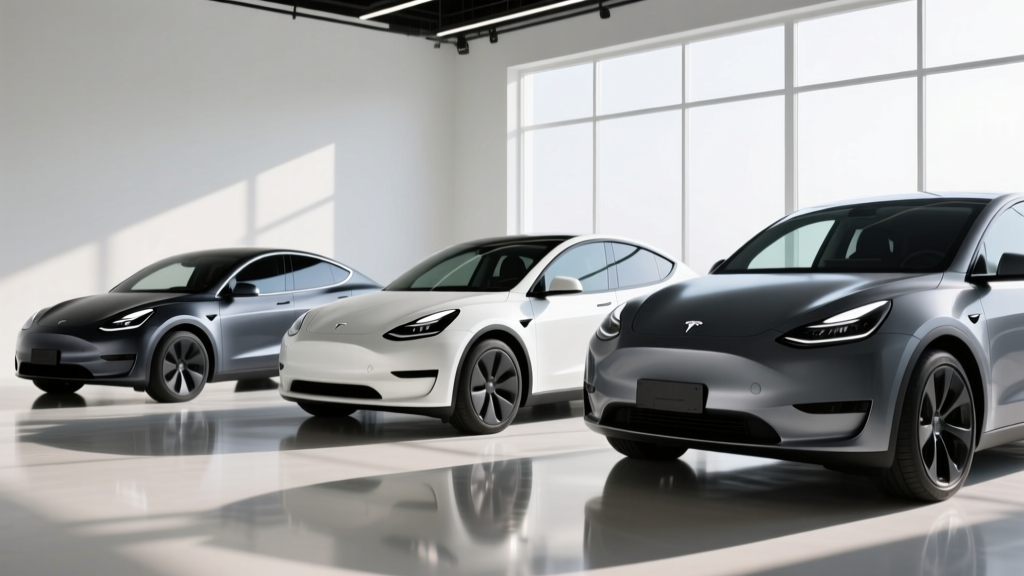
The Model Y entered its second model year in 2021, offered in Long Range AWD and Performance trims. (A Standard Range variant was briefly listed but largely unavailable.) It shares the Model 3 platform but adds crossover ride height, hatchback cargo access, and an optional third row.
| Spec | Long Range AWD | Performance |
|---|---|---|
| EPA Range | 326 mi | 303 mi |
| Battery (usable) | ~75 kWh (NMC) | ~75 kWh (NMC) |
| Drivetrain | Dual-motor AWD | Dual-motor AWD |
| 0-60 mph | 4.8 sec | 3.5 sec |
| Horsepower | ~346 hp | ~450 hp |
| MPGe (combined) | 125 MPGe | 115 MPGe |
| kWh/100 mi | 27 kWh | 29 kWh |
| Cargo (rear seats up) | 30.2 cu ft | 30.2 cu ft |
| Cargo (rear seats folded) | 76.2 cu ft | 76.2 cu ft |
| Legroom (front/rear) | 41.8 / 39.4 in | 41.8 / 39.4 in |
Charging specs mirror the Model 3 Long Range: up to 250 kW on V3 Superchargers, 10-80% in approximately 15–20 minutes, and Level 2 home charging at 11.5 kW adding roughly 37 miles of range per hour. The optional third row (best suited for children) reduces cargo volume when deployed.
2021 Tesla Model S & Model X: The Refreshed Flagships
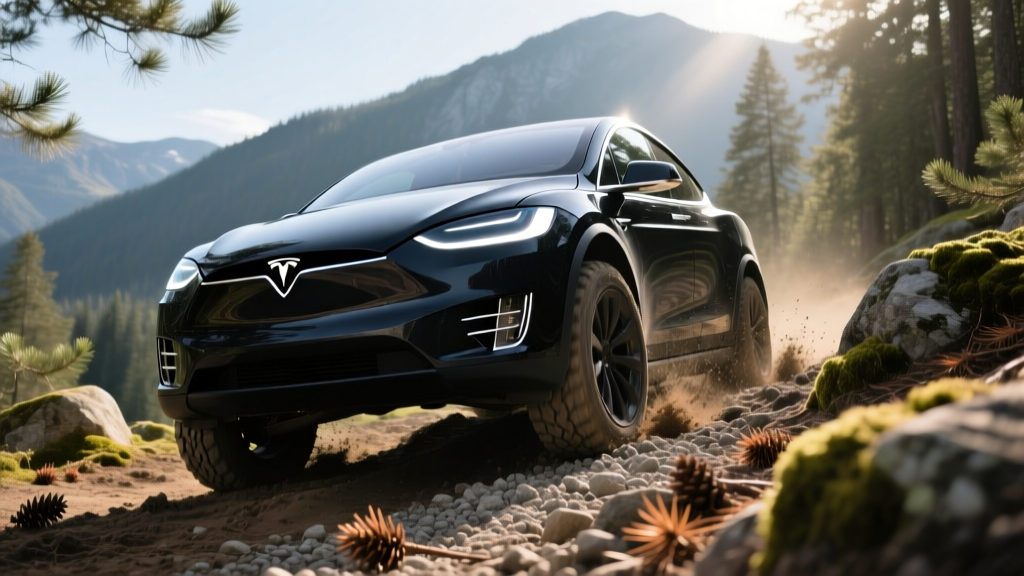
2021 marked a major mid-cycle refresh for both the Model S sedan and Model X SUV. Tesla introduced a new powertrain (Plaid tri-motor), updated interior with a 17-inch landscape touchscreen and rear-seat display, and the controversial yoke steering option. The Long Range variants switched to a dual-motor setup with improved efficiency.
| Spec | Model S LR | Model S Plaid | Model X LR | Model X Plaid |
|---|---|---|---|---|
| EPA Range | 405 mi | 390 mi | 348 mi | 333 mi |
| Battery (usable) | ~95 kWh (NMC) | ~95 kWh (NMC) | ~95 kWh (NMC) | ~95 kWh (NMC) |
| Motors | Dual-motor AWD | Tri-motor AWD | Dual-motor AWD | Tri-motor AWD |
| 0-60 mph | 3.1 sec | 1.99 sec | 3.8 sec | 2.5 sec |
| Horsepower | ~670 hp | ~1,020 hp | ~670 hp | ~1,020 hp |
| MPGe (combined) | 124 MPGe | 112 MPGe | 102 MPGe | 98 MPGe |
| Cargo Volume | 28 cu ft | 28 cu ft | 81.5 cu ft (folded) | 81.5 cu ft (folded) |
The Model S Plaid's 1.99-second 0-60 claim requires rollout subtraction and specific track-prep conditions. In independent testing, most drivers see 2.3–2.5 seconds — still blisteringly quick. The Model X Plaid delivers similar performance in an SUV body, though its higher weight and drag reduce efficiency to under 100 MPGe.
DC fast-charging on the refreshed S/X peaks around 250 kW on V3 Superchargers, though the larger ~95 kWh battery means 10-80% sessions take approximately 25–30 minutes — longer than the Model 3/Y despite similar peak power. Level 2 charging at 11.5 kW adds roughly 30–34 miles per hour, meaning a full charge from near-empty overnight is feasible.
Tech, Driver Assistance, and What 2021 Tesla's Software Offers
All 2021 Teslas ship with Tesla's standard Autopilot suite, which includes Traffic-Aware Cruise Control and Autosteer (lane centering). This is an SAE Level 2 driver-assistance system — the driver must remain fully engaged and attentive at all times.
The FSD (Supervised) package, available as a $10,000 one-time purchase or $199/month subscription in 2021 (pricing has since changed), adds Navigate on Autopilot, Auto Lane Change, Autopark, Summon, and traffic light/stop sign recognition. Real-world performance varies significantly by road type and conditions. Highway driving is where the system excels; complex urban environments still require frequent driver intervention.
Infotainment highlights include a 15-inch landscape screen (Model 3/Y) or 17-inch landscape screen (refreshed S/X), over-the-air updates, integrated navigation with real-time Supercharger routing, a built-in web browser, and gaming capability (the 2021 refresh S/X includes an AMD Ryzen processor enabling AAA-level gaming while parked). Notable drawbacks include the lack of Apple CarPlay/Android Auto, no physical instrument cluster (all info is on the central screen), and the Model 3/Y's minimalist interior lacking physical climate or mirror controls.
Pricing, Depreciation, and the Used-EV Tax Credit
Since these are 2021 models, buyers in 2026 will purchase them on the used market. The relevant federal incentive is the IRS §25E Used Clean Vehicle Credit, which provides up to $4,000 (or 30% of the sale price, whichever is lower) for qualifying used EVs.
| Model / Trim | 2021 Base MSRP | Est. 2026 Used Price | §25E Credit Eligible? |
|---|---|---|---|
| Model 3 SR+ | $37,990 | $18,000–$23,000 | Yes — up to $4,000 |
| Model 3 Long Range | $46,990 | $22,000–$28,000 | Yes — up to $4,000 |
| Model 3 Performance | $55,990 | $26,000–$33,000 | Yes — up to $4,000 |
| Model Y Long Range | $49,990 | $24,000–$30,000 | Yes — up to $4,000 |
| Model Y Performance | $59,990 | $28,000–$35,000 | Yes — up to $4,000 |
| Model S Long Range | $79,990 | $42,000–$55,000 | Yes — up to $4,000 |
| Model S Plaid | $129,990 | $65,000–$85,000 | Yes — up to $4,000 |
| Model X Long Range | $89,990 | $45,000–$60,000 | Yes — up to $4,000 |
| Model X Plaid | $139,990 | $70,000–$90,000 | Yes — up to $4,000 |
§25E Used-EV Credit Requirements (2026 rules, per IRS.gov):
- Sale price must be $25,000 or less to qualify for the full $4,000 (or 30% of price if under $13,333).
- Buyer income caps: $75,000 single / $112,500 head of household / $150,000 joint filers (modified AGI).
- Vehicle must be at least 2 model years old (2021 qualifies in 2023+).
- Must be purchased from a licensed dealer (private-party sales do not qualify).
- The credit can be transferred to the dealer at point of sale for an immediate price reduction.
- Can only be claimed once per vehicle (check VIN history).
Note: Several 2021 Model 3 and Model Y trims fall near or above the $25,000 sale-price cap depending on mileage and condition. Always verify the final negotiated dealer price to confirm eligibility. Consult a tax professional for your specific situation.
Battery Longevity, Warranty, and Degradation Data
Tesla's 2021 battery warranty covers 8 years or 100,000 miles (120,000 miles for Model S/X), whichever comes first, with a minimum 70% capacity retention threshold. If your battery degrades below 70% state of health within that window, Tesla will repair or replace it.
Real-world degradation data from fleet analyses suggests 2021 NMC packs (Long Range, Performance, S/X) typically lose 5–8% capacity in the first 50,000 miles, then degrade more slowly. LFP packs in late-2021 SR+ models show less initial degradation but have lower total energy density. Tesla recommends LFP owners charge to 100% regularly, while NMC owners should daily-charge to 80–90% and reserve 100% for trips.
Out-of-warranty battery replacement for a 2021 Model 3/Y currently runs $12,000–$16,000 at Tesla service centers. Model S/X replacements cost $15,000–$22,000 due to the larger pack. These costs have been declining as refurbished packs become more available.
Pros, Cons, and Who Should Buy a 2021 Tesla
Pros
- Supercharger network access (17,000+ North American stations) — the most reliable DC network
- Over-the-air updates continue to add features years after purchase
- Strong efficiency (kWh/100mi) across the lineup
- Class-leading 0-60 performance, especially Plaid variants
- Used-EV tax credit eligibility brings effective prices down significantly
- Extensive real-world data on long-term battery health available
Cons
- No Apple CarPlay or Android Auto — a dealbreaker for some
- 2021 Model 3/Y pre-refresh interior shows its age (minimalist to a fault)
- FSD (Supervised) is Level 2 only, not autonomous — $10K+ investment with limited ROI
- Insurance premiums remain 20–40% higher than comparable non-Tesla EVs
- Model S/X Plaid out-of-warranty repair costs are substantial
- Build quality inconsistency on 2021 Fremont-built units (panel gaps, trim)
Who Each 2021 Model Suits Best
- Model 3 SR+: Budget-conscious commuters with home charging who need ~200 real-world miles and want the lowest entry price (potentially under $15K after credit).
- Model 3 Long Range: Daily commuters and road-trippers who want genuine 280+ mile real-world range without stepping up to a crossover.
- Model Y Long Range: Families needing cargo flexibility, child-seat room, and the optional third row. The best-selling variant for good reason.
- Model S Long Range: Luxury sedan buyers who want 350+ real-world miles, a premium interior, and don't mind higher maintenance costs.
- Model S/X Plaid: Performance enthusiasts who want supercar acceleration with daily-driver practicality — but budget for insurance and potential repairs.
Frequently Asked Questions
What is the real-world range of a 2021 Tesla Model 3 Long Range?
While the EPA rates it at 353 miles, expect 280–310 miles in mixed highway driving and 220–260 miles in sub-freezing temperatures. City driving with regenerative braking can approach or slightly exceed the EPA number.
How fast does a 2021 Tesla charge on DC fast chargers and at home?
Long Range and Performance trims peak at 250 kW on V3 Superchargers, achieving 10-80% in 15–20 minutes. The SR+ peaks around 170 kW. At home on a Level 2 (240V, 48A) charger, all trims add roughly 37 miles of range per hour. A full overnight charge is standard for most commutes.
Does a used 2021 Tesla qualify for a federal tax credit?
Yes — under the IRS §25E Used Clean Vehicle Credit, qualifying buyers can receive up to $4,000 off the purchase price when buying from a licensed dealer. The vehicle must sell for $25,000 or less, and buyer income must fall under IRS caps ($75K single / $150K joint). Always verify current-year rules at IRS.gov and consult a tax professional.
Is a 2021 Tesla worth buying vs. competitors like the Hyundai Ioniq 5 or Ford Mustang Mach-E?
The 2021 Tesla's advantages are Supercharger network access, efficiency, and software. The Ioniq 5 (2022+) offers 800V charging architecture (faster DC sessions) and a more conventional interior. The Mach-E offers a more traditional driving feel and CarPlay. If Supercharger access and OTA updates matter most, the Tesla wins. If you want CarPlay, a physical instrument cluster, or faster peak charging on non-Tesla networks, the competitors are compelling alternatives.
How long will a 2021 Tesla battery last?
Tesla warrants the battery for 8 years / 100,000–120,000 miles (depending on model) at 70% minimum capacity. Fleet data suggests most NMC packs retain 85–92% capacity at 100,000 miles with normal charging habits. LFP packs in the SR+ may retain even more. Out-of-warranty replacements cost $12,000–$22,000 depending on the model.
Is Tesla's Autopilot or FSD actually self-driving?
No. Both are SAE Level 2 driver-assistance systems requiring constant driver supervision. FSD (Supervised) adds features like auto lane change and traffic light recognition, but the driver remains fully responsible. Only Level 4 robotaxi services (Waymo, Zoox) operate without a human driver, and only in limited geographic zones.