Why the 2020 Model 3 Performance Still Matters in 2026
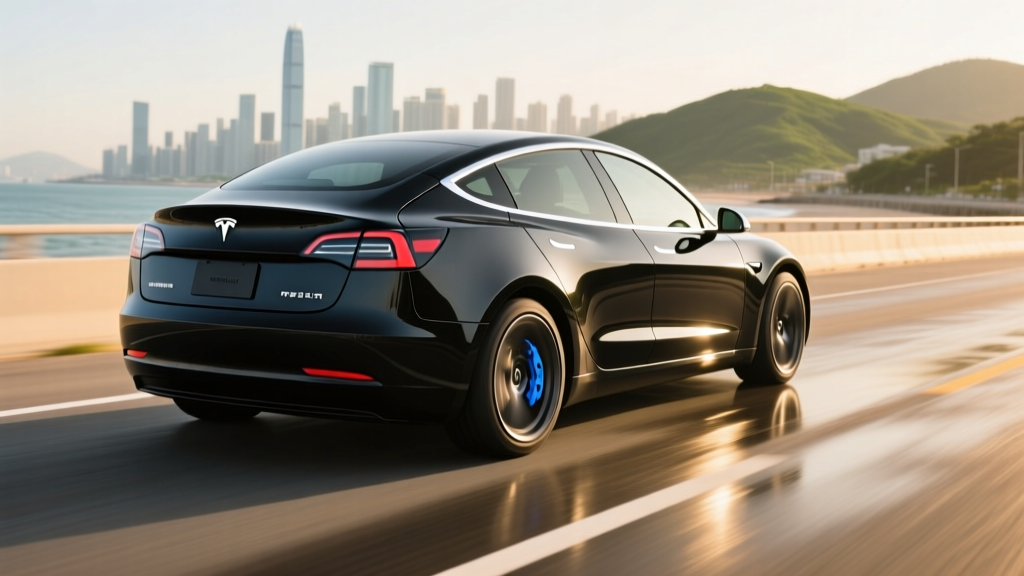
If you're searching for "2020 Tesla Model 3 Performance 0-60" in 2026, you're likely evaluating one on the used market. The 2020 Model 3 Performance was Tesla's peak dual-motor sedan before the Highland refresh, combining a factory-claimed 3.2-second 0-60 mph time with a 322-mile EPA range and access to the Supercharger network. Now depreciated to roughly $22,000–$28,000 depending on mileage and condition, it sits in a compelling used-EV sweet spot — especially if it qualifies for the §25E used clean vehicle credit (up to $4,000).
This review breaks down every number a 2026 buyer needs: real-world range, charging curve behavior, battery chemistry, ownership costs, and how the 2020 Performance compares to today's alternatives like the refreshed Model 3, Hyundai Ioniq 6, and BMW i4.
Spec Table: 2020 Tesla Model 3 Performance at a Glance
| Attribute | Specification |
|---|---|
| EPA Range | 322 miles (Long Range AWD/Performance, 2020) |
| Battery Capacity (usable) | ~75 kWh (NMC/NCA, Panasonic 2170 cells) |
| Drivetrain | Dual-motor AWD |
| 0-60 mph | 3.2 seconds (factory); 3.1 sec (Motor Trend verified) |
| Horsepower | ~450 hp (combined, estimated) |
| Top Speed | 162 mph |
| Max DC Fast Charge | 250 kW (V3 Supercharger) |
| 10-80% DC Charge Time | ~22–25 minutes |
| Level 2 Charge Rate | 11.5 kW (~44 miles/hr) |
| MPGe (combined) | 121 MPGe |
| Efficiency | 28 kWh/100 mi |
| Cargo Volume | 15 cu ft (trunk) + 3.1 cu ft (frunk) |
| Rear Legroom | 35.2 inches |
| Battery Warranty (original) | 8 years / 120,000 miles (Long Range/Perf) |
| Original MSRP | $56,990 (before incentives) |
| Typical 2026 Used Price | $22,000–$28,000 |
Real-World Range: What 322 EPA Miles Actually Means
Real-World Highway (70 mph, moderate temps): ~265–285 miles
Real-World City/Mixed: ~290–310 miles
Cold Weather (below 32°F, highway): ~210–245 miles (30–35% loss)
Expected at 100k+ Miles (degradation): Subtract 5–10% from above figures
The 2020 Model 3 Performance's 322-mile EPA rating was among the best in its class, but real-world results depend heavily on driving style and conditions. The Performance trim's 20-inch Überturbine wheels and stickier tires add rolling resistance versus the Long Range's 18-inch Aero wheels, typically costing 10–15 miles of range. In EPA testing, the combined efficiency rated at 28 kWh/100 mi (121 MPGe), which is excellent for a dual-motor performance sedan.
On a 70-mph highway loop at 65°F, expect roughly 270 miles before hitting a low-State-of-Charge warning. In winter conditions — especially below freezing without preconditioning — range drops to 220 miles or less. The 2020 Model 3 includes a heat pump (introduced in late 2020 for some units, but many 2020 builds still have resistive PTC heating), so verify which HVAC system your specific VIN has. Heat-pump-equipped units lose closer to 20% in cold weather versus 30–35% for PTC-heated cars.
For a 2026 used buyer with 60,000–100,000 miles on the odometer, budget for 5–10% battery degradation based on Tesla fleet data. A car showing 310 miles at 100% SoC when new might display 285–295 miles at full charge today. Always request a State of Health (SoH) reading via the Tesla service menu or a third-party diagnostic tool before purchasing.
Charging Speed: 250 kW Peak, But Mind the Curve
| Charging Level | Power / Rate | Time / Miles Added |
|---|---|---|
| Level 1 (120V, 12A) | ~1.4 kW | ~5 miles/hr |
| Level 2 (240V, 48A) | 11.5 kW | ~44 miles/hr |
| DC Fast (V3 Supercharger) | Peak 250 kW | 10-80% in ~22–25 min |
| DC Fast (CCS adapter, 150 kW station) | ~140 kW avg | 10-80% in ~35 min |
The 2020 Model 3 Performance supports Tesla's V3 Supercharger architecture at a peak rate of 250 kW. In practice, this peak is only sustained between roughly 10–30% State of Charge. The charge curve tapers progressively: expect ~180 kW through 50%, ~100 kW by 70%, and a crawl above 90%. A typical 10-80% session takes 22–25 minutes if the battery is properly preconditioned (navigate to a Supercharger via the car's built-in nav to trigger this automatically).
At home on a Level 2 Wall Connector (48A/240V), the onboard charger accepts up to 11.5 kW, adding roughly 44 miles of range per hour. A full overnight charge from 20% to 80% takes about 5 hours — plenty for daily use. If your home electrical panel supports only a 30A circuit, you'll be limited to ~7.2 kW (~28 miles/hr), which still covers most daily driving needs.
For non-Tesla DC fast charging, you'll need a CCS-to-NACS adapter (Tesla began selling these in 2024). On a 150 kW Electrify America or EVgo station, the 2020 Model 3 typically averages 130–150 kW, making 10-80% takes roughly 30–35 minutes. Not as seamless as Supercharging, but viable for road trips outside the Tesla network.
Performance: 3.2 Seconds and Still Thrilling
The headline number — 3.2 seconds 0-60 mph — remains genuinely quick even by 2026 standards. The dual-motor AWD setup delivers instant torque to all four wheels, with the rear induction motor handling high-speed efficiency and the front permanent-magnet motor providing low-end punch. Motor Trend independently verified a 3.1-second run with rollout subtracted, and Dragy-timed owner runs frequently show 3.0–3.3 seconds depending on tire condition, temperature, and surface.
Beyond straight-line speed, the Performance trim includes Track Mode, which allows adjustable torque distribution and regen settings for closed-course driving. The lowered sport suspension (0.4 inches lower than Long Range) and larger brake rotors improve cornering and stopping, though the 3,600-lb curb weight is still noticeable on tight canyon roads. The Michelin Pilot Sport 4S tires (OEM on the Performance) offer exceptional grip but wear faster than all-season rubber — budget $1,200–$1,600 for a replacement set.
Compared to a 2026 BMW i4 M50 (3.3 sec, 270-mile range, ~$67,000 new) or a Hyundai Ioniq 6 AWD (4.5 sec, 316-mile range, ~$50,000 new), the used 2020 Model 3 Performance delivers comparable acceleration at a fraction of the price. The trade-off is interior material quality and cabin noise — areas where Tesla's 2020 build still shows its age.
Pricing, Tax Credits, and Ownership Costs
| Cost Factor | Amount |
|---|---|
| Original MSRP (2020) | $56,990 |
| Typical 2026 Used Price (60k–90k mi) | $22,000–$28,000 |
| §25E Used EV Credit (max) | Up to $4,000 (30% of sale price, capped) |
| Effective Price After Credit | ~$18,000–$24,000 |
| Annual Insurance (national avg) | $1,800–$2,600 |
| Estimated Annual Charging (12k mi/yr) | $500–$800 (home), $900–$1,400 (public) |
| Battery Warranty Remaining | Varies — 8yr/120k from original in-service date |
The 2020 Model 3 Performance originally stickered at $56,990, but depreciation has been steep. As of early 2026, well-maintained examples with 60,000–90,000 miles trade between $22,000 and $28,000. Higher-mileage units (100k+) can dip below $20,000.
§25E Used Clean Vehicle Credit: Unlike the §30D new-vehicle credit, the IRS §25E credit applies to used EVs purchased from a licensed dealer for $25,000 or less. The credit equals 30% of the sale price, capped at $4,000. Income caps apply: $75,000 single / $112,500 head of household / $150,000 joint filers. The vehicle must be at least two model years old (the 2020 qualifies), and you must purchase from a dealer — private-party sales do not qualify. The credit can be transferred to the dealer at point of sale as an immediate discount. Confirm eligibility with your tax professional, as rules may shift.
If you find a 2020 Performance listed at $24,000 from a qualifying dealer and your income is within limits, the effective price drops to $20,000 — extraordinary value for a 322-mile, 3.2-second AWD sedan.
Interior, Tech, and Driver Assistance
The 2020 Model 3 interior is defined by its 15-inch center touchscreen, which handles all vehicle controls — climate, mirrors, glovebox, and driving settings. There is no instrument cluster; speed and navigation appear in the upper-left corner of the main display. This minimalist approach divides opinion: some owners love the clean aesthetic, others find it distracting.
Tech highlights include:
- Over-the-air updates: The 2020 Model 3 continues to receive software updates in 2026, including UI improvements and efficiency tweaks.
- Autopilot (standard): SAE Level 2 adaptive cruise + lane centering. Requires hands-on-wheel supervision at all times.
- Full Self-Driving (FSD) Supervised: Optional add-on ($8,000 originally, or $199/mo subscription in 2026). Still SAE Level 2 — not autonomous. Offers automated lane changes, traffic-light recognition, and city-street navigation, but driver must remain fully engaged.
- Sentry Mode: 360-degree camera recording when parked, with motion-triggered alerts.
- Phone-as-key: Bluetooth-based entry; no physical fob included (key card as backup).
Notable drawbacks for a 2026 buyer: the 2020 Model 3 lacks the ventilated seats, ambient lighting, and rear passenger screen found in the 2024+ Highland refresh. Road noise is noticeably higher than in competing luxury sedans, and the glass roof can make the cabin hot in summer without aftermarket tinting. Build quality improved significantly through 2020, but panel gaps and paint chips are still common on earlier Fremont-built units.
Pros and Cons
Pros
- 3.2-sec 0-60 still beats most 2026 EVs under $60k
- 322-mile EPA range covers most road trips with one stop
- 250 kW V3 Supercharging (10-80% in ~22 min)
- Supercharger network access (most reliable DC network in the US)
- Continued OTA software updates in 2026
- Strong §25E used-credit eligibility (up to $4,000 off)
- Low running costs vs gas performance sedans
Cons
- No instrument cluster — all info on center screen
- Higher road noise than BMW i4, Mercedes EQB
- 20-inch Performance tires wear fast ($1,200–$1,600/set)
- Rear seat is tight for tall adults (35.2" legroom)
- No Apple CarPlay or Android Auto
- Insurance premiums 20–40% above gas sedan average
- Pre-2021 units may lack heat pump (verify by VIN)
- Battery warranty partially consumed on used examples
Who Should Buy the 2020 Model 3 Performance in 2026?
Choose the 2020 Model 3 Performance if:
- You want sub-3.5-sec acceleration for under $25,000 after credits
- You have home Level 2 charging and commute under 80 miles/day
- You value Supercharger network access for road trips
- You're a tech-forward driver who doesn't need a traditional instrument cluster
- You can find a dealer-qualified unit under $25,000 for the §25E credit
Look elsewhere if:
- You regularly carry tall rear-seat passengers (consider Model Y or Ioniq 5)
- You need Apple CarPlay (consider Hyundai Ioniq 6 or BMW i4)
- You live in a cold climate without a heat pump-equipped build
- You want a full remaining battery warranty (consider a certified pre-owned 2023+ model)
Frequently Asked Questions
What is the real-world range of a used 2020 Tesla Model 3 Performance?
Expect 265–285 miles on the highway at 70 mph in moderate temperatures, and 290–310 miles in mixed city driving. In winter conditions below freezing, range drops to 210–245 miles. Add 5–10% degradation for examples with over 80,000 miles. The EPA sticker says 322 miles, but plan trips around 250 miles of usable range to maintain a comfort buffer.
How fast does the 2020 Model 3 Performance charge?
On a V3 Supercharger (250 kW), 10-80% takes approximately 22–25 minutes with battery preconditioning. The peak 250 kW rate only holds from ~10–30% SoC, then tapers. At home on a 48A Level 2 charger, expect ~44 miles of range per hour (full overnight charge). On non-Tesla DC chargers using a CCS adapter, expect ~140 kW average and 10-80% in 30–35 minutes.
Does the 2020 Model 3 Performance qualify for the federal EV tax credit?
Not the §30D new-vehicle credit — that expired for Tesla in 2019. However, it can qualify for the §25E used clean vehicle credit: up to $4,000 (30% of sale price) if purchased from a licensed dealer for $25,000 or less, and if your modified adjusted gross income is within limits ($75k single / $150k joint). The vehicle must be at least two model years old, which a 2020 satisfies. Always verify with a tax professional before relying on the credit.
Is it worth buying vs. a 2024+ Model 3 Highland or competitors?
The 2024+ Highland Model 3 Long Range AWD offers 341 miles of range, a quieter cabin, ventilated seats, rear touchscreen, and better build quality — but starts around $47,000 new (before credits). The 2020 Performance trades at roughly half that price with similar acceleration and only slightly less range. If budget is the priority and you can accept the noisier cabin and older interior, the 2020 Performance is arguably the best performance-per-dollar EV on the used market. If refinement and remaining warranty matter more, the Highland or a CPO BMW i4 is the better choice.
What is the battery chemistry, and does it affect longevity?
The 2020 Model 3 Performance uses Panasonic 2170 cells with NCA (nickel-cobalt-aluminum) cathode chemistry. NCA offers high energy density but is more sensitive to sustained 100% SoC storage than LFP chemistry. Best practice: charge to 80% daily, only use 100% for road trips, and avoid leaving the car at very low or very high SoC for extended periods. Tesla's battery warranty covers degradation below 70% capacity for 8 years or 120,000 miles — check remaining coverage by VIN before buying.
What should I inspect before buying a used 2020 Model 3 Performance?
Request a battery State of Health (SoH) reading, verify whether the unit has a heat pump or PTC heater (heat pump preferred for cold climates), check for open recalls (particularly the front suspension control arm recall for some 2020 builds), inspect the 12V battery (original units may need replacement), and review service history for drive unit or MCU replacements. A pre-purchase inspection at a Tesla Service Center or EV-specialty shop is strongly recommended.