Quick Verdict: The Budget EV Commuter That Started It All
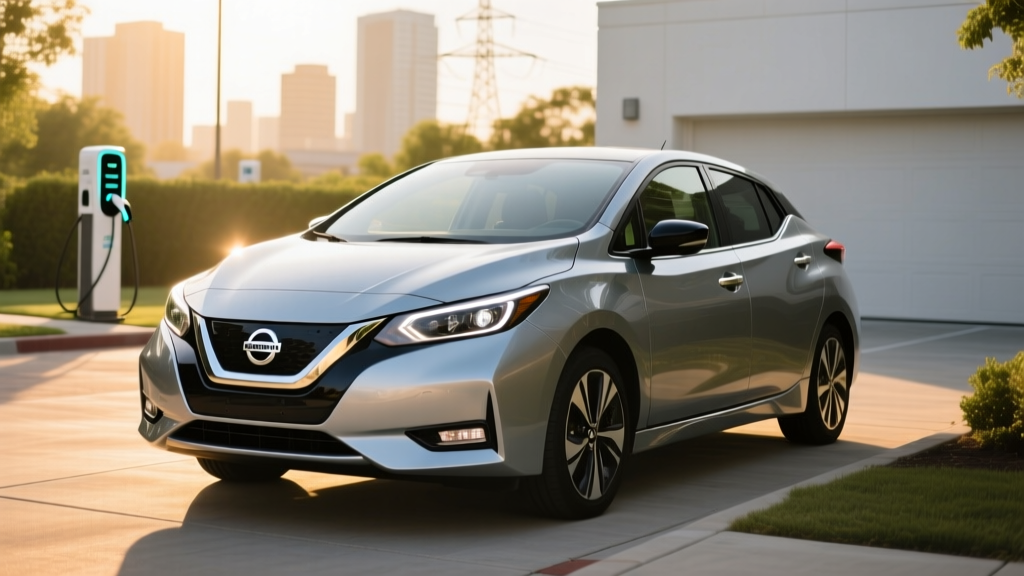
The 2020 Nissan Leaf remains one of the most accessible entry points into electric vehicle ownership on the used market. Available with either a 40 kWh or 62 kWh battery pack, it delivers between 149 and 226 miles of EPA-estimated range — adequate for daily commuting and errands, but limited for road trips. Its CHAdeMO fast-charging connector is now a liability in a market that has standardized on NACS and CCS, yet the Leaf's low used prices and potential eligibility for the up-to-$4,000 used EV tax credit keep it relevant for budget-conscious buyers in 2026.
Real-World Range Reality Check
EPA Estimated: 149 mi (40 kWh) / 226 mi (62 kWh Leaf Plus)
Expect in practice: 120–135 mi highway (40 kWh) or 185–200 mi highway (62 kWh). Cold weather (below 32°F) can reduce range by 20–30%, dropping the 40 kWh model to roughly 100–115 mi in winter city/highway mixed driving. The Leaf lacks a battery heat pump or active liquid thermal management, relying on passive air cooling — a meaningful limitation in extreme temperatures.
Specs at a Glance: 2020 Nissan Leaf S, SV, SL & Plus Trims
| Spec | Leaf (40 kWh) | Leaf Plus (62 kWh) |
|---|---|---|
| EPA Range | 149 mi (S/SV) / 151 mi (SL) | 215 mi (S) / 226 mi (SV/SL) |
| Battery Capacity | 40 kWh usable (NMC) | 62 kWh usable (NMC) |
| Motor Output | 110 kW / 147 hp, 236 lb-ft | 160 kW / 214 hp, 250 lb-ft |
| Drivetrain | FWD (single motor) | FWD (single motor) |
| 0–60 mph | ~7.9 sec | ~6.5 sec |
| EPA Efficiency | 111 MPGe (30 kWh/100mi) | 104 MPGe (33 kWh/100mi) |
| DC Fast Charge Max | 50 kW (CHAdeMO) | 100 kW (CHAdeMO) |
| 10–80% DCFC Time | ~40 min (50 kW station) | ~45 min (100 kW station) |
| Level 2 Charge Rate | 6.6 kW (~22 mi/hr) | 6.6 kW (~25 mi/hr) |
| Cargo Volume | 23.6 cu ft (rear seats up) / 30.0 cu ft (folded) | 23.6 cu ft / 30.0 cu ft |
| Rear Legroom | 33.5 in | 33.5 in |
| Battery Warranty | 8 yr / 100,000 mi (capacity) | 8 yr / 100,000 mi (capacity) |
| Original MSRP (base) | $31,620 (S trim) | $38,220 (S Plus trim) |
Sources: EPA Fueleconomy.gov, Nissan USA specifications.
Charging: The CHAdeMO Problem in a NACS World
The 2020 Leaf uses the CHAdeMO DC fast-charging standard — the same connector used by the Mitsubishi Outlander PHEV and older Kia Soul EV. As of 2026, the North American market has overwhelmingly adopted Tesla's NACS (J3400) connector, with Electrify America and most other networks deploying NACS alongside or in place of CCS. CHAdeMO stalls are increasingly rare at new charging stations, and existing ones are not being replaced when they fail.
| Charging Level | Power (kW) | Speed (mi/hr added) | Notes |
|---|---|---|---|
| Level 1 (120V outlet) | ~1.4 kW | ~4–5 mi/hr | Emergency/trickle only; full charge in 35–50+ hrs |
| Level 2 (240V, J1772) | 6.6 kW (onboard charger max) | ~22–25 mi/hr | Full charge in ~7.5 hr (40 kWh) or ~11 hr (62 kWh) |
| DC Fast (CHAdeMO) | 50 kW (std) / 100 kW (Plus) | ~150–200 mi/hr peak | 10–80% in ~40–45 min; rate tapers sharply above 80% |
Charging curve reality: The Leaf Plus can accept up to 100 kW at low state of charge, but the passive air-cooled battery heats up quickly during DC fast charging. Nissan's battery management system throttles charge speed to protect the cells — a phenomenon owners call "Rapidgate." On a hot day or after consecutive fast charges, expect peak speeds to drop to 40–50 kW or lower. This makes the Leaf poorly suited for multi-stop road trips where repeated fast charging is required.
Home charging: The onboard 6.6 kW charger is adequate for overnight replenishment. A typical commute of 30–40 miles round-trip requires only 2–3 hours on a Level 2 home station. Installation of a 240V / 40-amp circuit with a quality Level 2 EVSE (such as a ChargePoint Home Flex or Emporia Vue) typically runs $800–$2,000 including electrician labor and permits, depending on panel proximity.
Battery Health, Degradation & What to Check Before Buying Used
The 2020 Leaf uses NMC (nickel manganese cobalt) lithium-ion cells manufactured by AESC (now Envision AESC). Unlike liquid-cooled packs in the Chevrolet Bolt or Tesla Model 3, the Leaf's battery relies on passive air cooling. This design choice keeps cost and weight down but accelerates degradation in hot climates and under heavy fast-charging use.
Nissan's battery warranty covers capacity loss below 9 bars (out of 12) on the dashboard capacity gauge for 8 years or 100,000 miles. For a 2020 model, this warranty extends through the 2028 model year — an important safety net for used buyers. However, real-world data from Leaf owners shows:
- 40 kWh models (2020): Typically 5–8% capacity loss after 4–5 years / 50,000–70,000 miles in moderate climates. Hot-climate examples (Arizona, Texas) may show 10–15% loss.
- 62 kWh Plus models (2020): Generally 3–7% loss over the same period, partly because the larger pack operates at lower average C-rates.
Buyer tip: Before purchasing a used 2020 Leaf, check the battery capacity bars on the dash (far right of the instrument cluster). A 2020 Leaf should still show 11 or 12 bars. Also request a LeafSpy Pro OBD-II reading to see exact State of Health (SoH) percentage. Anything below 90% SoH on a 5-year-old Leaf suggests heavy fast-charging use or hot-climate exposure and should be priced accordingly.
Driving Impressions, Tech & Daily Livability
The Leaf drives like a comfortable, quiet compact hatchback — because that's exactly what it is. The 147-hp standard motor provides adequate acceleration for city merging, while the 214-hp Plus variant feels genuinely quick off the line (0–60 in ~6.5 seconds). Both versions benefit from instant electric torque and a low center of gravity from the under-floor battery.
ProPILOT Assist (standard on SV/SL trims) is a Level 2 driver-assistance system combining adaptive cruise control with lane-centering. It works well on marked highways but requires hands-on-wheel supervision — this is not autonomous driving. The system is less aggressive than Tesla Autopilot and less refined than GM's Super Cruise, but it reduces fatigue on longer commutes.
Infotainment: The 8-inch touchscreen (SV/SL; S gets 5-inch) supports Apple CarPlay and Android Auto. It's functional but dated compared to 2026 infotainment standards — expect slower response times and smaller icons. The Leaf also offers e-Pedal mode, which enables one-pedal driving through aggressive regenerative braking, though it doesn't always bring the car to a complete stop like newer EVs.
Cargo & passenger space: With 23.6 cu ft behind the rear seats and 30.0 cu ft folded, the Leaf offers hatchback practicality. Rear legroom at 33.5 inches is tight for taller passengers on long drives. The lack of a frunk (front trunk) is a missed opportunity — the space under the hood houses the motor and power electronics.
Pricing & Used EV Tax Credit (2026 Market)
As a used vehicle in 2026, the 2020 Leaf trades well below its original MSRP. Typical market prices:
| Trim | Original MSRP | Typical Used Price (2026) | After Up-to-$4,000 Used EV Credit |
|---|---|---|---|
| S (40 kWh) | $31,620 | $10,000–$14,000 | $6,000–$10,000 |
| SV (40 kWh) | $34,220 | $12,000–$16,000 | $8,000–$12,000 |
| SL (40 kWh) | $37,820 | $14,000–$18,000 | $10,000–$14,000 |
| S Plus (62 kWh) | $38,220 | $14,000–$18,000 | $10,000–$14,000 |
| SV/SL Plus (62 kWh) | $40,820–$44,820 | $16,000–$22,000 | $12,000–$18,000 |
Federal used EV tax credit (IRC §25E): The 2020 Leaf qualifies for a used-clean-vehicle credit equal to 30% of the sale price, up to $4,000, provided:
- The sale price is $25,000 or less (most 2020 Leafs qualify)
- Buyer's modified adjusted gross income does not exceed $75,000 (single), $112,500 (head of household), or $150,000 (joint)
- The vehicle is purchased from a licensed dealer (private-party sales do not qualify)
- The buyer has not claimed a used EV credit in the prior 3 years
- The vehicle is at least 2 model years old (2020 qualifies in 2026)
See IRS.gov §25E rules for full eligibility details. The credit can be transferred to the dealer at point of sale as an upfront discount starting in 2024.
Note: The 2020 Leaf does NOT qualify for the new-vehicle §30D credit, as it is no longer sold new and Nissan's battery sourcing did not meet critical-mineral requirements in later production years.
2020 Nissan Leaf vs. Key Used-EV Competitors
| Attribute | 2020 Leaf Plus | 2020 Chevrolet Bolt EV | 2020 Tesla Model 3 SR+ |
|---|---|---|---|
| EPA Range | 226 mi | 259 mi | 250 mi |
| Battery | 62 kWh NMC (air-cooled) | 66 kWh NMC (liquid-cooled) | 50 kWh NMC/LFP (liquid-cooled) |
| DC Fast Connector | CHAdeMO (100 kW) | CCS (55 kW) | NACS/Tesla (170 kW) |
| 10–80% DCFC | ~45 min | ~55 min | ~30 min |
| Typical Used Price | $14,000–$22,000 | $13,000–$18,000 | $18,000–$24,000 |
| Supercharger Access | No | Yes (with adapter, 2024+) | Native |
| Liquid-Cooled Battery | No | Yes | Yes |
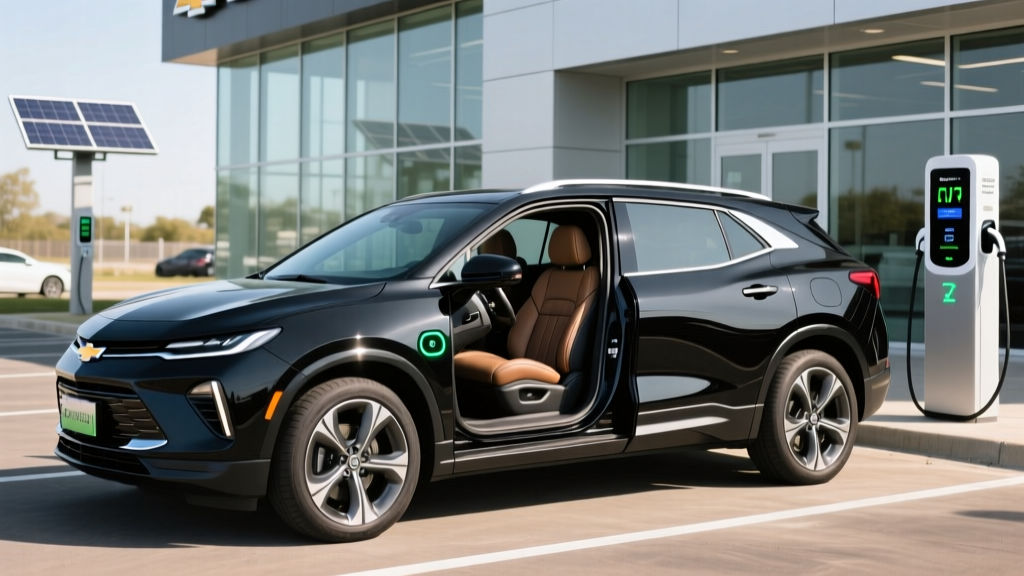
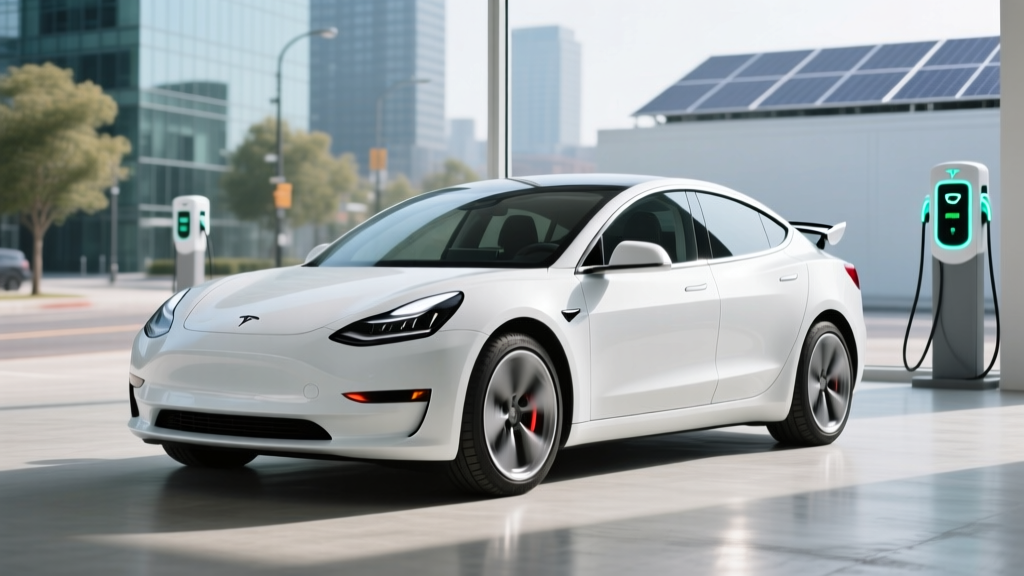
The Chevrolet Bolt EV offers more range, a liquid-cooled battery (better longevity), and CCS charging — though its 55 kW DCFC speed is also slow by 2026 standards. The Tesla Model 3 provides Supercharger network access and faster charging but at a higher used price. The Leaf's advantage is the lowest entry cost after the used EV credit, making it the cheapest path to a 200+ mile EV.
Pros, Cons & Who Should Buy
Pros
- Very low entry cost with up-to-$4,000 used EV credit
- Comfortable, quiet ride for city commuting
- Hatchback cargo versatility (23.6–30.0 cu ft)
- ProPILOT Assist Level 2 highway aid on SV/SL
- e-Pedal one-pedal driving reduces brake wear
- Battery warranty extends through 2028
Cons
- CHAdeMO connector is a dying standard — fewer public chargers each year
- Passive air-cooled battery degrades faster in heat and under DCFC use
- No liquid thermal management limits fast-charge repeatability (Rapidgate)
- 40 kWh model's 149 mi range is limiting even for commuting in cold climates
- Dated infotainment with slow touchscreen response
- No frunk; rear legroom is tight at 33.5 in
Who This EV Suits Best
Choose the 2020 Leaf Plus if: You need the cheapest possible 200+ mile EV for a daily commute under 60 miles round-trip, you can charge at home overnight, you live in a moderate climate, and you rarely take road trips over 150 miles.
Look elsewhere if: You need reliable DC fast charging for road trips (get a Tesla Model 3 or Hyundai Kona Electric), you live in a hot climate where battery degradation is a concern (get a liquid-cooled Bolt or Model 3), or you need more than 150 miles of real-world winter range.
Frequently Asked Questions
What is the real-world range of the 2020 Nissan Leaf?
The EPA rates the standard 40 kWh Leaf at 149 miles and the 62 kWh Leaf Plus at 215–226 miles depending on trim. In real-world highway driving at 70 mph, expect roughly 120–135 miles from the 40 kWh model and 185–200 miles from the Plus. In cold weather (below freezing), reduce those figures by 20–30% due to the lack of a battery heat pump and cabin resistance heating load.
How fast does the 2020 Leaf charge at home and on the road?
At home on a 240V Level 2 station, the Leaf charges at 6.6 kW, adding roughly 22–25 miles of range per hour — a full charge takes 7.5 to 11 hours depending on battery size. On DC fast chargers, the standard Leaf peaks at 50 kW and the Plus at 100 kW, reaching 10–80% in roughly 40–45 minutes. However, the air-cooled battery causes charge speeds to throttle significantly during repeated fast charges or in hot weather.
Does the 2020 Nissan Leaf qualify for any tax credit in 2026?
It does not qualify for the new-vehicle §30D credit (it's no longer sold new). However, it qualifies for the used clean vehicle credit (§25E): 30% of the purchase price up to $4,000, if bought from a dealer for $25,000 or less and the buyer meets income caps ($75K single / $150K joint). This can bring a well-equipped Leaf Plus down to $12,000–$14,000 out of pocket.
Is the CHAdeMO connector a dealbreaker?
It depends on your use case. For home-charging commuters who rarely use public fast chargers, CHAdeMO is manageable — you'll still find legacy CHAdeMO stalls at many Electrify America, EVgo, and older ChargePoint stations. But the industry has moved to NACS, and new installations increasingly omit CHAdeMO. If you plan road trips or rely on public fast charging, a NACS-equipped Tesla or a CCS vehicle with a NACS adapter is a better long-term bet.
How long will the 2020 Leaf battery last?
Nissan warranties the battery for 8 years / 100,000 miles against capacity loss below 9 of 12 bars (roughly 75% original capacity). Real-world data suggests 2020 Leafs in moderate climates retain 90–95% capacity after 5 years. Hot-climate and heavy-DCFC examples may drop to 85–88%. The warranty provides coverage through approximately 2028 for original 2020 purchases. Full battery replacement, if needed outside warranty, typically costs $6,500–$9,000 including labor.
Is the 2020 Leaf worth buying vs. a Bolt or Model 3?
If budget is the primary concern and you can charge at home, the Leaf Plus (after the used EV credit) offers the lowest cost per mile of range of any used EV. The Bolt EV provides better range (259 mi EPA), a liquid-cooled battery, and CCS charging for a similar price. The Model 3 offers Supercharger access and better performance but costs $4,000–$8,000 more used. For pure commuting value, the Leaf Plus is hard to beat; for versatility and longevity, the Bolt or Model 3 are stronger choices.