Quick Verdict: The 2019 Model X in 2026
If you're shopping for a used three-row electric SUV, the 2019 Tesla Model X remains one of the few vehicles that combines genuine 7-seat practicality with Supercharger network access and blistering acceleration. But buying a 2019 Model X in 2026 means navigating a very different landscape than when it was new: Tesla has updated the Model X substantially since then, the used-EV tax credit offers a different path to savings, and battery degradation on a 7-year-old pack is a real consideration. This review breaks down exactly what you're getting — and what you should check before signing the paperwork.
Range, Battery & Efficiency
The 2019 Model X came in three main variants, each with different EPA range ratings:
| Trim | EPA Range | Battery (Usable) | Chemistry | MPGe (Combined) | kWh/100 mi |
|---|---|---|---|---|---|
| Long Range (Standard) | 325 mi | ~100 kWh | NMC (NCA cathode) | 92 MPGe | 36 kWh/100 mi |
| Long Range (Performance) | 305 mi | ~100 kWh | NMC/NCA | 89 MPGe | 38 kWh/100 mi |
| Standard Range | 250 mi | ~75 kWh | NMC | 94 MPGe | 35 kWh/100 mi |
Real-World Range: What to Actually Expect
EPA sticker: 325 mi (Long Range) — but real-world results depend heavily on conditions:
- Highway driving (70-80 mph): Expect 260–285 mi. The Model X's boxy SUV shape and falcon-wing doors create more aerodynamic drag than the Model S sedan, so highway efficiency drops noticeably.
- Cold weather (below 40°F / 4°C): Range loss of 20–35% is typical for NMC chemistry, especially on short trips where the battery can't warm up. A 325-mi EPA Long Range pack may deliver 210–260 mi in winter.
- City/commuter driving: Regenerative braking helps; 290–310 mi is achievable in mild weather.
The 100 kWh pack uses nickel-cobalt-aluminum (NCA) and nickel-manganese-cobalt (NMC) chemistry — high energy-density cells optimized for range, but more susceptible to cold-weather range loss and long-term degradation than the LFP chemistry Tesla now uses in Standard Range vehicles. At 7 years old, expect 8–15% capacity degradation depending on charging habits (frequent 100% charges and DC fast charging accelerate wear). A pre-purchase battery health check via the Tesla app or service center is essential.
Charging Speed: DC Fast & Home Level 2
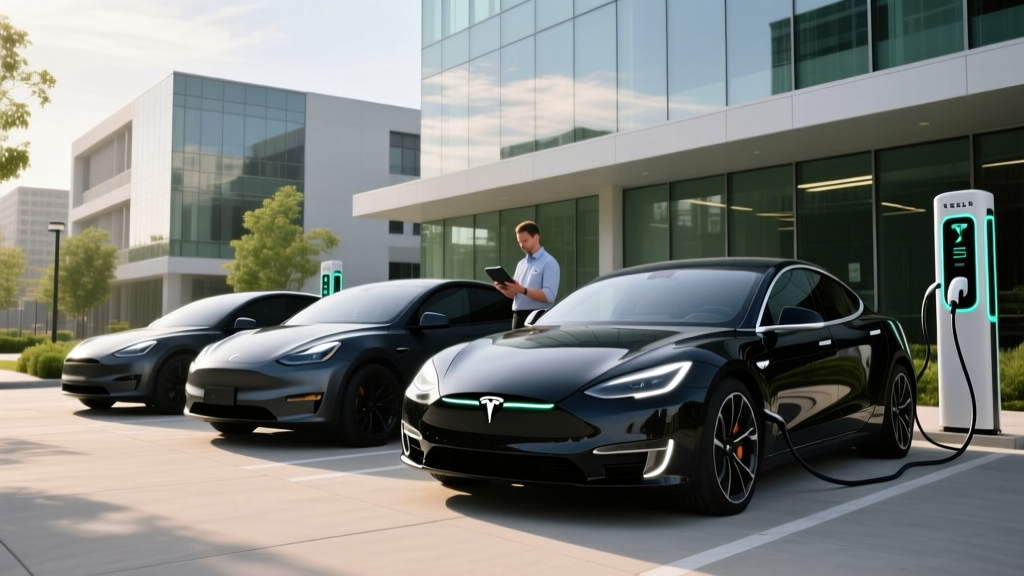
One of the 2019 Model X's enduring advantages is access to the Tesla Supercharger network, which remains the most reliable DC fast-charging infrastructure in the U.S. (though NACS adapters now allow other EVs to use it).
| Charging Level | Power / Rate | Time / Range Added | Notes |
|---|---|---|---|
| Level 1 (120V outlet) | ~1.4 kW | ~3 mi/hr | Emergency only; 100+ hours for full charge |
| Level 2 (240V, 48A) | 11.5 kW | ~34 mi/hr; full charge in ~9–10 hours | Requires NEMA 14-50 or hardwired Wall Connector |
| DC Fast (V3 Supercharger) | Peak 250 kW (taper) | 10–80% in ~30 min; 80–100% adds ~20 min | Older 2019 packs may peak at 150–200 kW due to age |
| DC Fast (V2 Supercharger) | Peak 150 kW | 10–80% in ~40 min | Still common at older Supercharger stations |
Charging curve reality check: The 2019 Model X does not sustain peak 250 kW for the entire session. On a V3 Supercharger, expect 180–220 kW from 10–40% state of charge, tapering to 80–100 kW above 60%, and dropping sharply above 80%. Preconditioning the battery (via the car's navigation to a Supercharger) is critical — without it, peak rates drop to 80–120 kW even at low SoC.
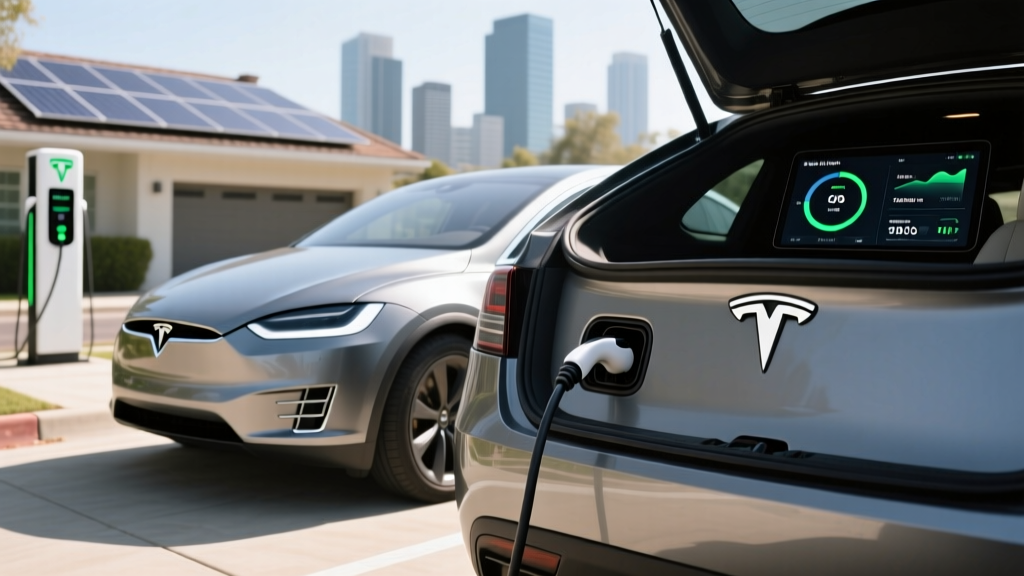
Home charging setup: The onboard charger accepts up to 48 amps (11.5 kW) on Level 2. For daily use, a Tesla Wall Connector or third-party J1772 charger with a Tesla adapter on a 60-amp circuit delivers 30–34 miles of range per hour — enough to fully replenish overnight. Installation costs typically range from $800–$2,500 depending on panel capacity and run length; budget for a possible 200-amp panel upgrade ($1,500–$3,000) if your home has older 100-amp service.
Performance & Drivetrain
| Trim | 0-60 mph | Horsepower | Drivetrain | Towing Capacity |
|---|---|---|---|---|
| Long Range (Standard) | 4.7 sec | ~518 hp | Dual-Motor AWD | 5,000 lbs |
| Performance (Ludicrous) | 2.7 sec | ~778 hp | Dual-Motor AWD | 5,000 lbs |
| Standard Range | 4.8 sec | ~518 hp | Dual-Motor AWD | 5,000 lbs |
Even the "base" Long Range Model X out-accelerates most sports cars, and the Performance variant with Ludicrous Mode borders on absurd. Dual-motor all-wheel drive is standard across all trims, providing confident traction in rain and snow. Air suspension is also standard, offering adjustable ride height (useful for steep driveways or light off-road) and a comfortable highway ride, though replacement air struts cost $1,200–$2,000 per corner if they fail — a known issue on 2016–2020 Model X vehicles.
Pricing, Tax Credits & Ownership Costs
As a used vehicle, the 2019 Model X is no longer eligible for the new-vehicle §30D federal tax credit. However, it may qualify for the Used Clean Vehicle Credit (IRC §25E), which provides up to $4,000 or 30% of the sale price (whichever is less) for eligible used EVs.
| Item | Amount |
|---|---|
| Original 2019 MSRP (Long Range base) | ~$89,500 |
| Original 2019 MSRP (Performance) | ~$104,000 |
| 2026 Used Market Price (Long Range, 60k–80k mi) | $38,000–$52,000 |
| 2026 Used Market Price (Performance, 60k–80k mi) | $48,000–$62,000 |
| Used EV Tax Credit (§25E) — if eligible | Up to $4,000 |
| Effective Price After Credit | ~$34,000–$58,000 |
§25E Used EV Tax Credit Requirements (2026 Rules)
- Sale price cap: Vehicle must sell for $25,000 or less to qualify — most 2019 Model X examples exceed this, making them ineligible.
- Buyer income cap: AGI ≤ $75,000 (single), $112,500 (head of household), $150,000 (joint).
- Dealer requirement: Must purchase from a licensed dealer (private-party sales excluded).
- Vehicle age: Must be at least 2 model years old (2019 qualifies).
- First transfer: Credit applies only on the first qualified resale since August 16, 2022.
Critical reality: Because the §25E credit requires a sale price of $25,000 or less, the vast majority of 2019 Model X listings (typically $38,000–$62,000) will not qualify. If you find a high-mileage or salvage-title example under $25,000, verify the battery health carefully — the low price may reflect a degraded pack or accident history.
Ongoing ownership costs:
- Insurance: $2,400–$3,800/year (higher than average for SUVs; get quotes before buying).
- Maintenance: Minimal vs. gas SUVs (no oil changes, fewer brake replacements due to regen), but budget $1,500–$3,000/year for potential air suspension, HVAC, or 12V battery issues.
- Charging cost: ~$0.13–$0.16/kWh at home (varies by utility); ~$0.28–$0.36/kWh at Superchargers. At 36 kWh/100 mi, that's $4.68–$5.76 per 100 miles at home vs. $10–$13 per 100 miles at public chargers.
- Tires: 20- or 22-inch performance tires wear faster due to the Model X's 5,000+ lb curb weight; budget $1,200–$2,000 for a set every 25,000–35,000 miles.
Interior, Cargo & Tech
The 2019 Model X offers genuine three-row seating (configurable as 5, 6, or 7 seats), though the third row is best suited for children. Cargo capacity is generous:
- Behind third row: 12.6 cu ft
- Behind second row (third row folded): 35.6 cu ft
- Behind first row (all rear rows folded): 88.1 cu ft
- Front trunk (frunk): 6.6 cu ft
Standout tech features:
- 17-inch touchscreen: Controls nearly all vehicle functions; responsive but fingerprint-prone.
- Autopilot (basic): Standard adaptive cruise + lane-keeping (SAE Level 2 — driver must remain engaged). Enhanced Autopilot and Full Self-Driving were optional add-ons; verify which package is active on a used example, as Tesla's FSD transferability policies have changed over time.
- Falcon-wing rear doors: Dramatic and practical in tight parking spaces (sensors detect overhead clearance), but complex — hinge and sensor issues are not uncommon and expensive to repair.
- HEPA air filtration: "Bioweapon Defense Mode" with hospital-grade cabin air filter — genuinely excellent for allergy sufferers and wildfire smoke.
- Over-the-air updates: The 2019 Model X still receives OTA software updates in 2026, though it won't get features requiring newer hardware (HW4 cameras, for example).
Notable drawbacks:
- Panel gaps and interior build quality inconsistent (a known Tesla issue pre-2021 Fremont production improvements).
- Second-row seats don't fold flat in 6- and 7-seat configs, limiting cargo flexibility.
- No Apple CarPlay or Android Auto (Tesla's proprietary system only).
- Falcon-wing doors can be slow to open/close and problematic in freezing rain (ice on hinges).
Warranty & Battery Longevity
| Coverage | Original Terms | Remaining on a 2019 (in 2026) |
|---|---|---|
| Basic Vehicle | 4 years / 50,000 mi | Expired |
| Battery & Drive Unit | 8 years / 150,000 mi (Long Range/Performance) | ~1 year remaining (if under 150k mi) |
| Battery Capacity Guarantee | ≥70% retention over warranty period | Tesla replaces if below 70% within term |
If you're buying a 2019 Model X in 2026, the battery/drive unit warranty is nearing expiration (it ends 8 years from the original in-service date). A vehicle first registered in March 2019 would have coverage until March 2027 — so check the original delivery date carefully. After warranty expiration, a battery replacement costs $12,000–$20,000 depending on pack configuration and service source (Tesla service center vs. third-party EV shop).
Battery care tips for longevity:
- Charge to 80–90% for daily use; reserve 100% for road trips.
- Minimize DC fast charging when Level 2 is available.
- Avoid letting the pack sit at 0% or 100% for extended periods.
- Use Tesla's scheduled charging to keep the pack within 20–80% SoC.
Competitor Comparison: 2019 Model X vs. Alternatives
| Vehicle (Used 2019–2021) | EPA Range | 0-60 mph | Seating | Used Price (2026) | Charging Network |
|---|---|---|---|---|---|
| Tesla Model X Long Range | 325 mi | 4.7 sec | 5/6/7 | $38k–$52k | Supercharger (native NACS) |
| Jaguar I-PACE (2019) | 234 mi | 4.5 sec | 5 | $28k–$38k | CCS (Electrify America, etc.) |
| Audi e-tron (2019) | 204 mi | 5.5 sec | 5 | $26k–$36k | CCS |
| Mercedes EQC (2020–2021) | 220 mi | 4.8 sec | 5 | $30k–$40k | CCS |
The Model X's advantages are clear: more range, more seats, and Supercharger access. The European alternatives offer better interior build quality and more conventional luxury, but sacrifice 80–120 miles of range and third-row seating. If you need 7 seats and road-trip capability, the Model X has no direct used-EV rival in this price range.
Pros, Cons & Who Should Buy
Pros
- 325 mi EPA range (Long Range) — best in class for used 3-row EVs
- Supercharger network access (most reliable DC fast-charging in the U.S.)
- 5,000-lb towing capacity with genuine SUV utility
- Standard dual-motor AWD and air suspension
- Spacious frunk + cargo area (88 cu ft max)
- Still receiving OTA software updates in 2026
- HEPA cabin air filtration
Cons
- Falcon-wing door complexity and repair cost
- Air suspension failure common ($1,200–$2,000 per strut)
- Interior build quality below luxury competitors
- No Apple CarPlay / Android Auto
- Battery warranty expiring soon on 2019 examples
- Used EV tax credit (§25E) unlikely due to $25k price cap
- High insurance premiums ($2,400–$3,800/year)
- Third row tight for adults
Who the 2019 Model X Suits Best
- Choose the 2019 Model X if: You need 3-row seating, regularly road-trip (Supercharger access is a major advantage), tow a trailer or boat, and can budget for potential air suspension or door repairs.
- Look elsewhere if: You only need 5 seats (the Jaguar I-PACE or Audi e-tron offer better build quality for less), you want a new-vehicle warranty, or your budget can't absorb $2,000–$5,000 in potential repairs over 3 years.
FAQ
What is the real-world range of the 2019 Model X?
EPA-rated at 325 miles (Long Range), but expect 260–285 miles on the highway, 290–310 in city driving, and 210–260 miles in cold weather (below 40°F). Battery degradation on a 7-year-old pack may reduce these figures by 8–15%.
How fast does the 2019 Model X charge?
On a V3 Supercharger, it peaks at 250 kW (10–80% in ~30 minutes), though older packs may peak at 150–200 kW. At home on Level 2 (48A/11.5 kW), it adds ~34 miles of range per hour, fully charging overnight in 9–10 hours.
Does the 2019 Model X qualify for the federal EV tax credit?
Not the new-vehicle §30D credit (it's used). The used-EV credit (§25E) offers up to $4,000, but requires a sale price of $25,000 or less — and most 2019 Model X examples sell for $38,000–$62,000, making them ineligible. Verify current rules at IRS.gov.
Is the 2019 Model X worth buying vs. competitors?
If you need 7 seats, 300+ mile range, and Supercharger access, yes — it has no direct rival. If you only need 5 seats and prioritize interior luxury, the Jaguar I-PACE or Audi e-tron offer better build quality at lower used prices, though with 80–120 miles less range.
What are the biggest risks of buying a used 2019 Model X?
Air suspension failure ($1,200–$2,000 per strut), falcon-wing door sensor/hinge issues, battery degradation (check State of Health before purchase), and expiring battery warranty. Get a pre-purchase inspection from a Tesla service center or EV-specialist shop.
Can I still get software updates on a 2019 Model X in 2026?
Yes — Tesla continues to push OTA updates to 2019 Model X vehicles. However, features requiring Hardware 4 (HW4) cameras or newer compute platforms are not available; your 2019 runs HW3 (or HW2.5 depending on build date).
What should I check before buying a used 2019 Model X?
Request the battery State of Health (SoH) report from Tesla, verify remaining battery warranty (8 years / 150,000 mi from original delivery), test all falcon-wing door sensors and hinges, check air suspension for leaks or uneven ride height, and confirm whether Enhanced Autopilot or FSD transfers with the vehicle.