Quick Verdict: Still a Benchmark in 2026
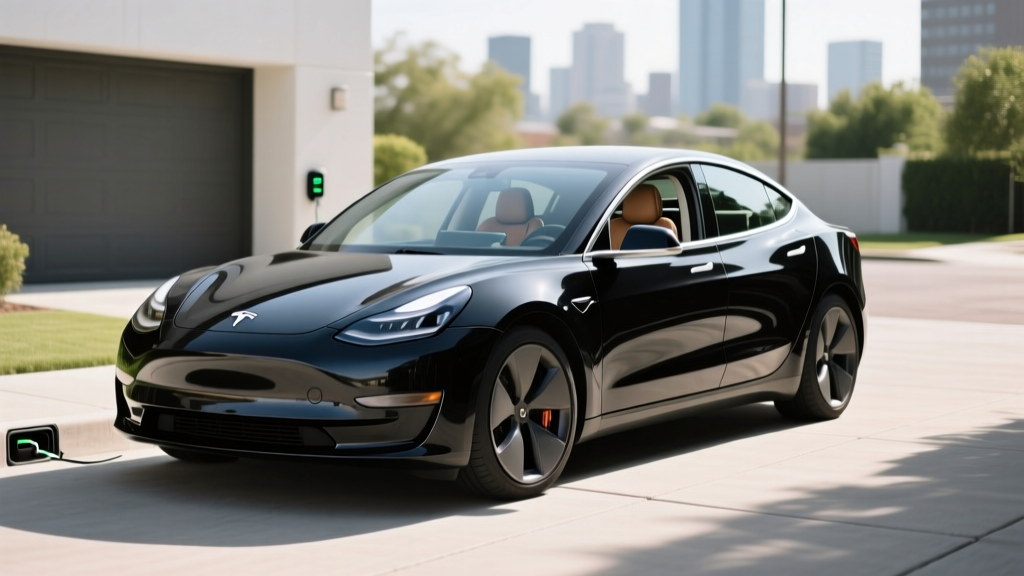
Five years after it first stunned the automotive world, the 2019 Tesla Model 3 Performance remains one of the quickest sedans at any price point. Its EPA-estimated 310-mile range, 250 kW DC fast-charging capability, and access to Tesla's Supercharger network make it a compelling used-EV purchase in 2026 — especially if you qualify for the federal used-EV tax credit. But age brings battery degradation concerns, outdated hardware, and a cabin that shows its years. Here's everything you need to know before buying one on the used market.
Real-World Range Reality Check
EPA Estimate: 310 miles (Long Range AWD / Performance)
Expect in the real world: 240–270 miles on highway road trips at 70+ mph; 200–230 miles in freezing winter conditions. City driving with regenerative braking can return close to the EPA sticker. A 2019 model with typical battery degradation (5–10% by 2026) should deliver 275–295 miles at 100% State of Charge when new-equivalent, scaling down from there.
2019 Tesla Model 3 Performance: Full Spec Sheet
| Specification | 2019 Model 3 Performance |
|---|---|
| EPA Range | 310 miles |
| Battery (usable) | ~75 kWh (NMC/NCA chemistry) |
| Drivetrain | Dual Motor AWD |
| Horsepower | ~450 hp (combined) |
| 0–60 mph | 3.2 seconds (with Rollout Subtraction) |
| Top Speed | 162 mph |
| Max DC Fast Charge | 250 kW (V3 Supercharger) |
| 10–80% DC Charge Time | ~30 minutes |
| Level 2 Home Charging | 11.5 kW (~44 miles/hr) |
| EPA Efficiency | 126 MPGe combined / 26 kWh/100 mi |
| Cargo Volume | 15 cu ft trunk + ~3.1 cu ft frunk |
| Rear Legroom | 35.2 inches |
| Battery Warranty (original) | 8 years / 120,000 miles |
| Original MSRP | $58,990 (before incentives) |
| Typical 2026 Used Price | $22,000–$30,000 |
Sources: EPA fueleconomy.gov, Tesla specifications archive.
0–60 mph and Performance: The Number That Defined It
The 2019 Tesla Model 3 Performance's headline stat — 3.2 seconds 0–60 mph — was verified by Tesla using a 1-foot rollout subtraction, a drag-racing convention that shaves roughly 0.2–0.3 seconds off a standing-start time. Independent testers at outlets like Car and Driver and Motor Trend consistently recorded 3.1–3.5 second runs depending on surface, temperature, and battery State of Charge.
The dual-motor AWD powertrain puts down approximately 450 horsepower and 471 lb-ft of torque. What makes the Performance variant distinct from the Long Range AWD is the Track Mode software (introduced via OTA), a lower suspension, performance brakes, 20-inch wheels, and a carbon-fiber spoiler. Track Mode allows adjustable torque distribution and increased regenerative braking for closed-course driving.
In 2026, this acceleration figure still competes with — or beats — most new performance sedans. For context, a 2026 BMW i4 M50 hits 60 in 3.7 seconds, and the Porsche Taycan 4S does it in 3.8 seconds. The Model 3 Performance's instant electric torque delivery makes it feel even quicker in real-world roll-on passing situations than the numbers suggest.
Charging Speed: DC Fast and Home Level 2
Charging infrastructure was the Model 3's ace in 2019, and it remains a strong advantage in 2026 thanks to the now-universal Tesla Supercharger network (which has opened to NACS-equipped non-Tesla EVs, validating Tesla's connector standard).
| Charging Level | Power | Speed | Notes |
|---|---|---|---|
| Level 1 (120V outlet) | ~1.4 kW | ~3–5 miles/hr | Emergency/trickle only |
| Level 2 (240V home) | 11.5 kW (48A) | ~44 miles/hr | Full charge overnight (~8 hours) |
| DC Fast (V3 Supercharger) | Up to 250 kW | ~170 miles in 15 min | 10–80% in ~30 min |
| DC Fast (CCS adapter) | Up to ~150–170 kW | Varies by station | Requires Tesla CCS adapter ($175–$250) |
Charging curve reality: The 250 kW peak only holds between roughly 10–30% State of Charge. Above 50%, the rate tapers significantly — expect 80–100 kW through the 60–80% range. This is why the 10–80% time is 30 minutes rather than the ~18 minutes you might calculate from peak rate alone. Preconditioning the battery (navigating to a Supercharger in the car's nav system) is essential for achieving peak charge rates; without it, cold-soaked batteries may peak below 100 kW.
Battery Chemistry, Degradation, and Warranty
The 2019 Model 3 Performance uses an NCA (nickel-cobalt-aluminum) cathode battery pack manufactured by Panasonic at the Gigafactory. This chemistry prioritizes energy density over cycle longevity — the opposite trade-off from the LFP (lithium iron phosphate) batteries Tesla later introduced in Standard Range models.
What this means for a 2026 used buyer: NCA packs in the Model 3 have demonstrated approximately 5–10% degradation over 5 years / 60,000–80,000 miles based on fleet data aggregated by sources like Recurrent Auto. Most of this loss occurs in the first 1–2 years, with the curve flattening thereafter. A well-maintained 2019 example should still retain 90–95% of original capacity.
Tesla's battery warranty covers 8 years or 120,000 miles (whichever comes first) with a minimum 70% capacity retention threshold. For a 2019 model, this warranty expires in 2027 — meaning you may have 1–2 years of coverage remaining depending on mileage. Battery replacement out of warranty costs approximately $13,000–$16,000 at a Tesla Service Center, though third-party repair shops are increasingly offering module-level repairs for $3,000–$7,000.
Pricing, Used Market Values, and the Used-EV Tax Credit
The 2019 Model 3 Performance originally stickered at $58,990 (plus destination). In the 2026 used market, expect to pay:
- $22,000–$25,000: Higher-mileage examples (70,000+ miles), minor cosmetic issues
- $25,000–$28,000: Average mileage (40,000–65,000 miles), good condition
- $28,000–$32,000: Low-mileage, excellent condition, certified or dealer-sourced
Federal Used-EV Tax Credit (§25E)
The §25E Previously Owned Clean Vehicle Credit offers up to $4,000 (or 30% of the sale price, whichever is less) for qualifying used EVs. Key requirements per IRS guidelines:
- Sale price must be $25,000 or less
- Buyer income cap: $75,000 single / $112,500 head of household / $150,000 joint
- Vehicle must be at least 2 model years old (2019 qualifies in 2026)
- Must purchase from a licensed dealer (private-party sales excluded)
- Credit is non-refundable — you must have tax liability to use it
- Can only be claimed once per vehicle (check VIN history)
Bottom line: If you find a dealer-listed 2019 Model 3 Performance at or below $25,000 and meet income requirements, you could pay an effective price of $21,000–$25,000 after the credit. This is exceptional value for a 3.2-second, 310-mile AWD sedan. However, most Performance-trim examples price above the $25,000 sale-price cap, making the Long Range AWD variant the more likely credit candidate.
Interior, Tech, and Daily Livability
The 2019 Model 3's minimalist interior was polarizing at launch and hasn't aged as gracefully as competitors. The cabin is defined by a single 15-inch center touchscreen that controls virtually every function — including windshield wipers, glovebox release, and mirror adjustment. There is no instrument cluster; speed and navigation info appear in the upper-left corner of the center screen.
What works well:
- Over-the-air software updates have added features continuously since 2019 (theater mode, improved navigation, battery preconditioning)
- Sentry Mode dashcam system provides 360-degree surveillance while parked
- 15 cu ft trunk plus a usable 3.1 cu ft frunk offers practical cargo space for a compact sedan
- Heated front and rear seats, heated steering wheel (crucial for cold-climate efficiency)
- Full glass roof creates an airy cabin feel (though it increases solar heat gain in summer)
Notable drawbacks:
- Hardware 3 (HW3) Autopilot computer — superseded by HW4 in 2023+ models — offers lower camera resolution and processing capability. FSD (Supervised) still functions but with older sensor fidelity
- No Apple CarPlay or Android Auto (Tesla's proprietary system only)
- Rear seat comfort is compromised by a low cushion height and limited thigh support for tall passengers
- Panel gaps and paint quality on 2019 Fremont-built examples are inconsistent
- Road noise is noticeable at highway speeds compared to luxury competitors
Autopilot and Driver Assistance: Level 2, Not Self-Driving
SAE Automation Level: Level 2 (Driver Assist)
The 2019 Model 3 with Autopilot or Full Self-Driving (Supervised) is a SAE Level 2 system. This means the driver must remain fully engaged, hands on or near the wheel, eyes on the road, and ready to take over at any moment. It is not autonomous or self-driving. Only Level 4 services like Waymo operate without a human driver in geofenced areas.
The 2019 Model 3 came standard with basic Autopilot (Traffic-Aware Cruise Control and Autosteer). The optional FSD package ($5,000–$7,000 at the time) added Navigate on Autopilot, Auto Lane Change, Autopark, Summon, and traffic-light/stop-sign recognition. In 2026, FSD (Supervised) continues to receive updates, but the HW3 computer's limitations mean it will never match the capability of current HW4-equipped Teslas.
What Autopilot/FSD Does NOT Do
- Does not eliminate the need for active driver supervision
- Does not handle all road conditions (construction zones, faded lane lines, unmapped roads)
- Does not make the vehicle autonomous — you are legally responsible at all times
- FSD (Supervised) on HW3 may not receive all future feature updates Tesla develops for HW4+
Pros and Cons at a Glance
Pros
- 3.2-second 0–60 mph still beats most 2026 performance sedans
- 310-mile EPA range is practical for road trips with Supercharger access
- 250 kW DC fast charging remains competitive
- OTA updates keep software current years after purchase
- Potential $4,000 federal used-EV tax credit if priced ≤$25,000
- Low running costs: ~$0.04–0.06/mile on home electricity vs ~$0.14/mile for gas equivalent
- Strong safety ratings (NHTSA 5-star, IIHS Top Safety Pick+)
Cons
- NCA battery degradation may reduce range to 275–295 miles by now
- HW3 Autopilot computer is dated; FSD feature parity with newer cars uncertain
- Minimalist interior lacks physical controls and premium materials
- No Apple CarPlay / Android Auto
- Rear seat comfort is below class average
- Battery warranty expires in 2027 — replacement cost $13,000–$16,000
- Insurance premiums remain 15–30% higher than comparable gas sedans
Who Should Buy the 2019 Model 3 Performance?
Best for: Driving enthusiasts who want supercar-rivaling acceleration on a budget, daily commuters with home Level 2 charging access, and tech-forward buyers who value OTA updates and the Supercharger network. The Performance variant specifically suits those who enjoy track days (Track Mode) and want the sportiest Model 3 variant without paying new-car prices.
Consider alternatives if: You need maximum rear-seat space for family duty (look at the Model Y or Hyundai Ioniq 5), you prioritize luxury interior materials (BMW i4, Mercedes EQB), or you want the latest driver-assist hardware (2024+ models with HW4).
Frequently Asked Questions
What is the real-world range of the 2019 Tesla Model 3 Performance?
With the original EPA rating of 310 miles and expected 5–10% battery degradation by 2026, plan for 240–270 miles on highway road trips and 200–230 miles in cold weather. City driving with regenerative braking can approach 275–295 miles.
How fast does the 2019 Model 3 Performance charge?
On a V3 Supercharger, it peaks at 250 kW and charges 10–80% in approximately 30 minutes. At home on a 48-amp Level 2 charger (240V), it adds about 44 miles of range per hour, fully charging overnight in roughly 8 hours.
Does the 2019 Model 3 Performance qualify for a federal tax credit?
Not the new-vehicle §30D credit, but it may qualify for the §25E used-EV credit of up to $4,000 if the dealer sale price is $25,000 or less and buyer income falls under IRS caps ($75K single / $150K joint). Most Performance examples price above this cap; Long Range variants are more likely to qualify. Always verify eligibility with a tax professional and check IRS guidelines.
Is the 2019 Model 3 Performance worth buying vs. competitors in 2026?
At $22,000–$30,000 used, it offers unmatched performance-per-dollar. A 2026 new Hyundai Ioniq 5 N starts around $66,000 and a BMW i4 M50 starts near $67,000 — both are quicker in some metrics but cost more than double. If acceleration and Supercharger access are priorities, the 2019 Performance is hard to beat at this price.
How long will the battery last?
Tesla's NCA packs are designed for 300,000–500,000 miles of usable life before significant degradation. With 5–10% loss over the first 5 years, the rate of degradation slows considerably. Most owners report the battery outlasting the car's economic life. The original 8-year/120,000-mile warranty may still have 1–2 years of coverage remaining.
Can I use non-Tesla chargers with a 2019 Model 3?
Yes, with a Tesla CCS adapter (approximately $175–$250 from Tesla or third parties). This unlocks Electrify America, EVgo, and other CCS networks. However, the Model 3's native port is NACS (Tesla's connector), and the Supercharger network remains the most reliable DC fast-charging option nationwide.
What's the insurance cost for a used 2019 Model 3 Performance?
Expect $1,800–$2,800 annually depending on your state, driving record, and coverage level. Teslas carry higher premiums due to repair costs (aluminum panels, sensor calibration, proprietary parts). Shop quotes from Tesla Insurance, Geico, Progressive, and specialty EV insurers before purchasing.
Editorial note: This review reflects 2026 market conditions, used-EV pricing, and current IRS tax credit rules. Always verify battery health (via the car's Service Mode or a pre-purchase inspection at a Tesla Service Center), confirm tax credit eligibility with a qualified tax professional, and check the vehicle's VIN for outstanding recalls or warranty status before purchasing.