Quick Verdict: The Original EV Bargain Shows Its Age
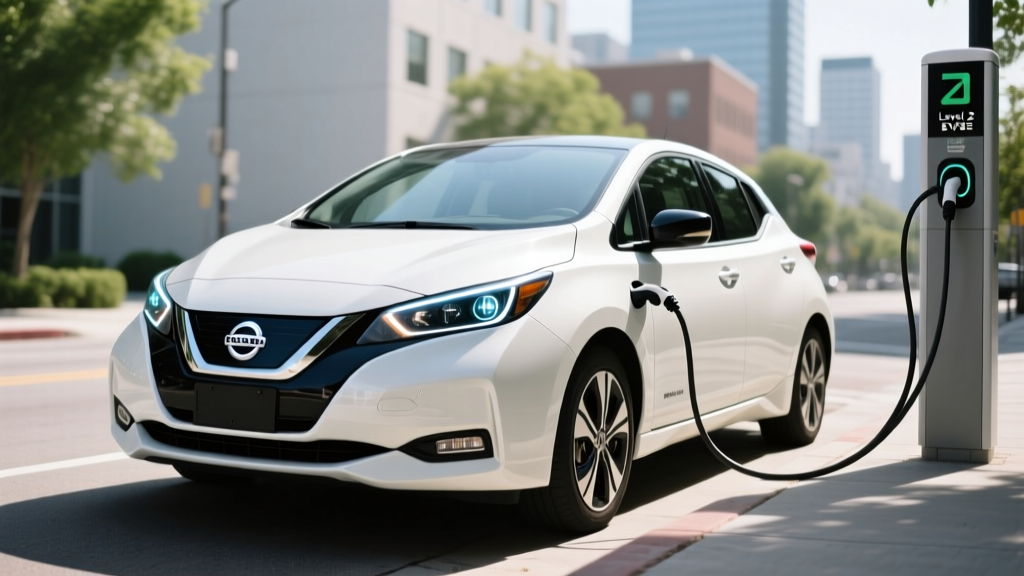
The 2019 Nissan Leaf was a pivotal model year: Nissan finally offered two battery sizes — the standard 40 kWh pack and the Leaf Plus with a 62 kWh pack — giving buyers a genuine 200+ mile option for the first time. In 2026, the Leaf has been discontinued (Nissan ended US production after the 2023 model year), which means every 2019 Leaf on the market is a used vehicle. That changes the buying calculus entirely.
As a used EV, the 2019 Leaf can be a smart budget commuter — especially if you qualify for the up-to-$4,000 used-EV tax credit under IRS §25E. But it also carries real compromises: passive air-cooled battery thermal management, a CHAdeMO fast-charging connector with no NACS adapter path, and a charge curve that tapers hard above 80%. Let's break down exactly what you're getting.
2019 Nissan Leaf Specs at a Glance
| Spec | Leaf S / SV (40 kWh) | Leaf Plus SL (62 kWh) |
|---|---|---|
| EPA Range | 150 miles | 226 miles |
| Battery Capacity (usable) | ~38 kWh usable (40 kWh gross) | ~59 kWh usable (62 kWh gross) |
| Battery Chemistry | NMC (laminated lithium-ion) | NMC (laminated lithium-ion) |
| Thermal Management | Passive (air-cooled) | Passive (air-cooled) |
| Motor Output | 110 kW / 147 hp, 236 lb-ft | 160 kW / 214 hp, 250 lb-ft |
| 0–60 mph | ~7.9 sec | ~6.5 sec |
| Drivetrain | FWD (single motor) | FWD (single motor) |
| DC Fast Charge (peak) | 50 kW (CHAdeMO) | 100 kW (CHAdeMO) |
| 10–80% DC Time | ~40 min | ~45 min |
| Level 2 Onboard Charger | 6.6 kW | 6.6 kW |
| Level 2 Full Charge Time | ~7 hours | ~11 hours |
| MPGe (combined) | 112 MPGe | 104 MPGe |
| Efficiency | 30 kWh/100 mi | 32 kWh/100 mi |
| Cargo Volume | 23.6 cu ft (rear seats up) | 23.6 cu ft (rear seats up) |
| Original Base MSRP | $30,885 (S trim) | $37,445 (Plus S trim) |
| Battery Warranty | 8 yr / 100,000 mi | 8 yr / 100,000 mi |
Range: EPA Stickers vs. Real-World Driving
Leaf S/SV (40 kWh): EPA 150 mi → expect ~120–135 mi highway, ~100–115 mi in freezing temps
Leaf Plus SL (62 kWh): EPA 226 mi → expect ~185–200 mi highway, ~155–175 mi in freezing temps
The 2019 Leaf's EPA range figures were competitive at launch, but real-world results depend heavily on how and where you drive. According to fueleconomy.gov, the standard 40 kWh Leaf achieves 112 MPGe combined (30 kWh per 100 miles), while the Plus drops slightly to 104 MPGe combined due to its heavier pack.
Highway driving at 70+ mph reduces range by roughly 15–20% compared to the EPA combined figure. Cold weather is the bigger concern: Nissan's passive battery thermal management means the pack can't actively warm itself, so in sub-freezing conditions, expect 25–35% range loss. The Leaf also lacks a heat pump (it uses resistive cabin heating), which draws directly from the traction battery and compounds cold-weather losses.
For context, a 2019 Leaf Plus owner in Minnesota commuting 40 miles round-trip in January should budget for roughly 155 miles of usable range — enough for daily driving, but not for spontaneous detours.
Charging: CHAdeMO, 50–100 kW Peaks, and the 80% Taper
| Charging Level | Power / Rate | Miles Added per Hour | Notes |
|---|---|---|---|
| Level 1 (120V household) | ~1.2 kW | ~3–4 mi/hr | Emergency/top-up only |
| Level 2 (240V, J1772) | 6.6 kW (onboard max) | ~22 mi/hr (40 kWh) ~20 mi/hr (62 kWh) | Full charge: 7–11 hours |
| DC Fast (CHAdeMO) — 40 kWh | Peak 50 kW | ~150 mi/hr (peak) | 10–80% in ~40 min |
| DC Fast (CHAdeMO) — 62 kWh Plus | Peak 100 kW | ~200 mi/hr (peak) | 10–80% in ~45 min |
The 2019 Leaf uses the CHAdeMO DC fast-charging connector — the same standard used by the Mitsubishi Outlander PHEV and older Kia Soul EV. This is a significant consideration in 2026: the North American industry has standardized on NACS (Tesla's connector), and most new public DC fast chargers are being deployed with NACS and CCS1 plugs. CHAdeMO infrastructure is shrinking, not growing.
On the standard 40 kWh model, the 50 kW peak charge rate is modest by modern standards. The 62 kWh Leaf Plus can accept up to 100 kW, but don't expect sustained speeds anywhere near that. Nissan's passive thermal management causes the battery to heat up during fast charging, triggering aggressive tapering. In warm weather, you'll see the charge rate drop below 40 kW well before reaching 80% State of Charge. In practice, a 10–80% session takes 40–45 minutes — usable for road-trip breaks, but noticeably slower than a Hyundai Ioniq 5 or Tesla Model 3.
For home charging, the 6.6 kW onboard charger is adequate. A full Level 2 charge from empty takes about 7 hours (40 kWh) or 11 hours (62 kWh). Most owners who charge overnight at home will never need DC fast charging for daily use.
Performance, Interior, and Tech
The standard Leaf's 147 hp and 236 lb-ft of torque deliver adequate city acceleration — the instant electric torque makes it feel peppier than the numbers suggest. The Leaf Plus bumps output to 214 hp and 250 lb-ft, cutting the 0–60 time from roughly 7.9 seconds to 6.5 seconds. Both versions are front-wheel drive with a single-speed reduction gear.
Inside, the 2019 Leaf offers a straightforward cabin with a 7-inch touchscreen infotainment system (8-inch on SL trims), Apple CarPlay and Android Auto, and Nissan's ProPILOT Assist on SV and SL trims. ProPILOT Assist is a Level 2 driver-assistance system — it combines adaptive cruise control and lane-centering but requires continuous driver supervision. It is not autonomous driving.
Cargo space is a practical 23.6 cubic feet behind the rear seats and 30.0 cubic feet with the 60/40 rear seatbacks folded. Rear legroom measures 33.5 inches — tight for taller adults on longer trips. The Leaf's hatchback body style makes it more versatile than a sedan for hauling gear, but it's smaller than crossover EVs like the Chevrolet Bolt EUV or Hyundai Kona Electric.
Nissan ProPILOT Assist is a Level 2 driver-assist system per SAE J3016. The driver must remain fully engaged — hands on the wheel, eyes on the road — at all times. This is not self-driving.
Used Pricing, Tax Credits, and Total Cost
Since the Leaf was discontinued after 2023, every 2019 model is purchased used. As of early 2026, typical asking prices for a 2019 Nissan Leaf range from:
- 2019 Leaf S (40 kWh): $10,000–$14,000 depending on mileage and condition
- 2019 Leaf SV (40 kWh): $12,000–$16,000
- 2019 Leaf Plus SL (62 kWh): $15,000–$20,000
The critical incentive for used-EV buyers is the IRS §25E Previously Owned Clean Vehicle Credit, which offers up to $4,000 (or 30% of the sale price, whichever is less). Here's what you need to know:
- Sale price must be $25,000 or less
- Buyer AGI must not exceed $75,000 (single) / $112,500 (head of household) / $150,000 (joint)
- Vehicle must be at least 2 model years old (2019 qualifies)
- Must purchase from a licensed dealer (private-party sales do not qualify)
- Vehicle must have a battery capacity of at least 7 kWh (both Leaf variants qualify)
- Credit is non-refundable — you need sufficient tax liability to claim it
- Point-of-sale transfer may be available if the dealer is registered with IRS
Source: IRS.gov §25E. Consult a tax professional for your specific situation.
At a $14,000 purchase price, the 30% calculation yields $4,200, but the credit is capped at $4,000. That effectively brings a well-equipped 2019 Leaf SV down to roughly $10,000 after the credit — exceptional value for a 150-mile EV with a hatchback body.
Battery Health, Degradation, and Warranty
The 2019 Leaf's biggest long-term concern is battery degradation. Nissan uses NMC (nickel manganese cobalt) chemistry in laminated pouch cells, and critically, the pack is passively air-cooled — no liquid thermal management. In hot climates (Arizona, Texas, Southern California), repeated exposure to high ambient temperatures combined with DC fast charging accelerates capacity loss.
Nissan's battery warranty covers 8 years / 100,000 miles against capacity loss below 9 bars out of 12 on the battery health display (roughly 66% of original capacity). For a 2019 model, that warranty window expires in 2027 at the latest — meaning most used buyers will have only 1–2 years of remaining warranty coverage.
Real-world degradation data from Leaf owners suggests the 40 kWh pack loses roughly 2–4% capacity per year in moderate climates and 4–6% in hot climates. A 2019 Leaf with 60,000 miles in Phoenix might show 85–88% State of Health (SoH), while one in Portland might still be at 92–95%. Always check the battery health bars on the dashboard before purchasing.
If the battery does need replacement out of warranty, expect $6,500–$9,000 for a refurbished or new pack from Nissan — a cost that can exceed the vehicle's value on lower-trim models.
Pros, Cons, and Who Should Buy
- Low used prices — under $15K for most examples
- Up to $4,000 used-EV tax credit (§25E)
- Comfortable ride, good visibility, practical hatchback cargo area
- e-Pedal one-pedal driving with strong regenerative braking
- ProPILOT Assist (Level 2) on SV/SL trims
- Adequate range for daily commuting (150–226 mi EPA)
- CHAdeMO connector — shrinking public charging network
- Passive air-cooled battery — degradation risk in hot climates
- No NACS adapter available — cannot use Tesla Superchargers
- Slow DC fast charging vs. modern EVs (50–100 kW peak)
- Battery warranty expiring soon (2027 for 2019 models)
- No heat pump — significant cold-weather range loss
- Rear legroom is tight (33.5 in)
- Budget-conscious commuters who drive under 80 miles round-trip and charge at home
- Second-car households needing an efficient runabout for errands and school runs
- Moderate-climate buyers (Pacific Northwest, Northeast, Midwest) where passive cooling is less of a liability
Who should look elsewhere: Hot-climate buyers (Southwest US), road-trip enthusiasts, anyone without home charging access, or buyers who need NACS/Supercharger compatibility.
2019 Leaf vs. Used Competitors
| Attribute | 2019 Nissan Leaf Plus | 2019 Chevrolet Bolt EV | 2019 Hyundai Kona Electric |
|---|---|---|---|
| EPA Range | 226 mi | 238 mi | 258 mi |
| Battery | 62 kWh NMC | 60 kWh NMC | 64 kWh NMC |
| Thermal Mgmt | Passive air | Liquid-cooled | Liquid-cooled |
| DC Fast Connector | CHAdeMO | CCS1 | CCS1 |
| Peak DC kW | 100 kW | 55 kW | 75 kW |
| Typical Used Price | $15K–$20K | $13K–$18K | $16K–$21K |
| Cargo (cu ft) | 23.6 | 16.9 | 19.2 |
The Bolt EV offers slightly more range and liquid battery cooling (better longevity in hot climates) but less cargo space and slower DC charging. The Kona Electric leads in range but typically costs more on the used market. The Leaf's hatchback cargo area is the largest of the three, making it the most practical for gear-hauling — if you can live with the CHAdeMO limitation.
Frequently Asked Questions
What is the real-world range of the 2019 Nissan Leaf?
The standard 40 kWh Leaf delivers about 120–135 miles on the highway and 100–115 miles in freezing weather (EPA rated at 150 mi). The 62 kWh Leaf Plus manages roughly 185–200 miles highway and 155–175 miles in cold weather (EPA rated at 226 mi). City driving with regenerative braking can match or slightly exceed EPA figures.
How fast does the 2019 Leaf charge at home and on DC fast chargers?
At home on a Level 2 (240V) charger, the Leaf adds roughly 20–22 miles of range per hour at its 6.6 kW onboard maximum. On DC fast chargers, the 40 kWh model peaks at 50 kW (10–80% in ~40 min) and the 62 kWh Plus peaks at 100 kW (10–80% in ~45 min), though passive cooling causes the charge rate to taper significantly above 80% SoC and in warm weather.
Does the 2019 Nissan Leaf qualify for any tax credit?
It does not qualify for the new-vehicle §30D credit (the Leaf is discontinued and was only sold new through 2023). However, it can qualify for the §25E used-EV credit of up to $4,000 if purchased from a dealer for $25,000 or less and the buyer meets income thresholds ($75K single / $150K joint). See IRS §25E guidelines for full details.
Can I use Tesla Superchargers with a 2019 Leaf?
No. The 2019 Leaf uses the CHAdeMO DC fast-charging standard. Tesla Superchargers use NACS, and there is no commercially available CHAdeMO-to-NACS adapter. Your public fast-charging options are limited to CHAdeMO-equipped stations, which are becoming less common as networks prioritize NACS and CCS1.
How long will the 2019 Leaf battery last?
With passive air cooling, degradation varies by climate. Expect roughly 85–95% State of Health at 60,000 miles depending on temperature exposure and DC fast-charging frequency. Nissan's battery warranty (8 yr / 100,000 mi, covering loss below 9/12 bars) expires in 2027 for 2019 models. Out-of-warranty battery replacement runs $6,500–$9,000.
Is the 2019 Nissan Leaf worth buying in 2026?
For budget buyers who charge at home, commute under 80 miles daily, and live in moderate climates — yes, it's one of the most affordable ways into EV ownership, especially with the §25E credit. For hot-climate buyers, road-trippers, or anyone dependent on public fast charging, the CHAdeMO connector and passive cooling are significant drawbacks. Cross-shop the 2019 Bolt EV and Kona Electric before committing.