Quick Verdict: A Pioneer Wagon With Lasting Appeal
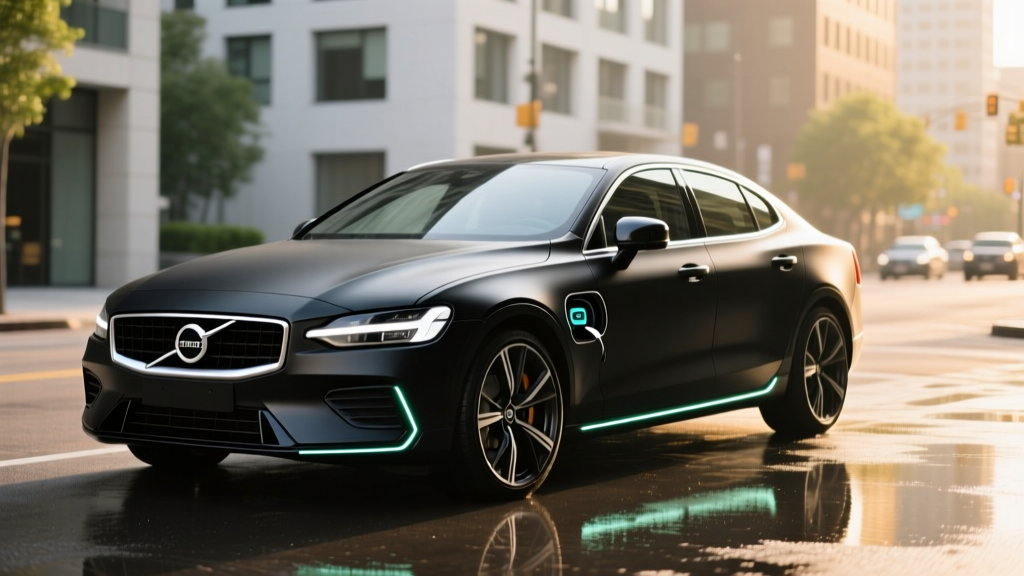
The 2018 Volvo V60 Polestar occupies a unique place in Volvo's electrification timeline. Officially badged as the V60 Polestar Engineered variant (a plug-in hybrid performance wagon), it combined a turbocharged and supercharged 2.0-liter four-cylinder with an 87-hp electric motor on the rear axle, producing a combined 367 horsepower and all-wheel drive. While Volvo has since evolved the Polestar brand into a standalone EV maker (Polestar 2, Polestar 3), the 2018 V60 Polestar remains a compelling used PHEV wagon for enthusiasts who want electric-only commuting with gas-powered road-trip range.
This review evaluates the 2018 V60 Polestar from a 2026 used-market perspective—assessing its real-world electric range, charging practicality, battery longevity, and value against modern PHEV and EV competitors.
Powertrain, Battery, and Electric Range
The 2018 V60 Polestar pairs a 2.0L turbocharged and supercharged inline-four (316 hp from the engine alone) with an 87-hp (65 kW) electric motor integrated into the rear axle. Total system output is 367 horsepower and 350 lb-ft of torque, routed through an 8-speed automatic transmission to all four wheels.
| Spec | Value |
|---|---|
| Powertrain | 2.0L turbo+super I4 + rear electric motor (PHEV) |
| Combined Output | 367 hp / 350 lb-ft |
| Battery Capacity | 11.2 kWh total (~8.0 kWh usable), NMC lithium-ion |
| EPA Electric-Only Range | Not separately EPA-rated (pre-2019 EPA PHEV testing protocol) |
| Estimated Electric-Only Range | ~17–20 miles (real-world) |
| MPGe (combined electric+gas) | Not published for this specific variant |
| MPG (gas-only, combined) | ~28 MPG combined (estimate based on T8 AWD) |
| Drivetrain | AWD (engine drives front, motor drives rear) |
| 0–60 mph | ~4.5 seconds |
| Cargo Volume | 28.0 cu ft (behind rear seats) / 50.9 cu ft (seats folded) |
| Rear Legroom | 35.2 inches |
The battery uses NMC (nickel manganese cobalt) chemistry, standard for Volvo's PHEV lineup of this era. NMC offers higher energy density than LFP but is more sensitive to sustained high states of charge. For long-term battery health, Volvo's onboard management system maintains a buffer, but owners should avoid routinely leaving the car at 100% SoC overnight.
Charging: What to Expect at Home and in Public
The 2018 V60 Polestar supports Level 2 AC charging only—it does not have DC fast-charging capability, which is typical for PHEVs of this generation with smaller batteries.
| Level | Power | Time (0–100%) | Miles of EV Range Added/Hour |
|---|---|---|---|
| Level 1 (120V household) | ~1.4 kW | ~6–7 hours | ~3–4 miles/hr |
| Level 2 (240V, 16A) | ~3.7 kW | ~2.5–3 hours | ~7–8 miles/hr |
| Level 2 (240V, 32A home charger) | ~3.7 kW (car-limited) | ~2.5–3 hours | ~7–8 miles/hr |
| DC Fast Charge | Not supported | ||
The onboard charger is limited to approximately 3.7 kW, meaning even a 48-amp Level 2 home charger won't speed things up—the car caps the intake. A full charge from empty takes about 2.5 to 3 hours on a standard 240V Level 2 circuit.
Home charging setup: Most owners use a standard 240V Level 2 wallbox (such as a ChargePoint Home Flex or Emporia Vue). Installation typically costs $500–$1,500 depending on panel proximity and local electrician rates, per U.S. Department of Energy guidance. No panel upgrade is usually needed for a 3.7 kW draw.
Performance and Driving Dynamics
The V60 Polestar was engineered by Polestar (then Volvo's performance arm, before spinning off as a standalone brand) with a focus on sharp handling and straight-line speed. The 0–60 mph time of approximately 4.5 seconds is brisk for a wagon, and the instant torque from the rear electric motor fills in the low-end gap before the turbo spools.
The Öhlins dual-flow dampers (manually adjustable) and Brembo front brakes with gold calipers are signature Polestar touches. Ride quality is firm but controlled—this is a driver's wagon, not a comfort cruiser. The electric motor's contribution is most noticeable in "Pure" mode, where the car runs on the rear motor alone for silent, emission-free city driving up to about 75 mph.
Driving modes include Pure (EV-only), Hybrid (default blended), Power (maximum combined output), and Off-Road (low-speed AWD lock). The AWD system is an "e-AWD" setup with no mechanical connection between front and rear axles—the engine drives the front wheels, and the electric motor drives the rears.
Interior, Tech, and Practicality
Inside, the 2018 V60 Polestar uses Volvo's Sensus infotainment system with a 9-inch vertical touchscreen. It supports Apple CarPlay and Android Auto (wired), navigation, and a 14-speaker Harman Kardon audio system. The interface is functional but dated by 2026 standards—response times lag behind modern systems, and the menu structure requires more taps than competitors.
Driver assistance features include Volvo's Pilot Assist (SAE Level 2 adaptive cruise with lane-centering), forward collision warning with automatic emergency braking, blind-spot monitoring, and rear cross-traffic alert. Pilot Assist works well on highways but requires hands on the wheel and does not support hands-free operation like Ford BlueCruise or GM Super Cruise.
Practicality highlights:
- Cargo: 28.0 cu ft behind the rear seats (50.9 cu ft with seats folded)—competitive with compact SUVs
- Rear legroom: 35.2 inches—adequate for adults on shorter trips
- Roof rails: Included, rated for Volvo's standard crossbar accessories
- Towing: Not officially rated for towing in the U.S. market
Pricing, Tax Credits, and Used-Market Value
The 2018 V60 Polestar had an original MSRP of approximately $62,000–$65,000 depending on options. On the 2026 used market, expect to pay $28,000–$38,000 depending on mileage, condition, and battery health.
| Item | Amount |
|---|---|
| Original MSRP (2018) | ~$62,000–$65,000 |
| Used Market Price (2026) | ~$28,000–$38,000 |
| Federal §30D New EV Credit | Not applicable (vehicle no longer sold new) |
| Federal Used EV Credit (§25E) | Up to $4,000 (30% of sale price, max $4,000) if purchased from a dealer, buyer income ≤$75K single/$150K joint, sale price ≤$25,000 |
Tax credit reality check: The IRS §25E used clean vehicle credit offers up to $4,000 (30% of the sale price, capped at $4,000) for qualifying used PHEVs and EVs. However, the vehicle's sale price must be $25,000 or less to qualify. Given the V60 Polestar's used-market pricing of $28,000–$38,000, most examples will not qualify for this credit. If you find a higher-mileage example at or below $25,000, verify battery health carefully and confirm eligibility with a tax professional. Income caps apply: $75,000 single / $150,000 joint filers.
Pros and Cons
Pros
- 367 hp and 4.5-sec 0–60 in a practical wagon body
- Öhlins dampers and Brembo brakes as standard
- 17–20 miles EV-only covers many commutes
- AWD with no range penalty from mechanical drag
- Strong build quality and safety reputation
- 28 cu ft cargo rivals compact SUVs
Cons
- Only ~17–20 miles electric range (modest by 2026 standards)
- No DC fast charging
- Onboard charger limited to 3.7 kW
- Firm ride may not suit all buyers
- Dated Sensus infotainment system
- Used price often exceeds $25K §25E credit cap
- NMC battery degradation risk at high mileage
Battery Longevity and Warranty
Volvo's original hybrid battery warranty was 8 years / 100,000 miles (whichever comes first), covering defects and capacity loss below a defined threshold (typically 70% of original capacity). For a 2018 model, this warranty is expiring or has expired by 2026 unless the vehicle has unusually low mileage.
NMC batteries from this era typically show 10–15% degradation after 8 years of normal use, depending on charging habits and climate. Owners who frequently charged to 100% and left the car in hot climates may see more. A replacement hybrid battery pack from Volvo costs approximately $8,000–$12,000 including labor, though third-party refurbishment options may reduce this. Always request a battery health report (state of health / SoH) before purchasing a used example.
Who Should Buy the 2018 V60 Polestar?
Look elsewhere if: You want long electric-only range (consider a newer PHEV like the Toyota RAV4 Prime at 42 mi or the Hyundai Tucson PHEV at 33 mi), DC fast charging, or a fully electric vehicle. If you lack home charging, the V60 Polestar's small battery makes public Level 2 stops impractical for daily EV driving.
Frequently Asked Questions
What is the real-world electric range of the 2018 V60 Polestar?
Expect 17–20 miles in mild city driving, 12–15 miles on the highway, and 10–13 miles in cold weather (below 32°F). The usable battery capacity is approximately 8.0 kWh.
How fast does it charge?
The onboard charger is capped at 3.7 kW AC. A full charge on a 240V Level 2 station takes about 2.5–3 hours. There is no DC fast-charging capability. On a standard 120V outlet, expect 6–7 hours for a full charge.
Does the 2018 V60 Polestar qualify for any federal tax credit?
It is not eligible for the new-vehicle §30D credit (no longer sold new). The §25E used clean vehicle credit offers up to $4,000, but only if the dealer sale price is $25,000 or less and the buyer meets income caps ($75K single / $150K joint). Most examples exceed this price threshold. Consult a tax professional and IRS guidelines before relying on this credit.
Is it worth buying vs. a modern PHEV or EV?
If you prioritize driving dynamics, wagon practicality, and can find one under $35,000 with good battery health, it's a compelling enthusiast choice. For pure efficiency or longer EV range, newer PHEVs (RAV4 Prime, Sportage PHEV) or affordable EVs (Chevy Equinox EV, Hyundai Ioniq 5) offer more electric miles and modern tech. Check fueleconomy.gov for side-by-side efficiency comparisons.
How long will the hybrid battery last?
NMC batteries from this era typically retain 85–90% capacity after 8 years with normal use. The original 8-year/100,000-mile warranty is likely expired. Budget $8,000–$12,000 for a potential replacement if buying a high-mileage example, though many units last well beyond 100,000 miles with proper care (avoiding sustained 100% SoC and extreme heat).
What maintenance does the V60 Polestar require?
As a PHEV, it requires standard ICE maintenance (oil changes, spark plugs, transmission fluid) in addition to EV-specific checks (battery coolant, electric motor inspection). The regenerative braking system reduces brake wear, but the Öhlins dampers may need rebuilds at higher mileage (typically $1,500–$2,500 per axle).