The 2017 Nissan Leaf: A Used-EV Bargain With Caveats
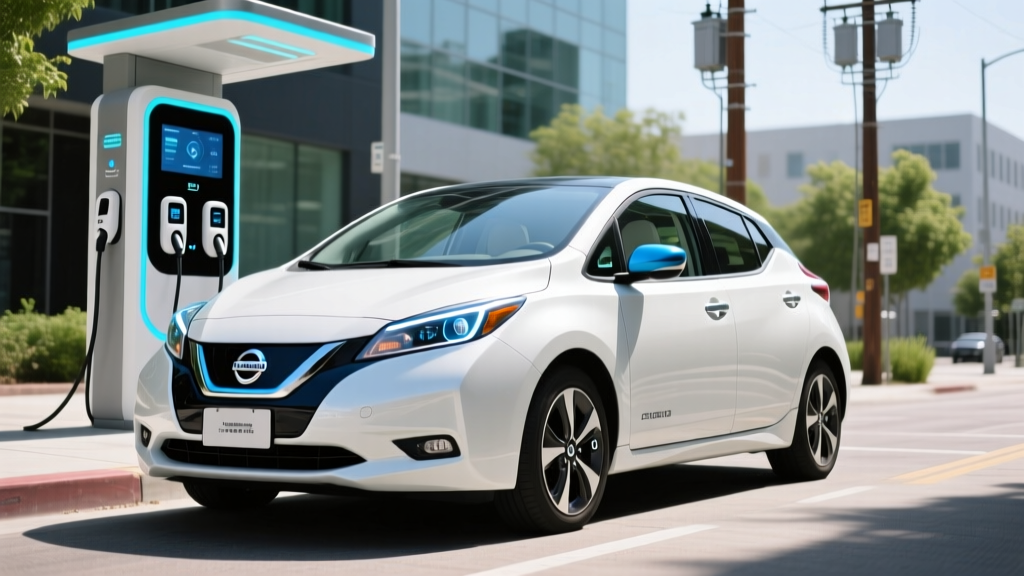
If you're browsing used EV listings under $10,000, the 2017 Nissan Leaf appears everywhere. As the final model year of the first-generation Leaf, it offers 107 miles of EPA-estimated range from a 30 kWh battery, a comfortable ride, and rock-bottom operating costs. But nearly a decade after it rolled off the assembly line, the 2017 Leaf demands scrutiny: battery degradation, the CHAdeMO charging connector's declining infrastructure, and its limited highway practicality all factor into whether this pioneer is still a smart buy in 2026.
This review covers every number that matters — real-world range, charging speeds, battery health, and total ownership cost — so you can evaluate a used 2017 Leaf with confidence.
Range, Battery, and Efficiency
The 2017 Nissan Leaf is powered by a 30 kWh lithium-ion battery pack using NMC (nickel manganese cobalt) chemistry. Of that 30 kWh total, approximately 28 kWh is usable — Nissan reserves a small buffer top and bottom to protect long-term cell health. The EPA rates the 2017 Leaf at 107 miles of combined range, with an efficiency rating of 112 MPGe combined (roughly 30 kWh per 100 miles).
EPA estimate: 107 miles combined.
Real-world expectation: 85–95 miles on the highway at 70 mph; 95–110 miles in mixed city driving. In freezing temperatures (below 32°F), expect 65–80 miles due to cabin heating demands and reduced battery chemistry efficiency. The 2017 Leaf has no active thermal management — the battery is air-cooled — which amplifies cold-weather losses and accelerates degradation in hot climates.
That lack of liquid thermal management is the defining engineering limitation of the first-generation Leaf. Batteries in Arizona or Texas will show more capacity loss than those in Oregon or Minnesota. When evaluating a used 2017 Leaf, always check the battery health bars on the dashboard (the 12-segment display near the state-of-charge gauge) and, if possible, pull a Leaf Spy OBD-II reading to see the actual state of health (SoH) percentage.
| Spec | Value |
|---|---|
| EPA Range | 107 miles |
| Battery (total / usable) | 30 kWh / ~28 kWh |
| Chemistry | NMC (nickel manganese cobalt) |
| Thermal Management | Passive air-cooled |
| MPGe (city / hwy / combined) | 125 / 97 / 112 |
| Energy Consumption | 30 kWh / 100 mi |
| Motor Output | 80 kW (107 hp) / 187 lb-ft torque |
| 0–60 mph | ~9.9 seconds |
| Drivetrain | FWD (front-wheel drive) |
| Cargo Volume | 24.0 cu ft (rear seats up) / 30.0 cu ft (folded) |
| Rear Legroom | 33.5 inches |
| Curb Weight | ~3,256 lbs |
Charging: DC Fast, Level 2, and the CHAdeMO Problem
The 2017 Leaf charges via three methods, but its DC fast-charging standard — CHAdeMO — is the single biggest ownership concern in 2026.
| Level | Connector | Max Power | Speed / Time |
|---|---|---|---|
| Level 1 (120V) | J1772 | 1.4 kW | ~4–5 miles per hour |
| Level 2 (240V) | J1772 | 6.6 kW | ~22 miles per hour; full charge in ~5 hours |
| DC Fast | CHAdeMO | 50 kW (peak) | 0–80% in ~30 minutes; tapers sharply above 80% |
The 6.6 kW onboard charger (standard on SV and SL trims; base S trim has a 3.3 kW charger) is perfectly adequate for overnight home charging. Plug in at 10 PM and you'll wake up to a full battery every morning. Home Level 2 installation typically costs $500–$1,500 for the circuit and outlet if your electrical panel has capacity.
The real issue is DC fast charging. CHAdeMO, once the dominant non-Tesla fast-charge standard alongside CCS, has been effectively abandoned in North America. Electrify America, the largest US DC fast-charge network, ceased supporting CHAdeMO on new stations years ago. As of 2026, finding a functioning public CHAdeMO charger requires apps like PlugShare and a willingness to hunt — many remaining stations are at Nissan dealerships or legacy installations that may be poorly maintained.
Even when you find a CHAdeMO station, the 50 kW peak rate means a 10–80% session takes roughly 30 minutes under ideal conditions. In practice, the charge curve tapers significantly above 60% state of charge, and without active thermal management, consecutive fast-charge sessions in warm weather trigger "Rapidgate" — the car's battery management system throttles charging speed to protect the cells, sometimes dropping to under 20 kW.
Performance, Ride, and Daily Usability
The 2017 Leaf's 80 kW (107 horsepower) AC synchronous electric motor delivers 187 lb-ft of torque to the front wheels. The 0–60 mph time of roughly 9.9 seconds is leisurely by modern EV standards — a 2026 Hyundai Ioniq 5 does it in under 5 seconds — but the instant torque makes the Leaf feel responsive in city traffic and perfectly adequate for merging.
Where the Leaf genuinely shines is ride comfort. The soft suspension tuning, low center of gravity from the under-floor battery, and well-bolstered seats make it a genuinely pleasant commuter. Visibility is excellent, the turning radius is tight, and at low speeds the cabin is whisper-quiet.
Cargo space measures 24.0 cubic feet behind the rear seats, expanding to 30.0 cubic feet with the 60/40 split rear seats folded. That's competitive with compact hatchbacks and sufficient for weekly groceries, a couple of suitcases, or a folded stroller. Rear legroom of 33.5 inches is adequate for adults on shorter trips.
Technology is where the 2017 Leaf shows its age. The 5-inch touchscreen (7-inch on SL trim) runs Nissan's older infotainment system with basic Bluetooth, a backup camera, and available navigation. There is no Apple CarPlay or Android Auto — a notable omission for a 2017 vehicle. Driver-assistance features include a standard rearview camera, with available blind-spot monitoring and rear cross-traffic alert on higher trims. There is no adaptive cruise control, lane-keeping assist, or any Level 2 driver-assistance system. This is an SAE Level 0/1 vehicle — you are driving it at all times.
Used Pricing and Tax Credit Reality
When new, the 2017 Leaf started at an MSRP of $30,680 (S trim), rising to roughly $36,780 for a loaded SL. In 2026's used market, you'll typically find examples between $6,000 and $11,000, depending on mileage, condition, and crucially, battery state of health.
Here's the critical tax-credit question: the 2017 Nissan Leaf does NOT qualify for the new-vehicle §30D federal tax credit if purchased used in 2026, because it was originally sold long ago and the credit is claimed only once at the initial retail sale. However, you may qualify for the Used Clean Vehicle Credit (§25E), which offers up to $4,000 (30% of the sale price, capped at $4,000) if all conditions are met.
| Item | Estimated Cost |
|---|---|
| Used Purchase Price (average) | $7,500–$10,000 |
| §25E Used EV Credit (30% of price, max $4,000) | –$2,250 to –$3,000 |
| Home Level 2 Charger + Install | $800–$1,500 |
| Effective Net Cost (after credit) | ~$5,300–$8,250 |
| Estimated Annual Electricity Cost (10,000 mi) | ~$390 (at $0.13/kWh) |
To claim the §25E used-EV credit, the IRS requires:
- The vehicle must be at least 2 model years old (the 2017 Leaf qualifies).
- Sale price must be $25,000 or less.
- Buyer income must not exceed $75,000 (single), $112,500 (head of household), or $150,000 (joint).
- The credit is 30% of the sale price, capped at $4,000.
- You can only claim this credit once every 3 years per buyer.
- The vehicle must be purchased from a licensed dealer (private-party sales do not qualify).
Always verify current rules at IRS.gov §25E and consult a tax professional, as incentive rules are subject to legislative changes.
Battery Degradation and Warranty Status
Nissan warranted the 2017 Leaf's battery for 8 years or 100,000 miles against capacity loss below 9 bars (out of 12) on the dashboard health display. For most 2017 Leafs, that warranty window closed in 2025. You are now buying this vehicle with zero remaining factory battery warranty unless an extended warranty was purchased and is transferable.
Real-world degradation data from Leaf communities shows that a 2017 Leaf with 60,000–80,000 miles in a temperate climate typically retains 80–88% of its original capacity — meaning roughly 85–95 miles of real-world range. In hot climates (Phoenix, Houston, Los Angeles), degradation can be more severe, with some examples dropping to 70–75% SoH, yielding only 70–80 miles of usable range.
A battery replacement for a first-generation Leaf costs approximately $6,500–$9,000 at a Nissan dealer, which can exceed the vehicle's value. Third-party refurbishment shops offer cell-module replacements for $2,500–$4,500, but availability varies by region. Factor this risk into your purchase decision: a Leaf with 10/12 health bars is a far safer buy than one showing 9 or fewer.
Pros, Cons, and Who Should Buy
- Very low purchase price ($6K–$11K used)
- Extremely low operating cost (~$0.04/mile on electricity)
- Comfortable, quiet commuter ride
- Reliable drivetrain with minimal maintenance
- Good cargo space for a compact hatchback
- Eligible for up to $4,000 used-EV tax credit
- CHAdeMO fast-charging standard is nearly dead in the US
- No active battery thermal management (accelerates degradation)
- Range too low for road trips or cold climates
- No Apple CarPlay or Android Auto
- Battery warranty likely expired
- 50 kW DC fast charge is slow by 2026 standards
Best for: Budget-conscious commuters with home Level 2 charging, driving under 40 miles round-trip in mild climates. Ideal as a second car for errands and school runs. Also a strong candidate for delivery drivers in urban areas where daily mileage is predictable and overnight charging is guaranteed.
Not for: Anyone without home charging access, drivers in extreme heat or cold, road-trip enthusiasts, or anyone who needs DC fast-charging reliability. If you regularly drive more than 60 miles per day or need highway flexibility, look at a used Chevrolet Bolt EV (238-mile range, CCS connector) or a second-generation Leaf (150–226 miles, still CHAdeMO but more range buffer).
Frequently Asked Questions
What is the real-world range of the 2017 Nissan Leaf?
The EPA rates it at 107 miles combined, but expect 85–95 miles on the highway and 65–80 miles in freezing weather. Battery degradation on a used example will further reduce range — always check the health-bar display or a Leaf Spy reading before buying.
How fast does the 2017 Leaf charge?
On a Level 2 home charger (240V, 6.6 kW), a full charge takes about 5 hours, adding roughly 22 miles of range per hour. On a CHAdeMO DC fast charger, 0–80% takes approximately 30 minutes at the 50 kW peak rate, but charging tapers heavily above 60% and can slow further in warm weather due to the passive air-cooling system.
Does the 2017 Nissan Leaf qualify for any federal tax credit?
Not the new-vehicle §30D credit. However, the §25E Used Clean Vehicle Credit offers up to $4,000 (30% of sale price) if you buy from a dealer for under $25,000 and your income falls below IRS caps ($75K single / $150K joint). Verify rules at IRS.gov and consult a tax professional.
Is the 2017 Leaf worth buying vs. competitors?
Against a used Chevrolet Bolt EV (238-mile EPA range, CCS charging, active thermal management), the 2017 Leaf falls short on range, charging infrastructure, and battery longevity. The Bolt typically costs $2,000–$4,000 more used but delivers far more daily flexibility. The 2017 Leaf's advantage is pure price — it's one of the cheapest ways to get into an EV if your commute is short and predictable.
What should I check before buying a used 2017 Leaf?
Prioritize: (1) Battery health bars on the dash — aim for 11 or 12 out of 12. (2) OBD-II scan via Leaf Spy for exact SoH percentage. (3) Service history showing any battery warranty claims. (4) Whether the CHAdeMO port has been used regularly (dormant connectors can corrode). (5) Climate history — Leafs from hot states degrade faster. See fueleconomy.gov for original EPA ratings to compare against current performance.