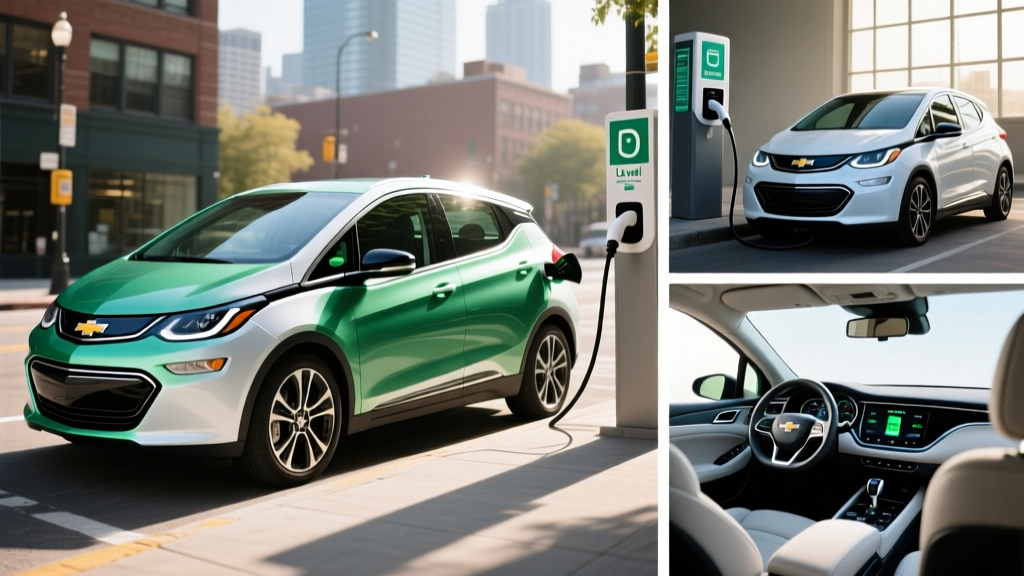
The 2017 Chevrolet Bolt EV was a watershed moment for affordable electric vehicles. When it launched, no mainstream EV outside of Tesla offered anywhere near its 238-mile EPA range at a sub-$37,000 price point. Today, as a used EV prospect in 2026, the original Bolt EV remains a compelling commuter hatchback — but its aging DC fast-charging hardware and discontinued status demand an honest look before you sign the paperwork.
This review covers the 2017 model year specifically. Chevrolet refreshed the Bolt EV for 2022 with slightly more range and updated styling, and the model was ultimately discontinued after the 2023 model year to make way for the Equinox EV. If you're shopping the used market for a 2017 Chevy Bolt, here's every number you need.
2017 Chevy Bolt EV: Core Specifications
| Specification | 2017 Chevy Bolt EV |
|---|---|
| EPA Range | 238 miles |
| Battery Capacity (Usable) | 60 kWh (NMC lithium-ion) |
| Motor Output | 200 hp / 266 lb-ft torque |
| Drivetrain | FWD (single front motor) |
| 0–60 mph | 6.5 seconds |
| EPA Efficiency | 119 MPGe combined (28 kWh/100 mi) |
| Max DC Fast Charge | 50 kW (CCS1) |
| Level 2 Charge Rate | 7.2 kW (25 miles/hr) |
| Cargo Volume (rear seats up / down) | 16.9 / 56.6 cu ft |
| Rear Legroom | 36.5 inches |
| Battery Warranty (Original) | 8 years / 100,000 miles |
| Original Base MSRP | $36,620 (LT) / $43,520 (Premier) |
Range and Efficiency: EPA vs. Real World
Real-World Expectation: 200–220 miles on mixed highway/city driving at 70 mph; 160–180 miles in sustained cold weather (below 32°F) with cabin heat active.
The Bolt EV's 60 kWh NMC (nickel-manganese-cobalt) battery pack delivered class-leading range in 2017, beating the original Nissan Leaf's 107 miles and even the first-gen BMW i3's 114 miles by a wide margin. According to fueleconomy.gov, the 2017 Bolt achieves 119 MPGe combined, which translates to roughly 28 kWh per 100 miles — an efficient figure even by 2026 standards.
In real-world driving, range varies meaningfully. On suburban commutes at 35–50 mph with moderate climate control, owners routinely report hitting or slightly exceeding the 238-mile sticker. Highway driving at 75 mph, however, drops usable range to roughly 200–210 miles due to aerodynamic drag. The Bolt EV's thermal management system is liquid-cooled, which helps in extreme heat, but cold-weather range loss is significant — expect a 25–35% reduction in freezing temperatures, especially on short trips where the cabin heater cycles frequently. The 2017 model does not include a heat pump; it uses resistive heating, which draws substantially more energy.
One owner-relevant detail: the Bolt EV's battery management system reserves a buffer at the top and bottom of the pack, so the usable capacity is closer to 57–58 kWh even though the gross capacity is 60 kWh. This buffer protects long-term battery health but means you'll never use every electron.
Charging Speed: DC Fast and Home Level 2
| Charging Level | Power | Speed / Time |
|---|---|---|
| Level 1 (120V household outlet) | ~1.2 kW | ~4 miles per hour |
| Level 2 (240V home/public) | 7.2 kW | ~25 miles per hour; full charge in ~9.5 hours |
| DC Fast Charge (CCS1) | 50 kW peak | ~90 miles in 30 minutes; 10–80% in roughly 70 minutes |
This is where the 2017 Bolt EV shows its age most clearly. The 50 kW DC fast-charging cap was acceptable in 2017, but modern EVs routinely accept 150–250 kW — some exceeding 300 kW. At 50 kW peak, the Bolt EV adds about 3 miles of range per minute at the start of a session, tapering noticeably above 80% state of charge (SoC). A 10–80% session takes approximately 70 minutes on a functioning 50 kW CCS1 station.
The charge curve is relatively flat between 10% and 60% SoC, holding near 45–50 kW, then tapering to roughly 30 kW through 80%, and dropping further to under 15 kW above 90%. This taper is normal for NMC chemistry but means you'll spend a disproportionate amount of time at the tail end of a charge. Road-tripping in the 2017 Bolt is feasible but requires planning around 30–40 minute stops every 150–180 miles.
For home charging, the 7.2 kW onboard charger is a strength. On a Level 2 home station (240V, 32A circuit), you'll recover a full battery overnight in about 9.5 hours — more than adequate for daily commuting. The Bolt uses a standard J1772 connector for Level 2 and CCS1 for DC fast charging. If you're installing a home Level 2 charger, budget $500–$1,500 for the unit and professional installation, depending on your electrical panel's capacity and proximity to the parking spot.
Performance and Driving Experience
The Bolt EV's single front-mounted motor produces 200 horsepower and 266 lb-ft of torque, routed to the front wheels. The 0–60 mph sprint takes 6.5 seconds — genuinely quick for a compact hatchback and peppy enough for confident highway merging. Instant electric torque makes the Bolt feel faster than the numbers suggest around town, and the low center of gravity (battery pack mounted under the floor) gives it surprisingly composed handling for an economy car.
Regenerative braking is adjustable via a steering-wheel paddle and a selectable "L" (low) mode on the shift lever. In L mode with the paddle engaged, the Bolt approaches one-pedal driving — lifting off the accelerator slows the car substantially, often eliminating the need for the friction brakes in stop-and-go traffic. This regen system is one of the Bolt's most praised features among EV-commuter owners.
Ride quality is firm but compliant. Road noise is noticeable at highway speeds — a common trait in compact hatchbacks of this era. The steering is light and precise, though not particularly communicative. Overall, the Bolt EV drives like a well-sorted hot hatch that happens to be electric, which is high praise for its intended commuter role.
Interior, Technology, and Cargo
The 2017 Bolt EV's cabin is practical rather than luxurious. Hard plastics dominate the dashboard and door panels, but build quality is solid and the layout is intuitive. Two trims were offered: LT (base) and Premier (upgraded).
Infotainment: Both trims feature a 10.2-inch touchscreen running Chevrolet's MyLink system with Apple CarPlay and Android Auto. The interface is responsive, with physical shortcut buttons for volume and tuning. A 4G LTE Wi-Fi hotspot was standard. The instrument cluster is an 8-inch configurable display showing range, energy flow, and driving data.
Driver Assistance: The Premier trim offered a Driver Confidence II package including forward collision alert, automatic emergency braking, lane keep assist, lane departure warning, and rear cross-traffic alert. These are SAE Level 0–1 systems — basic alerts and interventions, not adaptive cruise or lane-centering. The 2017 Bolt does not offer Super Cruise or any form of semi-automated highway driving.
Cargo and Passenger Space: With 16.9 cubic feet behind the rear seats and 56.6 cubic feet with them folded, the Bolt offers legitimate hatchback utility — enough for a week's groceries or a couple of suitcases. Rear legroom is 36.5 inches, adequate for adults on shorter trips, though the seat cushion sits low due to the battery pack beneath the floor, creating a somewhat knees-up seating position in back.
Pricing, Trims, and Tax Credit Eligibility
The 2017 Bolt EV launched at $36,620 for the LT trim and $43,520 for the Premier (before destination). By 2026 used-market standards, expect to pay between $10,000 and $16,000 depending on mileage, condition, and battery health — a significant depreciation from new, which is good news for used buyers but painful for original owners.
| Cost Factor | Details |
|---|---|
| Original MSRP (LT / Premier) | $36,620 / $43,520 |
| Typical 2026 Used Price | $10,000 – $16,000 |
| Federal Used EV Tax Credit (§25E) | Up to $4,000 (30% of sale price, capped) |
| Credit-Adjusted Price (Example) | ~$6,000 – $12,000 after credit |
Tax Credit Details: The 2017 Bolt EV does not qualify for the new-vehicle §30D federal tax credit (the vehicle is discontinued and the credit applies to new purchases). However, it can qualify for the §25E Previously Owned Clean Vehicle Credit, which offers up to $4,000 or 30% of the sale price (whichever is lower). Per IRS guidelines, eligibility requires:
- Sale price of $25,000 or less
- Buyer income below $75,000 (single) / $150,000 (married filing jointly) / $112,500 (head of household)
- Vehicle must be at least 2 model years old (2017 qualifies in 2026)
- Purchased from a licensed dealer (private-party sales do not qualify)
- Vehicle must have a battery capacity of at least 7 kWh (Bolt's 60 kWh qualifies)
- Credit can only be claimed once per VIN — verify the previous owner did not claim a used-vehicle credit on this specific car
The §25E credit is non-refundable, meaning it can only reduce your tax liability to zero — it won't generate a refund beyond what you owe. Consult a tax professional to confirm your eligibility before relying on this credit in your purchase decision.
Battery Health, Warranty, and Longevity
The 2017 Bolt EV's 60 kWh NMC battery pack carries an original warranty of 8 years or 100,000 miles (whichever comes first) against defects and capacity loss below 60% of original capacity. For a 2017 model, this factory warranty expired in 2025 at the latest — meaning any 2017 Bolt you buy today is out of battery warranty unless an extended or certified-pre-owned warranty applies.
NMC batteries in the Bolt have demonstrated reasonable longevity. Data from owner forums and fleet usage suggests typical degradation of 8–12% over the first 100,000 miles, leaving most Bolts with roughly 210–215 miles of range at that mileage mark. Cold weather and frequent DC fast charging accelerate degradation slightly, but the liquid-cooled thermal system provides better longevity protection than passively cooled packs (like the early Nissan Leaf).
Critical recall note: In 2021–2022, GM issued a major recall for 2017–2019 Bolt EVs due to fire risk from defective battery cells manufactured by LG. Affected vehicles received replacement battery modules, and many 2017 Bolts on the used market today have newer replacement packs — which is actually a benefit. Always verify with the seller (and a GM dealer via VIN lookup) whether the recall repair was completed. A Bolt with a post-recall replacement battery may have better health than its original pack would suggest.
Pros and Cons
Pros
- 238-mile EPA range remains practical for commuting and errands
- Strong 7.2 kW Level 2 charging — full overnight recovery
- Peppy 200 hp / 266 lb-ft with responsive one-pedal regen
- Hatchback utility: 56.6 cu ft cargo with seats folded
- Used prices as low as $10,000; up to $4,000 §25E credit available
- Apple CarPlay / Android Auto standard on all trims
- Liquid-cooled battery for better thermal management
Cons
- 50 kW DC fast charging is slow by 2026 standards — 70 min for 10–80%
- No heat pump — significant range loss in cold weather
- Factory battery warranty has expired on all 2017 models
- LG battery fire recall — must verify repair completion
- CCS1 connector — limited on networks transitioning to NACS
- Interior materials are budget-grade; road noise is prominent
- No adaptive cruise control or lane-centering available
- Single-motor FWD only — no AWD option
Who Should Buy the 2017 Chevy Bolt EV?
Buy the 2017 Bolt EV if: You need an affordable daily commuter with real-world range of 200+ miles, have access to Level 2 home charging, rarely take road trips over 150 miles, and want hatchback cargo flexibility at a sub-$16,000 price point (potentially sub-$12,000 after the §25E credit).
Look elsewhere if: You need fast road-trip charging (consider a used Hyundai Ioniq 5 or Tesla Model 3), drive in extreme cold regularly (the Bolt's resistive heater is inefficient), want modern ADAS features like adaptive cruise, or need AWD for snow-belt winters.
The 2017 Bolt EV is an outstanding used-EV value for a specific buyer: the home-charging commuter who prioritizes low purchase price and solid range over fast-charging speed and premium features. It's not a road-trip champion, and its 50 kW charging ceiling means you'll plan longer stops on highway drives. But for daily driving within a 100-mile radius, it remains one of the most practical and affordable EVs on the used market.
Frequently Asked Questions
What is the real-world range of the 2017 Chevy Bolt EV?
The EPA rates the 2017 Bolt EV at 238 miles. In real-world mixed driving, expect 200–220 miles at highway speeds and 160–180 miles in freezing temperatures. City commuting at lower speeds can yield results close to or slightly above the EPA figure.
How fast does the 2017 Bolt charge?
On DC fast charging, the Bolt peaks at 50 kW, adding roughly 90 miles in 30 minutes and taking about 70 minutes for a 10–80% charge. On a Level 2 home charger (7.2 kW), it adds about 25 miles per hour and fully charges in approximately 9.5 hours.
Does the 2017 Chevy Bolt qualify for any federal tax credit?
Not the new-vehicle §30D credit. However, it can qualify for the §25E Previously Owned Clean Vehicle Credit — up to $4,000 or 30% of the sale price — if purchased from a dealer for $25,000 or less and the buyer meets income requirements. See IRS §25E guidelines for full details.
Is the 2017 Bolt EV worth buying in 2026?
For a budget-conscious commuter with home charging, yes — it offers 238 miles of EPA range, practical cargo space, and peppy performance for $10,000–$16,000 (before credits). Its main weakness is slow 50 kW DC charging, which limits road-trip convenience. Compare against a used Tesla Model 3 (faster charging, Supercharger access) or used Hyundai Kona Electric (similar range, newer design) depending on your priorities.
What about the Bolt EV battery fire recall?
GM recalled 2017–2019 Bolt EVs due to a manufacturing defect in LG-supplied battery cells that posed a fire risk. Affected vehicles received replacement battery modules. Before purchasing any 2017 Bolt, verify the recall repair was completed by checking the VIN at NHTSA's recall lookup or through a Chevrolet dealer. Many recall-repaired Bolts now have newer, healthier battery packs.
Does the 2017 Bolt use NACS or CCS?
The 2017 Bolt EV uses CCS1 for DC fast charging and J1772 for Level 2. It does not have a NACS (Tesla) port. Adapters from CCS-to-NACS are becoming available for accessing Tesla Superchargers, but the Bolt's 50 kW charge cap means you won't benefit from the higher speeds Superchargers offer.