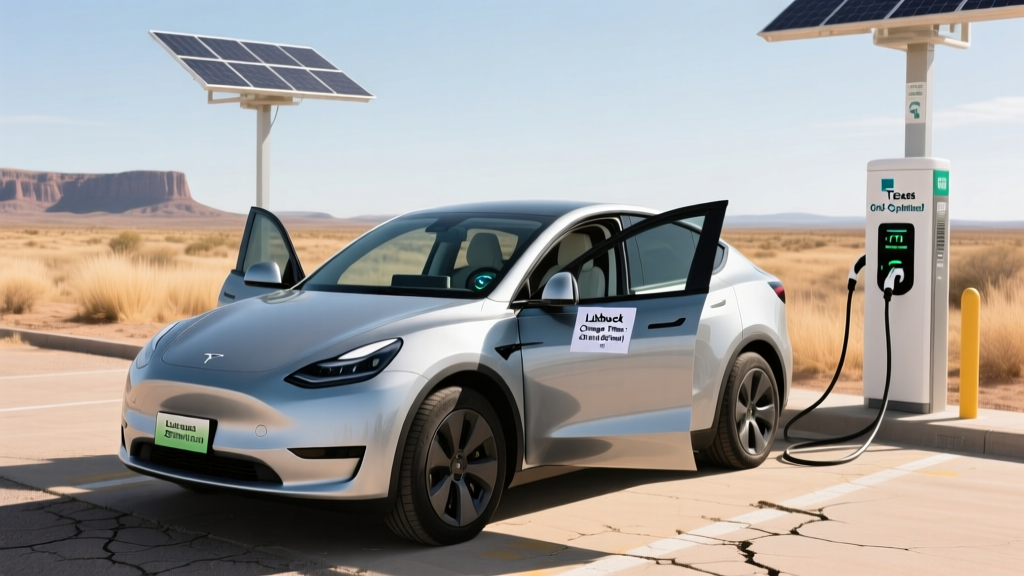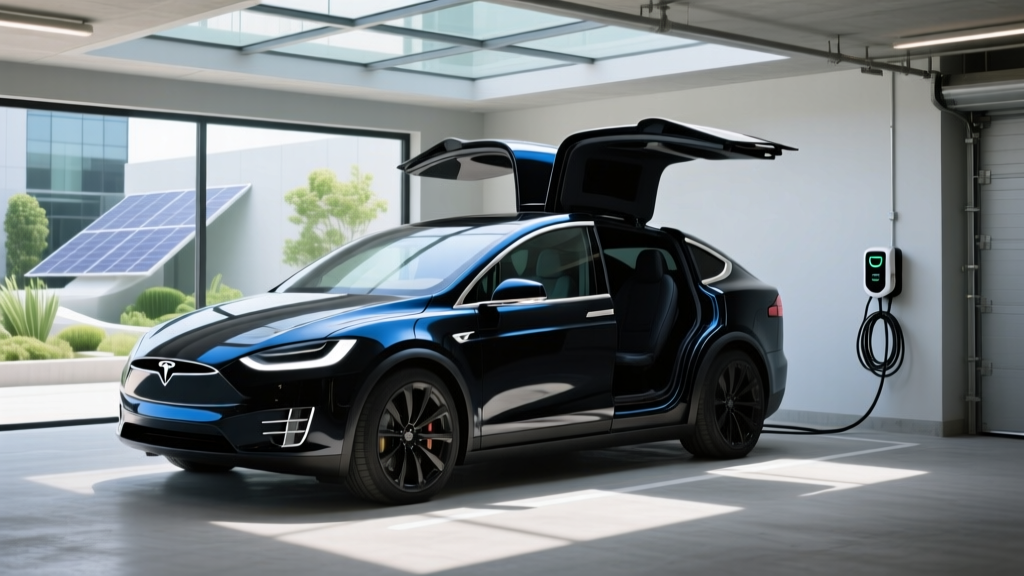
The 2016 Tesla Model X was the brand's first SUV — a falcon-wing-doored, dual-motor electric family hauler that pushed boundaries in both capability and complexity. Nearly a decade later, it has depreciated steeply, making it one of the most affordable ways into a large three-row electric SUV. But buying a used first-year Model X requires clear-eyed analysis of battery health, charging limitations, and maintenance risk.
This profile breaks down the 2016 Tesla Model X cost on the used market in 2026, its real-world range across the three original battery configurations, charging speeds, and whether this pioneering EV still holds up for families and commuters.
2016 Tesla Model X Cost on the Used Market
The 2016 Model X launched with a base MSRP starting around $83,700 (60D) and climbing past $132,000 for a fully loaded P90D with Ludicrous Mode. In 2026, used-market pricing has compressed dramatically:
| Trim / Config | Original MSRP | 2026 Used Price Range | Key Variables |
|---|---|---|---|
| 60D (60 kWh, later sw-upgradable to 75) | ~$83,700 | $16,000 – $22,000 | Software-locked; check if 75 kWh unlock was purchased |
| 75D (75 kWh usable) | ~$89,200 | $19,000 – $26,000 | Most common; best value-to-range ratio |
| 90D (90 kWh) | ~$102,200 | $23,000 – $30,000 | Higher range; watch for battery replacement history |
| P90D (Performance, 90 kWh) | ~$115,700+ | $25,000 – $34,000 | Ludicrous Mode; higher maintenance cost history |
Prices vary significantly by mileage, battery State of Health (SoH), service records, and whether the car received a replacement drive unit or battery pack under warranty. Cars with documented battery replacements often command a $3,000–$5,000 premium because the new pack resets the degradation clock.
Does the 2016 Model X Qualify for the Federal EV Tax Credit?
The used-EV federal tax credit (IRS §25E, not §30D which applies only to new vehicles) offers up to $4,000 or 30% of the sale price — whichever is lower — for qualifying pre-owned electric vehicles. At a $22,000 purchase price, 30% equals $6,600, but the credit caps at $4,000.
- Vehicle price cap: Sale price must be $25,000 or less (most 2016 Model X units qualify)
- Vehicle age: Must be at least two model years old (2016 easily qualifies)
- Buyer income limits: AGI ≤ $75,000 (single), ≤ $112,500 (head of household), ≤ $150,000 (joint)
- Dealer requirement: Must be purchased from a licensed dealer, not private party
- First-time transfer: The vehicle must not have been transferred to a qualified buyer after Aug. 16, 2022 (check vehicle history)
- Point-of-sale transfer: Credit can be applied at purchase to reduce out-of-pocket cost
Always verify current-year rules at IRS.gov §25E. Income and sourcing rules can change, and a tax professional should confirm eligibility for your situation.
Range, Battery, and Efficiency
The 2016 Model X was offered with three battery configurations, all using NMC (nickel manganese cobalt) lithium-ion chemistry. Tesla did not use LFP in the Model X during this era.
| Config | Battery (kWh usable) | Chemistry | EPA Range (original) | MPGe (combined) | kWh/100 mi |
|---|---|---|---|---|---|
| 60D | ~60 (sw-limited) | NMC | 200 mi | 92 MPGe | ~36 |
| 75D | ~75 | NMC | 237 mi | 93 MPGe | ~36 |
| 90D | ~83.5 (usable) | NMC | 257 mi | 92 MPGe | ~37 |
| P90D | ~83.5 (usable) | NMC | 250 mi | 89 MPGe | ~38 |
A 2016 Model X with the original battery pack and 80,000–120,000 miles will typically show 8–15% degradation depending on charging habits and climate exposure. Expect:
- 75D (healthy pack): ~195–215 miles real-world combined
- 90D (healthy pack): ~215–235 miles real-world combined
- Highway at 75 mph: Subtract 10–15% from combined estimates
- Cold weather (below 32°F): Subtract 20–30% — NMC chemistry loses significant range in freezing temps without consistent preconditioning
- Towing (up to 5,000 lbs rated): Range drops roughly 40–50% when towing near max capacity
The 2016 Model X is a heavy, aerodynamically challenged vehicle. Its EPA efficiency of roughly 36–38 kWh/100 mi means higher charging costs than a sedan like the Model S. On fueleconomy.gov, you can compare the exact trim's efficiency data.
Charging Speed: DC Fast and Home Level 2
Charging the 2016 Model X is where its age shows most clearly. This vehicle predates Tesla's V3 Supercharger-optimized architecture, and its charge curve is conservative by 2026 standards.
| Charging Level | Connector | Max Rate | Speed / Time |
|---|---|---|---|
| Level 1 (120V) | Tesla (NACS) | ~1.2 kW | ~3–4 miles per hour |
| Level 2 (240V, 48A) | Tesla (NACS) | ~11.5 kW | ~29–32 miles per hour; full charge ~8–9 hours |
| Level 2 (240V, dual charger option) | Tesla (NACS) | ~20 kW (if equipped) | ~50 miles per hour (rare option) |
| DC Fast Charge (Supercharger) | Tesla (NACS) | ~120–145 kW peak | 10–80% in ~40–50 minutes |
Key charging realities for buyers:
- The 2016 Model X uses the Tesla NACS connector natively — no adapter needed for Superchargers. With the 2025+ industry-wide NACS adoption, this vehicle can also use many newer third-party DC fast chargers without a CCS adapter.
- Peak DC charge rate tops out around 120–145 kW depending on battery temperature and SoC. The 90D pack typically sustains higher rates longer than the 75D.
- The charge curve tapers significantly above 60% SoC. Plan for 10–80% in roughly 40–50 minutes at a V2 or V3 Supercharger — substantially slower than a 2024+ Model X at ~250 kW peak.
- Home Level 2 charging at 11.5 kW (48A on a 60A circuit) is adequate for overnight replenishment. A standard Tesla Wall Connector works perfectly.
- Preconditioning is critical: navigate to a Supercharger using the car's built-in routing to warm the battery and unlock faster charge rates.
Performance and Drivetrain
Every 2016 Model X is all-wheel drive with dual electric motors (one front, one rear). Performance varies significantly by trim:
| Trim | Drivetrain | Horsepower (combined) | 0–60 mph | Top Speed |
|---|---|---|---|---|
| 60D | Dual Motor AWD | ~328 hp | 6.0 sec | 130 mph |
| 75D | Dual Motor AWD | ~328 hp | 6.0 sec | 130 mph |
| 90D | Dual Motor AWD | ~417 hp | 4.8 sec | 155 mph |
| P90D (Ludicrous) | Dual Motor AWD | ~532 hp (rear: 503 hp) | 3.2 sec | 155 mph |
The P90D with Ludicrous Mode was, at launch, one of the quickest SUVs ever built. Even in 2026, a 3.2-second 0–60 time in a 5,000+ lb three-row SUV remains impressive. However, repeated hard launches accelerate battery and drive-unit wear — a concern for used buyers.
Towing capacity is rated at 5,000 lbs with the factory tow package, though real-world range while towing drops precipitously.
Interior, Cargo, and Technology
Passenger and Cargo Space
The 2016 Model X seats five, six, or seven depending on configuration (second-row bench or captain's chairs, optional third row):
- Cargo (behind 3rd row): ~26.6 cu ft
- Cargo (3rd row folded): ~57.2 cu ft
- Cargo (all rear rows folded): ~88.1 cu ft
- Front trunk (frunk): ~6.6 cu ft
- Front legroom: 41.2 in | Rear legroom: 36.9 in
The falcon-wing rear doors are a signature feature — they open upward, making third-row access easy in tight parking spots. However, they are mechanically complex and have been a source of rattles, sensor issues, and expensive out-of-warranty repairs.
Technology and Driver Assistance
The 2016 Model X features a 17-inch center touchscreen running Tesla's software (updated OTA, though older MCU1 hardware in early-build 2016 models is sluggish; MCU2-upgraded cars are noticeably faster). Key tech:
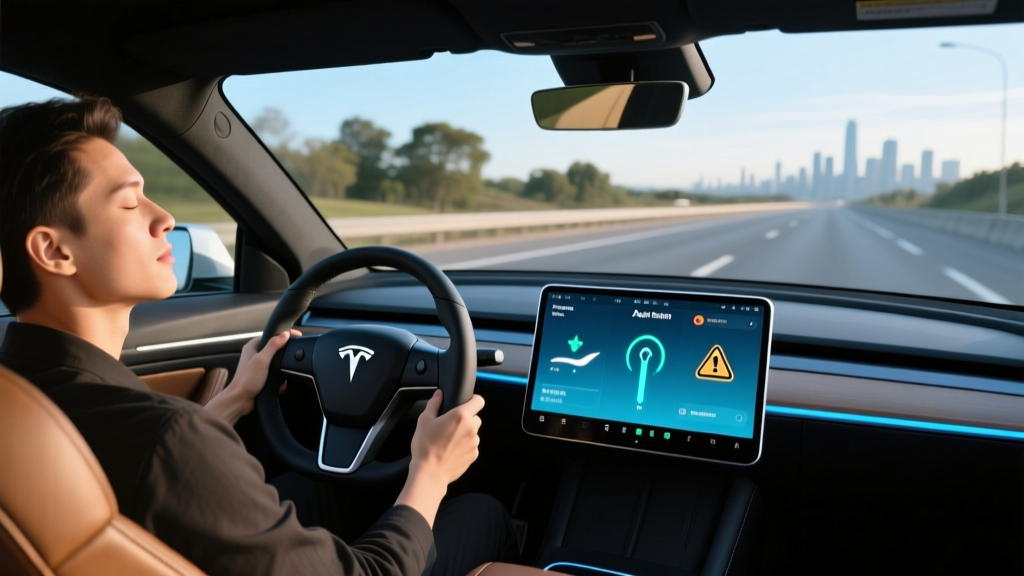
- Autopilot (Basic): Traffic-aware cruise control and lane centering — this is SAE Level 2 driver assistance, requiring full driver engagement at all times.
- Enhanced Autopilot (optional): Auto lane change, autosteer on highways, summon, and autopark.
- Full Self-Driving (FSD) capability (optional): Originally purchased by some owners for $3,000–$8,000; transfers with the vehicle. Still Level 2 supervised — not autonomous.
- HEPA air filtration (Bioweapon Defense Mode): Hospital-grade cabin air filter — genuinely excellent for allergy sufferers and wildfire smoke regions.
- No native Apple CarPlay or Android Auto — Tesla's proprietary infotainment only.
The 2016 Model X's Autopilot and FSD are SAE Level 2 systems. They do NOT make the vehicle self-driving. The driver must keep hands on the wheel, eyes on the road, and remain fully responsible for the vehicle at all times. Older Autopilot hardware (HW1) in some early 2016 builds has limited capability compared to HW2/HW2.5 in later builds. Confirm the hardware revision before purchase.
Warranty, Reliability, and Ownership Costs
Original Warranty Coverage
| Component | Coverage |
|---|---|
| Basic Vehicle | 4 years / 50,000 miles (expired) |
| Battery & Drive Unit | 8 years / 150,000 miles (60D/75D) or 8 years / unlimited miles (90D/P90D) |
| Battery Retention Threshold | 70% capacity during warranty period |
In 2026, most 2016 Model X vehicles are at or beyond the 8-year battery warranty expiration. The 90D and P90D's unlimited-mileage battery warranty is still active for cars under 150K miles through their specific 8-year window. However, many have crossed that threshold. Buyers should pull a Tesla service history report and check current battery SoH via the car's energy screen.
Known Reliability Concerns
The 2016 Model X is one of Tesla's most complex vehicles. Common issues at this age include:
- Falcon-wing door mechanisms: Struts, sensors, and seals — repairs can exceed $2,000 per door
- Front drive unit failure: Some units require replacement ($4,000–$7,000 out of warranty)
- MCU1 screen delamination / yellowing: The original 17-inch screen can develop yellow edges; MCU2 upgrade (~$2,000–$2,500) resolves this and improves speed
- AC compressor: Known failure point on high-mileage examples
- Air suspension: Corner struts can leak or fail; replacement runs $1,500–$2,500 per corner
- Windshield: The massive panoramic windshield is expensive to replace ($1,500–$2,500)
Budget $2,000–$4,000 annually for maintenance and repairs once the warranty expires. An extended warranty or third-party EV warranty may be worth investigating at purchase.
2016 Model X vs. Key Competitors
In 2026, the used 2016 Model X competes against newer, smaller EVs and other used large electric SUVs. Here's how it compares to alternatives at similar used-market price points:
| Attribute | 2016 Tesla Model X 90D | 2019 Tesla Model Y LR | 2018 Jaguar I-PACE |
|---|---|---|---|
| Used Price (2026) | $23,000–$30,000 | $24,000–$30,000 | $20,000–$26,000 |
| EPA Range (original) | 257 mi | 316 mi | 234 mi |
| Seating | 5/6/7 | 5 | 5 |
| DC Fast Charge Peak | ~120–145 kW | ~250 kW | ~100 kW |
| 0–60 mph | 4.8 sec | 4.8 sec | 4.5 sec |
| Cargo (max) | 88.1 cu ft | 76.2 cu ft | 51.0 cu ft |
| Supercharger Access | Native NACS | Native NACS | CCS (adapter needed for SC) |
Choose the 2016 Model X if: You need three-row seating (6–7 passengers) in an EV under $30K, you value Supercharger network access, you want a panoramic windshield and falcon-wing novelty, and you can budget for out-of-warranty repairs.
Choose a used Model Y or I-PACE instead if: You only need 5 seats, want faster DC charging (Model Y), prefer lower maintenance risk, or want a more recent vehicle with modern hardware (HW3/AP3 for Tesla FSD capability).
Pros, Cons, and Verdict
Pros
- Three-row seating at a fraction of the original $100K+ price
- Native Tesla Supercharger access (NACS) — no adapter needed
- Strong performance, especially 90D and P90D
- Best-in-class HEPA air filtration
- Over-the-air software updates still supported
- Generous cargo volume with all rows folded
- Qualifies for up to $4,000 used-EV tax credit (§25E)
Cons
- High out-of-warranty repair risk (falcon doors, drive units, MCU1, air suspension)
- Slow DC fast charging by 2026 standards (~120–145 kW peak)
- Real-world range often 195–235 mi with degraded battery
- Older Autopilot hardware (HW1/HW2) limits driver-assist capability
- Poor efficiency (36–38 kWh/100 mi) means higher charging costs
- No Apple CarPlay / Android Auto
- Battery warranty mostly expired on 60D/75D trims
Verdict: The 2016 Model X is a high-reward, high-risk used EV buy. If you find a well-maintained 90D with a documented battery replacement, service records, and under 100,000 miles for $25,000 or less (eligible for the full $4,000 used-EV credit), it offers unmatched space and capability for the money. But go in with eyes open: this is a complex, aging luxury vehicle, and the repair bills can add up fast. A pre-purchase inspection at a Tesla service center is essential.
Frequently Asked Questions
What is the real-world range of the 2016 Tesla Model X in 2026?
With a healthy original battery and 80K–120K miles, expect roughly 195–215 miles in the 75D and 215–235 miles in the 90D under mixed driving. Highway speeds and cold weather reduce this by 15–30%. Cars with replacement packs may show less degradation.
How fast does the 2016 Model X charge at home and on road trips?
At home on a Level 2 (240V, 48A) charger, it adds roughly 29–32 miles per hour, fully charging overnight in 8–9 hours. On DC fast charge (Supercharger), it peaks at ~120–145 kW, reaching 10–80% in approximately 40–50 minutes.
How much does the 2016 Model X cost after tax credits?
Used prices range from $16,000–$34,000 depending on trim and condition. If purchased from a dealer for $25,000 or less and you meet IRS §25E income limits, you can claim up to $4,000 (30% of sale price, capped at $4,000), bringing a $22,000 75D down to an effective $18,000. Confirm eligibility at IRS.gov.
Is the 2016 Model X worth buying vs. a newer used Model Y?
Only if you need three-row seating or maximum cargo volume. The Model Y charges faster (~250 kW peak), has longer range, newer Autopilot hardware, and lower repair risk. The Model X wins on seating capacity, cargo space, and the falcon-wing experience — but at higher ownership cost.
What are the biggest risks of buying a 2016 Model X?
Out-of-warranty repairs are the primary concern. Falcon-wing door mechanisms, front drive unit failure, MCU1 screen issues, air suspension leaks, and AC compressor failure are all documented problems. Budget $2,000–$4,000/year for repairs and insist on a complete Tesla service history before purchase.
Does the 2016 Model X qualify for the federal EV tax credit?
It does not qualify for the new-vehicle §30D credit (that applies to new purchases only). However, it may qualify for the used-EV credit (§25E) of up to $4,000 if: the sale price is $25,000 or less, you buy from a licensed dealer, your AGI is under the income caps, and the vehicle hasn't been previously transferred to a qualified buyer after August 16, 2022. Always verify with IRS §25E guidelines and a tax professional.
What battery chemistry does the 2016 Model X use?
All 2016 Model X variants use NMC (nickel manganese cobalt) lithium-ion cells. Tesla did not offer LFP chemistry in the Model X. NMC provides higher energy density but is more sensitive to sustained 100% SoC storage — daily charging to 80–90% is recommended for longevity.