Quick Verdict: The 2016 Kia Soul EV in Context
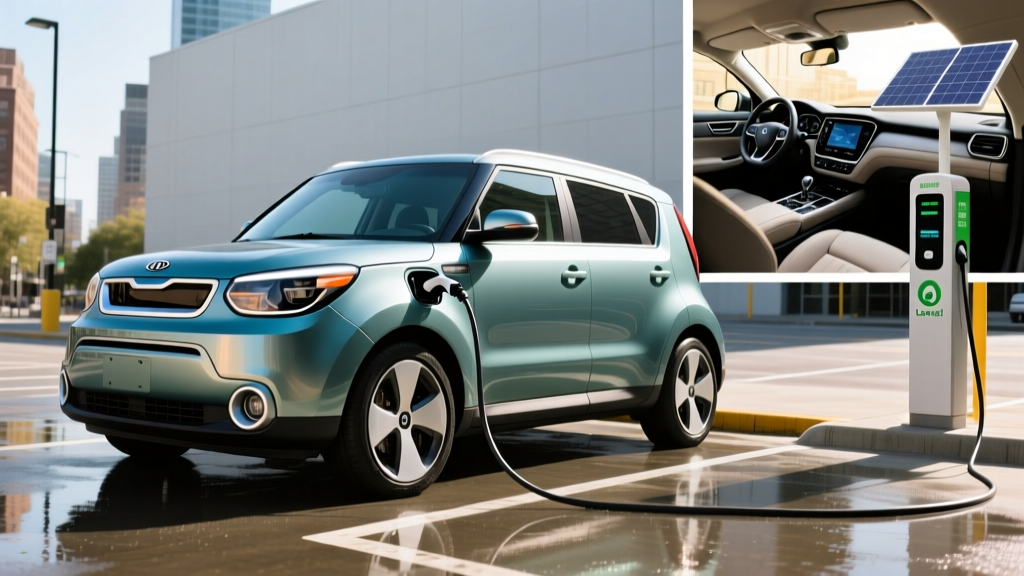
If you're searching for a 2016 Kia EV, you're almost certainly looking at the 2016 Kia Soul EV — Kia's only electric offering that model year. Launched for the 2015 model year and carried into 2016 with minimal changes, the Soul EV was a compliance-style electric vehicle built on the popular Soul's boxy hatchback platform. It sold new in select states (primarily California and a handful of ZEV-mandate states) and was never a high-volume seller.
In 2026, the 2016 Soul EV exists exclusively on the used market. It's a low-speed, short-range urban runabout that makes sense only for a very specific buyer: someone with reliable home Level 2 charging, a sub-40-mile daily commute, and a tight budget. With used examples typically running between $6,000 and $10,000 depending on mileage and battery health, it's one of the cheapest ways into EV ownership — but the 93-mile EPA range and CHAdeMO connector demand realistic expectations.
Range & Efficiency: EPA Sticker vs. Real-World Driving
The 2016 Kia Soul EV carries an EPA-estimated range of 93 miles on a full charge, with a combined efficiency rating of 105 MPGe (approximately 32 kWh per 100 miles). Those numbers were respectable for a 2016-era EV but look dated next to modern offerings pushing 250–350 miles.
- City commuting (mild weather): 85–95 miles — the Soul EV's regenerative braking shines in stop-and-go traffic, occasionally matching or slightly exceeding the EPA estimate.
- Highway driving (65–70 mph): 65–75 miles — the boxy aerodynamics and single-speed reduction gear penalize efficiency at sustained speed.
- Cold weather (below 40°F): 55–70 miles — the Soul EV uses a PTC resistance heater rather than a heat pump, which can draw 3–5 kW continuously, cutting range by 25–40% in winter.
- Hot weather with A/C: 75–85 miles — less severe than cold, but still a noticeable reduction.
The Soul EV's 93-mile EPA figure assumes a mix of city and highway driving in moderate temperatures. For real-world ownership, budget around 70 usable miles on a typical mixed-driving day and as few as 55 in deep winter. That's enough for a 30-mile round-trip commute with errands, but it eliminates spontaneous longer trips entirely.
Battery & Powertrain Specifications
The 2016 Soul EV is powered by a 27 kWh lithium-ion polymer battery pack (approximately 27 kWh total capacity, with roughly 24–25 kWh usable). Kia used an NMC (nickel-manganese-cobalt) cathode chemistry supplied by SK Innovation, which was standard for the era. There is no LFP option — LFP chemistry wasn't widely used in consumer EVs until several years later.
| Specification | Value |
|---|---|
| Battery capacity (total / usable) | 27 kWh / ~24.5 kWh |
| Battery chemistry | NMC (lithium-ion polymer) |
| EPA range | 93 miles |
| EPA efficiency | 105 MPGe (32 kWh/100 mi) |
| Motor output | 109 hp (81 kW) / 210 lb-ft torque |
| 0–60 mph | ~11.2 seconds |
| Drivetrain | FWD, single-speed reduction gear |
| Curb weight | ~3,289 lbs |
| Cargo volume (behind rear seats) | 23.8 cu ft |
| Cargo volume (rear seats folded) | 49.5 cu ft |
| Rear legroom | 36.3 inches |
The 109-hp electric motor drives the front wheels only. Acceleration to 60 mph takes roughly 11.2 seconds — leisurely by modern EV standards but adequate for city merging. The instant 210 lb-ft of torque does make the Soul EV feel punchy from a stoplight up to about 35 mph, after which the single-speed gearing and modest power limit passing confidence on the highway.
Charging: DC Fast, Level 2, and Level 1
Charging is where the 2016 Soul EV shows its age most clearly. The car uses a CHAdeMO connector for DC fast charging — a standard that has been largely abandoned in North America in favor of CCS1 and now NACS. This has major practical implications for used buyers in 2026.
| Charging Level | Connector | Max Power | Speed / Time |
|---|---|---|---|
| Level 1 (120V household) | J1772 | ~1.2 kW | ~4 miles per hour of charging |
| Level 2 (240V home/public) | J1772 | 6.6 kW | ~23 miles per hour; full charge in ~4.5 hours |
| DC Fast Charge | CHAdeMO | ~50 kW peak | 20–80% in approximately 33 minutes |
The 6.6 kW onboard charger is the Soul EV's best charging feature — it's adequate for overnight home replenishment and was competitive for 2016. A full Level 2 charge from empty takes roughly 4.5 hours, meaning you'll wake up to a full battery every morning with a standard home wallbox.
DC fast charging tops out at approximately 50 kW, and the charge curve tapers noticeably above 80% state of charge. Expect a 20–80% session to take about 33 minutes at a compatible 50 kW CHAdeMO station. However, CHAdeMO infrastructure is shrinking in 2026. Electrify America, EVgo, and ChargePoint have largely transitioned to CCS1 and NACS connectors. Some older CHAdeMO stations still exist, but availability is declining, and new installations rarely include CHAdeMO plugs. This is the single biggest practical concern for a used Soul EV buyer who needs public fast charging.
Workaround: CHAdeMO-to-CCS adapters exist but are expensive ($400–$700), bulky, and not universally compatible. Factor adapter cost and hassle into your purchase decision if public DC charging is part of your plan.
Pricing, Tax Credits, and Used Market Value
The 2016 Kia Soul EV originally stickered at approximately $31,950 (base, before destination) for the EV trim and around $33,950 for the EV+ trim, which added leather seating, a sunroof, and upgraded audio. After the $7,500 federal tax credit available at the time of new purchase, effective prices dropped to roughly $24,500–$26,500.
In the 2026 used market, expect to pay:
| Condition / Mileage | Typical Price Range | After Used EV Credit (if eligible) |
|---|---|---|
| Good condition, 40k–60k miles | $8,000–$10,000 | $4,000–$6,000 (with §25E credit) |
| Average condition, 60k–90k miles | $6,000–$8,000 | $2,000–$4,000 (with §25E credit) |
| High mileage or degraded battery | $4,000–$6,000 | $1,500–$3,500 |
Does the 2016 Soul EV Qualify for the Federal EV Tax Credit?
Not for the new-vehicle §30D credit — that applies only to new EV purchases. However, it may qualify for the §25E used clean vehicle credit, which provides up to $4,000 or 30% of the sale price (whichever is lower) when purchased from a licensed dealer. Key requirements:
- Sale price must be $25,000 or less (easily met for a 2016 Soul EV).
- Buyer income caps apply: $75,000 single / $112,500 head of household / $150,000 married filing jointly (modified AGI).
- The vehicle must be at least two model years old (a 2016 model qualifies).
- Purchase must be from a licensed dealer — private-party sales do not qualify.
- The credit can be transferred to the dealer as a point-of-sale discount.
Source: IRS.gov — Used Clean Vehicle Credit (§25E). Tax eligibility depends on individual circumstances; consult a tax professional.
Interior, Tech, and Daily Livability
The Soul EV's interior is one of its strongest selling points relative to other 2016-era EVs. The boxy shape yields genuinely usable cargo space — 23.8 cubic feet behind the rear seats and 49.5 cubic feet with them folded — making it practical for groceries, gear, or a week's worth of luggage for two. Rear legroom at 36.3 inches is generous for the compact-hatchback segment.
Standard and available tech includes:
- Infotainment: 8-inch touchscreen with navigation, UVO eServices (Kia's connected-car platform), Bluetooth, and USB. The system feels dated in 2026 — no Apple CarPlay or Android Auto, which weren't widely available in 2016.
- Driver assists: Rearview camera (standard), rear parking sensors. No adaptive cruise, no lane-keeping, no automatic emergency braking — the Soul EV predates the industry-wide ADAS rollout.
- Unique features: Available heat pump (on EV+ trim in some markets, though US-spec cars primarily used PTC heating), ventilated front seats (EV+), and a distinctive center-console shifter dial.
- Notable drawback: The Soul EV has no frunk (front trunk) — the space under the hood is occupied by the motor and power electronics. All cargo goes in the rear hatch area.
Warranty & Battery Degradation: What to Check Before Buying
Kia's original warranty for the 2016 Soul EV was class-leading:
- Battery warranty: 10 years / 100,000 miles (capacity retention guaranteed above 70% of original capacity)
- Powertrain warranty: 10 years / 100,000 miles
- Bumper-to-bumper: 5 years / 60,000 miles
As of 2026, a 2016 Soul EV is 10 years old. If the car has under 100,000 miles, the battery and powertrain warranty may still have residual coverage — but only if it's the original owner or if the warranty was properly transferred. Kia's battery warranty is transferable to subsequent owners, though the coverage terms may differ. Verify warranty status with a Kia dealer using the VIN before purchasing.
Regarding degradation: NMC packs from this era typically lose 10–20% capacity over 8–10 years depending on climate, charging habits, and mileage. A 2016 Soul EV with 15–20% degradation would see its real-world range drop from ~85 miles to roughly 68–72 miles in mixed driving. Always request a battery state-of-health (SoH) reading from a Kia dealer or use an OBD-II dongle with compatible software (such as SoulEVSpy) to check actual capacity before purchase.
Who Should Buy the 2016 Kia Soul EV?
- Your daily round-trip commute is under 40 miles.
- You have reliable Level 2 home charging (garage or driveway with 240V).
- You need a practical, boxy hatchback with real cargo space on a tight budget.
- You live in a mild climate where cold-weather range loss is moderate.
- You qualify for the §25E used EV credit, dropping the effective price below $5,000.
- You need DC fast charging for road trips — CHAdeMO infrastructure is declining rapidly.
- Your daily driving exceeds 50 miles or includes frequent highway stretches.
- You live in a cold-winter state where range could drop below 60 miles.
- You want modern ADAS features, CarPlay/Android Auto, or over-the-air updates.
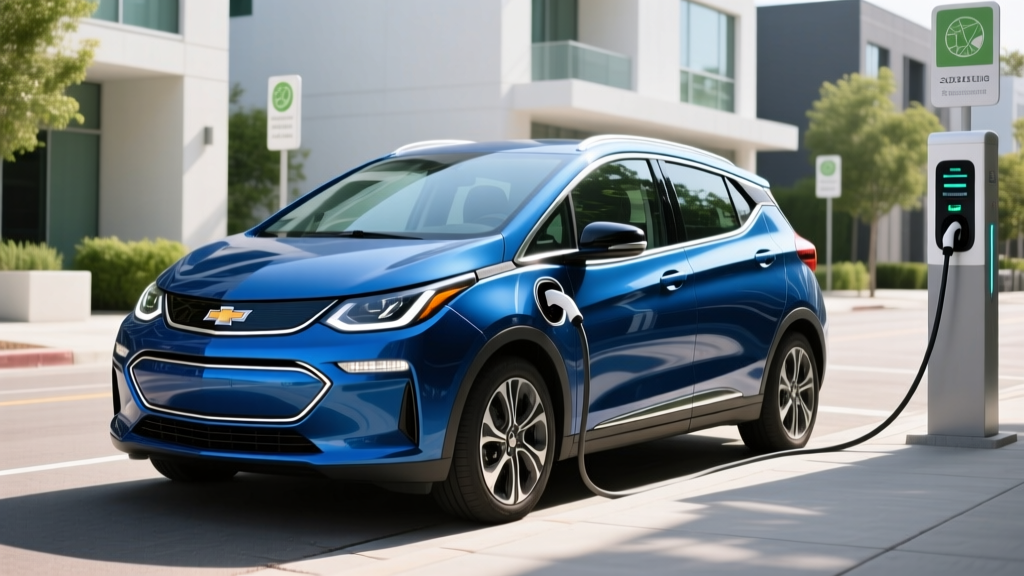
Competitors to cross-shop in the same used-price bracket include the 2016 Nissan Leaf (84-mile EPA range, also CHAdeMO, more widely available), the 2016 Fiat 500e (87-mile range, CCS adapter possible, fun to drive but tiny), and the 2017 Chevrolet Bolt EV (238-mile range, CCS — significantly more capable but typically $4,000–$6,000 more expensive used). If budget allows, the Bolt EV is a dramatically more practical used EV purchase.
Pros and Cons
- Very low used purchase price ($6,000–$10,000)
- Spacious, practical hatchback interior with 23.8 cu ft cargo
- 6.6 kW Level 2 charger for solid overnight home charging
- Generous original battery warranty (10 yr / 100k mi, partially transferable)
- Instant torque makes city driving feel responsive
- Eligible for up to $4,000 §25E used EV credit
- 93-mile EPA range is severely limiting by 2026 standards
- CHAdeMO DC fast-charging connector — declining infrastructure
- No Apple CarPlay or Android Auto
- No modern driver-assist features (AEB, lane-keeping, adaptive cruise)
- Cold-weather range can drop below 60 miles
- Slow 11.2-second 0–60 time; highway passing is strained
- DC fast charge peaks at ~50 kW; 20–80% takes ~33 minutes
Frequently Asked Questions
What is the real-world range of the 2016 Kia Soul EV?
The EPA estimates 93 miles, but expect 85–95 miles in mild-weather city driving, 65–75 miles on the highway, and as low as 55–70 miles in freezing temperatures. Battery degradation on a 10-year-old pack may reduce these figures by an additional 10–20%.
How fast does the 2016 Soul EV charge at home and on DC fast chargers?
At home on a 240V Level 2 charger (6.6 kW), the Soul EV gains about 23 miles per hour and fully charges in roughly 4.5 hours. On a CHAdeMO DC fast charger (up to ~50 kW), a 20–80% session takes approximately 33 minutes. On a standard 120V outlet, expect about 4 miles per hour of charging.
How much does a used 2016 Kia Soul EV cost in 2026?
Used prices typically range from $6,000 to $10,000 depending on mileage, condition, and battery health. If purchased from a licensed dealer and you meet income requirements, the §25E used EV credit can reduce your effective cost by up to $4,000, potentially bringing the net price below $4,000.
Is the 2016 Kia Soul EV worth buying vs. competitors?
It's worth buying only if your budget is tight, your commute is short, and you have home charging. The 2017+ Chevrolet Bolt EV (238-mile range, CCS) is a far more capable used EV but costs more. The Nissan Leaf is similarly priced but shares the CHAdeMO limitation. If you can stretch your budget, the Bolt EV is the stronger long-term used-EV investment.
Does the 2016 Kia Soul EV qualify for any federal tax credit?
Not the §30D new-vehicle credit. It may qualify for the §25E used clean vehicle credit (up to $4,000) when purchased from a dealer, subject to buyer income caps ($75k single / $150k joint) and a $25,000 maximum sale price. Consult a tax professional to confirm your eligibility. Source: IRS.gov.
Is Kia still supporting the Soul EV with parts and service?
Yes. Kia continues to service the Soul EV through its dealer network. Replacement parts, including the battery pack, are generally available, though battery replacement costs ($8,000–$12,000+ out of warranty) can exceed the car's value. Verify battery warranty transferability before purchase.