Quick Verdict: A Collector-Grade Turbo Wagon Before Electrification
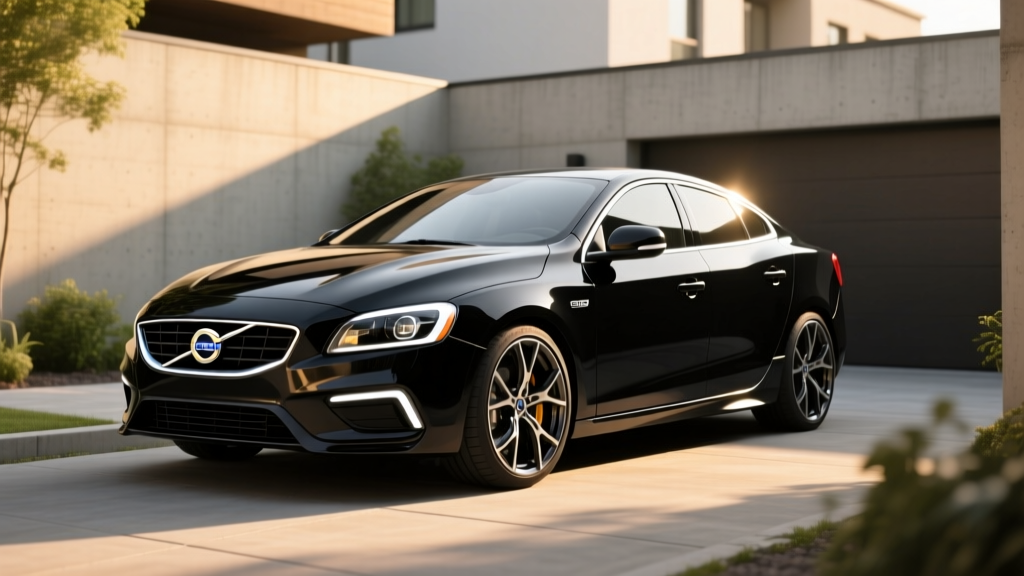
The 2015 Volvo V60 Polestar is not an electric vehicle, and it never pretended to be one. Built in a limited run of just 750 units for the U.S. market, this turbocharged inline-six wagon represents the peak of Volvo's internal-combustion performance era — a direct answer to the Audi S4 Avant and Mercedes-AMG C63 wagon that preceded Volvo's full pivot to plug-in hybrids and battery-electric models under the Polestar brand.
For enthusiasts researching this model in 2026, the V60 Polestar occupies a unique space: a rare, analog performance wagon with a cult following, appreciating values, and zero electrification. If you're cross-shopping it against modern electrified wagons like the Polestar 2 or upcoming electric estates, this review gives you the hard numbers on efficiency, ownership costs, and what you're actually getting.
| Spec | 2015 Volvo V60 Polestar |
|---|---|
| Engine | 3.0L Turbocharged Inline-6 (T6) |
| Horsepower | 345 hp @ 5,700 rpm |
| Torque | 369 lb-ft @ 2,800–4,700 rpm |
| 0–60 mph | 4.7 seconds |
| Drivetrain | AWD (Haldex-based) |
| Transmission | 6-speed automatic (Geartronic) |
| EPA Fuel Economy | 18 city / 25 hwy / 20 combined MPG |
| Cargo Volume | 28.0 cu ft (rear seats up) / 52.7 cu ft (folded) |
| Curb Weight | ~3,979 lbs |
| Original MSRP | $60,925 (sole trim, fully loaded) |
| Current Avg. Market Price (2026) | $28,000–$42,000 (condition/mileage dependent) |
| Federal EV Tax Credit | Not eligible (ICE vehicle) |
Powertrain and Performance: The Last of the Turbo Sixes
The heart of the 2015 V60 Polestar is Volvo's legendary 3.0-liter turbocharged inline-six — the same engine family that powered the S60 R and V70 R wagons before it. In Polestar tune, it produces 345 horsepower and 369 lb-ft of torque, routed through a Haldex-based all-wheel-drive system and a 6-speed automatic transmission. There was no manual option, a sore point for purists even at launch.
The 0–60 mph sprint lands at 4.7 seconds per Volvo's official claim, though independent testing by outlets like Car and Driver recorded times in the 4.6–4.9 second range depending on surface and temperature. The engine's broad torque plateau (peaking from just 2,800 rpm) means real-world passing power is effortless — you rarely need to downshift aggressively on two-lane roads.
Polestar-specific hardware includes a sport-tuned suspension with stiffer springs and Öhlus dampers, upgraded Brembo front brakes (6-piston calipers with 371mm rotors), a Polestar sport exhaust, and unique 20-inch alloy wheels wrapped in 245/35R20 Michelin Pilot Super Sport tires. The result is a wagon that corners flat, brakes with authority, and sounds genuinely menacing under hard acceleration — character traits that modern turbo-four Volvos simply don't replicate.
Efficiency and Real-World Fuel Costs
The EPA rates the 2015 V60 Polestar at 18 MPG city, 25 MPG highway, and 20 MPG combined. In real-world mixed driving, owners typically report between 18 and 21 MPG, with highway-only trips occasionally touching 26 MPG under ideal conditions. Heavy right-foot driving or short-trip city use can push it below 16 MPG.
For comparison, the current Polestar 2 Long Range Dual Motor achieves 92 MPGe combined and costs approximately $750 annually in electricity for the same 15,000 miles. The fuel-cost gap is significant — about $1,800 per year — and widens further if gas prices rise.
Interior, Cargo, and Daily Usability
Inside, the 2015 V60 Polestar uses Volvo's pre-SPA-platform interior, which means the older waterfall center stack design with a 7-inch display rather than the portrait-oriented Sensus touchscreen introduced in the 2016+ XC90. The infotainment system supports Bluetooth audio and phone, USB input, and satellite radio, but lacks Apple CarPlay, Android Auto, or modern over-the-air updates. Navigation was included but uses an older map database that requires dealer updates.
The Polestar trim added specific sport seats with Nubuck textile and leather upholstery, blue contrast stitching, Polestar-branded sill plates, and a sport steering wheel. The seats are among the best Volvo has ever built — firm, supportive, and comfortable on long drives.
Cargo volume is 28.0 cubic feet behind the rear seats and 52.7 cubic feet with the 60/40 split rear seats folded. Rear legroom measures 33.5 inches — adequate for adults on shorter trips but tight for taller passengers on long hauls. The wagon's low load floor and wide opening make it practical for hauling gear, dogs, or luggage, and the AWD system adds confidence in snow and rain.
Safety and Driver Assistance
The 2015 V60 earned the IIHS Top Safety Pick+ rating, with Good scores across all crashworthiness categories. Standard safety tech includes City Safety (low-speed automatic emergency braking rated up to 31 mph), dynamic stability control, whiplash-protection front seats, and side-impact airbags. Optional — and included on the Polestar — was the Blind Spot Information System (BLIS) with cross-traffic alert and the Driver Alert Control drowsiness monitor.
What the 2015 model does not have is any form of modern adaptive cruise control with stop-and-go, lane-centering assist, or semi-autonomous driving. Volvo's Pilot Assist (Level 2 driver assistance) didn't arrive until the 2016 model year on the XC90. This is a fully driver-operated vehicle with no hands-off capability — which, depending on your philosophy, is either a refreshing feature or a notable omission.
Ownership Costs, Maintenance, and Reliability
The turbocharged inline-six is a proven engine, but it's also a complex, high-output powertrain that demands disciplined maintenance. Common wear items include the PCV system, ignition coils, and the Haldex AWD coupling fluid (often neglected by owners, leading to premature pump wear). Timing chain tensioners should be inspected past 80,000 miles. Expect annual maintenance costs of $1,200–$1,800 at an independent Volvo specialist, and more at a dealership.
Insurance costs vary significantly by state and driver profile, but Hagerty and standard carriers typically classify the V60 Polestar as a specialty vehicle. Agreed-value policies are increasingly common given the car's appreciating status among collectors. Budget $1,800–$2,500 annually for a driver with a clean record.
The original factory warranty was 4 years/50,000 miles bumper-to-bumper and 5 years/unlimited miles for corrosion. By 2026, all factory coverage has expired. Extended warranties from third-party providers are available but often exclude high-performance models or impose steep deductibles on turbocharger and drivetrain claims.
Market Value and Buying Advice in 2026
Only 750 examples of the 2015 V60 Polestar were allocated to the United States, and attrition from accidents, neglect, and modifications has thinned the pool further. As of early 2026, clean examples with under 60,000 miles trade between $32,000 and $42,000 on enthusiast auction platforms like Bring a Trailer and Cars & Bids. Higher-mileage or modified examples can be found in the $25,000–$30,000 range but carry greater mechanical risk.
The V60 Polestar is not eligible for any federal EV tax credit (IRS §30D applies only to new and qualified used plug-in electric vehicles), and no state EV incentive applies. You're paying full market price with no government offset. For buyers cross-shopping against a used Polestar 2 (which may qualify for the $4,000 used clean vehicle credit under §25E if purchased from a dealer and meeting income caps), the financial calculus favors the electric option — but the emotional and collector-value calculus often favors the V60.
Pros
- Rare, appreciating collector vehicle (only 750 U.S. units)
- 345-hp turbo inline-six with genuine character and sound
- Practical wagon cargo space (28.0 / 52.7 cu ft)
- Öhlus dampers and Brembo brakes — serious performance hardware
- AWD capability for all-season driving
- IIHS Top Safety Pick+ rating
Cons
- 20 MPG combined — expensive to fuel vs. modern EVs
- No Apple CarPlay, Android Auto, or modern infotainment
- No adaptive cruise or lane-centering driver assist
- Maintenance-intensive turbo-six; Haldex service often neglected
- No federal tax credit or EV incentive eligibility
- Limited availability; finding a clean example is difficult
Who Should Buy the 2015 V60 Polestar?
This wagon suits a specific buyer: an enthusiast who values rarity, analog driving feel, and turbo-six character over fuel efficiency and modern tech. It's a weekend car, a collector piece, or a daily driver for someone who prioritizes driving engagement over operating cost. If you're cross-shopping it against a modern Polestar 2, Volvo V60 Recharge PHEV, or Audi A4 Avant, know that the 2015 V60 Polestar offers something none of those can — a finite, turbocharged legacy — at the cost of higher running expenses and older technology.
Frequently Asked Questions
What is the real-world fuel economy of the 2015 Volvo V60 Polestar?
Owners typically report 18–21 MPG in mixed driving. The EPA combined rating is 20 MPG. Highway-only driving can reach 26 MPG; aggressive city driving drops below 16 MPG.
How fast is the 2015 V60 Polestar?
Volvo claims a 4.7-second 0–60 mph time. Independent testing confirms 4.6–4.9 seconds depending on conditions. Top speed is electronically limited to 155 mph.
Does the 2015 V60 Polestar qualify for any tax credits?
No. The federal §30D new vehicle credit and §25E used clean vehicle credit apply only to plug-in electric and fuel-cell vehicles. The V60 Polestar is a conventional gasoline vehicle and is ineligible for any federal or state EV incentive.
Is the 2015 V60 Polestar reliable?
The 3.0L turbo inline-six is mechanically robust when maintained properly, but it's a complex engine with known wear points (PCV, coils, Haldex fluid, timing chain tensioners). Budget $1,200–$1,800 annually for preventive maintenance at a Volvo specialist.
How does it compare to the modern Polestar 2?
The Polestar 2 Long Range Dual Motor delivers 408 hp, a 4.5-second 0–60, 276 miles of EPA range, and 92 MPGe — at roughly half the per-mile operating cost. The V60 Polestar wins on rarity, sound, analog character, and wagon cargo space. They serve different purposes entirely.
Where can I find one for sale?
Check enthusiast auction sites (Bring a Trailer, Cars & Bids), Volvo specialty dealers, and the Volvo Enthusiast Club forums. With only 750 U.S. examples built, patience is required — and a pre-purchase inspection by a Volvo specialist is essential.