The 2015 Tesla Model S in 2026: A Pioneer Under the Microscope
Search for a "2015 Tesla car" today and you are almost certainly looking at the 2015 Tesla Model S — the sedan that put Tesla on the map and reshaped the EV industry. In 2026, these vehicles are trading in the $12,000–$24,000 used market, tempting buyers with premium-badge electric motoring at economy prices. But a decade-old EV carries a different calculus than a new one. Battery health, obsolete charging hardware, expired warranties, and the total absence of modern federal tax-credit eligibility all reshape the value proposition. This guide walks through the exact numbers a 2026 buyer needs before signing on a 2015 Model S.
Spec Snapshot: 2015 Tesla Model S Trims
Tesla offered the Model S in three main battery configurations for the 2015 model year, plus the high-performance P85D variant. The table below reflects original EPA figures and factory specifications — not what a 10-year-old pack delivers today.
| Spec | Model S 70D | Model S 85 | Model S P85D | Model S 90D (late 2015) |
|---|---|---|---|---|
| Usable Battery (kWh) | ~67 kWh | ~81 kWh | ~81 kWh | ~85 kWh |
| Chemistry | NMC (Panasonic 18650) | NMC (Panasonic 18650) | NMC (Panasonic 18650) | NMC (Panasonic 18650) |
| Original EPA Range | 240 mi | 265 mi | 253 mi | 294 mi |
| Drivetrain | Dual-motor AWD | RWD | Dual-motor AWD | Dual-motor AWD |
| Horsepower | 514 hp (combined) | 362 hp | 691 hp | 518 hp |
| 0-60 mph | 5.2 sec | 5.4 sec | 3.2 sec (Ludicrous) | 4.0 sec |
| EPA MPGe (combined) | 101 MPGe | 89 MPGe | 89 MPGe | 102 MPGe |
| Efficiency | 33 kWh/100mi | 38 kWh/100mi | 38 kWh/100mi | 33 kWh/100mi |
| Original Base MSRP | $75,000 | $79,900 | $120,000+ | $94,000 |
Source: fueleconomy.gov — 2015 Tesla Model S comparison
Real-World Range: What a 10-Year-Old Pack Actually Delivers
The 85 kWh Model S originally posted 265 miles EPA. Expect a well-maintained 2015 example to show 180–220 miles on a full charge today — a 15–30% reduction driven by calendar aging and cycle wear. The 90D, originally rated at 294 miles, typically delivers 210–250 miles now.
Lithium-ion NMC cells in the Panasonic 18650 format degrade via two mechanisms: calendar aging (time and heat) and cycle wear (charge/discharge count). Tesla's early packs were not engineered for the longevity of modern LFP chemistry. Industry data and owner reports suggest an average 10-year capacity retention of 70–85% for 2015 Model S packs, depending heavily on climate exposure, Supercharging frequency, and whether previous owners regularly charged to 100%.
Cold-weather penalty: In freezing temperatures (below 32°F / 0°C), expect an additional 20–30% range reduction on top of degradation. A degraded 85 kWh pack that delivers 200 miles in mild weather may show only 140–160 miles at highway speeds in a Midwestern winter. The 2015 Model S lacks a heat pump — it uses resistive cabin heating, which draws heavily from the traction battery.
Highway vs. city: At sustained 75 mph, efficiency drops to roughly 38–42 kWh/100mi (vs. the EPA-rated 33–38). City driving with regenerative braking recovers energy, yielding closer to sticker range.
Charging Hardware: The 2015 Model S in a 2026 Charging World
This is where 2015 ownership gets complicated. Tesla's charging ecosystem has evolved dramatically, and the 2015 Model S was built for a different era.
| Charging Level | Connector / Network | Max Power (kW) | Speed / Notes |
|---|---|---|---|
| Level 1 (120V) | J1772 adapter → Tesla port | ~1.4 kW | ~3–4 miles/hr |
| Level 2 (240V home) | Wall Connector or J1772 adapter | 11.5 kW (dual charger equipped); 6.6 kW single | ~29–34 miles/hr (dual); ~17–20 miles/hr (single) |
| DC Fast Charge | Tesla Supercharger (legacy connector) | ~90–120 kW peak | 10–80% in ~45–55 minutes |
| CHAdeMO adapter | Aftermarket adapter required | ~50 kW | Slow by 2026 standards; adapter costs $400–$600 |
| CCS / NACS (modern) | Not natively compatible | N/A | No official retrofit; third-party CCS adapters exist but are niche |
Key charging reality: The 2015 Model S uses Tesla's proprietary charge port (pre-NACS standardization). It can access Tesla Superchargers — and as of 2026, Tesla has opened many Superchargers to non-Tesla EVs via Magic Dock, but the 2015 Model S uses the legacy Tesla connector natively, so it plugs in directly. Peak DC charge rate caps around 90–120 kW depending on pack state, tapering significantly above 60% SoC. A 10–80% session typically takes 45–55 minutes — far slower than a 2026 Hyundai Ioniq 5 (18 minutes at 350 kW) or a modern Model 3 (25 minutes at 250 kW).
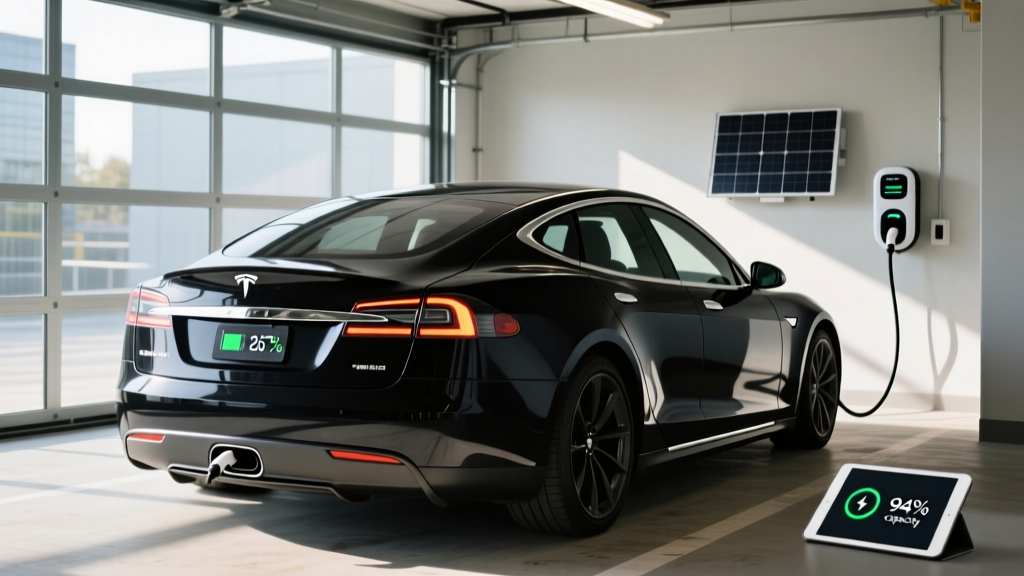
Home charging setup: A 2015 Model S with the optional dual onboard chargers accepts up to 11.5 kW on Level 2 — adequate for overnight replenishment. Units with a single charger are limited to ~6.6 kW. A full 240V / 48A home circuit installation typically costs $800–$2,000 depending on panel proximity and local permit requirements (see a licensed electrician for your specific site).
Battery Longevity, Warranty Status & Replacement Cost
The original battery warranty on the 2015 Model S was 8 years / unlimited miles for the 85 kWh pack and 8 years / 125,000 miles for the 70 kWh pack. As of 2026, every 2015 Model S is out of factory battery warranty. This is the single biggest financial risk of ownership.
Battery replacement cost (2026 estimates):
- Tesla Service remanufactured pack: $14,000–$20,000 installed
- Third-party refurbished pack (e.g., Electrified Garage, Gruber Motors): $10,000–$15,000
- Full new pack from Tesla: $22,000–$28,000+ (rarely stocked for 2015 models)
How to assess battery health before buying: Request a "Battery Health Test" from a Tesla Service Center (roughly $100–$200). Alternatively, compare the car's displayed "Typical Range" at 100% SoC against the original EPA figure. A 2015 85 kWh Model S showing 200+ typical miles at full charge has a pack in decent shape; one showing under 170 miles signals significant degradation or imbalanced cells.
The drive unit warranty was also 8 years / 125,000 miles (or unlimited for the 85 kWh), meaning the motor is also out of coverage. Drive unit failures on 2015-era units are uncommon but not unheard of — replacement runs $5,000–$8,000.
Autopilot & Tech: 2015 Hardware in a 2026 Software World
The 2015 Model S was available with Tesla's first-generation Autopilot hardware (Hardware 1, or HW1), introduced in late 2014. This system includes a single forward-facing camera, radar, and ultrasonic sensors — adequate for basic lane-keeping and adaptive cruise but not capable of receiving modern FSD (Supervised) updates.
Tesla Autopilot on the 2015 Model S is an SAE Level 2 driver-assistance system. The driver must remain fully engaged, hands on the wheel, eyes on the road. This is not self-driving — no consumer Tesla has ever been Level 3 or above.
Tech features present on 2015 models:
- 17-inch center touchscreen (resistive touch on early builds, less responsive than modern capacitive)
- Over-the-air software updates (still receiving occasional security and minor feature patches in 2026, but no major new features)
- Basic Autopilot: lane-keeping, adaptive cruise, auto emergency braking (on HW1-equipped cars)
- Panoramic glass roof, air suspension (optional), power liftgate
- No native Apple CarPlay or Android Auto (a significant drawback for 2026 buyers)
Notable drawbacks: The 17-inch screen on 2015 models is prone to delamination and yellowing — a known issue that costs $1,500–$2,500 to replace. MCU1 (Media Control Unit 1) is sluggish by 2026 standards and cannot run the modern Tesla UI. Tesla offered an MCU2 upgrade ($1,500–$2,500) that improves responsiveness and adds features like Sentry Mode dashcam viewing, but availability for 2015 cars is limited.
Used Pricing & Tax-Credit Reality for 2026 Buyers
The 2015 Model S is no longer eligible for the federal §30D new-vehicle EV tax credit (up to $7,500) — that credit applies only to new EV purchases. However, the Used Clean Vehicle Credit (§25E) may apply if specific criteria are met:
| Factor | 2015 Model S Status |
|---|---|
| Used EV Credit (§25E) max | $4,000 or 30% of sale price (whichever is lower) |
| Sale price cap | $25,000 or less |
| Buyer income cap (AGI) | $75K single / $112.5K HOH / $150K MFJ |
| Dealer requirement | Must purchase from a licensed dealer (not private party) |
| Vehicle age requirement | At least 2 model years old (met) |
| Model S typical 2026 price | $12,000–$24,000 (private); $15,000–$28,000 (dealer) |
| Credit eligibility | Only if dealer sale ≤ $25,000 and buyer meets income cap |
Source: IRS Used Clean Vehicle Credit (§25E)
Many 2015 Model S transactions happen via private-party sales, which disqualify the used-EV credit entirely. Buyers targeting the credit must find a dealer listing at or below $25,000 — possible for higher-mileage 70D and 85 examples, but rare for well-preserved 90D or P85D models.
Cargo, Comfort & Daily Livability
The 2015 Model S remains a large luxury sedan with practicality advantages that still impress:
- Cargo volume: 26.3 cu ft rear trunk + 5.3 cu ft front trunk (frunk) = 31.6 cu ft total (seats up); 58.1 cu ft with rear seats folded
- Rear legroom: 35.4 inches — adequate for adults, though the sloping roofline limits headroom for taller passengers
- Seating: 5-passenger standard; optional rear-facing third-row jump seats (adds 2 child-size seats, rarely found on used market)
- Air suspension: Optional; provides adjustable ride height and a comfortable highway ride, but replacement air struts cost $1,200–$2,000 each if they fail
Who Should (and Shouldn't) Buy a 2015 Tesla Model S in 2026
- Still rapid: 0-60 in 3.2–5.4 sec depending on trim
- Supercharger network access (legacy connector)
- Spacious sedan with frunk + large trunk
- Low entry price for a premium EV ($12K–$24K)
- Over-the-air updates (security patches still delivered)
- Out of all factory warranties — battery & drive unit risk
- Slow DC charging by 2026 standards (45–55 min 10–80%)
- No Apple CarPlay / Android Auto; MCU1 is sluggish
- Screen delamination and MCU aging are known issues
- HW1 Autopilot cannot run FSD; basic functionality only
- Cold-weather range loss is severe (no heat pump)
- $10K–$28K battery replacement risk with no warranty backstop
Best for: Budget-conscious enthusiasts who want a fast, spacious EV for commuting and can absorb potential repair costs. The 85 kWh and 90D variants offer the best range-to-price ratio. P85D buyers are purchasing a performance experience, not an efficiency play.
Skip if: You need reliable long-distance road-trip range, modern infotainment, or peace-of-mind warranty coverage. A 2021+ Model 3 (which can still qualify for the used-EV credit and has HW3/FSD capability, heat pump, and faster charging) is a more rational purchase for most buyers.
Frequently Asked Questions
What is the real-world range of a 2015 Tesla Model S today?
Expect 180–220 miles for the 85 kWh variant and 210–250 miles for the 90D, depending on battery health, driving style, and climate. Highway driving at 75 mph and cold weather will reduce these figures by 15–30%.
How fast does a 2015 Tesla Model S charge?
On Tesla Superchargers, peak DC rate is ~90–120 kW, with a 10–80% session taking approximately 45–55 minutes. On Level 2 home charging (240V), a dual-charger-equipped Model S adds roughly 29–34 miles per hour at 11.5 kW; single-charger cars add ~17–20 miles per hour at 6.6 kW.
Does a 2015 Tesla Model S qualify for any federal tax credit?
It does not qualify for the §30D new-vehicle credit. It may qualify for the §25E Used Clean Vehicle Credit (up to $4,000) only if purchased from a licensed dealer at a sale price of $25,000 or less, and the buyer's AGI falls within IRS income caps ($75K single / $150K married filing jointly). Verify current rules at irs.gov.
Is the 2015 Model S worth buying vs. a newer used EV?
It depends on budget and risk tolerance. A 2015 Model S offers luxury-car space and performance at a $12K–$24K entry price, but carries out-of-warranty battery and drive-unit risk ($10K–$28K replacement). A 2020–2022 Model 3 (used, ~$20K–$30K) offers a heat pump, HW3 Autopilot, faster charging, and potential §25E credit eligibility — generally a lower-risk choice for most buyers.
Can a 2015 Model S use Tesla Superchargers in 2026?
Yes. The 2015 Model S uses Tesla's proprietary charge port and can access the Supercharger network natively. It cannot use CCS or NACS-equipped public chargers without a third-party adapter (limited availability and not officially supported by Tesla).
What should I check before buying a used 2015 Model S?
Request a Battery Health Test from Tesla Service. Check the displayed Typical Range at 100% SoC. Inspect the 17-inch screen for delamination or yellowing. Verify whether the car has MCU1 or the upgraded MCU2. Check service records for drive unit or battery replacements. Confirm whether air suspension is present and functional. Test all door handles (a known failure point on 2012–2016 Model S).