The 2015 Tesla Model S: A Decade Later
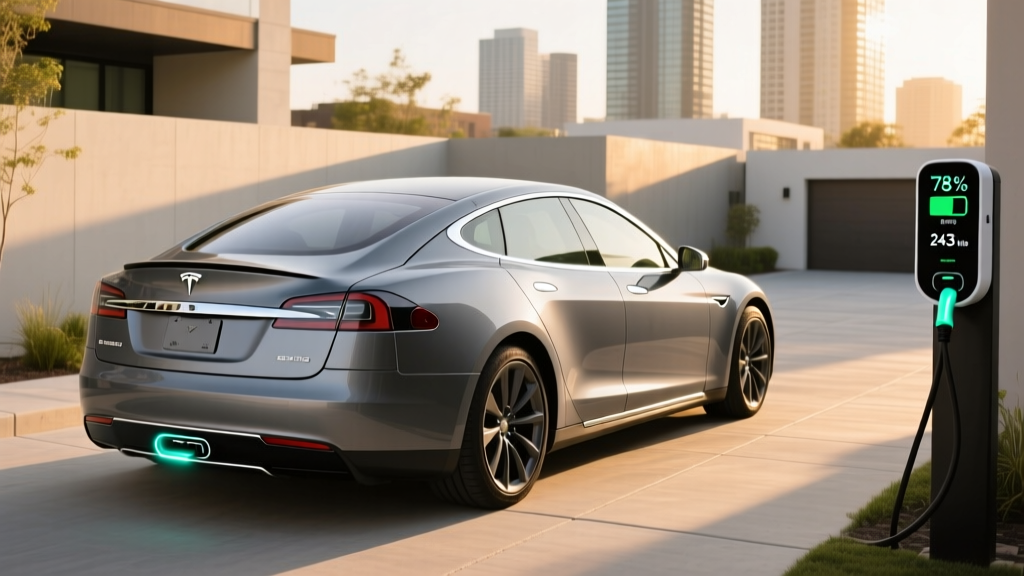
When Tesla launched the Model S, it redefined what an electric sedan could be. The 2015 model year sits at a fascinating crossroads: old enough to be deeply discounted on the used market, yet equipped with enough range and Supercharger access to remain a practical daily driver in 2026. If you're shopping for a 2015 Tesla Model S today, you're likely weighing its bargain price against battery degradation concerns, outdated hardware, and a landscape of newer, more efficient competitors. This guide gives you the exact numbers you need to decide.
Range Reality Check
EPA Estimated Range: 208 miles (60 kWh) / 265 miles (85 kWh) / 270 miles (90D, 2015.5 refresh)
Real-World Expectation in 2026: Expect 160–210 miles from an 85 kWh model depending on battery health. Highway driving at 75+ mph reduces range by roughly 15–20%. Cold-weather conditions (below 32°F) can cut range an additional 20–30% due to battery chemistry limitations and cabin heating demands. A well-maintained 85 kWh pack with 85% State of Health (SoH) yields approximately 190–200 miles in mixed driving at moderate temperatures.
Specs That Still Matter
| Specification | 60 kWh (RWD) | 85 kWh (RWD) | 90D (AWD) |
|---|---|---|---|
| Battery Capacity (Usable) | ~58 kWh | ~81 kWh | ~86 kWh |
| Battery Chemistry | NMC (Nickel Manganese Cobalt) | NMC | NMC |
| EPA Range (Original) | 208 mi | 265 mi | 270 mi |
| 0–60 mph | 5.5 sec | 5.4 sec | 4.2 sec |
| Horsepower | 302 hp | 362 hp | 417 hp (combined) |
| Drivetrain | Rear-Wheel Drive | Rear-Wheel Drive | Dual-Motor AWD |
| MPGe (Combined) | 95 MPGe | 89 MPGe | 93 MPGe |
| Efficiency | 35 kWh/100mi | 38 kWh/100mi | 36 kWh/100mi |
| Cargo Volume | 26.3 cu ft (rear trunk) + 5.3 cu ft (frunk) = 31.6 cu ft total | ||
| Seating | 5 standard; optional rear-facing third row (2 small children) | ||
| Rear Legroom | 35.4 inches | ||
Charging Speeds: DC Fast and Home Level 2
The 2015 Model S uses Tesla's proprietary connector (now being phased out in favor of NACS adapters on newer EVs). It charges via the Tesla Supercharger network and supports J1772 Level 2 charging with the included mobile connector.
| Charging Method | Power (kW) | Speed | 10–80% Time |
|---|---|---|---|
| Level 1 (120V household) | ~1.4 kW | ~3 miles per hour | N/A (overnight top-up only) |
| Level 2 (240V, 40A onboard charger standard) | 10 kW | ~29 miles per hour | ~7–8 hours (0–100%) |
| Level 2 (optional dual chargers, 80A) | 20 kW | ~58 miles per hour | ~4 hours (0–100%) |
| DC Fast Charge (Supercharger V2) | Up to 120 kW (peak) | ~200 miles in 30 min (ideal) | ~35–45 minutes |
Charging Curve Reality: The 2015 Model S peaks at approximately 90–120 kW only between 10–40% State of Charge. Above 50%, the charge rate tapers significantly, dropping below 40 kW past 80%. This tapering is a function of NMC chemistry and the era's battery management system. On a road trip, plan stops around the 10–80% window to minimize time plugged in.
Important Note for 2026 Buyers: Tesla's Supercharger network is now open to other brands via the NACS standard. Your 2015 Model S retains native Supercharger access — a significant advantage over CCS-equipped used EVs that may face adapter hassles or reduced station availability.
What Does a 2015 Model S Cost in 2026?
The new-car market is irrelevant here — Tesla discontinued the original Model S platform years ago in favor of the refreshed Plaid architecture. You're shopping the used market, where prices vary dramatically based on mileage, battery health, and Autopilot hardware version.
| Trim / Config | Original MSRP (2015) | Typical Used Price (2026) | Federal Tax Credit Eligibility |
|---|---|---|---|
| 60 kWh (RWD) | $71,200 | $14,000–$18,000 | Up to $4,000 (§30D used-EV credit) |
| 85 kWh (RWD) | $79,200 | $17,000–$24,000 | Up to $4,000 (§30D used-EV credit) |
| 90D (AWD) | $89,200 | $20,000–$28,000 | Up to $4,000 (§30D used-EV credit) |
| P85D (Performance AWD) | $103,200 | $22,000–$30,000 | Up to $4,000 (§30D used-EV credit) |
Federal Used EV Tax Credit (§30D) Rules for 2026:
- The credit is 30% of the sale price, capped at $4,000 for used EVs
- Vehicle sale price must be $25,000 or less to qualify
- Buyer income caps: $75,000 single / $112,500 head of household / $150,000 joint (modified adjusted gross income)
- Vehicle must be at least 2 model years old (easily satisfied)
- Must purchase from a licensed dealer (private-party sales do not qualify)
- The credit can be transferred at point of sale, reducing your purchase price immediately
Source: IRS Used Clean Vehicle Credit. Verify current-year rules before purchase — incentive structures can shift with legislation.
Battery Health and Degradation: The Critical Variable
The single most important factor when buying a 2015 Model S in 2026 is battery State of Health (SoH). These NMC packs are now 11 years old. Tesla's battery management system was industry-leading for its era, but chemistry is chemistry.
Expected Degradation: Data from owner forums and fleet analyses suggest an average 85 kWh pack retains 80–88% of original capacity after 100,000–130,000 miles. Units with fewer charge cycles and those that avoided frequent DC fast charging or sustained 100% SoC storage tend to fare better.
Warranty Status: The 2015 Model S came with an 8-year/unlimited-mile battery and drive unit warranty for the 85 kWh model (60 kWh was 8-year/125,000 miles). As of 2026, all 2015 battery warranties have expired. If the pack fails or degrades below ~70% SoH, you're paying out of pocket.
Battery Replacement Cost: A refurbished 85 kWh replacement pack from Tesla runs approximately $12,000–$16,000 installed (2026 pricing). Third-party EV shops offer replacements for $10,000–$14,000. This cost must be factored into your total ownership calculation, especially for high-mileage examples.
Pre-Purchase Inspection Tip: Request the vehicle's battery health report from Tesla Service or use the car's energy graph (visible on the touchscreen under "Trips") to estimate real-world range at 100% charge. Compare this to the original EPA figure to approximate SoH.
Tech, Driver Assists, and Notable Drawbacks
The 2015 Model S introduced hardware that was revolutionary at the time but feels dated by 2026 standards:
Autopilot Hardware: Vehicles built after September 2014 include Autopilot Hardware 1 (AP1), which supports basic adaptive cruise control and lane-keeping — a SAE Level 2 driver-assist system. AP1 does not support Tesla's current Full Self-Driving (Supervised) software. You are limited to Traffic-Aware Cruise Control and Autosteer on marked highways. The driver must remain fully engaged at all times.
SAE Level 2 — Not Self-Driving: The 2015 Model S Autopilot (AP1) is a Level 2 driver-assistance system. It can manage steering, acceleration, and braking on highways under specific conditions, but the driver must monitor the road and keep hands on the wheel. This is fundamentally different from Level 4 robotaxi services like Waymo, which operate without a human driver in geofenced areas.
Infotainment: The 17-inch touchscreen was a landmark feature, but the 2015 hardware (MCU1) is sluggish by modern standards. Tesla offered an MCU2 upgrade (faster processor, improved graphics) for approximately $2,500, and some used examples will have this installed. Without it, expect slow map rendering and occasional lag. Navigation, Bluetooth, and streaming audio work, but there's no wireless Apple CarPlay or Android Auto — Tesla uses its own interface exclusively.
Notable Drawbacks:
- No over-the-air performance updates: Unlike newer Teslas, the 2015 Model S will not receive meaningful feature additions
- Outdated safety ratings: The NHTSA gave the 2015 Model S a 5-star overall rating, but testing standards have evolved. It lacks modern automatic emergency braking improvements and pedestrian detection found in 2020+ vehicles
- Door handles and air suspension: These are known failure points. Retractable door handles can stick or fail ($500–$800 per handle to replace). Air suspension struts typically require replacement around 80,000–120,000 miles ($1,500–$2,500 per corner)
- No heat pump: The 2015 Model S uses resistive cabin heating, which is energy-intensive and contributes to significant winter range loss
- Charging port location: The rear-quarter charge port is less convenient than front-fender ports for backing into charging stalls
Pros, Cons, and the Verdict
Pros
- Low entry price for a premium electric sedan ($14K–$28K used)
- Native Tesla Supercharger access — no adapters needed
- Spacious interior with frunk + trunk totaling 31.6 cu ft
- Strong acceleration even in base trims (0–60 in 4.2–5.5 sec)
- Low running costs: ~$0.04–$0.06 per mile on home electricity vs. $0.12+ for gas
- Over-the-air software updates still provide minor improvements
Cons
- Battery warranty expired — replacement cost $10K–$16K if pack fails
- Real-world range often 160–210 miles; inadequate for long road trips without planning
- Autopilot Hardware 1 is obsolete; no FSD upgrade path
- Known reliability issues: door handles, air suspension, MCU1 lag
- No modern safety features (pedestrian AEB, blind-spot monitoring)
- Resistive heating causes severe winter range loss (20–30%)
- Insurance costs remain elevated due to repair complexity
Who Should Buy a 2015 Tesla Model S in 2026?
Choose the 2015 Model S If:
- You need an affordable entry into EV ownership and can charge at home
- Your daily commute is under 80 miles round-trip, leaving range buffer
- You value Supercharger network access for occasional road trips
- You're comfortable budgeting $2,000–$4,000 for potential repairs (suspension, handles, MCU)
- You want a spacious sedan with strong acceleration and premium feel at a budget price
Look Elsewhere If:
- You regularly drive more than 150 miles between charges
- You live in a cold climate and need reliable winter range (consider a newer EV with a heat pump)
- You want modern driver-assist features beyond basic adaptive cruise
- You cannot absorb a potential $12,000+ battery replacement cost
- You prioritize the latest infotainment, safety tech, and warranty coverage
How It Stacks Up Against Competitors
In the $15,000–$25,000 used EV market, the 2015 Model S competes with:
- 2017–2019 Chevrolet Bolt EV: 238-mile EPA range, far more efficient, but smaller and no DC fast charging capability (without expensive retrofit). Better for city commuters.
- 2016–2018 Nissan Leaf (30/40 kWh): Lower price, but CHAdeMO charging is increasingly marginalized and passive battery cooling accelerates degradation in hot climates.
- 2018–2020 Tesla Model 3 (Standard Range): Newer hardware, better efficiency, FSD-capable, but typically $22,000–$30,000 used — more expensive and less interior space.
The 2015 Model S wins on interior space, performance, and Supercharger access. It loses on efficiency, modern tech, warranty coverage, and total cost of ownership when battery replacement risk is factored in.
Frequently Asked Questions
What is the real-world range of a 2015 Tesla Model S in 2026?
For an 85 kWh model with typical battery degradation (80–88% SoH), expect 160–210 miles in mixed driving. Highway speeds above 70 mph reduce range by 15–20%. Cold weather (below freezing) can drop range an additional 20–30% due to resistive heating and battery chemistry. A well-maintained example in moderate climates delivers approximately 190 miles realistically.
How fast does a 2015 Model S charge at home and on the road?
At home on a 240V Level 2 charger with the standard 40A onboard charger, you'll add approximately 29 miles of range per hour (10 kW). A full charge takes 7–8 hours. On Tesla Superchargers (DC fast charging), the pack peaks at 90–120 kW between 10–40% SoC, then tapers. A 10–80% charge takes approximately 35–45 minutes. The optional dual-charger setup doubles Level 2 speed to 58 miles per hour.
Does a 2015 Tesla Model S qualify for the federal EV tax credit?
Yes, but only the used EV credit under IRS §30D, which provides up to $4,000 (30% of sale price, capped). To qualify: the sale price must be $25,000 or less, you must buy from a licensed dealer, and your income must fall below $75,000 (single) / $150,000 (joint). Private-party sales do not qualify. Verify rules at IRS.gov before purchasing, as incentive programs can change.
Is a 2015 Model S worth buying versus newer used EVs?
It depends on your priorities. If you need maximum interior space, strong performance, and Supercharger access at the lowest price, the 2015 Model S is compelling. However, you're accepting significant risk: expired battery warranty, outdated Autopilot hardware, known reliability issues (air suspension, door handles), and real-world range that often falls below 200 miles. A 2018+ Model 3 offers better efficiency, modern safety tech, and FSD capability for roughly $5,000–$8,000 more. Run the numbers on total cost of ownership, including potential battery replacement, before deciding.
What are the biggest problems with the 2015 Tesla Model S?
The most common issues reported by owners include: (1) air suspension failure, typically requiring replacement at 80,000–120,000 miles ($1,500–$2,500 per corner); (2) door handle mechanism failure ($500–$800 each); (3) MCU1 infotainment lag and occasional screen delamination; (4) 12V battery failures (the auxiliary battery, not the main traction pack); and (5) battery degradation that accelerates if the car was frequently DC fast-charged or stored at high State of Charge. A pre-purchase inspection by a Tesla-certified technician is strongly recommended.
Can I upgrade the Autopilot or infotainment on a 2015 Model S?
The MCU1 infotainment processor can be upgraded to MCU2 through Tesla Service for approximately $2,500, which significantly improves touchscreen responsiveness and enables newer software features. However, Autopilot Hardware 1 (AP1) cannot be upgraded to Tesla's current Hardware 3 or 4. This means you will never have access to Full Self-Driving (Supervised) or the latest Autopilot features. You're limited to basic Traffic-Aware Cruise Control and Autosteer.
Sources: EPA Fuel Economy Guide – 2015 Tesla Model S, IRS Used Clean Vehicle Credit (§30D), NHTSA Safety Ratings. Used pricing reflects 2026 market data from major listing platforms. Always verify battery health and vehicle history before purchase.