Quick Verdict: A Pioneering AWD Sedan That Still Delivers
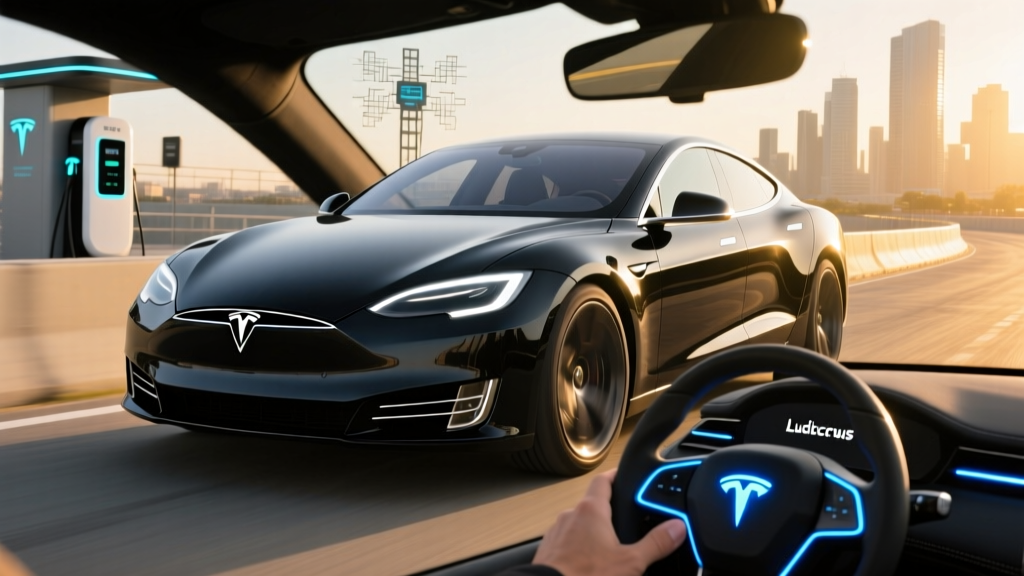
The 2015 Tesla Model S AWD 85D was a watershed vehicle — the first dual-motor, all-wheel-drive production sedan from Tesla, combining a front and rear AC induction motor for a combined 328 horsepower and 361 lb-ft of torque. Over a decade later, it remains a compelling used-EV option for buyers seeking premium space, solid range, and access to the Supercharger network. But with battery degradation, aging tech, and no federal new-vehicle tax credit applicability, prospective buyers need to go in with eyes wide open.
This review breaks down every spec that matters in 2026: real-world range, charging speeds, battery health expectations, and whether the 85D still holds up against modern competitors.
Range, Efficiency & Real-World Expectations
The 2015 Model S 85D carries an EPA-estimated range of 270 miles on a full charge, a figure that was class-leading at launch. Efficiency is rated at 101 MPGe combined (101 city / 102 highway), translating to roughly 33 kWh per 100 miles — competitive even by mid-2020s standards for a large luxury sedan.
EPA Sticker: 270 miles
Highway (70-75 mph, moderate temps): ~230–250 miles
Cold weather (below 32°F / 0°C): ~190–220 miles (15–25% reduction typical for NMC packs without a heat pump)
City / stop-and-go with regen: ~255–270 miles
The 85D lacks a heat pump (Tesla introduced those later), so cabin heating draws directly from the traction battery in winter. Preconditioning while plugged in helps mitigate cold-weather range loss.
| Spec | Value |
|---|---|
| EPA Range | 270 miles |
| Battery (Usable) | ~81 kWh (85 kWh nominal) |
| Battery Chemistry | NMC (Nickel Manganese Cobalt) |
| Drivetrain | Dual-motor AWD (AC induction front + rear) |
| Horsepower | 328 hp (combined) |
| Torque | 361 lb-ft |
| 0–60 mph | 5.2 seconds |
| Efficiency | 101 MPGe / 33 kWh/100 mi |
| Max DC Fast Charge | ~120 kW (Supercharger V2) |
| 10–80% DC Charge Time | ~40 minutes |
| Level 2 Charge Rate | 10 kW (40-amp onboard charger, dual-charger option: 20 kW) |
| Cargo Volume | 26.3 cu ft (rear) + 5.3 cu ft (frunk) = 31.6 cu ft total |
| Rear Legroom | 35.4 inches |
| Original MSRP | ~$81,200 (before incentives) |
| Battery Warranty (Original) | 8 years / unlimited miles |
| Powertrain Warranty | 8 years / unlimited miles |
Battery Health, Degradation & Chemistry
The 85D uses an NMC (nickel manganese cobalt) lithium-ion pack with a nominal capacity of 85 kWh and approximately 81 kWh usable. Tesla's battery management system (BMS) includes a top and bottom buffer to protect cell longevity, but NMC chemistry is more sensitive to sustained high state-of-charge (SoC) than the LFP (lithium iron phosphate) packs used in later base-model Teslas.
Expected degradation in 2026: Data aggregated from Tesla owner forums and fleet studies suggest that 2015-era 85 kWh packs have typically lost 10–18% of original capacity after 100,000–150,000 miles. That translates to a realistic current-day range of 220–245 miles for a well-maintained pack. Units that were frequently Supercharged to 100% or left sitting at full charge in hot climates may show greater degradation.
Replacement cost: A refurbished 85 kWh pack from Tesla Service in 2026 runs approximately $12,000–$16,000 including labor. Third-party EV shops may offer rebuilt packs for $9,000–$13,000. Always check the battery's State of Health (SoH) via the car's service menu or a third-party diagnostic before purchasing.
Charging Speeds: DC Fast, Level 2 & Home Setup
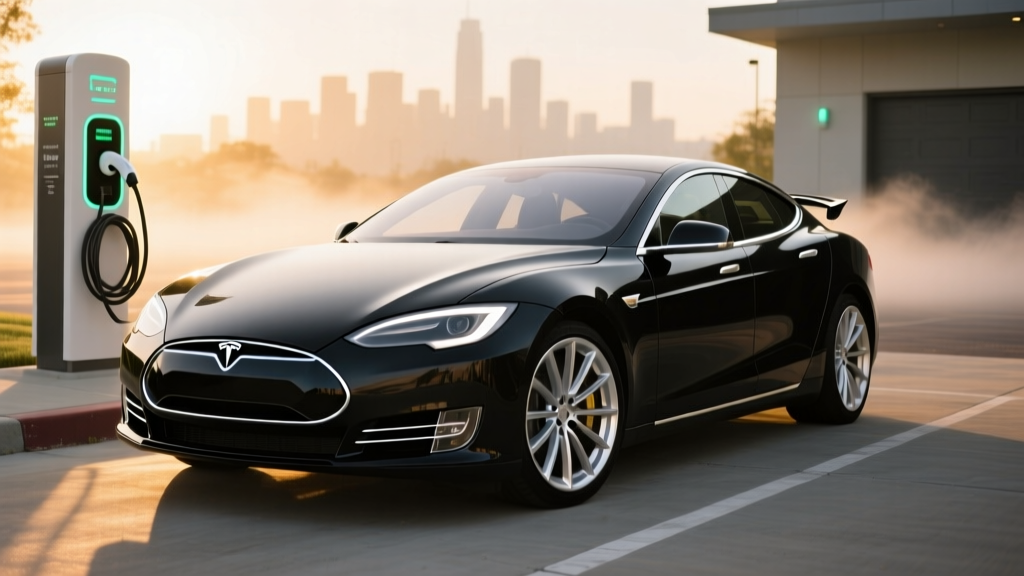
The 2015 Model S 85D uses Tesla's proprietary connector (pre-NACS standardization) and charges natively on the Tesla Supercharger network. For non-Tesla public chargers, you'll need a CCS-to-Tesla adapter (sold by Tesla for ~$250) or a J1772 adapter (included with the car) for Level 2 public stations.
| Charging Level | Power (kW) | Speed (miles of range per hour) | Notes |
|---|---|---|---|
| Level 1 (120V outlet) | ~1.3 kW | ~3–4 mi/hr | Emergency/trickle only |
| Level 2 (240V, 40A single charger) | 10 kW | ~29 mi/hr | Standard onboard charger |
| Level 2 (240V, 80A dual charger) | 20 kW | ~58 mi/hr | Optional dual onboard charger |
| DC Fast (Tesla Supercharger V2) | Up to 120 kW | ~200 mi/hr (peak) | 10–80% in ~40 min; tapers above 80% |
| DC Fast (CCS adapter, 150 kW station) | ~120 kW (car-limited) | ~200 mi/hr (peak) | Requires CCS adapter |
Charging curve reality: The 85D peaks near 120 kW only below ~50% SoC. Above 60%, the rate tapers significantly — expect 60–80 kW from 60–80%, and a crawl from 80–100%. Plan road-trip stops to charge from 10–80% and move on; charging the final 20% takes nearly as long as the first 70%.
Home charging recommendation: Install a Tesla Wall Connector on a 60-amp circuit for the best Level 2 experience. The single-charger 85D will draw up to 40 amps (10 kW), adding roughly 29 miles per hour — enough to fully replenish overnight. Homes with the rare dual-charger option can accept up to 80 amps, but this requires a 100-amp dedicated circuit and significant electrical work.
Performance, Driving Dynamics & Tech
The dual-motor AWD setup delivers 328 hp and a 0–60 mph time of 5.2 seconds — quick by any sedan standard and remarkably composed in wet or snowy conditions thanks to the independent front and rear motor torque distribution. The 85D is not the Ludicrous-mode P85D (which hits 60 in 3.1 seconds), but it's the more efficient, longer-range choice of the two.
Infotainment & Driver Assistance
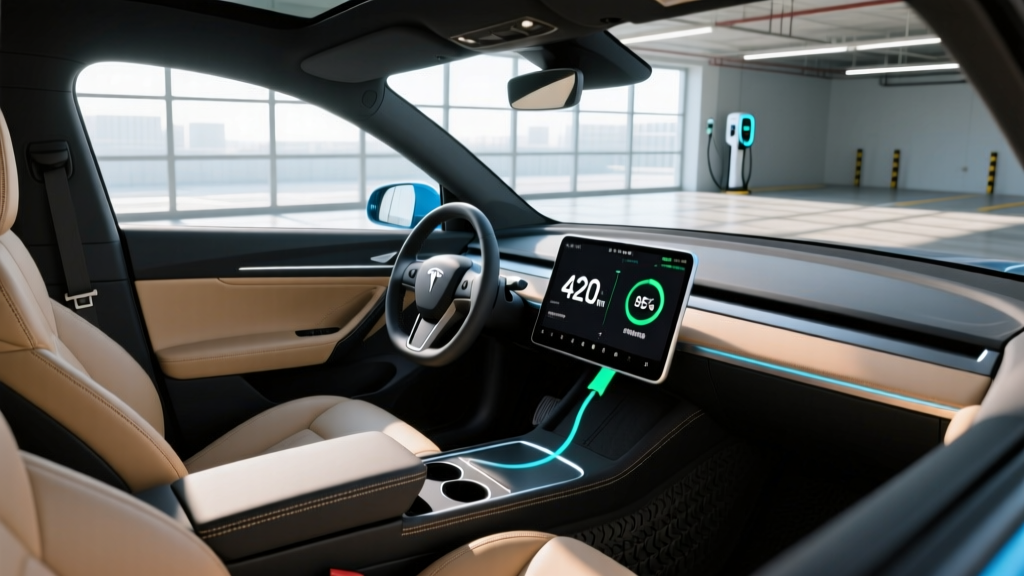
The 2015 Model S features Tesla's 17-inch center touchscreen running a version of Tesla's software that, depending on the car's hardware generation, may or may not support the latest firmware updates. Key tech considerations:
- Autopilot Hardware: Cars built after September 2015 shipped with Hardware 1 (HW1) — Mobileye-based. This supports basic Autopilot (lane-keeping, adaptive cruise) but cannot run Full Self-Driving (FSD). Tesla no longer offers FSD upgrades for HW1 vehicles.
- Over-the-Air Updates: Tesla still pushes minor updates to 2015-era vehicles, but feature additions are limited compared to HW3/HW4 cars.
- Navigation & Media: Built-in navigation, Spotify, and Bluetooth streaming remain functional, though the MCU1 (Media Control Unit) in early 2015 builds is known to develop yellow-tint screen delamination — a $1,500–$2,500 repair or MCU2 upgrade.
Tesla Autopilot on the 2015 Model S (HW1) is a Level 2 driver-assistance system per SAE International's J3016 standard. It provides lane-centering and adaptive cruise control but requires the driver to remain fully engaged, hands on or near the wheel, eyes on the road at all times. This is not autonomous or self-driving capability.
Cargo & Passenger Space
The Model S liftback design is genuinely practical: 26.3 cubic feet behind the rear seats plus a 5.3-cubic-foot front trunk (frunk), totaling 31.6 cu ft — more cargo room than most midsize SUVs. Rear legroom measures 35.4 inches, adequate for adults on longer trips. The flat floor (no transmission tunnel) makes the middle rear seat usable, though the seat cushion is thin.
Used Pricing, Tax Credits & Ownership Costs
The 2015 Model S 85D originally carried an MSRP of approximately $81,200 (including destination). In the 2026 used market, well-maintained examples with 80,000–130,000 miles typically sell for $16,000–$24,000, depending on battery SoH, cosmetic condition, MCU version, and service history.
Federal Tax Credit Eligibility
Because this is a used vehicle, the new-vehicle IRS §30D credit does not apply. However, the Used Clean Vehicle Credit (§25E) may be available:
- Credit amount: 30% of the sale price, up to a maximum of $4,000
- Vehicle price cap: Sale price must be $25,000 or less
- Buyer income limits (2026): AGI must not exceed $75,000 (single), $112,500 (head of household), or $150,000 (joint)
- Dealer requirement: Must purchase from a licensed dealer (private-party sales excluded) and the dealer must report the sale via the IRS Energy Credits Online portal
- Vehicle eligibility: Must be at least 2 model years old, have a GVWR under 14,000 lbs, and the battery must have ≥7 kWh capacity — the 85D qualifies on all counts
At a $20,000 purchase price, the 30% credit yields $4,000 (hitting the cap), bringing the effective cost to $16,000. Consult a tax professional and review current rules at IRS.gov §25E to confirm eligibility.
Insurance & Maintenance
Insurance for a 2015 Model S averages $1,800–$2,600/year depending on state, driving record, and coverage level — higher than comparable gas sedans due to repair costs. Maintenance is minimal: no oil changes, no transmission fluid. Budget for cabin air filter replacement ($100–$150), brake fluid flush every 2 years (~$150), tire rotation, and eventual coolant service for the battery thermal loop.
- 270-mile EPA range still practical for daily use and road trips
- Dual-motor AWD excellent in rain and snow
- 31.6 cu ft total cargo volume (liftback + frunk)
- Access to Tesla Supercharger network (largest reliable DC network in the U.S.)
- Over-the-air updates still delivered
- Up to $4,000 used-EV tax credit available (income/price limits apply)
- HW1 Autopilot cannot run FSD; basic driver-assist only
- MCU1 screen delamination risk; MCU2 upgrade recommended
- No heat pump — significant winter range loss
- NMC battery degradation of 10–18% typical at this age
- DC fast charging limited to ~120 kW (slower than modern 250+ kW EVs)
- Air suspension failures common above 80,000 miles ($1,500–$3,000 per corner)
2015 Model S 85D vs. Modern Competitors
How does the 85D stack up against newer used EVs in a similar price bracket?
| Attribute | 2015 Tesla Model S 85D | 2019 Tesla Model 3 Long Range AWD | 2020 Chevrolet Bolt EV |
|---|---|---|---|
| EPA Range | 270 mi | 310 mi | 259 mi |
| Battery | 85 kWh NMC | 75 kWh NMC | 66 kWh NMC |
| 0–60 mph | 5.2 sec | 4.4 sec | 6.5 sec |
| DC Fast Charge | ~120 kW | ~170 kW | ~55 kW |
| Cargo | 31.6 cu ft | 15 cu ft (trunk) | 16.9 cu ft (hatch) |
| Autopilot / ADAS | HW1 (basic) | HW3 (FSD-capable) | Super Cruise–ineligible |
| Typical Used Price | $16K–$24K | $19K–$26K | $13K–$18K |
Choose the 2015 Model S 85D if: You prioritize cabin space, cargo capacity, a premium ride, and Supercharger access — and you're comfortable budgeting for potential air suspension or MCU repairs.
Choose the 2019 Model 3 LR AWD if: You want newer hardware (HW3, FSD-eligible), faster charging, better range, and lower maintenance risk — and can accept a smaller trunk and firmer ride.
Choose the 2020 Bolt EV if: Budget is the top priority, most driving is local, and you don't need DC fast charging above 55 kW.
Who the 2015 Model S 85D Suits Best
The 85D is ideal for daily commuters with home charging who value a spacious, quiet cabin and all-weather confidence. It works well as a family sedan for school runs and weekend trips within its ~220-mile real-world range envelope. Road trippers should plan Supercharger stops every 180–200 miles in warm weather and every 140–160 miles in winter. It is not suited for towing (Tesla did not rate the 2015 Model S for towing in the U.S. market).
Frequently Asked Questions
What is the real-world range of the 2015 Tesla Model S AWD 85D?
Expect 230–250 miles on the highway in moderate temperatures, 255–270 miles in city driving with regenerative braking, and 190–220 miles in cold weather below freezing. Battery degradation of 10–18% from original capacity will further reduce these figures depending on the pack's State of Health.
How fast does the 85D charge at home and on DC fast chargers?
On a Level 2 home charger (240V, 40A), the single-charger 85D accepts up to 10 kW, adding roughly 29 miles of range per hour — a full charge takes about 8–9 hours. On a Tesla Supercharger V2, it peaks at approximately 120 kW, charging from 10–80% in about 40 minutes. The rate tapers sharply above 80% SoC.
Does the 2015 Model S 85D qualify for any federal tax credit?
Not the new-vehicle §30D credit. However, if purchased from a licensed dealer for $25,000 or less, and the buyer's AGI falls within IRS limits ($75K single / $150K joint), the §25E Used Clean Vehicle Credit provides 30% of the sale price, up to $4,000. Private-party purchases do not qualify.
Is the 2015 Model S 85D worth buying in 2026?
Yes, for the right buyer. At $16,000–$24,000, it offers more range, space, and performance than most used EVs in this price range. The key risks are battery replacement cost ($12K–$16K if the pack fails out of warranty), air suspension repairs, and MCU1 screen issues. A pre-purchase battery health check is essential.
Can the 2015 Model S 85D use non-Tesla chargers?
Yes, with adapters. The included J1772 adapter works for all public Level 2 stations. For CCS DC fast chargers (Electrify America, EVgo, etc.), you'll need Tesla's CCS-to-Tesla adapter (~$250). The 85D cannot use NACS-native stations without an adapter since its port is the legacy Tesla connector.
What should I check before buying a used 2015 Model S 85D?
Prioritize: (1) Battery State of Health via the service menu or Scan My Tesla OBD dongle — look for less than 15% degradation. (2) MCU version — MCU2 is preferred; MCU1 is prone to screen failure. (3) Air suspension condition — listen for compressor cycling and check for sagging corners. (4) Drive unit whine — excessive noise from the front or rear motor may indicate impending bearing or inverter issues. (5) Service history for coolant flushes on the battery thermal management loop.