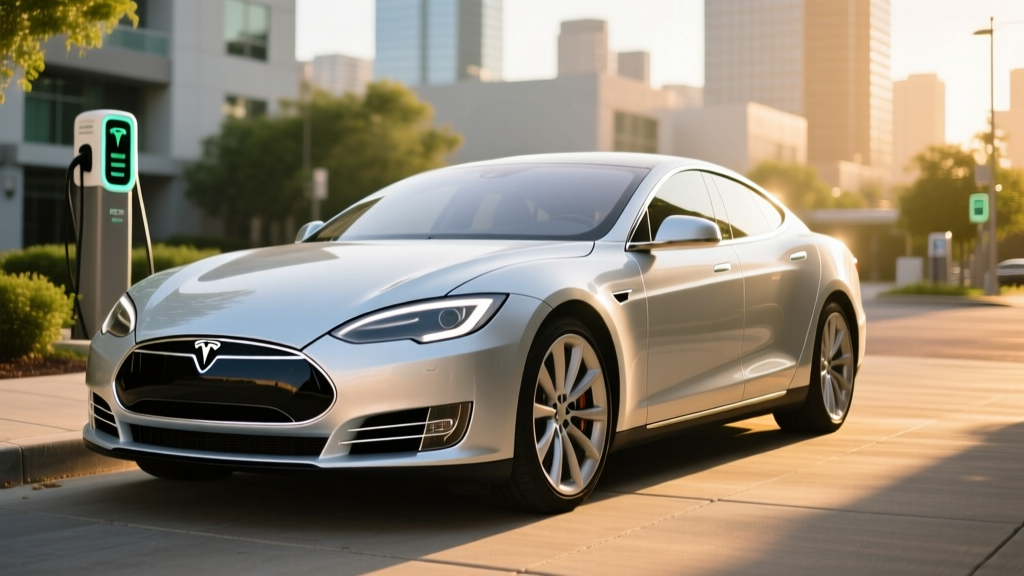
Quick Verdict: The 2015 Tesla 70D as a Used EV in 2026
The 2015 Tesla Model S 70D occupies a unique position in the used EV market. It was the first dual-motor, all-wheel-drive Model S variant Tesla produced, combining a 70 kWh (usable) battery pack with front and rear electric motors for a combined 329 horsepower. In 2026, these cars are trading between $12,000 and $20,000 depending on mileage, battery state of health (SoH), and Autopilot hardware generation — making them one of the most affordable entry points into a premium long-range EV.
But a 10-year-old EV purchase demands scrutiny. The battery is the car's most expensive component, and Tesla's 8-year/unlimited-mile battery warranty on 2015 models has now expired for every 70D on the road. Buyers need to understand real-world range, charging limitations, and what to inspect before handing over cash. This review breaks down every number that matters.
2015 Tesla 70D Specifications at a Glance
| Attribute | Value |
|---|---|
| EPA Range (original sticker) | 240 miles |
| Battery Capacity (usable) | ~68.8 kWh (70 kWh nominal, NMC chemistry) |
| Drivetrain | Dual-motor AWD |
| Combined Horsepower | 329 hp (259 hp front + 259 hp rear, software-limited) |
| 0–60 mph | 5.2 seconds |
| Top Speed | 140 mph |
| EPA Efficiency | 101 MPGe combined (33 kWh/100 mi) |
| DC Fast Charge (max) | ~120 kW peak (V2 Supercharger) |
| Level 2 Charge Rate | 10 kW onboard charger (standard); dual charger option: 20 kW |
| 10–80% DC Fast Charge | ~40–45 minutes |
| Connector | Tesla proprietary (NACS-compatible) |
| Cargo Volume | 26.3 cu ft (rear trunk); 5.3 cu ft (frunk); 58.1 cu ft (rear seats folded) |
| Seating | 5 standard (7-passenger rear-facing jump seat option) |
| Original MSRP | $75,000 (before incentives) |
| 2026 Used Price Range | $12,000–$20,000 |
| Battery Warranty (original) | 8 years / unlimited miles — now expired on all 2015 units |
| Drivetrain Warranty (original) | 8 years / unlimited miles — now expired on all 2015 units |
Real-World Range: What 240 EPA Miles Means Today
EPA Sticker: 240 miles (when new)
Real-World Highway (70 mph, moderate temps): ~190–210 miles with a healthy battery
Real-World City/Suburban (mixed): ~210–230 miles
Cold Weather (below 32°F, highway): ~150–175 miles
Expected Degradation: A 2015 70D in 2026 will likely show 10–20% battery capacity loss depending on charging history and climate, reducing effective range proportionally.
The 70 kWh NMC (nickel-manganese-cobalt) battery pack was designed for energy density and performance, not longevity at high state-of-charge. Tesla's early NMC cells are known to degrade faster than the LFP (lithium iron phosphate) chemistry used in later standard-range models. Owners who frequently charged to 100% or regularly used DC fast charging will see the high end of that degradation curve — sometimes 20% or more capacity loss after 10 years.
Before purchasing, check the car's energy screen. A fully charged 70D with a healthy battery should display a "rated range" near 200–220 miles at 100% SoC. If the car shows 170 or fewer rated miles at full charge, the battery has experienced significant degradation and a replacement (currently $12,000–$16,000 from Tesla or $8,000–$12,000 from third-party shops) may be in the near future. Factor that into your purchase negotiation.
The 70D's dual-motor AWD system recovers energy efficiently in stop-and-go traffic, so city driving often yields better range than highway cruising at 75+ mph. In cold weather, the 70D lacks the heat pump Tesla introduced in the Model Y and refreshed Model S — it uses resistive heating, which draws heavily from the battery and can cut range by 25–35% in freezing conditions.
Charging: Speeds, Connectors, and Infrastructure Access
The 2015 Model S 70D charges via Tesla's proprietary connector (now standardized as NACS — North American Charging Standard). This is an advantage in 2026: Tesla's Supercharger network is the most reliable DC fast-charging infrastructure in the U.S., with over 7,000 stations and 70,000+ stalls nationwide.
| Charging Level | Power (kW) | Speed (miles of range per hour) | Notes |
|---|---|---|---|
| Level 1 (120V household) | ~1.4 kW | ~3–4 mi/hr | Emergency/trickle only; 60+ hours for a full charge |
| Level 2 (240V, single charger) | 10 kW | ~28–30 mi/hr | Standard onboard charger; ~7 hours for full charge |
| Level 2 (240V, dual charger option) | 20 kW | ~56–58 mi/hr | Rare option; requires 100A circuit; ~3.5 hours full |
| DC Fast Charge (V2 Supercharger) | ~120 kW peak | ~200+ mi/hr (at peak) | 10–80% in ~40–45 min; tapers sharply above 80% |
| DC Fast Charge (V3/V4 Supercharger) | ~120 kW (car-limited) | Same as V2 | Car cannot accept 250 kW; V3 stall won't charge faster |
A critical point for prospective buyers: the 70D's peak DC fast-charge rate is approximately 120 kW. While newer Tesla V3 and V4 Superchargers can deliver 250+ kW, the 70D's battery management system caps intake well below that. You will not charge faster at a V3 stall than at a V2 stall. The charging curve also tapers significantly above 60% SoC — expect the 60–80% portion to take nearly as long as 10–60%.
For home Level 2 charging, the standard 10 kW onboard charger adds roughly 29 miles of range per hour. A full charge from 10% takes about 7 hours — adequate for overnight charging if you drive under 200 miles daily. The optional dual-charger configuration (20 kW) was a $3,600 factory upgrade in 2015 and is uncommon; verify whether a specific used 70D has it by checking the charging screen for "Dual Chargers" under vehicle settings.
Regarding non-Tesla public chargers: the 2015 70D predates CCS adoption. To use Electrify America, EVgo, or other CCS-based networks, you need a Tesla CHAdeMO adapter (discontinued) or a third-party CCS-to-NACS adapter (available in 2026 from companies like Lectron and A2Z, typically $200–$350). Verify adapter compatibility with the 70D's older firmware before purchasing.
Performance and Driving Dynamics
The dual-motor setup gives the 70D a 5.2-second 0–60 mph time — respectable even by 2026 EV standards, though it's been surpassed by the Model 3 Performance (2.9s) and newer Model S Plaid (1.99s). The instantaneous electric torque delivery makes the 70D feel quicker in real-world driving than the 5.2-second figure suggests, particularly in 0–30 mph city acceleration.
The AWD system provides genuine all-weather capability. Each axle has its own motor, and traction control responds in milliseconds — no mechanical linkage, no driveshaft lag. In snow and rain, the 70D's stability is a meaningful upgrade over the RWD Model S 70 (single motor) produced the same year.
Ride quality reflects the pre-refresh Model S architecture. The air suspension (standard on most 70Ds, though some were built with coil springs) delivers a comfortable highway ride but can be costly to repair — replacement air struts run $1,500–$2,500 per corner. Listen for clunks over bumps during a test drive, which often indicate worn suspension components.
Technology, Autopilot, and Interior
The 2015 Model S 70D was available with two distinct Autopilot hardware generations, and this distinction critically affects the car's capabilities and value:
Hardware 1 (HW1 — Mobileye-based, built Sept 2014 – Oct 2016): This is the original Autopilot system. It supports basic Adaptive Cruise Control and Lane Keeping Assist (SAE Level 2). It does NOT support Navigate on Autopilot, Smart Summon, traffic light recognition, or any form of Full Self-Driving (FSD). Tesla has largely stopped updating HW1 software.
Hardware 2 (HW2 — Tesla Vision, built from Oct 2016 onward): Some late-build 2015 model-year vehicles received HW2. These cars can run Enhanced Autopilot and, in some cases, FSD (Supervised). Always verify which hardware a specific car has — check Settings → Software → Autopilot Information.
All Tesla Autopilot and FSD (Supervised) features are SAE Level 2 driver-assist systems. The driver must remain fully engaged, hands on or near the wheel, and eyes on the road at all times. These are NOT self-driving systems. Only SAE Level 4 services like Waymo operate without a human driver in defined geographic zones.
The 17-inch center touchscreen was revolutionary in 2015 but shows its age in 2026. The MCU1 (Media Control Unit 1) processor — an NVIDIA Tegra 3 — is noticeably sluggish by modern standards. Map rendering stutters, app loading is slow, and the screen is prone to delamination (yellowing/bubbling at the edges). Tesla offered an MCU2 upgrade (Intel Atom processor) for ~$2,250, which dramatically improves responsiveness and enables newer software features. Check whether a used 70D has received this upgrade.
Interior materials in the 2015 Model S are mixed. The "Next Gen" seats introduced in 2015 improved comfort over the original seats, but leather quality varies. The panoramic glass roof (standard) adds openness but can develop rattles and, in rare cases, cracking. Cargo space is generous: 26.3 cu ft in the rear trunk, 5.3 cu ft in the frunk, and 58.1 cu ft with the rear seats folded — enough for serious road-trip luggage or a week's groceries.
Pricing, Tax Credits, and Used-Buying Economics
The 2015 Model S 70D originally started at $75,000 (before the $7,500 federal credit and any state incentives available at the time). In 2026, used examples trade in a wide band depending on condition, mileage, and battery health:
| Condition / Configuration | Approximate Price |
|---|---|
| High mileage (100k+ mi), degraded battery (<180 mi rated) | $10,000–$13,000 |
| Average (70–90k mi), decent battery (190–210 mi rated) | $14,000–$17,000 |
| Low mileage (<60k mi), strong battery, MCU2 upgrade, HW2 | $18,000–$22,000 |
As of 2026, the IRS §25E used clean vehicle credit offers up to $4,000 (or 30% of the sale price, whichever is lower) on qualifying used EVs. Key requirements:
- Sale price must be $25,000 or less (most 70Ds qualify)
- Buyer AGI limits: $75,000 (single), $112,500 (head of household), $150,000 (joint)
- Vehicle must be at least 2 model years old (2015 qualifies)
- Must purchase from a licensed dealer (private-party sales do not qualify)
- Credit is non-refundable and can only be claimed once per vehicle VIN
The new-vehicle §30D federal tax credit does not apply here — the 70D is long out of production, and the credit is only available on new vehicle purchases. However, the §25E used credit is specifically designed for vehicles like this and can meaningfully reduce acquisition cost.
Who the 2015 Tesla 70D Suits Best
Ideal buyer: A budget-conscious commuter who wants premium EV comfort, dual-motor AWD for inclement weather, and Supercharger access for occasional road trips — and who can absorb potential repair costs. If your daily round-trip commute is under 120 miles, the 70D's real-world range (even with degradation) covers it comfortably with margin for errands and detours.
Less ideal: Anyone without reliable home charging. The 70D's 120 kW DC fast-charge ceiling means public-charging-only ownership will be time-consuming — 40+ minutes per session, multiple times per week in winter. Also less ideal for buyers who want cutting-edge driver-assist tech; HW1 Autopilot is basic and unlikely to receive meaningful future updates.
Not recommended for: Long-distance road-trippers who regularly drive 400+ miles in a day. The 70D's degraded range and moderate charging speed add significant time to multi-state drives compared to a newer Model 3 Long Range (358 mi EPA, 250 kW charging).
Pros, Cons, and Competitor Comparison
Pros
- Dual-motor AWD at a sub-$15,000 price point
- Access to Tesla Supercharger network (most reliable in the U.S.)
- Spacious interior with 26.3 cu ft trunk + 5.3 cu ft frunk
- Over-the-air software updates still supported (limited)
- Strong regenerative braking enables one-pedal driving
- Premium ride quality with available air suspension
Cons
- Battery warranty expired — replacement costs $8,000–$16,000
- 120 kW peak DC charge rate is slow by 2026 standards
- MCU1 processor is sluggish; screen delamination common
- HW1 Autopilot is outdated; no FSD capability
- No heat pump — significant cold-weather range loss
- Air suspension failures are expensive ($1,500–$2,500/strut)
- Resistive cabin heater draws heavy battery load
Key competitors in the 2026 used market ($12,000–$20,000):
| Vehicle | EPA Range | DC Fast Charge | AWD? | Supercharger? | Typical Price |
|---|---|---|---|---|---|
| 2015 Tesla 70D | 240 mi | ~120 kW | Yes | Yes (native) | $12,000–$20,000 |
| 2017 Chevy Bolt EV | 238 mi | ~55 kW | No | Adapter needed | $10,000–$14,000 |
| 2016 Nissan Leaf (30 kWh) | 107 mi | ~50 kW (CHAdeMO) | No | Adapter needed | $7,000–$10,000 |
| 2018 Tesla Model 3 LR RWD | 310 mi | ~250 kW | No | Yes (native) | $18,000–$24,000 |
| 2017 BMW i3 (94 Ah) | 114 mi | ~50 kW | No | Adapter needed | $11,000–$15,000 |
The 70D's primary advantage over these alternatives is the combination of AWD, range, and native Supercharger access. The 2018 Model 3 Long Range is a superior car in almost every metric (range, charging speed, tech) but commands a higher price. The Chevy Bolt offers excellent value but lacks AWD and charges painfully slowly on DC. The 70D occupies a middle ground: more capable than budget hatchbacks, less refined than newer Teslas.
Pre-Purchase Checklist: What to Inspect
If you're seriously considering a 2015 70D, run through these items during your evaluation:
- Battery SoH: Charge to 100% and note the rated range display. Under 180 miles = significant degradation.
- Autopilot Hardware: Navigate to Settings → Software → Autopilot to confirm HW1 vs. HW2.
- MCU Version: Check if MCU2 (Intel Atom) has been installed — the touchscreen should respond quickly and display a modern interface.
- Air Suspension: Cycle through all ride heights. Listen for compressor noise and check for uneven ride height after parking overnight.
- Drive Unit Noise: The front and rear drive units can develop bearing whine. Listen for unusual sounds during acceleration above 40 mph.
- Service History: Request records from Tesla Service or a qualified independent EV shop. Battery coolant flush history is important — neglected coolant can lead to battery pack corrosion.
- Title Status: Verify the car has a clean title. Salvage-title Teslas lose Supercharger access permanently in most cases.
Frequently Asked Questions
What is the real-world range of the 2015 Tesla 70D in 2026?
With a healthy battery (10–15% degradation), expect 190–210 miles on the highway and 210–230 miles in mixed city driving. Cold weather (below freezing) can drop that to 150–175 miles. Cars with heavier degradation may show 160–180 real-world miles. Always verify by checking the rated range at 100% SoC before purchasing.
How fast does the 70D charge on DC fast chargers and at home?
The 70D peaks at approximately 120 kW on a V2 (or newer) Supercharger, achieving a 10–80% charge in roughly 40–45 minutes. At home on a 240V Level 2 connection with the standard single charger, it charges at 10 kW (~29 miles of range per hour), taking about 7 hours for a full charge. The rare dual-charger option doubles that to 20 kW.
Does the 2015 Tesla 70D qualify for any federal tax credit?
Not the §30D new-vehicle credit — that only applies to new purchases. However, the IRS §25E used clean vehicle credit may provide up to $4,000 if you buy from a licensed dealer, the sale price is $25,000 or less, and your adjusted gross income falls within the limits ($75,000 single / $150,000 joint). Consult a tax professional to confirm eligibility.
Is the 2015 70D worth buying over a used Model 3?
It depends on priorities. The Model 3 Long Range (2018+) offers more range (310 mi EPA), faster charging (~250 kW), and newer tech — but costs $18,000–$24,000 used. The 70D gives you AWD, a larger cabin, more cargo space, and a lower price ($12,000–$17,000 for a solid example). If AWD and interior space matter more than charging speed and the latest software, the 70D has a strong value proposition.
What happens if the battery fails?
The 8-year/unlimited-mile battery warranty has expired on all 2015 70Ds. A Tesla replacement battery pack currently costs $12,000–$16,000 including labor. Third-party EV repair shops can sometimes source refurbished packs for $8,000–$12,000. Before buying, get a battery health assessment — either through Tesla Service or an independent EV specialist who can pull detailed cell-balancing and capacity data.
Can I still get software updates on a 2015 70D?
Yes, Tesla continues to push limited over-the-air updates to 2015 Model S vehicles. However, cars with the original MCU1 processor receive fewer features and slower performance. Major new features (like the redesigned UI or entertainment apps) typically require MCU2. Safety-related and battery-management updates are still delivered regardless of hardware generation.
Sources: EPA Fuel Economy — 2015 Tesla Model S, IRS §25E Used Clean Vehicle Credit, Tesla Legacy Models Support