Quick Verdict: The 2015 Smart Fortwo Electric Drive in 2026
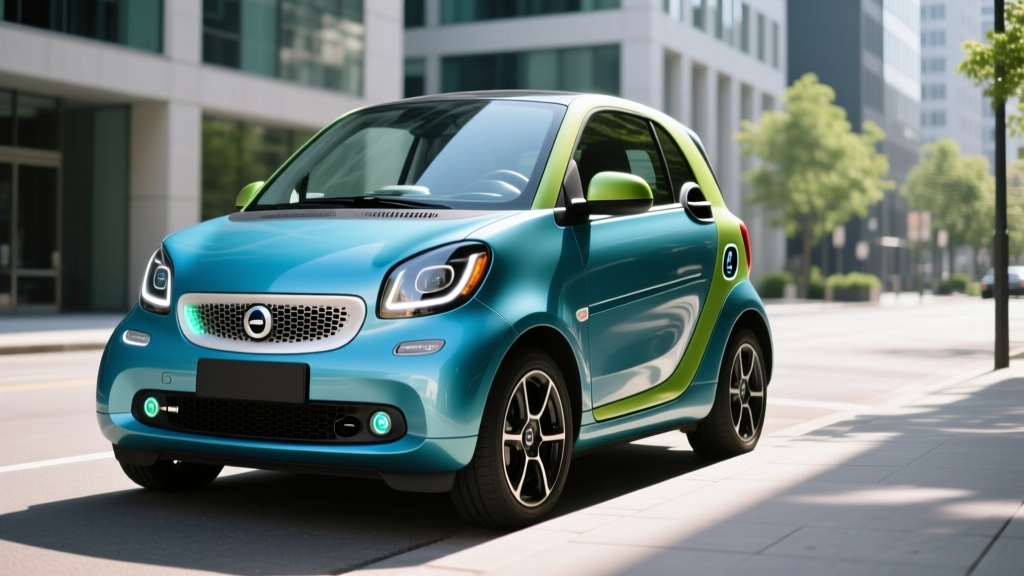
The 2015 Smart Fortwo Electric Drive (ED) delivers an EPA-estimated 68 miles of range from its 17.6 kWh battery. In 2026, used examples typically sell for $5,000–$8,500 depending on mileage and battery health. It works as a hyper-local city commuter if you can charge at home, but its limited range, discontinued status (Smart exited the U.S. after 2019), and lack of DC fast charging make it impractical as a primary vehicle. Expect real-world range of 50–60 miles in mixed driving, dropping to 40–50 miles in cold weather.
Range, Battery, and Efficiency: The Hard Numbers
Smart equipped the 2015 Fortwo ED with a 17.6 kWh lithium-ion battery pack (NMC chemistry) mounted between the axles. The EPA rated it at 68 miles of combined range, with an efficiency figure of 107 MPGe (31 kWh/100 mi). According to fueleconomy.gov, that placed it mid-pack among 2015 EVs — far behind the Nissan Leaf's 84 miles and well short of the Tesla Model S.
EPA Sticker vs. Real-World Range
EPA estimate: 68 miles combined
Real-world city (mild weather): 60–68 miles
Real-world highway (65–70 mph): 48–55 miles
Cold weather (below 32°F): 40–50 miles (30–40% loss due to cabin heating and battery chemistry)
The Fortwo ED has no active thermal management for its battery — just passive air cooling. This means degradation accelerates in hot climates and range drops sharply in cold ones.
The electric motor produces 74 horsepower (55 kW) and 96 lb-ft of torque, delivering a 0–60 mph time of approximately 11.5 seconds. Top speed is electronically limited to 78 mph. This is adequate for urban merging but strained at sustained highway speeds.
Charging: Level 2 Only, No Fast Charging
This is where the 2015 Fortwo ED shows its age most clearly. The car supports only AC Level 1 and Level 2 charging — there is no DC fast charging capability whatsoever.
| Level | Voltage / Power | Time (Empty to Full) | Miles Added per Hour |
|---|---|---|---|
| Level 1 (120V) | 1.4 kW | ~13–14 hours | ~5 mi/hr |
| Level 2 (240V, 16A) | 3.3 kW | ~5–6 hours | ~12 mi/hr |
| DC Fast Charge | Not supported | N/A | N/A |
The onboard charger maxes out at 3.3 kW, meaning even if you plug into a 7.2 kW or 11.5 kW Level 2 station, the car will only pull 3.3 kW. A full charge from empty takes roughly 5–6 hours on Level 2. For a 68-mile-range car, this means you're essentially charging every night, and any mid-day top-up requires significant planning.
The car uses a standard J1772 connector, which is compatible with virtually all public Level 2 stations in the U.S. However, without DC fast charging, road trips are effectively off the table — a 100-mile journey would require a 5+ hour charging stop at a destination Level 2 charger, assuming one exists.
Cost Breakdown: Purchase, Charging, and Ownership
The 2015 Fortwo ED's appeal in 2026 is almost entirely financial. Here's what ownership actually costs.
| Category | 2015 Fortwo ED | 2015 Gas Subcompact (e.g., Honda Fit) |
|---|---|---|
| Purchase Price (Used, 2026) | $5,000–$8,500 | $8,000–$12,000 |
| Fuel/Energy (8,000 mi/yr @ $0.14/kWh) | $348/yr | $1,067/yr (30 MPG @ $4.00/gal) |
| Maintenance (annual avg) | $300–$500 | $600–$900 |
| Insurance (annual avg) | $900–$1,200 | $1,000–$1,400 |
| Federal Tax Credit (§30D) | Not eligible (used EV credit expired/limited) | N/A |
| Total Year 1 (purchase + operating) | $6,548–$10,200 | $9,667–$14,367 |
Key savings: The Fortwo ED saves roughly $700–$1,100 per year on energy and maintenance compared to a gas equivalent, primarily because electricity costs less per mile than gasoline and EVs skip oil changes, spark plugs, and exhaust repairs.
Important tax credit note: The 2015 Fortwo ED does not qualify for the new-vehicle §30D federal tax credit (the car is discontinued and was never eligible under current battery-sourcing rules). The IRS previously offered a $4,000 used-EV credit under §25E, but eligibility requires the vehicle to be on the IRS qualified list, priced under $25,000, and sold through a licensed dealer. Check current IRS guidance — the Fortwo ED's age and Smart's U.S. exit complicate eligibility.
Home Charging Installation
If you don't already have a 240V outlet, expect to pay $500–$1,500 for a Level 2 home charging setup (assuming your electrical panel has capacity). The Fortwo ED's 3.3 kW draw is gentle on home wiring, so a panel upgrade is rarely needed. However, apartment dwellers without dedicated parking and charging access face a serious barrier — public Level 2 charging is possible but inconvenient for daily use.
Common Misconceptions: Myth vs. Fact
| Myth | Fact |
|---|---|
| "It's a great cheap EV for anyone." | Only viable if you have home charging, a short commute (<40 mi round-trip), and a second car for longer trips. |
| "68 miles of range is enough for daily driving." | The average American drives ~37 miles/day, but highway driving, A/C, and cold weather cut real range to 40–55 miles — leaving thin margins. |
| "The battery will need expensive replacement." | Smart warranted the battery for 8 years/100,000 miles. In 2026, most 2015 units are out of warranty. Replacement batteries are scarce and costly ($6,000–$10,000+ if available). Check State of Health (SoH) before buying. |
| "It charges fast at public stations." | The 3.3 kW onboard charger means even a 50 kW public Level 2 station charges it at just 3.3 kW — roughly 12 miles of range per hour. |
| "Smart still supports it in the U.S." | Mercedes-Benz (Smart's parent) exited the U.S. market after the 2019 model year. Parts and service are available through select Mercedes dealers, but availability is limited. |
EV vs. Gas vs. Hybrid: Where Does the Fortwo ED Fit?
| Vehicle | Type | Range / MPG | Used Price (2026) | Best For |
|---|---|---|---|---|
| Smart Fortwo ED | BEV | 68 mi (EPA) | $5,000–$8,500 | Ultra-short city commutes, home charging |
| Nissan Leaf (2015) | BEV | 84 mi (EPA) | $6,000–$9,500 | Slightly longer commutes, more cargo |
| Toyota Prius (2015) | HEV | 50 MPG combined | $9,000–$13,000 | No charging needed, long trips, reliability |
| Chevrolet Volt (2015) | PHEV | 38 mi electric + gas | $8,000–$12,000 | Electric commute + gas backup for trips |
| Honda Fit (2015) | Gas | 36 MPG combined | $8,000–$12,000 | Budget-friendly, versatile cargo |
The Fortwo ED wins on purchase price and per-mile energy cost but loses on range, practicality, and support infrastructure. A used Chevy Volt or Prius offers far more flexibility for similar money, while a used Nissan Leaf provides 20% more range and a larger, more practical hatchback body.
Battery Health and Degradation: What to Check Before Buying
With 2015 models now 11 years old, battery degradation is the single biggest risk. The 17.6 kWh pack uses NMC chemistry with no active thermal management, making it vulnerable to:
- Heat degradation: Cars in Arizona, Texas, or Southern California may have lost 20–35% of original capacity.
- Cold-climate capacity loss: Less severe than heat, but repeated deep discharges in freezing temps accelerate wear.
- Calendar aging: Even low-mileage examples lose 2–3% capacity per year simply from age.
Before purchasing, demand a battery State of Health (SoH) reading. A healthy pack should show 75–85% SoH at this age. Anything below 70% means real-world range drops to roughly 40–45 miles — dangerously thin for most commutes. Independent EV shops can perform this test; some OBD2 apps (like LeafSpy for Nissan, though Smart-specific tools are rarer) can read SoH data.
Mercedes-Benz provided an 8-year/100,000-mile battery warranty covering defects and capacity loss below 70%. As of 2023, all 2015 models are out of this warranty window. A replacement battery, if one can be sourced, costs $6,000–$10,000+ — potentially exceeding the car's value.
Decision Framework: Should You Buy One?
Choose the 2015 Smart Fortwo ED If:
- Your daily round-trip commute is under 35 miles with no highway segments
- You have reliable home Level 2 charging (garage or dedicated driveway outlet)
- You own or have access to a second vehicle for longer trips, errands, or passengers
- You live in a mild climate (minimal sub-freezing days, moderate summers)
- Your budget is under $8,000 and you want the lowest possible operating cost
- You can verify battery SoH above 75% before purchase
Skip It and Consider Alternatives If:
- Your commute exceeds 40 miles round-trip or includes sustained highway driving
- You lack home charging and would rely on public Level 2 stations daily
- You need this as your only vehicle
- You live in extreme heat (Phoenix, Las Vegas) or extreme cold (Minnesota, Maine)
- You need back seats, meaningful cargo space, or modern safety tech (the Fortwo has no rear seats and minimal crash-test data from IIHS)
- The battery SoH reads below 70%
Frequently Asked Questions
Can I take a 2015 Smart Fortwo ED on a road trip?
Practically, no. With 68 miles of EPA range, no DC fast charging, and a 3.3 kW AC charger, a 200-mile trip would require 3–4 charging stops of 5+ hours each. This car is a city runabout, not a travel vehicle.
Is the 2015 Fortwo ED eligible for any federal tax credits?
Not the new-vehicle §30D credit. The used-EV credit (§25E, up to $4,000) has strict requirements including dealer sale, price under $25,000, and IRS qualification. Smart's U.S. exit complicates this. Consult a tax professional or the IRS for your specific situation.
What happens if the battery fails out of warranty?
You face a $6,000–$10,000+ replacement cost from a Mercedes dealer (if parts are available), which likely exceeds the car's value. Some independent EV repair shops can refurbish packs for less, but options are limited given Smart's small U.S. footprint. This is the primary financial risk of ownership.
How does the Fortwo ED compare to a modern budget EV like the Chevy Bolt?
The 2022–2023 Chevy Bolt EV (now discontinued but widely available used for $15,000–$20,000) offers 259 miles of EPA range, DC fast charging at 55 kW, a modern interior, and far more cargo space. The Fortwo ED costs roughly half as much to buy but delivers a quarter of the range with none of the road-trip capability.
Is it safe to drive a Smart Fortwo in city traffic?
The Fortwo's steel safety cell (the "Tridion" cage) is surprisingly robust for its size, and it earned acceptable ratings in its era. However, it lacks modern ADAS features — no automatic emergency braking, lane-keeping, or blind-spot monitoring. In mixed traffic with larger vehicles, its small stature is a visibility and physics disadvantage. Check NHTSA ratings for specific crash-test data.
What's the real cost per mile to drive the Fortwo ED?
At the U.S. average electricity rate of ~$0.14/kWh and its consumption of 31 kWh/100 mi, the Fortwo ED costs roughly $0.043 per mile to fuel. A comparable gas car at 30 MPG and $4.00/gallon costs $0.133 per mile — roughly three times more. Over 8,000 miles per year, that's a $720 annual energy savings.