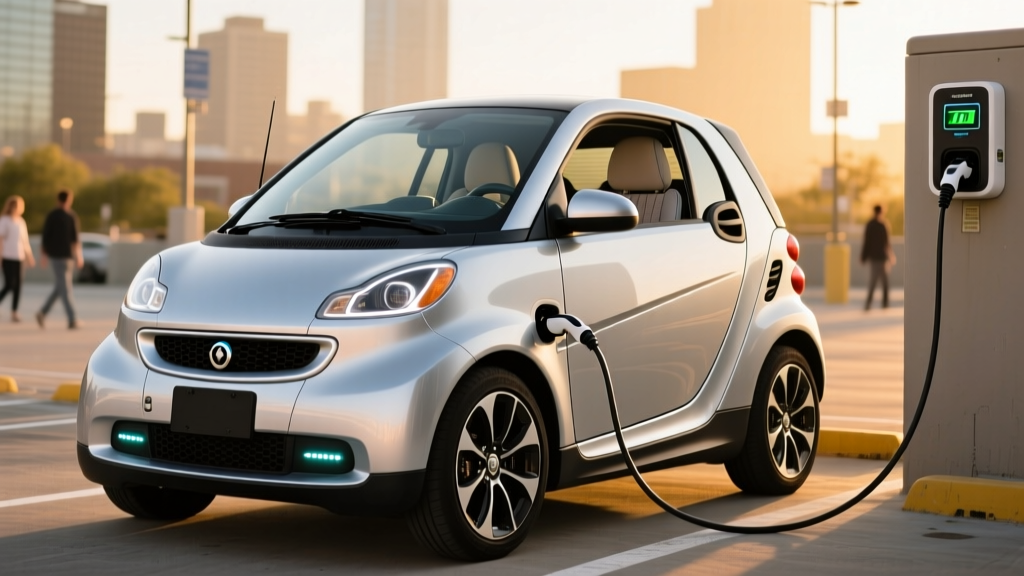
The Quick Answer: Should You Buy a Used 2015 Smart Electric Drive?
The 2015 Smart Electric Drive (ED) delivers just 68 miles of EPA-rated range from its 17.6 kWh battery, with a top speed around 78 mph and DC fast charging that peaks at roughly 22 kW. It works exclusively as a city commuter for drivers with reliable home charging, short round trips under 40 miles, and no highway obligations. Used examples typically sell for $5,000–$8,500 depending on mileage and battery state of health. It will not qualify for the federal §30D used-EV tax credit because the vehicle's original MSRP and model-year status place it outside current eligibility thresholds for most buyers. If your commute is longer, you drive in extreme cold, or you lack Level 2 home charging, skip it and look at a used Chevrolet Bolt EV or Nissan Leaf instead.
Range, Battery, and What 68 EPA Miles Means in the Real World
The 2015 Smart Fortwo Electric Drive carries a 17.6 kWh lithium-ion battery pack (NMC chemistry), of which approximately 15.5 kWh is usable capacity. The EPA rated it at 68 miles of combined range, with an efficiency figure of 107 MPGe combined (city 122 / highway 93). That efficiency number sounds impressive until you remember the car weighs under 2,100 pounds and produces only 74 horsepower.
Real-World Range Reality Check
EPA Sticker: 68 miles combined
Expect in practice:
- Mild weather, city driving (30–45 mph): 60–70 miles achievable
- Highway driving (65–75 mph): 45–55 miles due to aerodynamic drag on the boxy shape
- Cold weather (below 35°F): 35–50 miles — resistive cabin heating draws heavily from the small pack, and there is no heat pump
- With battery degradation (10+ years old): Subtract 10–20% from all figures above unless battery state-of-health testing confirms otherwise
This car has no meaningful range buffer. When the dashboard low-battery warning illuminates, you have roughly 5–8 miles remaining. Plan trips accordingly.
The battery was manufactured by Deutsche Accumotive (a Daimler subsidiary), and Smart provided an 8-year / 100,000-mile battery warranty on new vehicles, guaranteeing at least 70% capacity retention. Since we are now in 2026, most 2015 models are either out of warranty or approaching the 100,000-mile threshold. Before purchasing, demand a battery state-of-health (SoH) reading from a Mercedes-Benz/Smart dealer or a qualified independent EV shop. A pack showing below 80% SoH will reduce your already limited range to potentially under 50 real-world miles.
| Specification | Value |
|---|---|
| EPA Range | 68 miles (combined) |
| Battery Capacity | 17.6 kWh total / ~15.5 kWh usable (NMC) |
| Efficiency | 107 MPGe combined (122 city / 93 hwy) |
| Motor Output | 55 kW (74 hp), 96 lb-ft torque |
| 0–60 mph | ~11.5 seconds |
| Top Speed | 78 mph (electronically limited) |
| Level 2 AC Charging | 3.3 kW onboard charger (J1772 connector) |
| DC Fast Charging | ~22 kW max (CHAdeMO, optional on some trims) |
| Level 2 Charge Time (0–100%) | ~5–6 hours |
| DC Fast Charge (10–80%) | ~30–40 minutes |
| Battery Warranty (Original) | 8 years / 100,000 miles (70% capacity) |
| Original MSRP (new) | $25,000 (Coupe) / $28,000 (Cabrio) |
| Typical Used Price (2026) | $5,000–$8,500 |
Charging: What You Need to Know Before You Plug In
The 2015 Smart ED comes with a 3.3 kW onboard charger, which is slow even by 2015 standards. Using a standard 120V household outlet (Level 1), expect roughly 1.0–1.4 kW of charging power, adding about 4–5 miles of range per hour. A full charge from empty on Level 1 takes 14–16 hours — meaning you cannot rely on overnight Level 1 charging if you deplete the battery significantly.
A Level 2 home charger (240V, 16A or higher) is strongly recommended and will fully recharge the pack in about 5–6 hours. Installation of a Level 2 circuit typically costs $500–$1,800 depending on your electrical panel capacity and the distance from panel to parking spot. If your home has a 100-amp panel that is already near capacity, a panel upgrade to 200 amps can add $1,500–$3,000 to the total.
DC fast charging is available on some 2015 Smart ED models equipped with the optional CHAdeMO port. Peak rate is approximately 22 kW, which sounds modest compared to modern EVs charging at 150–350 kW, but with only 15.5 kWh of usable capacity, it can take the battery from 10–80% in roughly 30–40 minutes. Note that CHAdeMO infrastructure is shrinking in the U.S. as networks standardize on NACS and CCS — check your local public charging options on apps like PlugShare before depending on DC fast charging.
| Charging Level | Power (kW) | Miles Added Per Hour | Full Charge Time |
|---|---|---|---|
| Level 1 (120V outlet) | 1.0–1.4 kW | ~4–5 miles | 14–16 hours |
| Level 2 (240V, J1772) | 3.3 kW | ~12–14 miles | 5–6 hours |
| DC Fast (CHAdeMO, optional) | ~22 kW | ~80+ miles/hr (to 80%) | 30–40 min (10–80%) |
2015 Smart Electric Drive vs. Gas Smart Fortwo vs. Used Alternatives
Smart also sold a gasoline Fortwo in 2015, rated at roughly 34 MPG combined (31 city / 39 highway) with a 1.0L three-cylinder engine producing 70 hp. Here is how the economics compare for a driver covering 8,000 miles per year (the realistic use case for this vehicle):
| Metric | Smart Electric Drive | Smart Fortwo Gas |
|---|---|---|
| Efficiency | 107 MPGe / ~31 kWh/100mi | 34 MPG combined |
| Annual Energy Use | ~2,480 kWh | ~235 gallons |
| Cost at $0.14/kWh (home) | $347/year | — |
| Cost at $3.40/gallon | — | $799/year |
| Annual Fuel Savings (EV) | ~$452/year | |
| Oil Changes | None | ~$150–$250/year |
| 5-Year Fuel + Maint Savings | ~$3,000–$3,500 estimated | |
The EV saves roughly $450/year on fuel alone, plus another $150–$250 on avoided oil changes. Over five years, that is approximately $3,000–$3,500 in operational savings. However, a used 2015 Smart ED at $6,500 average is only marginally cheaper than a used gas Fortwo at similar pricing, meaning the payback period on any purchase premium is short but the total dollar savings remain modest.
If you are considering alternatives in the $5,000–$10,000 used EV market, here is how the Smart ED stacks up:
- 2015–2017 Nissan Leaf (24 kWh): 84 miles EPA, similar charging speed, more practical 5-door hatchback, widely available. Better choice for most buyers.
- 2017–2018 Chevrolet Bolt EV: 238 miles EPA, 60 kW DC fast charging, significantly more useful. Prices have dropped to $9,000–$13,000.
- 2015–2016 Fiat 500e: 87 miles EPA, similarly city-focused but with slightly better range and a more refined driving experience. California-only original sales limit availability.
Real Ownership Costs: Insurance, Maintenance, and the Battery Question
Insuring a 2015 Smart ED is generally inexpensive — expect $600–$1,000/year depending on your state, driving record, and coverage level. The car's low value and low power keep premiums down.
Maintenance is minimal: cabin air filter replacement ($30–$50 every 15,000 miles), brake fluid flush every two years, tire rotation, and wiper blades. The regenerative braking system means brake pads last far longer than on the gas Fortwo — many owners report original brake pads at 60,000+ miles.
The critical cost risk is battery replacement. If the pack fails outside warranty, a replacement from Mercedes-Benz/Smart has historically cost $8,000–$12,000 (parts and labor), which exceeds the vehicle's entire market value. Third-party battery rebuild services may offer repairs for $3,000–$5,000, but availability is limited and quality varies. This is the single biggest financial risk of owning an out-of-warranty Smart ED. Always get a pre-purchase battery health check before buying.
| Cost Category | Estimated 5-Year Total |
|---|---|
| Purchase Price (avg) | $6,500 |
| Home Level 2 Charger Install | $800–$1,500 |
| Electricity (home charging, 40k mi) | $1,700–$2,200 |
| Insurance | $3,500–$5,000 |
| Maintenance (tires, filters, fluid) | $800–$1,200 |
| Potential Battery Replacement | $0–$12,000 (risk-dependent) |
| Total (best case) | ~$13,300 |
| Total (with battery failure) | ~$25,300+ |
Federal Tax Credit and Incentive Reality
The §30D used clean vehicle credit (as defined by the IRS) allows eligible buyers to claim up to $4,000 or 30% of the sale price (whichever is lower) on a qualifying used EV. However, the 2015 Smart ED faces several hurdles:
- The vehicle must be at least two model years old (it qualifies on this count).
- The sale price must be $25,000 or less (most used Smart EDs qualify).
- The buyer must meet income caps: $75,000 single / $150,000 married filing jointly.
- The vehicle must be purchased from a licensed dealer (private-party sales do not qualify).
- The vehicle must have a minimum battery capacity of 7 kWh (the Smart ED qualifies at 17.6 kWh).
- The credit can only be claimed once per VIN — if a previous owner already claimed a used-EV credit on this specific car, it is ineligible.
In practice, many used Smart EDs are sold through private parties or small lots that do not participate in the point-of-sale transfer program. Verify eligibility through the IRS used clean vehicle credit page and confirm with your tax professional before counting on this credit.
Common Misconceptions About the 2015 Smart Electric Drive
| Myth | Fact |
|---|---|
| "It gets 100+ miles of range" | 68 miles EPA; 50–70 real-world depending on conditions. Some owners report slightly more in ideal city conditions, but never reliably over 75. |
| "It can use Tesla Superchargers" | No. The 2015 Smart ED uses J1772 for Level 2 and optionally CHAdeMO for DC. It has no NACS or CCS port and cannot be adapted to Tesla Superchargers. |
| "It's unsafe because it's so small" | The Smart Fortwo earned acceptable ratings in its era with a steel safety cell (Tridion cell), but it lacks modern ADAS features (no automatic emergency braking, no lane-keeping). It is not unsafe, but it offers far less protection than a modern compact EV. See IIHS for historical ratings. |
| "Battery replacement is cheap" | An out-of-warranty replacement can cost $8,000–$12,000, potentially totaling the car. Always verify SoH before purchase. |
| "I can charge it anywhere" | Public CHAdeMO chargers are declining. Plan to rely primarily on home Level 2 charging. Check PlugShare for your area's charger types. |
Decision Framework: Is the 2015 Smart ED Right for You?
Buy the 2015 Smart Electric Drive IF:
- Your daily round-trip commute is under 40 miles and entirely on surface streets
- You have reliable Level 2 home charging (or can install it)
- You live in a mild climate where extreme cold won't halve your range
- You want the lowest possible purchase price for an electric car and accept the range trade-off
- Parking is extremely tight in your city, and the 8.8-foot length is a genuine advantage
- You have a second vehicle for longer trips, highway driving, or bad weather
Skip the 2015 Smart Electric Drive IF:
- Your commute exceeds 40 miles round-trip or includes highway segments
- You live where winter temperatures regularly drop below freezing
- You lack access to home or workplace Level 2 charging
- You cannot afford the financial risk of a potential $8,000+ battery replacement
- You need to carry more than one passenger or any significant cargo
- You want modern safety features (AEB, lane-keeping, backup camera)
If the Smart ED does not fit your needs, a used 2017–2018 Chevrolet Bolt EV (238 miles EPA, now $9,000–$13,000) or a 2016–2017 Nissan Leaf (107 miles EPA for the 30 kWh version, $6,000–$9,000) will serve most urban commuters better with less range anxiety.
Frequently Asked Questions
Can I drive the 2015 Smart Electric Drive on the highway?
Technically yes — its top speed is 78 mph — but it is not recommended for regular highway use. The short wheelbase and light weight make it feel unstable at highway speeds, especially near large trucks. Highway driving also drains the battery much faster, reducing range to roughly 45–55 miles. This car is engineered for city streets.
How long will the battery last on a 2015 Smart ED?
NMC lithium-ion packs from this era typically retain 75–85% of original capacity after 8–10 years, depending on climate exposure, charging habits, and mileage. A 2015 model in 2026 is 11 years old. Expect 80–90% SoH if the car was garage-kept in a mild climate and charged primarily on Level 2. Cars that sat in hot climates or were frequently DC fast-charged may show more degradation. Always request an SoH diagnostic before purchasing.
Does the 2015 Smart ED qualify for the $4,000 used EV tax credit?
It can, but only if you buy from a licensed dealer, your income falls below IRS caps ($75K single / $150K married), the sale price is under $25,000, and the VIN has not previously been used to claim the credit. Many used Smart EDs sell privately, which disqualifies the transaction. Confirm details at irs.gov.
What connector does the 2015 Smart Electric Drive use?
Level 2 AC charging uses the standard J1772 connector, compatible with virtually all public Level 2 stations and home chargers. DC fast charging (when equipped) uses the CHAdeMO connector, which is becoming less common in the U.S. as networks shift to CCS and NACS. The car has no CCS or NACS capability.
Is the Smart ED safe in a crash?
The Smart Fortwo's steel Tridion safety cell provides a rigid occupant cage, and the car performed adequately in IIHS testing for its era. However, physics is physics — in a collision with a larger vehicle, the Smart's 2,000-pound mass is a significant disadvantage. It lacks any modern active safety features (no AEB, blind-spot monitoring, or lane departure warning). If safety is a top priority, consider a larger used EV.
Can I install a home charger for the Smart ED myself?
Level 1 charging (120V) requires no installation — just plug into a standard outlet. For Level 2 (240V), hire a licensed electrician to install a dedicated circuit and NEMA 14-50 outlet or hardwired EVSE. Permits and code compliance vary by jurisdiction; a licensed electrician will handle this. Typical cost: $500–$1,800 for a straightforward installation.