Quick Verdict: The 2015 Nissan Leaf at a Glance
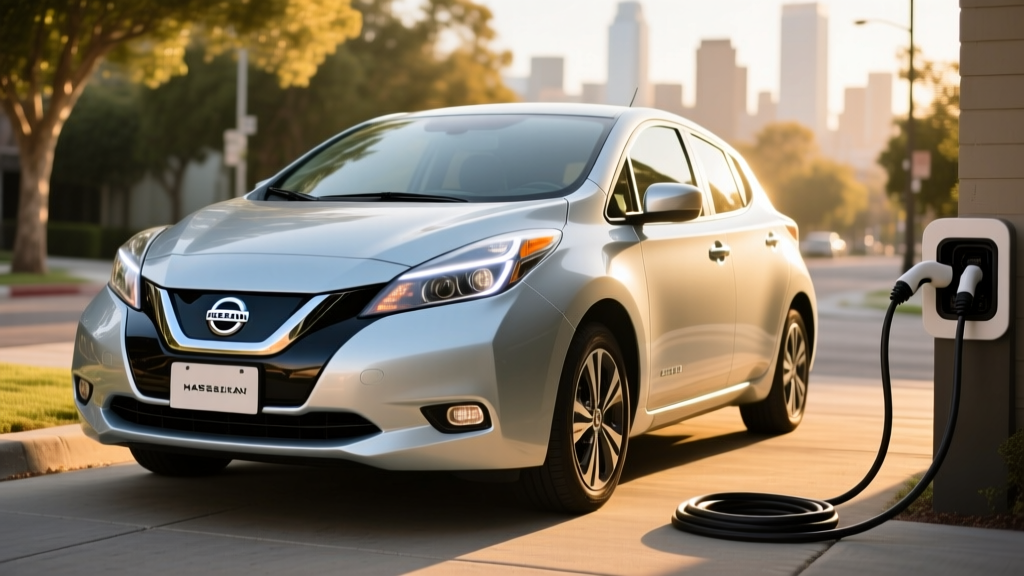
The 2015 Nissan Leaf electric remains one of the most accessible used EVs on the market. With an EPA-estimated 84 miles of range, a 24 kWh battery, and widely available CHAdeMO fast charging, it serves as a practical commuter car for budget-conscious buyers. However, passive battery cooling and measurable degradation mean real-world range often falls well below the sticker number—especially in heat or cold. If you're evaluating a used 2015 Leaf in 2026, understanding battery State of Health (SoH) is the single most important factor in your purchase decision.
| Spec | Value |
|---|---|
| EPA Range | 84 miles |
| Battery Capacity | 24 kWh (usable ~21.5 kWh) |
| Battery Chemistry | NMC (Lithium Manganese Oxide blend) |
| Motor Output | 80 kW (107 hp), 187 lb-ft torque |
| Drivetrain | FWD, single-speed reduction |
| 0–60 mph | ~11.5 seconds |
| EPA Efficiency | 114 MPGe combined (30 kWh/100 mi) |
| DC Fast Charge (Peak) | ~43 kW (CHAdeMO) |
| Level 2 Charge Rate | 6.6 kW (240V) |
| Cargo Volume | 24.0 cu ft (rear seats up) |
| Original MSRP (base S) | $29,010 (before incentives) |
| Battery Warranty (original) | 8 yr / 100,000 mi (capacity loss) |
Real-World Range: What to Actually Expect
EPA Estimate: 84 miles
Real-World Expectation: 65–75 miles highway; 50–60 miles in cold weather (below 40°F); up to 80 miles in mild city driving with regen.
The EPA's 84-mile figure was measured on a brand-new 2015 Leaf with a fresh 24 kWh pack. By 2026, most surviving examples have experienced measurable capacity loss. Nissan's battery chemistry (an NMC variant with manganese spinel cathode) was optimized for cost and energy density, but it lacks the active thermal management found in modern EVs. The Leaf relies on passive air cooling, which accelerates degradation in hot climates and limits sustained fast-charging performance.
In real-world use, expect roughly 3.5–4.0 miles per kWh in mixed city/highway driving. Highway speeds above 65 mph increase aerodynamic drag significantly, dropping efficiency to around 3.0 mi/kWh. In winter, the resistive cabin heater draws 2–4 kW continuously, which can slash range by 25–35%. Owners in Arizona, Texas, and the Southeast should anticipate higher long-term degradation due to sustained heat exposure.
According to data compiled by fueleconomy.gov, the 2015 Leaf achieves 114 MPGe combined, translating to 30 kWh per 100 miles. That efficiency figure remains competitive for city commuting but trails modern EVs like the Chevrolet Bolt EV (120 MPGe) and Hyundai Kona Electric (120 MPGe).
Charging Speed: CHAdeMO DC Fast and Level 2 Home Charging
The 2015 Leaf uses the CHAdeMO DC fast-charging standard, which was dominant in the early 2010s but has since been eclipsed by CCS1 and Tesla's NACS in North America. This matters for long-term usability: Electrify America and most new network deployments prioritize CCS and NACS, leaving CHAdeMO infrastructure aging and less maintained.
| Charging Level | Connector | Power (kW) | Charge Time | Notes |
|---|---|---|---|---|
| Level 1 (120V) | J1772 | ~1.4 kW | ~20 hours (0–100%) | ~4–5 miles/hour; emergency/trickle only |
| Level 2 (240V) | J1772 | 6.6 kW | ~4.5 hours (0–100%) | ~22 miles/hour; standard home charging |
| DC Fast (CHAdeMO) | CHAdeMO | ~43 kW peak | ~30 min (0–80%) | Tapers sharply above 80%; heat throttles repeat sessions |
The 6.6 kW onboard charger (standard on SV and SL trims; base S trim had a 3.3 kW charger) is adequate for overnight home replenishment. A full charge from empty takes roughly 4.5 hours on a 240V Level 2 circuit. Most owners charge nightly from 30–50% SoC, requiring only 2–3 hours.
DC fast charging peaks around 43 kW at low SoC but tapers quickly. More critically, the Leaf's passive thermal management causes "Rapidgate"—repeated fast-charge sessions in warm weather trigger thermal protection, cutting charge speed to as low as 20 kW. On a road trip with multiple DC stops, expect progressively slower charging. This limitation makes the 2015 Leaf a poor choice for frequent highway travel.
Performance, Ride, and Interior Practicality
The 80 kW (107 hp) AC synchronous motor delivers 187 lb-ft of torque from standstill, giving the Leaf responsive off-the-line acceleration in city traffic. The 0–60 mph time of approximately 11.5 seconds is leisurely by modern EV standards but adequate for merging and urban driving. The single-speed reduction gear means no shift shock—just smooth, linear power delivery.
Ride quality is compliant, with a soft suspension tuned for comfort over sportiness. Steering is light and numb, which suits city maneuvering but lacks feedback on twisty roads. Regenerative braking is modest; the "B" mode on the shift lever increases regen but doesn't enable true one-pedal driving. The friction brakes engage at low speeds, and the blend between regen and friction braking can feel inconsistent.
Interior space is a genuine strength. The 2015 Leaf offers:
- Front legroom: 42.1 inches
- Rear legroom: 33.5 inches
- Front headroom: 40.8 inches
- Cargo volume: 24.0 cu ft (rear seats up), 30.0 cu ft (rear seats folded)
The cargo area accommodates a week's groceries or two large suitcases with room to spare. The rear seats fold in a 60/40 split, though the load floor isn't flat due to the battery pack beneath. The upright seating position and generous headroom make the cabin feel airy, and five adults can fit for short trips.
Technology, Safety, and Driver Assists
The 2015 Leaf's infotainment is dated by 2026 standards. The SV and SL trims include a 7-inch touchscreen with navigation, Bluetooth, and a rearview camera. The system lacks Apple CarPlay and Android Auto (added in the 2016 refresh). Audio quality from the six-speaker Bose system (SL trim) is respectable. The base S trim uses a simpler 4.3-inch display without navigation.
Safety features include:
- Standard: 6 airbags, ABS, stability control, rearview camera (SV/SL)
- Optional (SL): Around View Monitor (360° camera)
- Not available: Automatic emergency braking, lane-keeping assist, adaptive cruise
The 2015 Leaf earned a 4-star overall rating from NHTSA and was an IIHS Top Safety Pick when equipped with the optional rearview camera. However, it lacks the advanced driver-assist systems now standard on most new vehicles.
Pricing, Tax Credits, and Used-Value Reality
The 2015 Nissan Leaf originally started at $29,010 for the S trim, $32,640 for SV, and $35,640 for SL (all before the $7,500 federal credit available at the time). In 2026, used examples trade between $4,500 and $9,000 depending on mileage, condition, and—most critically—battery health.
| Trim | Original MSRP | 2026 Used Range | Used EV Tax Credit (§25E) |
|---|---|---|---|
| S (base) | $29,010 | $4,500–$6,500 | Up to $4,000 (30% of sale price, capped) |
| SV (mid) | $32,640 | $5,500–$7,500 | Up to $4,000 |
| SL (top) | $35,640 | $6,500–$9,000 | Up to $4,000 |
Federal tax credit note: The §30D new-vehicle credit no longer applies to the 2015 Leaf. However, the §25E used clean vehicle credit may apply: it offers 30% of the sale price, capped at $4,000, for qualified used EVs sold through a licensed dealer. Income limits apply ($75,000 single / $150,000 joint filers), and the vehicle must be purchased from a dealer (private-party sales don't qualify). The credit can be transferred to the dealer at point of sale as of 2024. Consult a tax professional for eligibility specifics.
Battery Degradation: The Critical Used-Buyer Checklist
Battery State of Health (SoH) is the defining variable when buying a used 2015 Leaf. The original 8-year/100,000-mile battery warranty covers capacity loss below 9 bars (out of 12) on the dashboard capacity gauge. By 2026, most 2015 Leafs are outside this warranty window unless they were low-mileage examples.
Nissan's dashboard displays battery health as a 12-bar capacity gauge. Here's what to look for:
- 12 bars: Excellent; likely a replacement pack or exceptional conditions
- 11 bars: Good; ~85–90% SoH, expect 70–75 real-world miles
- 10 bars: Fair; ~75–80% SoH, expect 60–65 real-world miles
- 9 bars or below: Significant degradation; ~65% or less SoH, 50–55 miles range
Request a LeafSpy Pro report (a third-party OBD-II app that reads detailed battery telemetry) before purchasing. This shows exact SoH percentage, individual cell voltage variance, and total charge cycles. A healthy pack should show cell variance under 200 mV; wider spreads indicate cell imbalance that may worsen over time.
Battery replacement options in 2026 include:
- Nissan OEM 24 kWh replacement: ~$6,500–$8,500 installed (limited availability)
- Nissan 40 kWh upgrade (from 2018+ Leaf): ~$8,000–$12,000 installed via aftermarket specialists
- Used/salvage 24 kWh pack: ~$2,500–$4,000 plus installation
Factor replacement cost into your purchase negotiation. A 9-bar Leaf at $5,000 may effectively cost $11,000+ once a new pack is installed.
Who Should Buy the 2015 Nissan Leaf?
The 2015 Leaf is best suited for:
- City commuters with round trips under 50 miles and reliable home Level 2 charging
- Second-car households needing a zero-emission runabout for errands and school runs
- Budget EV buyers who want the lowest possible entry price and can accept range limitations
- Mild-climate residents in the Pacific Northwest, coastal California, or similar temperate zones
It is poorly suited for:
- Highway commuters with one-way trips exceeding 40 miles
- Cold-climate drivers (Upper Midwest, Northeast winters)
- Buyers without access to home or workplace Level 2 charging
- Anyone planning regular road trips (CHAdeMO infrastructure is shrinking)
Pros
- Low used purchase price ($4,500–$9,000)
- Spacious cabin and 24 cu ft cargo area
- Low operating cost (~$0.04–$0.06/mile on home charging)
- Comfortable ride quality for city driving
- Eligible for up to $4,000 used EV tax credit (§25E)
- Strong community support and aftermarket knowledge base
Cons
- 84-mile EPA range; 65–75 real-world miles typical
- Passive battery cooling accelerates degradation in heat
- CHAdeMO charging standard is declining in North America
- No Apple CarPlay or Android Auto
- No advanced driver-assist features (AEB, lane-keep)
- DC fast charging throttles on repeat sessions (Rapidgate)
- Battery replacement cost ($6,500+) if degraded
Competitor Comparison: 2015 Leaf vs. Alternatives
If you're cross-shopping the 2015 Leaf, consider these used alternatives in a similar price bracket:
- 2015–2016 Volkswagen e-Golf: 83-mile EPA range, 24.2 kWh battery, CCS fast charging (more future-proof), firmer ride, less cargo space. Often $5,500–$8,000 used.
- 2016 Chevrolet Spark EV: 82-mile EPA range, 18.4 kWh battery, CCS charging, much smaller cabin. Bargain pricing at $4,000–$6,000.
- 2017 Chevrolet Bolt EV: 238-mile EPA range, 60 kWh battery, CCS, active thermal management. Significantly more capable but $10,000–$14,000 used.
If your budget can stretch to $10,000+, the 2017+ Bolt EV is a dramatically more capable vehicle with nearly triple the range and modern charging infrastructure compatibility. But for strict sub-$7,000 budgets, the 2015 Leaf offers the best combination of interior space, comfort, and community knowledge.
Frequently Asked Questions
What is the real-world range of the 2015 Nissan Leaf?
Expect 65–75 miles in mixed driving with a healthy battery (11 bars). Cold weather drops this to 50–60 miles. Highway-only driving at 70+ mph yields roughly 55–65 miles. Range decreases further as the battery ages—check the 12-bar capacity gauge and request a LeafSpy report.
How fast does the 2015 Leaf charge at home and on DC fast chargers?
On a 240V Level 2 home charger (6.6 kW), a full charge takes about 4.5 hours, adding roughly 22 miles of range per hour. On a CHAdeMO DC fast charger, it peaks at ~43 kW, reaching 80% in approximately 30 minutes—though repeat sessions in warm weather trigger thermal throttling.
Does the 2015 Leaf qualify for any federal tax credit?
Not the §30D new-vehicle credit. However, the §25E used clean vehicle credit may provide up to $4,000 (30% of sale price, capped) when purchased from a licensed dealer. Income caps apply: $75,000 single / $150,000 joint. See IRS guidelines for details.
Is the 2015 Nissan Leaf worth buying in 2026?
Yes, if you need an affordable city commuter, have home Level 2 charging, live in a mild climate, and your daily round trip is under 50 miles. No, if you need highway range, live in a cold climate, rely on public DC fast charging, or plan road trips. Always verify battery health before purchasing.
What are the biggest drawbacks of the 2015 Leaf?
The passive battery cooling system causes accelerated degradation in hot climates and thermal throttling during fast charging. The CHAdeMO connector is losing infrastructure support. There's no Apple CarPlay, Android Auto, or any modern driver-assist technology. And the 84-mile EPA range is limiting even for city use as the battery ages.
How long will the 2015 Leaf battery last?
Most 2015 Leaf batteries retain 70–85% of original capacity after 10 years, depending on climate and charging habits. Packs in hot climates (Arizona, Texas) degrade faster. A replacement 24 kWh pack costs $6,500–$8,500 from Nissan, though third-party upgrades to 40 kWh are available for $8,000–$12,000.