Quick Answer: Is the 2015 Mercedes-Benz B-Class Electric Worth Buying in 2026?
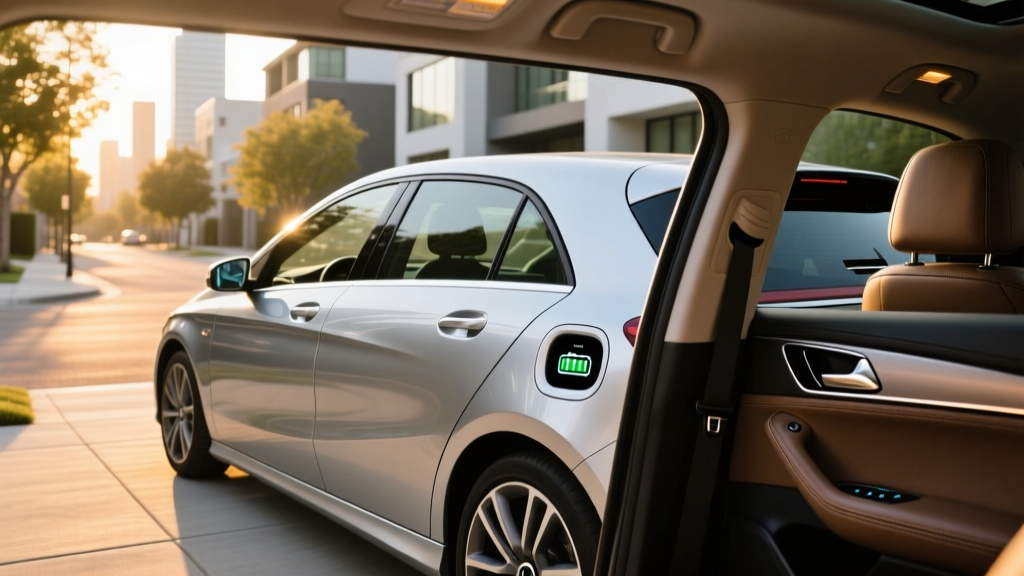
The 2015 Mercedes-Benz B-Class Electric Drive is a compliance-era EV with an 87-mile EPA range (real-world closer to 65–75 miles), a 28 kWh usable battery, and no DC fast charging. In 2026, used examples sell for roughly $8,000–$13,000 depending on mileage and battery health. It works as a low-cost city commuter if you have reliable Level 2 home charging and short daily drives. It is not suitable for road trips, cold-climate drivers without a garage, or anyone who lacks home charging access. The Tesla-supplied powertrain is a curiosity, but the car's limited range and lack of fast charging make it a niche pick in today's used EV market.
What You're Actually Getting: 2015 B-Class Electric Drive Specs
Mercedes-Benz built the B-Class Electric Drive primarily to satisfy California's zero-emission vehicle (ZEV) mandate. The electric powertrain was developed in partnership with Tesla, which supplied the motor and battery cells. Here are the hard numbers you need before shopping:
| Specification | 2015 B-Class Electric Drive |
|---|---|
| EPA Range | 87 miles |
| Real-World Range (mixed) | 65–80 miles |
| Battery (usable) | 28 kWh (36 kWh gross, Tesla cells) |
| Battery Chemistry | NMC (nickel manganese cobalt) |
| Motor Output | 177 hp / 251 lb-ft torque |
| 0–60 mph | 7.9 seconds |
| EPA Efficiency | 84 MPGe combined (40 kWh/100mi) |
| Level 2 Charging (max) | ~10 kW (240V, ~40A) |
| DC Fast Charging | Not available |
| Level 2 Full Charge Time | ~3.5 hours (0–100%) |
| Cargo Volume | 22.4 cu ft (rear seats up) |
| Original MSRP (2015) | ~$41,450 (before incentives) |
| Used Price Range (2026) | $8,000–$13,000 |
Key context on the battery: The 36 kWh gross pack has an 8 kWh software-locked buffer, leaving 28 kWh usable. This large buffer was designed to protect long-term battery health, and many surviving examples still show strong State of Health (SoH). However, degradation varies by climate, charging habits, and mileage. Always request a battery health diagnostic before purchase.
Real-World Range: What 87 EPA Miles Actually Means
EPA Sticker: 87 miles
Real-World Expectation: 65–80 miles in moderate weather; 45–60 miles in cold weather (below 40°F) or sustained highway driving above 70 mph.
The 87-mile EPA figure was modest even for 2015. In 2026, it places this car firmly in the "local errands and commuting" category. Here's how range breaks down by scenario:
- City driving, 55°F–80°F: 75–85 miles. Regenerative braking recovers energy in stop-and-go traffic, and the large battery buffer helps.
- Highway driving, 65–75 mph: 55–65 miles. The B-Class Electric is not aerodynamically optimized like modern EVs, and efficiency drops sharply at speed.
- Cold weather (below 32°F): 45–60 miles. The resistive cabin heater draws heavily from the pack. The car lacks a heat pump, which modern EVs use to cut heating energy consumption by 30–50%.
- Hot weather with A/C (above 95°F): 65–75 miles. Less severe than cold, but still a 10–15% reduction.
If your daily round-trip commute is under 40 miles and you can charge at home every night, this range is workable. If you regularly exceed 50 miles in a day, or if winter temperatures in your area routinely drop below freezing, look at a used EV with at least 200 miles of range—such as a 2018+ Chevrolet Bolt EV (238 miles EPA) or a 2019+ Hyundai Kona Electric (258 miles EPA), both available for $12,000–$18,000 on the used market.
Charging: Level 2 Only, No DC Fast Charging
This is the single biggest limitation for many buyers. The 2015 B-Class Electric Drive has no DC fast-charging capability. You cannot use Electrify America, Tesla Superchargers, or any CCS/CHAdeMO public fast charger. Charging options are limited to:
| Level | Power | Miles Added per Hour | Full Charge Time |
|---|---|---|---|
| Level 1 (120V household) | ~1.4 kW | ~4–5 miles/hr | ~18–20 hours |
| Level 2 (240V home/public) | ~10 kW (max) | ~28–32 miles/hr | ~3–3.5 hours |
| DC Fast Charge | Not supported | N/A | N/A |
kW vs. kWh reminder: kW (kilowatts) measures charging power—the rate of energy flow. kWh (kilowatt-hours) measures battery energy capacity—how much the battery holds. The B-Class has a 28 kWh usable battery and charges at up to 10 kW on Level 2.
What this means practically: Level 1 (standard outlet) is too slow for daily use unless you drive fewer than 20 miles per day. You will need a Level 2 home charger to make this car viable. Budget $500–$1,500 for a quality Level 2 unit (like the ChargePoint Home Flex or Emporia Vue) and $500–$2,000 for professional installation by a licensed electrician, depending on whether your electrical panel needs an upgrade.
Public Level 2 chargers (at grocery stores, workplaces, or libraries) can supplement home charging, but relying on them exclusively is inconvenient and unreliable for a car this range-limited. If you cannot install a Level 2 charger at home, the 2015 B-Class Electric is not a practical choice.
Cost Breakdown: Purchase, Charging, and Ownership
| Cost Category | 2015 B-Class Electric | Comparable Used Gas Car (2015 C-Class) |
|---|---|---|
| Purchase Price (2026) | $8,000–$13,000 | $12,000–$18,000 |
| Fuel/Energy Cost per Year (12,000 mi) | $450–$650 (home charging at $0.14/kWh avg) | $1,600–$2,000 (gas at $3.40/gal, 26 MPG) |
| Annual Maintenance | $200–$400 (no oil changes, brake wear reduced by regen) | $600–$1,000 (oil, filters, more brake wear) |
| Insurance (avg annual) | $1,200–$1,600 | $1,100–$1,500 |
| Estimated 5-Year Total Cost* | $18,500–$28,500 | $29,500–$40,500 |
*Includes purchase price, 5 years of energy/fuel, maintenance, and insurance. Excludes repairs, registration, and depreciation.
The B-Class Electric's low purchase price and cheap home charging make it one of the least expensive cars to operate on the road. At $0.14/kWh (the U.S. residential average per EIA data), a full 28 kWh charge costs roughly $3.92 and delivers about 70 real-world miles—roughly $0.056 per mile. A comparable gas car at 26 MPG and $3.40/gallon costs $0.131 per mile—more than double.
Federal tax credit note: The §30D federal tax credit for new EVs does not apply to a 2015 model. However, the Used Clean Vehicle Credit (§25E) offers up to $4,000 or 30% of the sale price (whichever is less) for qualifying used EVs. At a $10,000 purchase price, you could claim up to $3,000. Eligibility requires the vehicle to be at least two model years old, the buyer's income to fall under IRS caps ($75,000 single / $150,000 joint), and the sale to be through a licensed dealer. See IRS §25E guidelines for current rules.
EV vs. Gas vs. Hybrid: How the B-Class Electric Compares
| Factor | 2015 B-Class Electric | 2015 Toyota Prius (HEV) | 2015 Mercedes C300 (Gas) |
|---|---|---|---|
| Used Price (2026) | $8,000–$13,000 | $9,000–$14,000 | $12,000–$18,000 |
| Energy/Fuel Cost per Mile | ~$0.056 | ~$0.065 | ~$0.131 |
| Annual Fuel/Energy (12k mi) | $450–$650 | $700–$850 | $1,600–$2,000 |
| Range / Tank | 65–87 miles | ~540 miles | ~410 miles |
| Refuel/Recharge Time | 3.5 hrs (Level 2) | 5 minutes | 5 minutes |
| Maintenance Complexity | Low (no engine, no transmission) | Medium (hybrid system) | High (turbo, 7-speed auto) |
| Cold-Weather Penalty | 25–40% range loss | Minimal MPG impact | Minimal MPG impact |
| Best For | Short city commutes, home charging | Any commute, no charger needed | Long trips, luxury preference |
The B-Class Electric wins on per-mile energy cost and maintenance simplicity, but it loses badly on range, refueling flexibility, and cold-weather usability. A used Prius is a more versatile choice for anyone who cannot charge at home or who drives more than 60 miles daily. The B-Class Electric makes sense only when your driving pattern is predictable, short, and centered around a reliable home charger.
Common Misconceptions About the 2015 B-Class Electric
| Myth | Fact |
|---|---|
| "The Tesla powertrain means it charges at Superchargers." | False. The car uses a Tesla-supplied motor and battery cells, but has a standard J1772 connector for Level 2 AC charging only. It has no DC fast-charge port and cannot access any Supercharger or CCS network. |
| "87 miles of range is enough for anyone." | Not in cold weather or on highways. Real-world range can drop to 45–60 miles in winter. If your daily driving exceeds 40 miles round-trip, you'll live with chronic range stress. |
| "Used EV batteries are always degraded and expensive to replace." | The B-Class's large 8 kWh buffer (28 kWh usable from a 36 kWh gross pack) was specifically designed to limit degradation. Many examples still show 85–95% State of Health at 80,000+ miles. However, always verify with a diagnostic. Replacement costs, if needed, range from $5,000–$8,000 through Mercedes or independent EV shops. |
| "It qualifies for the $7,500 federal tax credit." | No. The §30D new EV credit does not apply. The §25E used EV credit may provide up to $4,000 (or 30% of sale price) if income and dealer-sale requirements are met. |
| "I can charge it on a regular outlet and be fine." | Level 1 (120V) adds only 4–5 miles per hour. A full charge takes 18–20 hours. If you drive more than 20 miles per day, Level 1 alone will not keep up. Budget for a Level 2 installation. |
Ownership Realities: What First-Time EV Buyers Must Know
Before purchasing any used 2015 B-Class Electric Drive, work through this checklist:
1. Confirm Your Charging Situation
Do you own or rent a home where you can install a 240V Level 2 charger? If you live in an apartment without EV charging infrastructure, or if your workplace doesn't offer charging, this car will be impractical. Public Level 2 chargers are not a reliable daily strategy for a car with under 90 miles of range.
2. Check Battery State of Health (SoH)
Request a battery diagnostic from a Mercedes-Benz dealer or an EV-specialist shop. Look for SoH above 85%. Below 80%, you're looking at roughly 55–65 miles of real-world range, which severely limits usability. Factor a potential $5,000–$8,000 battery replacement into your budget if SoH is low.
3. Consider Your Climate
If you live in a region with sustained sub-freezing winters (Upper Midwest, Northeast, Mountain states), the lack of a heat pump means significant range loss—potentially 30–40%. Garage parking and preconditioning (plugging in and warming the cabin while connected to power) can mitigate this, but plan for worst-case winter range.
4. Budget for the Full Picture
Purchase price is only the beginning. Add Level 2 charger purchase ($500–$1,500), installation ($500–$2,000, potentially more if your panel needs a 200A upgrade), insurance ($1,200–$1,600/year), and annual registration. A realistic first-year budget is $12,000–$18,000 all-in.
5. Understand the Resale Ceiling
This car will not appreciate. Its limited range and lack of DC fast charging mean resale values will continue to decline. Buy it as a low-cost commuter, not an investment.
Decision Framework: Should You Buy the 2015 B-Class Electric?
Buy it if:
- Your daily round-trip commute is under 40 miles
- You can install a Level 2 charger at home
- You live in a mild climate (rarely below 32°F)
- You want a low-cost, low-maintenance second car or city commuter
- You value Mercedes build quality at a bargain used price
- You understand and accept the range limitation
Skip it if:
- You regularly drive more than 50 miles per day
- You cannot install home Level 2 charging
- You need a primary/only vehicle for all trips
- You live in a cold climate with sustained sub-freezing winters
- You want the ability to road-trip or use DC fast chargers
- You need more than 22.4 cu ft of cargo space
Consider these alternatives instead:
- 2017–2019 Chevrolet Bolt EV — 238 miles EPA, DC fast charging, $10,000–$16,000 used
- 2018–2020 Nissan Leaf (60 kWh) — 212–226 miles EPA, CHAdeMO DC charging, $11,000–$17,000 used
- 2019+ Hyundai Kona Electric — 258 miles EPA, CCS DC charging, $14,000–$19,000 used
- Used Toyota Prius (HEV) — no charging needed, 50+ MPG, $9,000–$14,000 used
FAQ: 2015 Mercedes-Benz B-Class Electric Drive
What is the real-world range of the 2015 B-Class Electric?
The EPA rates it at 87 miles, but expect 65–80 miles in moderate conditions and as low as 45–60 miles in cold weather or sustained highway driving. Battery age and State of Health will further affect this.
Can I DC fast charge the 2015 B-Class Electric?
No. The car has no DC fast-charging hardware. It supports only Level 1 (120V) and Level 2 (240V) AC charging via a standard J1772 connector. This is a significant limitation for any trip beyond the car's range.
Does the Tesla-supplied powertrain mean Tesla Supercharger access?
No. While Tesla supplied the motor and battery cells, the car uses Mercedes-Benz's own charging system with a J1772 connector. It has no compatibility with any DC fast-charging network, including Tesla Superchargers, Electrify America, or EVgo.
How much does it cost to charge at home?
At the U.S. average residential rate of ~$0.14/kWh, a full charge (28 kWh usable) costs approximately $3.92 and provides about 65–80 real-world miles. Annual charging for 12,000 miles of driving costs roughly $450–$650.
Do I qualify for any tax credits on a used 2015 B-Class Electric?
The new-vehicle §30D credit does not apply. However, the §25E Used Clean Vehicle Credit may provide up to $4,000 or 30% of the sale price (whichever is less), subject to income limits ($75,000 single / $150,000 joint) and the requirement that the vehicle be sold through a licensed dealer. Consult a tax professional to confirm eligibility.
What should I check before buying a used B-Class Electric?
Get a battery State of Health (SoH) diagnostic from a Mercedes-Benz dealer or EV specialist. Confirm SoH is above 85%. Also inspect the charge port for damage, verify the Level 2 charging cable is included, and check for any outstanding recalls on NHTSA's recall database.
How does the B-Class Electric compare to a modern used EV?
Modern used EVs like the 2019 Chevrolet Bolt (238 miles, DC fast charging) or 2020 Tesla Model 3 Standard Range Plus (250 miles, Supercharger access) offer 2–3x the range and DC fast-charging capability. They cost more ($12,000–$22,000 used) but eliminate the range and charging-infrastructure limitations of the B-Class.
What's the battery replacement cost if it fails?
Out-of-warranty battery replacement runs $5,000–$8,000 through Mercedes-Benz or independent EV repair shops. Given the car's $8,000–$13,000 used value, a battery failure could total the vehicle economically. This is why a pre-purchase SoH check is critical.