Quick Answer: Is the 2015 Kia Soul EV Worth Buying in 2026?
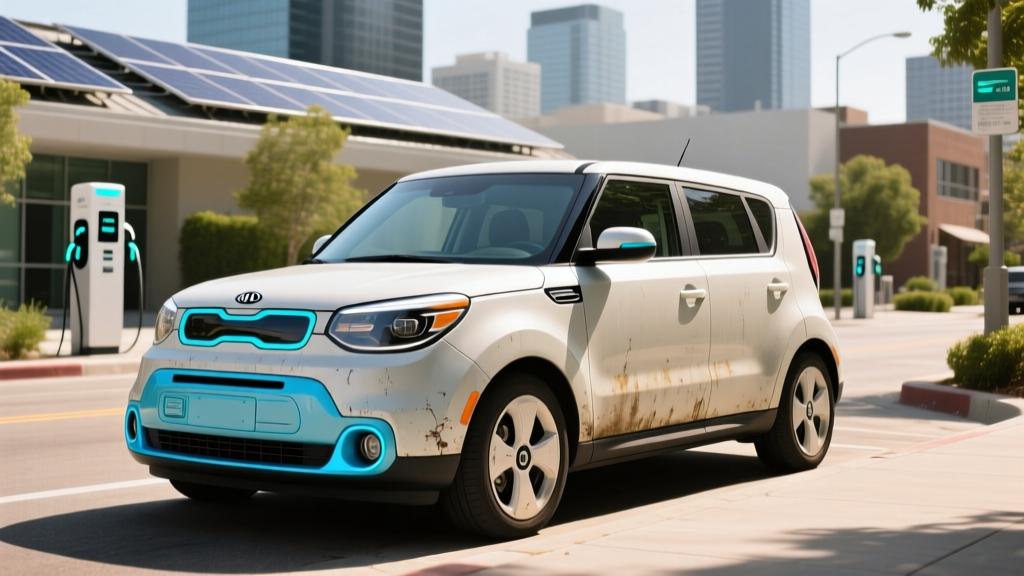
The 2015 Kia Soul EV is a viable short-range city commuter for budget buyers who can charge at home, but it demands realistic expectations. Expect 60–80 miles of real-world range (down from its original 93-mile EPA rating) due to battery degradation over 11 years. Used examples sell for $6,000–$10,000 depending on mileage and battery state of health (SoH). It works as a second car for urban errands and commutes under 40 miles round-trip. It does not work for highway road trips, cold-climate drivers without garage charging, or anyone lacking home Level 2 access. Before buying, a battery SoH diagnostic from a Kia dealer is non-negotiable.
2015 Kia Soul EV: Core Specs Then and Now
When the Soul EV launched for the 2015 model year, it was one of the most practical affordable EVs available. Its specs reflect early-generation lithium-polymer battery technology, which was competitive then but is dated by 2026 standards. Here's what you're working with:
| Specification | 2015 Original | 2026 Realistic Expectation |
|---|---|---|
| Battery Capacity (usable) | 27 kWh | 27 kWh (original); ~20–24 kWh after degradation |
| Battery Chemistry | Lithium-Polymer (NMC-type) | Same — no replacement chemistry swap available |
| EPA Range (new) | 93 miles | 60–80 miles (degraded pack) |
| Efficiency | 105 MPGe combined | ~90–100 MPGe (varies with pack health) |
| Motor Output | 109 hp / 210 lb-ft torque | Unchanged (motor doesn't degrade) |
| 0–60 mph | ~11.2 seconds | ~11–12 seconds |
| DC Fast Charge (peak) | 50 kW (CHAdeMO) | 50 kW — CHAdeMO infrastructure is shrinking |
| Level 2 Charge Rate | 6.6 kW onboard charger | 6.6 kW (J1772 connector) |
| 10–80% DC Fast Charge Time | ~33 minutes (at 50 kW) | ~25–35 minutes (smaller degraded pack charges faster) |
| Level 2 Full Charge Time | ~4.5 hours (0–100%) | ~3.5–4 hours (smaller usable capacity) |
A critical note on kW vs. kWh: the 50 kW figure is the charge rate (power — how fast energy flows in), while 27 kWh is the battery capacity (energy — how much the pack holds). The Soul EV's small 27 kWh pack means even at 50 kW, a full charge doesn't take long — but you're also not adding much range.
Battery Degradation: The Single Most Important Factor
Battery health is the make-or-break variable on any used early-generation EV. The 2015 Soul EV's lithium-polymer pack has been through 11 years of charge cycles, calendar aging, and thermal stress. Here's what the data tells us:
According to fleet data aggregated by EV tracking communities and consistent with EPA fueleconomy.gov records, 2015 Soul EV battery packs typically retain 75–88% of original capacity by year 10–11, depending on climate and charging habits. Packs in hot climates (Arizona, Texas, Southern California) that were frequently DC fast-charged tend toward the lower end. Garage-kept, Level-2-charged examples in mild climates fare better.
What this means in practice:
- 85% SoH: ~23 kWh usable → ~75–80 miles real-world range (summer), ~60–65 miles (winter, highway)
- 75% SoH: ~20 kWh usable → ~65–70 miles real-world range (summer), ~50–55 miles (winter, highway)
- Below 70% SoH: Walk away unless the price reflects an imminent $12,000–$18,000 battery replacement
Kia's original battery warranty was 10 years/100,000 miles with a capacity retention threshold of approximately 70%. By 2026, nearly every 2015 Soul EV has aged out of this warranty regardless of mileage. You are buying this car as-is with no factory battery safety net.
Charging Reality: CHAdeMO's Shrinking Network
The 2015 Soul EV uses the CHAdeMO connector for DC fast charging and J1772 for Level 2 AC charging. This is a significant 2026 ownership concern:
| Connector | Standard | 2026 Network Reality |
|---|---|---|
| DC Fast Charging | CHAdeMO | Declining — Electrify America and most networks have shifted to CCS/NACS; CHAdeMO stations are increasingly rare outside legacy installations |
| Level 2 AC | J1772 | Universal — works at every public Level 2 station and home charger with a J1772 plug |
| NACS (Tesla-style) | Not compatible | Requires a CHAdeMO-to-NACS adapter (limited availability, ~$200–$350) for Supercharger access — though adapter support for CHAdeMO vehicles remains limited |
For daily use, home Level 2 charging is essential. At 6.6 kW, the onboard charger refills the degraded pack in roughly 3.5–4 hours, which is more than adequate overnight. But if you rely solely on public DC fast charging, the CHAdeMO connector is a growing liability. Before purchasing, verify that at least one functioning CHAdeMO station exists within your regular driving radius.
Cost Breakdown: Purchase, Fueling, Maintenance & Insurance
The financial case for a used 2015 Soul EV hinges on its low purchase price and minimal running costs — offset by the risk of battery replacement. Here's a concrete breakdown:
| Cost Category | 2015 Kia Soul EV (Used) | Comparable Gas Car (2015 Kia Soul Gas, Used) |
|---|---|---|
| Purchase Price | $6,000–$10,000 | $7,000–$12,000 |
| Fuel / Electricity (annual, 10,000 mi) | $350–$550 (home L2 at $0.13/kWh) | $1,200–$1,500 (gas at $3.30/gal, 26 MPG avg) |
| Annual Maintenance | $200–$400 (no oil changes, brake pads last longer due to regen) | $600–$1,000 (oil, filters, belts, more brake wear) |
| Insurance (annual avg) | $900–$1,300 | $800–$1,200 |
| 5-Year Total Running Cost (excl. purchase) | $7,250–$11,250 | $13,000–$18,500 |
| Battery Replacement Risk | $12,000–$18,000 if needed (out of warranty) | N/A |
| Federal Tax Credit (§30D) | Not eligible — only applies to newer qualifying EVs; used EV credit (§25E) up to $4,000 may apply if buying from a dealer and meeting income caps | Not eligible |
The annual fuel savings of roughly $800–$1,000 are real and compound over time. But the looming battery replacement cost is the financial wildcard. If the battery fails or degrades below usability, the replacement cost can exceed the car's entire value — effectively totaling the vehicle economically.
Regarding the IRS §25E used EV credit: if you purchase a qualifying used EV from a licensed dealer for $25,000 or less, you may be eligible for a credit of up to $4,000 (30% of sale price, capped at $4,000). Income limits apply ($75,000 single / $150,000 joint filers). The vehicle must be at least two model years old, and you can only claim this credit once every three years. Confirm eligibility with a tax professional, as rules are subject to change.
EV vs. Gas vs. Hybrid: Where the 2015 Soul EV Fits
How does a used 2015 Soul EV stack up against other used alternatives a budget buyer might cross-shop?
| Metric | 2015 Kia Soul EV | 2015 Kia Soul (Gas, 2.0L) | 2015 Toyota Prius (HEV) |
|---|---|---|---|
| Used Price (2026) | $6,000–$10,000 | $7,000–$12,000 | $8,000–$13,000 |
| Range / Tank | 60–80 mi (degraded) | ~350 mi | ~500 mi |
| Efficiency | ~95 MPGe | ~26 MPG combined | ~50 MPG combined |
| Annual Fuel Cost (10k mi) | $350–$550 | $1,200–$1,500 | $650–$800 |
| Road-Trip Capable? | No | Yes | Yes |
| Home Charging Required? | Strongly recommended | No | No |
| Cold Weather Range Loss | 15–30% (resistive heater) | Minimal | Minimal |
| Maintenance Burden | Low | Moderate | Moderate |
The Soul EV wins on per-mile fuel cost and simplicity but loses decisively on range and flexibility. The Prius is the clear choice for anyone who needs one car to do everything — commute, road trips, errands — without range limitations. The gas Soul is the most versatile but the most expensive to fuel. The Soul EV only makes sense as a dedicated second car for predictable, short daily routes with reliable home charging.
Decision Framework: Should You Buy a 2015 Soul EV?
Buy it IF:
- You need an affordable second car for commutes under 30 miles each way
- You have access to home Level 2 charging (garage or driveway with a 240V outlet)
- You live in a mild climate (minimal cold-weather range loss)
- You can get a pre-purchase battery SoH diagnostic confirming 80%+ health
- You understand the battery is out of warranty and accept replacement risk
- You have a backup gas/hybrid car for longer trips
Skip it IF:
- This will be your only vehicle
- You lack home charging access (apartment, street parking)
- You live in a region with harsh winters (sub-30°F temperatures regularly cut range 20–30%)
- Your daily round-trip commute exceeds 50 miles
- No CHAdeMO DC fast charger exists near your routes
- The pre-purchase battery check shows SoH below 78%
- You're counting on the federal new-EV tax credit — it doesn't apply here
Common Misconceptions About the 2015 Soul EV
| Myth | Fact |
|---|---|
| "It gets 93 miles of range." | That was the EPA rating when new. After 11 years, expect 60–80 miles depending on battery health, weather, and driving style. Highway speeds and cold weather reduce this further. |
| "I can charge it at any fast charger." | The Soul EV uses CHAdeMO, not CCS or NACS. Many newer DC fast-charging stations only have CCS and NACS connectors. Verify CHAdeMO availability in your area before buying. |
| "The battery warranty still covers it." | Kia's 10-year/100,000-mile battery warranty has expired for all 2015 models as of 2025 at the latest. You own any battery risk entirely. |
| "Electric cars are always cheaper to own." | Running costs are lower, but a $12,000–$18,000 out-of-warranty battery replacement can erase years of fuel savings. Total cost of ownership depends on battery longevity. |
| "It qualifies for the $7,500 federal tax credit." | The §30D new clean vehicle credit does not apply to used car purchases. The §25E used EV credit (up to $4,000) may apply if purchased from a dealer under income and price caps. Consult IRS guidelines. |
| "Maintenance-free means zero costs." | You still need tires, cabin air filters, brake fluid checks, wiper blades, and 12V auxiliary battery replacements. Budget $200–$400/year for routine items. |
Pre-Purchase Checklist: What to Verify Before Buying
If you've decided the 2015 Soul EV fits your needs, take these steps before handing over money:
- Battery State of Health (SoH) Check: Have a Kia dealer or qualified EV technician read the battery management system (BMS) data. Insist on a printout showing SoH percentage. Target: 80% or above. Walk away below 75% unless the price is rock-bottom.
- Charging Port Inspection: Check the CHAdeMO and J1772 ports for corrosion, bent pins, or loose connections. Test both ports at a public station.
- Service History: Request records showing regular cabin air filter changes, tire rotations, and brake inspections. Ask whether the battery was ever replaced under warranty.
- Climate History: A Soul EV from Arizona or Nevada likely experienced more thermal stress than one from Oregon or Washington. Ask where the car has been garaged.
- DC Fast Charge Test: Visit a CHAdeMO-equipped station and verify the car actually pulls close to 50 kW during the initial charge phase. A severely degraded or damaged pack may refuse high-rate charging.
- 12V Battery: Like all EVs, the Soul EV has a conventional 12V battery that powers accessories and computers. These typically last 3–5 years. Check its age and condition.
- Tire Condition: EVs are heavier than gas equivalents and can wear tires faster. Check tread depth and confirm the tires are EV-rated or load-range appropriate.
Frequently Asked Questions
Can I replace the 2015 Soul EV battery with a newer, larger pack?
No straightforward swap exists. The Soul EV's battery management system, cooling architecture, and physical pack dimensions are specific to the original 27 kWh lithium-polymer module. Some independent EV shops have explored aftermarket replacements, but no widely available, plug-and-play upgrade pack exists for this model. Budget $12,000–$18,000 for a like-for-like replacement from a Kia dealer if needed.
Is the 2015 Soul EV safe to drive in 2026?
The Soul EV earned solid crash-test ratings from NHTSA when new. Mechanically, the motor, suspension, and brakes are conventional Kia components with good parts availability. The main safety consideration is ensuring the high-voltage battery hasn't sustained physical damage (check for undercarriage impacts) and that all recall campaigns have been completed. Verify recall status at NHTSA's recall lookup.
How does cold weather affect the Soul EV's range?
The 2015 Soul EV uses a resistive electric heater (PTC), not a heat pump. Resistive heaters draw significant power from the traction battery — often 3–5 kW continuously in cold weather. Combined with reduced battery chemistry efficiency at low temperatures, expect 20–30% range loss in temperatures below 30°F. A car showing 75 miles of range in summer may drop to 50–55 miles on a cold January highway drive. Preconditioning the cabin while plugged in helps preserve range.
What does it cost to charge at home?
At the US average residential electricity rate of roughly $0.15/kWh (2026), fully recharging a degraded ~22 kWh usable pack costs approximately $3.30. If you drive 30 miles per day (consuming ~8–9 kWh), your daily charging cost is about $1.20–$1.35. Over a year of 10,000 miles, expect to spend $350–$550 on electricity — compared to $1,200–$1,500 for gasoline in an equivalent gas Soul.
Will the Soul EV work for my 25-mile each-way commute?
Likely yes, with caveats. A 50-mile round trip is within the realistic range of a healthy pack (80%+ SoH) in moderate weather. However, you'll be using 65–80% of your available range daily, leaving minimal buffer for detours, HVAC use, or unexpected trips. You must charge every night without fail. If your commute includes sustained highway speeds above 65 mph, range drops further due to aerodynamic drag — plan conservatively.
Should I get a home Level 2 charger installed?
Yes — it's practically mandatory for this car. A Level 2 charger (240V, 32–40A circuit) delivers 6.6 kW to the Soul EV, refilling the pack in 3.5–4 hours. Installation typically costs $500–$2,000 depending on your electrical panel capacity and the distance from panel to charger location. If your home has a 100-amp panel that's already near capacity, a panel upgrade ($1,500–$3,000) may be required. Consult a licensed electrician for a site-specific quote.