The Short Answer on the 2015 Chevrolet Spark EV
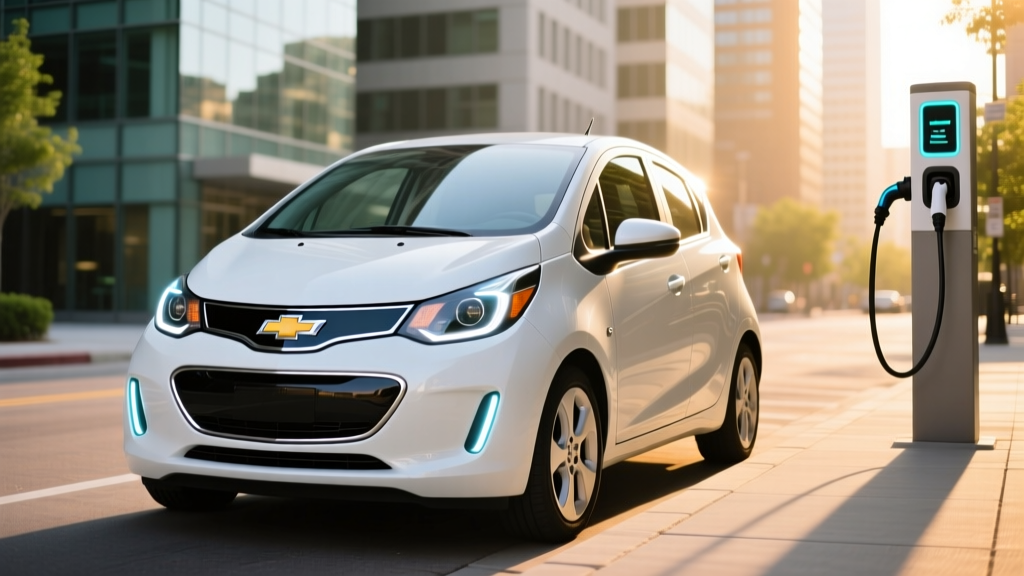
The 2015 Chevrolet Spark EV is a discontinued, subcompact electric hatchback with an EPA-rated 82 miles of range from its 18.4 kWh lithium-ion battery pack. In 2026, expect to pay $5,500–$9,000 on the used market depending on mileage and battery health. It qualifies for the used-EV tax credit (up to $4,000 under IRC §25E) if purchased from a dealer and meeting income caps. This car makes sense only as a cheap, around-town commuter for someone with reliable Level 2 home charging and a second vehicle for longer trips. It is not a road-trip car, and its DC fast charging is painfully slow by modern standards.
Specs That Still Matter in 2026
Chevrolet only sold the Spark EV in California and Oregon as a compliance vehicle to meet ZEV mandates. Production ended after the 2016 model year. Here is what you are working with on the 2015 model year:
| Spec | 2015 Spark EV Value |
|---|---|
| EPA Range | 82 miles |
| Battery (usable) | 18.4 kWh, lithium-ion (NMC chemistry) |
| Motor Output | 140 hp / 400 lb-ft torque |
| 0–60 mph | ~7.2 seconds |
| EPA Efficiency | 119 MPGe combined (28 kWh/100 mi) |
| Level 2 Charging (AC) | 3.3 kW onboard charger (~6.5 hours 0–100%) |
| DC Fast Charging | SAE Combo (CCS1), ~50 kW peak (optional on 2LT trim) |
| 10–80% DCFC Time | ~25–30 minutes (with DCFC option) |
| Cargo Volume | 9.6 cu ft (rear seats up) |
| Battery Warranty (Original) | 8 years / 100,000 miles (expired or expiring 2023–2026) |
Real-World Range vs. EPA Sticker
The 82-mile EPA figure was measured under ideal conditions. In actual 2026 ownership, plan for:
- Mild weather, city driving: 70–80 miles achievable
- Highway (65–70 mph sustained): 55–65 miles due to aerodynamic drag
- Cold weather (below 40°F): 45–55 miles — the Spark EV lacks a heat pump and uses resistive cabin heating, which is a massive energy draw on a small pack
- With battery degradation (10+ years old): Subtract another 5–12% from the above figures depending on State of Health (SoH)
Bottom line: treat this as a 50–60 mile real-world car in mixed use. If your round-trip commute is 40 miles or less and you can charge at home nightly, that works. If you need flexibility, it does not.
Charging: The Biggest Limitation
The Spark EV's charging hardware is where its age really shows. The onboard AC charger tops out at 3.3 kW, meaning a full charge from empty on a Level 2 home charger takes roughly 6 to 7 hours. That is fine for overnight charging — you plug in when you get home and wake up full — but it means you cannot opportunistically top up quickly during the day at a public Level 2 station.
| Charging Level | Power (kW) | Miles Added per Hour | Use Case |
|---|---|---|---|
| Level 1 (120V outlet) | ~1.2 kW | ~4 mi/hr | Emergency/trickle only — 18+ hours for full charge |
| Level 2 (240V home/public) | 3.3 kW (car-limited) | ~12 mi/hr | Primary daily charging — ~6.5 hours full |
| DC Fast Charge (CCS1) | ~50 kW peak | ~150 mi/hr (peak) | Road trips — but only ~80 mi range makes this impractical |
DC fast charging was optional on the 2LT trim and not all 2015 Spark EVs have it. Before purchasing, verify the CCS1 port is present under the charge door. Without DCFC, you are limited to 3.3 kW AC charging everywhere — making any trip beyond the car's one-way range a non-starter.
Even with DCFC, the charge curve is modest. The small 18.4 kWh pack means 10–80% takes about 25–30 minutes at a 50 kW station. Modern EVs with larger packs and 150–350 kW peak rates (like the Hyundai Ioniq 5 or Tesla Model 3) can add far more range in less time.
Used Price, Tax Credits, and Total Cost Breakdown
Purchase Price in 2026
The 2015 Spark EV originally started around $26,000 before incentives. Depreciation has been steep — typical for early compliance EVs with limited range. Current market pricing:
- Private party: $5,000–$7,500
- Dealer-used: $6,500–$9,000
- High-mileage / degraded battery: $3,500–$5,000
Federal Used-EV Tax Credit (IRC §25E)
The Spark EV is eligible for the used clean vehicle credit under IRC §25E — up to $4,000 or 30% of the sale price, whichever is lower. Key requirements per IRS guidelines:
- Vehicle must be purchased from a licensed dealer (private-party sales do not qualify)
- Sale price must be $25,000 or less (easily met here)
- Buyer income caps: $75,000 single / $112,500 head of household / $150,000 married filing jointly (modified AGI)
- Vehicle must be at least 2 model years old (met)
- Credit is non-refundable — you need tax liability to use it
- Point-of-sale transfer available at participating dealers
At a $7,000 dealer purchase, 30% equals $2,100 — so your credit would be $2,100, bringing your effective cost to roughly $4,900. Consult a tax professional to confirm your eligibility.
Annual Ownership Cost Comparison
| Cost Category | 2015 Spark EV (est.) | 2015 Gas Compact (e.g., Spark 1.2L) |
|---|---|---|
| Purchase Price (2026 used) | $7,000 | $6,500 |
| Federal Used-EV Credit | −$2,100 | $0 |
| Effective Purchase | $4,900 | $6,500 |
| Annual Fuel/Energy (10,000 mi) | $340 (electricity at $0.14/kWh) | $1,250 (gas at $3.50/gal, 30 MPG) |
| Annual Maintenance | $200–$350 (no oil, fewer brakes) | $600–$900 (oil, filters, brakes) |
| Annual Insurance | $900–$1,200 | $800–$1,100 |
| 5-Year Total Cost (est.) | $11,200–$14,250 | $15,000–$18,500 |
The Spark EV saves roughly $900–$1,100 per year in fuel and maintenance compared to its gas counterpart. Over five years, that adds up to $4,500–$5,500 in savings — meaningful on a budget commuter. Home charging at residential electricity rates is critical to these savings; public DC fast charging at $0.35–$0.50/kWh would narrow the gap significantly.
Battery Health: The Critical Pre-Purchase Check
The 2015 Spark EV's 8-year/100,000-mile battery warranty has now expired or is expiring for most vehicles (coverage ran through 2023–2026 depending on in-service date). This means any battery replacement cost falls entirely on you.
A replacement traction battery for the Spark EV is estimated at $5,000–$8,000 through a Chevrolet dealer, though availability of new packs for a discontinued model is increasingly uncertain. Third-party rebuilt packs may be an option but carry risk.
What to Check Before Buying
- State of Health (SoH): Ask the seller or a dealer to pull the battery health report via the onboard diagnostics. Expect 75–88% SoH on a 10-year-old pack. Below 70%, walk away or negotiate heavily.
- Range test: Fully charge the car and drive it. If the GOM (guess-o-meter) shows under 65 miles at full charge in mild weather, degradation is significant.
- Charge cycle history: Frequent DC fast charging and consistent 100% SoC storage accelerate NMC degradation. Ask the owner about their charging habits.
- DCFC port: Confirm the CCS1 combo port is physically present — not all 2015 models have it.
EV vs. Gas: How the Spark EV Compares to Alternatives
| Factor | 2015 Spark EV | 2015 Gas Chevy Spark | 2015 Toyota Prius (HEV) |
|---|---|---|---|
| EPA Range / Tank | 82 mi (electric) | ~310 mi (9 gal tank) | ~470 mi (11.9 gal tank) |
| Efficiency | 119 MPGe / 28 kWh/100mi | 34 MPG combined | 50 MPG combined |
| Cost per Mile (energy) | $0.039 (home charging) | $0.117 (gasoline) | $0.070 (gasoline) |
| Road-Trip Practical | No | Yes | Yes |
| Cold-Weather Range Loss | 30–40% loss | Minimal | Minimal |
| Maintenance Complexity | Very low | Moderate | Moderate (hybrid system) |
| Used Price (2026) | $5,500–$9,000 | $5,000–$8,000 | $9,000–$14,000 |
The Spark EV wins on per-mile energy cost and simplicity. It loses badly on range flexibility. The Prius offers a middle ground — outstanding efficiency without range anxiety — but commands a higher used price due to strong demand.
Common Misconceptions About the Spark EV
| Myth | Fact |
|---|---|
| "It qualifies for the $7,500 federal EV tax credit." | No. The §30D new-vehicle credit only applies to new purchases. The Spark EV qualifies for the §25E used-EV credit — up to $4,000 or 30% of sale price. |
| "82 miles of range is enough for anyone." | It covers many commutes, but cold weather, highway speeds, and battery degradation can drop real-world range to 45–55 miles. Plan conservatively. |
| "All Spark EVs can DC fast charge." | DCFC was optional on the 2LT trim. Verify the CCS1 port is present before purchase. |
| "The battery is still under warranty." | The 8-year/100,000-mile battery warranty has expired or is expiring in 2023–2026 for most 2015 vehicles. Confirm with a Chevy dealer using the VIN. |
| "It's too old to be worth buying." | At under $7,000 with a tax credit, it can be an excellent budget commuter — if your driving pattern fits and you verify battery health. |
Decision Framework: Should You Buy a 2015 Spark EV?
Buy the 2015 Spark EV If:
- Your daily round-trip commute is under 40 miles
- You have reliable Level 2 home charging (garage or driveway with 240V access)
- You live in a mild climate (Southern California, Oregon coast) where cold-weather range loss is minimal
- You have a second vehicle for road trips, or your lifestyle rarely requires drives beyond 50 miles
- Your budget is under $8,000 and you want the lowest per-mile operating cost possible
- You qualify for the §25E used-EV credit (income under caps, buying from a dealer)
Skip the 2015 Spark EV If:
- Your commute exceeds 40 miles one-way
- You live in a cold climate (Upper Midwest, Northeast) where winter range loss could leave you stranded
- You lack home charging access — relying on public Level 2 at 3.3 kW is impractical for daily use
- This would be your only vehicle and you need road-trip flexibility
- The battery SoH is below 75% on a pre-purchase inspection
- You want a car with modern safety tech, infotainment, or driver-assistance features — the 2015 Spark EV has none of these
Frequently Asked Questions
What is the real-world range of the 2015 Chevrolet Spark EV?
The EPA rates it at 82 miles. In real-world mixed driving in mild weather, expect 65–75 miles. Highway driving at 70 mph drops that to 55–65 miles. Cold weather (below 40°F) can cut range to 45–55 miles due to resistive heating and battery chemistry limitations. With 10+ years of battery degradation, subtract an additional 5–12%.
How long does it take to charge the 2015 Spark EV at home?
On a 240V Level 2 charger, approximately 6–7 hours from empty to full, because the onboard charger is limited to 3.3 kW. On a standard 120V outlet (Level 1), expect 18+ hours — essentially impractical for daily use unless you drive very few miles per day.
Does the 2015 Spark EV qualify for any federal tax credit in 2026?
It qualifies for the IRC §25E used clean vehicle credit — up to $4,000 or 30% of the sale price (whichever is less). You must buy from a licensed dealer, meet income caps ($75K single / $150K married filing jointly), and the sale price must be under $25,000. The credit is non-refundable. Always verify current-year rules with a tax professional.
What happens if the battery needs replacement?
A replacement battery pack costs an estimated $5,000–$8,000 through a Chevrolet dealer, though parts availability for this discontinued model is increasingly limited. The original 8-year/100,000-mile battery warranty has expired for most 2015 vehicles. Always get a battery health check (State of Health percentage) before purchasing.
Can I take the 2015 Spark EV on a road trip?
Technically yes, if it has the optional DCFC port and you plan meticulously around CCS1 charging stations spaced no more than 50–60 miles apart. Practically, this is a poor road-trip car — 25–30 minute charging stops every hour of driving, with limited highway range, makes it far more stressful than a gas car or a modern long-range EV.
How does the Spark EV compare to a used Nissan Leaf from the same era?
The 2015 Nissan Leaf offers 84 miles of EPA range (similar), but uses a CHAdeMO DCFC connector (more widely available in 2015 infrastructure, though CCS has since overtaken it). The Leaf's air-cooled battery degrades faster in hot climates compared to the Spark EV's liquid-cooled pack — an important distinction in Arizona or Texas. Both are budget commuter options with similar trade-offs.
Sources: EPA fuel economy data via fueleconomy.gov, IRS used clean vehicle credit rules via irs.gov, NHTSA safety data via nhtsa.gov.