Quick Answer: The 2014 Toyota RAV4 EV Reality
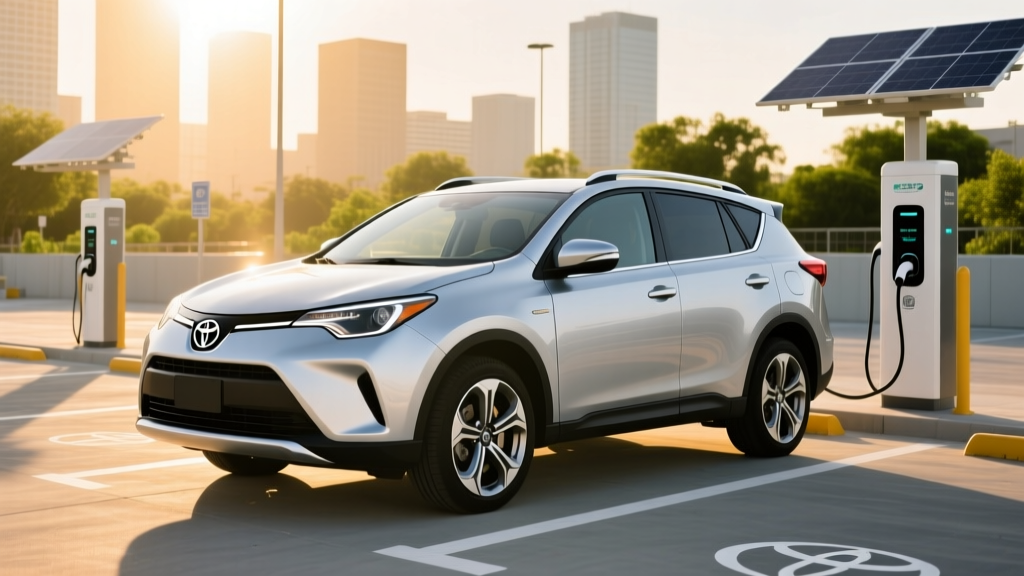
There is no factory "2014 Toyota RAV4 FWD EV" sold new in 2026. The Toyota RAV4 EV was a battery-electric SUV produced only for the 2012–2014 model years, discontinued over a decade ago. It was front-wheel drive, powered by a Tesla-supplied 41.8 kWh (usable) lithium-ion battery with an EPA-rated range of 103 miles. Today, it exists exclusively on the used market, typically priced between $8,000 and $14,000 depending on mileage and battery health. If you are researching this vehicle, you are likely looking at a used listing or comparing it to a modern EV or hybrid RAV4. This guide breaks down exactly what you are getting — and what alternatives may serve you better.
What the 2014 RAV4 EV Actually Is
The 2012–2014 Toyota RAV4 EV was a compliance car built to satisfy California's Zero Emission Vehicle (ZEV) mandate. Toyota partnered with Tesla (which supplied the powertrain and battery) to electrify the third-generation RAV4 platform. Only about 2,600 units were ever sold, almost entirely in California. The vehicle was never offered in a 2015 or later model year, and Toyota pivoted away from BEVs until the bZ4X arrived for 2023.
| Spec | Value |
|---|---|
| EPA Range | 103 miles |
| Battery (usable) | 41.8 kWh, lithium-ion (NMC) |
| Motor | 115 kW (154 hp), front-wheel drive |
| 0–60 mph | ~8.6 seconds |
| DC Fast Charging | CHAdeMO, up to ~50 kW (10–80% in ~45 min) |
| Level 2 Charging | 7.2 kW onboard charger (~6 hours 0–100%) |
| EPA Efficiency | 76 MPGe combined |
| Cargo Volume | 36.4 cu ft (rear seats up) |
| Original MSRP (2014) | $49,800 (before incentives) |
| Typical Used Price (2026) | $8,000–$14,000 |
The powertrain was advanced for 2012 but is thoroughly dated by 2026 standards. A modern base-model EV like the Chevrolet Equinox EV or Hyundai Kona Electric delivers 250–300+ miles of range, faster charging, and current safety tech for $33,000–$38,000 new.
Real-World Range: What 103 EPA Miles Means Today
EPA Sticker: 103 miles
Real-World Expectation: 75–90 miles highway; 60–75 miles in cold weather (below 40°F) with HVAC running.
Ten to twelve years of battery aging compounds the range limitation. Lithium-ion NMC cells degrade with time and charge cycles. Expect a well-maintained 2014 RAV4 EV to retain roughly 75–85% of its original capacity (State of Health, or SoH), meaning real usable capacity may be closer to 31–35 kWh. That translates to 80–90 miles in moderate conditions with a mix of city and highway driving.
This vehicle is viable as a local commuter for a sub-60-mile daily round trip with reliable home charging. It is not a road-trip vehicle. CHAdeMO DC fast-charging infrastructure has shrunk dramatically as the industry standardized on CCS and NACS (Tesla's connector). Finding a working CHAdeMO station on a highway corridor in 2026 is unreliable at best.
Cost Breakdown: Used RAV4 EV vs. Modern Alternatives
| Category | 2014 RAV4 EV (Used) | 2026 RAV4 Hybrid (New) | 2026 bZ4X (New) |
|---|---|---|---|
| Purchase Price | $11,000 (avg used) | $33,000 (LE AWD) | $37,000 (XLE FWD) |
| Federal Tax Credit | None (used EV credit max $4,000, income-limited) | None (HEV) | Up to $7,500 (§30D, subject to sourcing/income rules) |
| Effective Purchase | $7,000–$11,000 | $33,000 | $29,500–$37,000 |
| Fuel/Energy (5 yr, 60k mi) | ~$3,200 (electricity) | ~$5,800 (gas at $3.40/gal, 39 MPG) | ~$3,200 (electricity) |
| Maintenance (5 yr) | ~$2,500 (aging components, potential battery issues) | ~$3,500 (oil, filters, brakes) | ~$1,800 (minimal EV maintenance) |
| Insurance (5 yr avg) | ~$5,500 | ~$6,500 | ~$7,000 |
| Estimated 5-Yr Total | $18,200–$22,200 | $48,800 | $41,500–$48,500 |
The used RAV4 EV wins on raw purchase price, but carries significant unknowns. The high-voltage battery is 11–13 years old. Toyota's original battery warranty (8 years/100,000 miles) has expired on every 2014 example. A replacement battery pack, if one can even be sourced, could cost $8,000–$15,000 — potentially more than the car's value. The onboard charger, thermal management system, and CHAdeMO port are also aging components with limited parts availability.
For context on current §30D federal tax credit rules, including income caps, MSRP limits, and critical-mineral sourcing requirements, refer to the IRS clean vehicle credit page. The used-EV credit (up to $4,000 under §25E) has its own income limits and dealer requirements.
EV vs. Hybrid RAV4: Which Makes Sense?
| Factor | 2014 RAV4 EV (Used) | 2026 RAV4 Hybrid | 2026 RAV4 Prime (PHEV) |
|---|---|---|---|
| Electric-Only Range | 80–90 mi (degraded) | 0 mi | 42 mi (EPA) |
| Total Range | 80–90 mi | 580+ mi | 500+ mi (gas + electric) |
| Home Charging Needed? | Yes, essential | No | Optional but recommended |
| Road-Trip Capable? | No | Yes | Yes |
| Cold-Weather Impact | Severe (30%+ range loss) | Minimal | Moderate (EV range drops) |
| Maintenance Risk | High (aging EV components) | Low (proven platform) | Low-Moderate |
If your priority is low upfront cost and you have a short commute with reliable Level 2 home charging, the used RAV4 EV can work — with the clear understanding that you are accepting risk on an aging, orphaned battery pack. If you need versatility, road-trip capability, or live in a cold climate, the RAV4 Hybrid or RAV4 Prime (PHEV) are dramatically more practical vehicles.
Common Misconceptions — Fact-Checked
| Myth | Fact |
|---|---|
| "The RAV4 EV has Tesla Supercharger compatibility." | It uses a CHAdeMO DC fast-charge port, not NACS/Tesla. Supercharger access is not available. CHAdeMO stations are increasingly rare. |
| "103 miles of range is enough for daily driving." | For a 30–40 mile round trip, yes. But battery degradation reduces real range to 80–90 miles, and cold weather can push that below 65 miles. You must charge daily. |
| "It's a Toyota, so parts and service are easy." | The EV-specific components (battery, inverter, Tesla-derived motor) are not shared with gas RAV4s. Many Toyota dealers cannot service the high-voltage system. Independent EV shops are your best bet. |
| "The battery will last forever." | NMC lithium-ion batteries degrade with time regardless of mileage. At 11–13 years old, expect 75–85% State of Health at best. Calendar aging is the dominant factor. |
| "I'll save a fortune vs. buying new." | You save on purchase price, but a battery failure turns the car into a total loss economically. Budget $5,000+ in reserve for potential HV system repairs. |
Ownership Realities: What a First-Time EV Buyer Must Know
Home charging is non-negotiable. With only 80–90 miles of real range, you must charge daily. A Level 2 home charger (240V, 32–40 amp) replenishes the pack in about 6 hours. Relying solely on public CHAdeMO stations is not viable in 2026. If you cannot install a Level 2 charger at home, this vehicle is not practical.
Get a battery health report before purchasing. Ask the seller for a State of Health (SoH) reading from a diagnostic tool. Below 75% SoH, walk away — the usable range will be under 70 miles, and the pack is nearing end of life.
Insurance can be tricky. Some insurers are unfamiliar with a 12-year-old compliance EV. Get quotes before committing. Expect premiums in line with a $10,000 vehicle, but verify that the insurer will cover HV battery replacement if needed.
No over-the-air updates, modern ADAS, or current safety tech. The 2014 RAV4 EV predates Toyota Safety Sense. It has standard airbags, stability control, and ABS, but no automatic emergency braking, lane-keeping assist, or adaptive cruise control. It has not been crash-tested by IIHS under modern protocols.
Decision Framework: Should You Buy One?
Buy the 2014 RAV4 EV if:
- Your daily round trip is under 50 miles
- You have confirmed Level 2 home charging (garage or driveway with 240V outlet)
- You live in a mild climate (rarely below 35°F)
- You can verify battery SoH above 80% before purchase
- You want the cheapest possible EV entry point and accept the repair risk
- You have a second vehicle for longer trips
Look elsewhere if:
- You need more than 90 miles of range on any regular basis
- You cannot install a home Level 2 charger
- You live in a cold-winter climate
- You want modern safety features (AEB, lane assist, blind-spot monitoring)
- You cannot absorb a potential $8,000–$15,000 battery replacement cost
- You want DC fast-charging flexibility for road trips
Better Alternatives to Consider
Used Tesla Model Y (2020–2022): 280–330 miles EPA range, NACS Supercharger access, modern ADAS, $22,000–$30,000 used. May qualify for the $4,000 used-EV tax credit.
Used Chevrolet Bolt EV (2020–2023): 259 miles EPA range, CCS charging, $14,000–$20,000 used. One of the best value propositions on the used EV market.
New 2026 RAV4 Hybrid: 39 MPG combined, 580+ mile range, no charging needed, $33,000 MSRP. The pragmatic choice if EV charging access is uncertain.
New 2026 RAV4 Prime (PHEV): 42 miles electric-only, then 38 MPG on gas. Best of both worlds if you can charge at home. MSRP ~$44,000 before potential tax credits.
For current EPA efficiency and range data on any vehicle, consult fueleconomy.gov.
Frequently Asked Questions
Is the 2014 Toyota RAV4 EV still being sold new?
No. Toyota discontinued the RAV4 EV after the 2014 model year. It is only available on the used market. Toyota's current electric SUV is the bZ4X, and the RAV4 lineup continues as hybrid and plug-in hybrid models.
Can I charge a 2014 RAV4 EV at a Tesla Supercharger?
No. The 2014 RAV4 EV uses a CHAdeMO DC fast-charging connector, which is physically incompatible with Tesla NACS or CCS stations without an adapter. CHAdeMO-specific adapters for NACS/CCS are not widely available or reliable. Plan to charge primarily at home on Level 2.
What happens if the high-voltage battery fails?
Toyota's original 8-year/100,000-mile battery warranty has expired on all 2014 examples. A replacement battery, if available through Toyota or a third-party rebuilder, may cost $8,000–$15,000. This often exceeds the vehicle's market value, effectively totaling the car economically.
How does the 2014 RAV4 EV compare to the current RAV4 Prime PHEV?
The RAV4 Prime offers 42 miles of electric-only range plus a gas engine for 500+ total miles of range. It is a far more versatile vehicle, though at a significantly higher purchase price ($44,000+ new). The 2014 RAV4 EV is electric-only with degraded ~80–90 mile range and no gas backup.
Does the 2014 RAV4 EV qualify for any tax credits in 2026?
It does not qualify for the new-vehicle §30D credit (discontinued vehicle). It may qualify for the used clean vehicle credit (§25E) of up to $4,000, but only if purchased from a licensed dealer for $25,000 or less, the buyer meets income caps ($75,000 single / $150,000 joint), and the vehicle has not previously been credited under §25E after 2022. Verify current rules on the IRS used EV credit page.
What is the real-world efficiency of the 2014 RAV4 EV?
The EPA rated it at 76 MPGe combined (2.23 kWh/mile). In real-world driving, expect 2.0–2.5 kWh/mile depending on speed, terrain, and climate control use. At an average electricity rate of $0.16/kWh, that works out to roughly $0.32–$0.40 per mile in energy cost — compared to about $0.10–$0.12/mile for a 2026 RAV4 Hybrid at $3.40/gallon.